Customer Service vs Customer Experience: What’s The Difference?
Learn the differences between customer service vs customer experience. Knowing the differences will make you understand how each of them affects your support strategy.

Learn the differences between customer service vs customer experience. Knowing the differences will make you understand how each of them affects your support strategy.
Businesses are constantly on their toes to win over customers and boost their satisfaction. Why would they not? 93% of customers will likely make repeat purchases with excellent customer service companies.
As delivering top-quality customer support has become one of the biggest businesses’ priorities, the debate about customer service vs customer experience has become quite mainstream. A clear understanding of the difference between customer service and customer experience is necessary for leaders and their customer support teams.
Let us clear the dilemma about customer experience vs customer service and understand how they can boost customer satisfaction and retention.
Customer service refers to the assistance provided by businesses to their customers before, during and after a purchase. It encompasses all interactions between a company and its customers, aimed at promoting loyalty.
Customer service works by establishing multiple channels of communication between a business and its customers. These channels may include phone support, email, live chat, social media, or in-person interactions. When customers have questions, concerns, or problems, they can reach out through these channels to receive assistance from trained representatives who are equipped to address their needs.
Key objectives:
Explore the various KPIs and metrics to accurately measure customer service, ensuring you’re not only meeting but exceeding expectations.
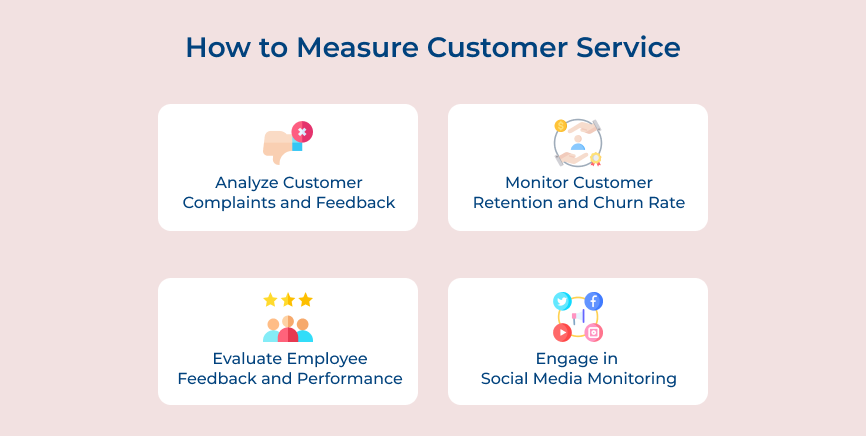
Actively analyzing customer complaints and feedback gives valuable insights into customer service. Monitoring the quantity of complaints will uncover recurring issues, improve service processes and demonstrate a commitment to addressing customer concerns promptly.
Companies must take proactive measures based on the analysis gained. It helps to identify patterns and root causes by categorizing and prioritizing customer complaints. Teams can develop targeted solutions and improve their service delivery. Sharing the outcomes of these analyses with relevant departments promotes a culture of accountability and collaboration.
Best practices:
Measuring these metrics is a barometer of customer service quality. High customer retention rates indicate satisfied customers likely to continue their relationship with the company. Monitoring churn rates uncovers the potential service issues that may drive customers away and take proactive steps to improve customer retention.
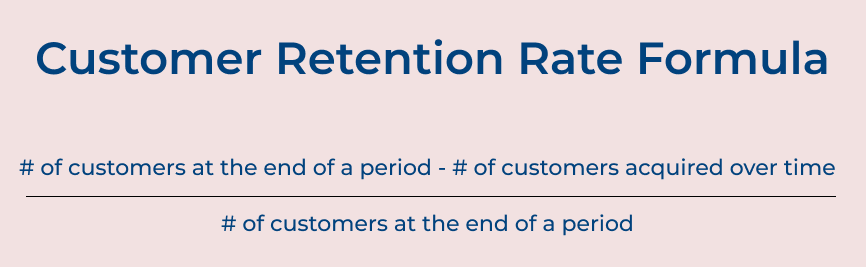
Monitoring of customer retention/churn rate needs clear benchmarks and regularly assessing performance against these benchmarks. It’s very important to understand why customers stay or leave. The findings help identify areas to focus on and make strategic choices.
Best practices:
Actively seeking employee feedback and measuring their performance plays a pivotal role in delivering exceptional customer service. Regular employee satisfaction surveys, performance evaluations and training assessments provide valuable insights to identify areas for improvement.
An effective evaluation of employee feedback and performance requires a feedback loop. It allows open communication, constructive feedback and continuous improvement. The process benefits individual employees and enhances the overall customer service experience.
Best practices:
Monitoring social media platforms for mentions, reviews and comments about the company’s customer service provides real-time feedback on public sentiment. Engaging with customers on social media and promptly addressing their concerns showcases a commitment to enhancing the organization’s reputation.
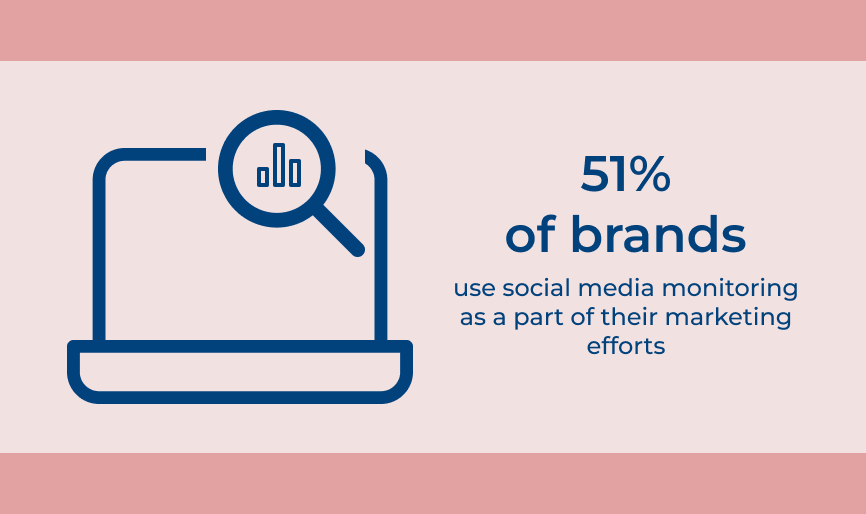
Monitoring social media platforms for mentions, reviews and comments should be a regular practice. Companies must actively engage with customers and leverage social media as a customer service channel. It demonstrates responsiveness and builds trust with customers.
Best practices:
Now that you have clarity on customer service let us throw some light on customer experience to understand customer experience vs customer service better.
Customer Experience (CX) can be described as the customers’ holistic experience when engaging with your business and its products or services. It’s about how customers interact with your business, from their first touchpoint to after-sales support.
The aim is to consistently deliver exceptional experiences that meet or exceed customer expectations and promote loyalty. It’s about creating relationships that keep customers delighted and engaged. Companies that create great customer experiences are rewarded with loyalty, referrals and most importantly – increased sales.
The objectives:
Check out the essential metrics you should leverage to take your customer experience strategy to the next level.
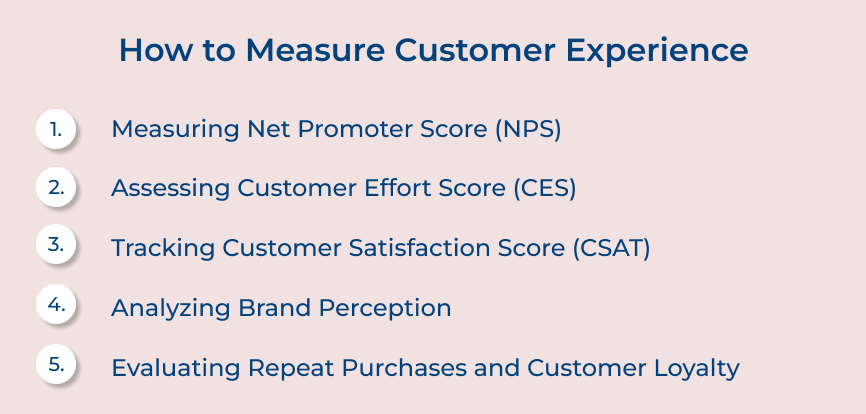
Monitoring NPS will allow you to gauge customer loyalty and the likelihood of customers recommending a company to others. Proactively ask customers, “How likely are you to recommend our company/product/service to a friend or colleague?” Categorize respondents as promoters, passives, or detractors.
Taking action based on the insights gained is crucial. Utilize the data collected to identify trends among promoters, passives and detractors. Engage with promoters to encourage positive word-of-mouth and leverage their feedback for testimonials or case studies. Address detractors’ concerns promptly, demonstrating a commitment to resolving issues and improving their experience.
Best Practices:
Actively assess CES to understand the level of effort customers exert while interacting with products, services, or support channels. Proactively measure CES through surveys or feedback mechanisms to evaluate the nature of the customer experience. Lower CES scores indicate a seamless experience with minimal customer effort. While higher scores highlight areas for improvement to reduce customer effort and enhance satisfaction.
Apart from measuring CES, analyzing the feedback received and taking appropriate actions is vital. Identify areas where customers experience high effort and prioritize efforts to streamline those interactions. Continuously monitor CES scores over time to track progress and validate the impact of improvement initiatives.
Best Practices:
Conduct surveys asking customers to rate their satisfaction with specific products, services, or interactions. Actively monitor CSAT results to identify areas of high customer satisfaction and replicate successful practices. Address areas of dissatisfaction to improve the overall customer experience.
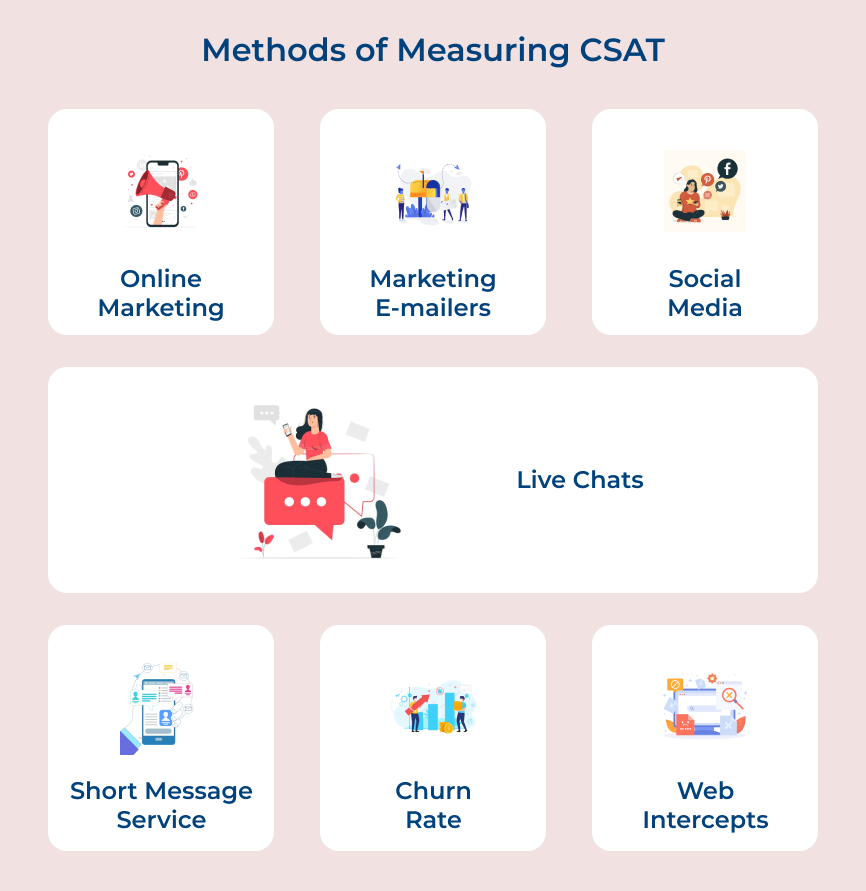
Analyzing the drivers behind satisfaction levels is essential. Segment the data to identify specific products, services, or touchpoints that consistently receive high or low CSAT scores. Focus on improving areas of low satisfaction by implementing targeted solutions and process enhancements. Recognize and reward employees who contribute to high CSAT scores.
Best Practices:
Brand perception can be monitored through customer surveys, social media listening and sentiment analysis to understand how customers perceive the company’s brand. Track key brand attributes, recognition and reputation to assess the impact of the customer experience on brand perception. Make necessary improvements based on insights gained from active monitoring.
Besides analyzing brand perception, it is vital to actively engage with customers to manage and shape the brand image. Respond promptly to customer feedback on social media and review platforms, addressing all types of comments. Monitor online conversations to identify emerging trends, sentiment shifts, or potential brand reputation risks.
Best Practices:
Actively monitor repeat purchases and customer loyalty to gauge the strength of the customer experience. Track the frequency of repeat purchases, customer retention rates and engagement in loyalty programs to assess customer loyalty toward the brand. Actively analyze these metrics to identify opportunities for enhancing the customer experience.
Beyond evaluating repeat purchases, nurturing and incentivizing loyal customers is crucial. Develop targeted loyalty programs that reward repeat purchases, referrals, and advocacy. Regularly communicate with loyal customers to express appreciation and provide exclusive offers. Leverage customer feedback to identify opportunities for upselling, cross-selling and enhancing the customer journey.
Best Practices:
Before getting into the customer service vs customer experience debate, it was crucial to understand both concepts. Now that we are clear, let us jump straight to customer experience vs customer support.
Understanding the distinction between customer service and customer experience is vital in modern times. While both play crucial roles in building brand loyalty, they operate on different planes.
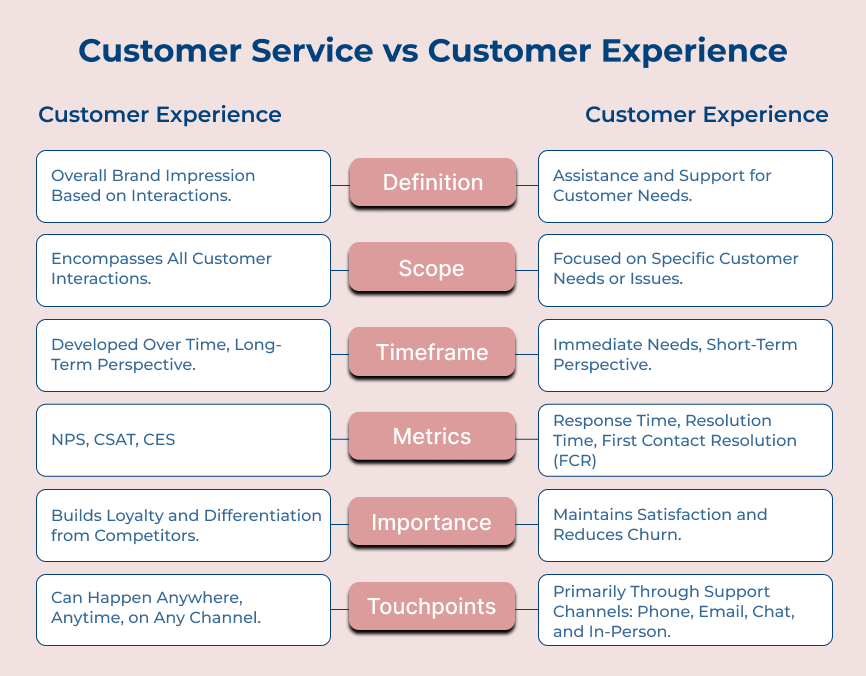
Customer experience is an ongoing process focused on creating and delivering enjoyable experiences to customers over time, while customer service is a finite interaction between businesses and customers; it’s about resolving individual issues promptly.
Customer experience considers the entire customer journey from start to finish, while customer service is limited to only specific interactions that occur at any time. It includes the point of contact used during the journey such as phone calls and email exchanges.
Your team should proactively create positive customer experiences throughout the customer’s journey with your organization. Customer service, it’s more reactive; responses are typically issued after a customer enquires or experiences a problem and needs help to resolve it quickly.
A high level of CX requires dynamic teams with multiple skill sets working collaboratively toward shared objectives, while successful CS hinges on having efficient administrative tools and exceptional staff in the Customer Support department to handle incoming inquiries related to questions or issues with products/services quickly and accurately.
The primary focus of CX is delivering amazing moments that grow loyalty instead of churning out solutions that lead to declining satisfaction levels – essentially keeping customers loyal and coming back for more, While the role of CS is solving simple problems fast and ensuring customers don’t churn away from your brand due to dissatisfaction or unresolved grievances.
Customer experience creates a focus on establishing an immersive brand experience for all touchpoints that leave lasting impressions in the minds of customers – An unforgettable moment that drives advocacy that goes beyond just resolution. Whereas good CS revolves more around offering solutions efficiently, which resolves complaints/requests without a significant margin for error – Make it quick so you get the job done successfully the first time around!
Customer service and customer experience are two related but distinct concepts in the world of customer care. Despite their differences, both have the same goal: exceeding customer expectations. Here are key similarities in customer service vs customer experience you should keep in mind when developing strategies for both.
Even though understanding the difference between customer service and customer experience is crucial, these approaches cannot be separated from each other. Every business should strive to achieve excellence in both areas if they plan for long-term success in customer care.
Investing in technology is a key catalyst to deliver a consistent great customer support experience. Whether looking at automation tools or intelligence-driven analytics systems, leveraging the right technology can help streamline processes while still providing exceptional personalization and care at every stage of the journey.

Customer service is the support provided to customers during and after interacting with a company. It addresses specific customer inquiries, resolves issues and ensures customer satisfaction. While customer relations cover refers to building and maintaining long-term relationships with customers. It involves cultivating positive interactions, promoting loyalty and proactively engaging with customers to enhance their overall experience.
Customer service encompasses a broader range of activities to meet customer needs, provide assistance and ensure satisfaction throughout the customer lifetime. It includes proactive communication, problem-solving and personalized interactions.
Customer support specifically focuses on addressing customer issues, inquiries and technical problems. It involves troubleshooting, resolving technical difficulties and providing guidance to customers.
Both customer service or customer experience are essential and interconnected elements of a successful business. While customer service focuses on individual interactions and addressing customer needs, customer experience encompasses the overall perception a customer has throughout their journey with a company. A positive customer experience is built upon consistently excellent customer service.
Customer service plays a crucial part in shaping the overall customer experience. Delivering exceptional customer service creates positive interactions, builds trust and exceeds customer expectations. A well-executed customer service strategy ensures customers feel valued, heard, and supported throughout the customer care journey. It establishes a positive perception of the company, boosts customer loyalty and improves the overall customer experience.
To enhance customer service and, in turn, the customer experience, businesses can:
Businesses can measure or evaluate their customer service and customer experience efforts through various methods. Customer satisfaction surveys and feedback forms. Net Promoter Score (NPS) surveys to gauge customer loyalty. Monitoring/analyzing customer service metrics such as response time, resolution rate and customer retention. Social media monitoring and sentiment analysis to assess online reputation. Conducting customer interviews or focus groups to gain qualitative insights.
Grow Customer Relationships and stronger team collaboration with our range of products across the Conversational Engagement Suite.
Omnichannel Customer Support & Help Desk Software
AI Enabled Business Messaging and Chatbot Software
Sales Engagement & CRM Software
Call Center Software & Virtual Phone System
Product Marketing & Experience Platform
Customer Experience & Feedback Management Software

 11 Live Chat Metrics & KPIs Every Business Should Measure
Scroll to top
11 Live Chat Metrics & KPIs Every Business Should Measure
Scroll to top