Stage 1: Awareness
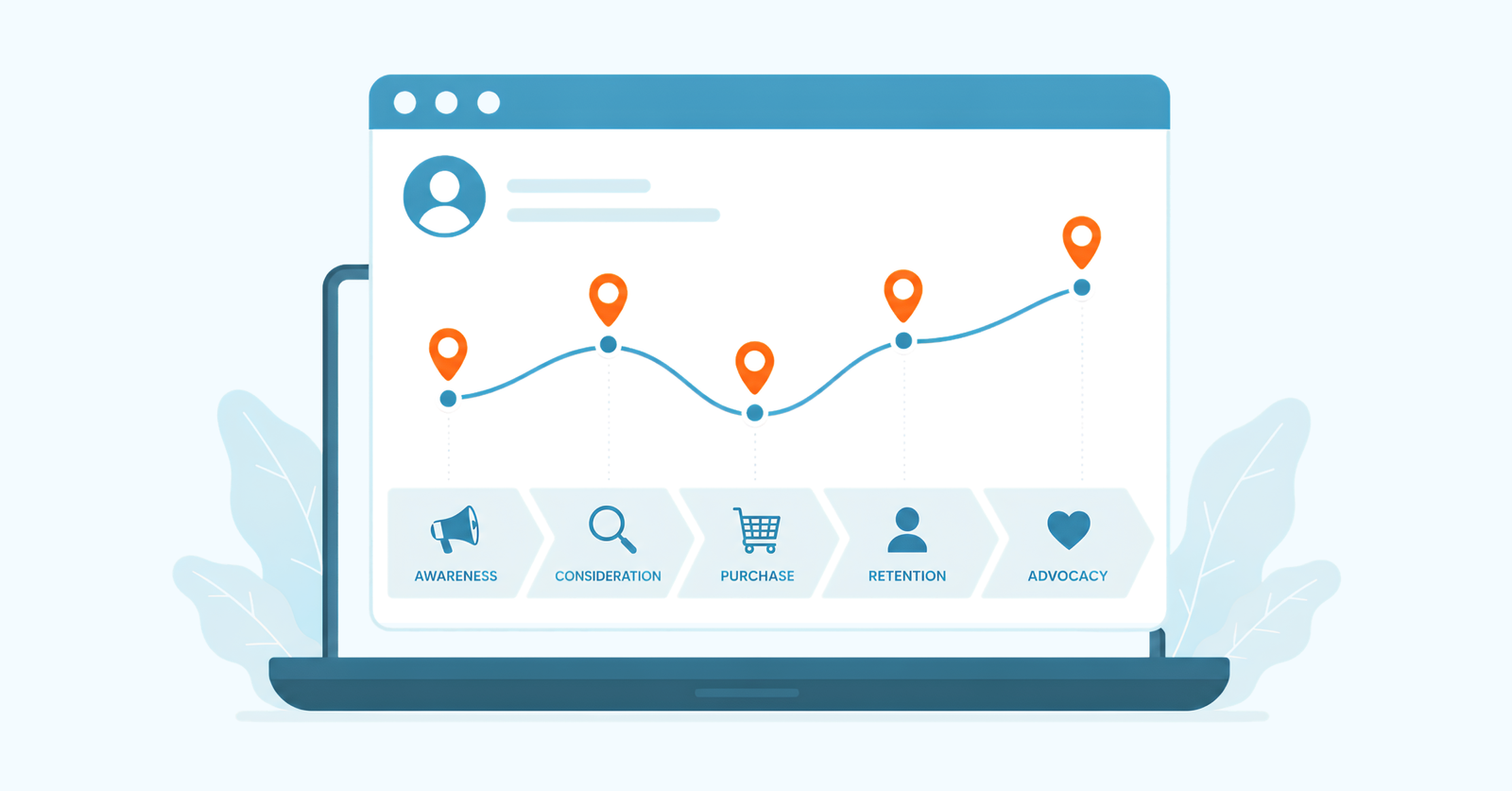
The customer value journey starts the moment someone discovers your brand for the first time. Strong awareness is not about reaching the largest audience possible. It is about reaching the right people with context that connects to a real need or problem.
Let’s assume that a B2B SaaS company attracts attention through a blog post about reducing customer churn. The prospect discovers the brand while actively searching for a solution instead of being interrupted with a direct sales pitch.
Key questions:
- Is your content appearing where your ideal customer already spends time?
- Are you being discovered through search, social media or referral and which channel brings the most qualified traffic?
- Does your first impression immediately communicate who you help and how?
Awareness grows through consistency and relevance over time. A skincare brand building educational content around ingredients and skin concerns creates trust long before the customer is ready to purchase.
Key ways:
- SEO-focused blog content: Answers the exact questions customers search for when facing a problem your business solves.
- Short-form video content: Captures attention quickly with useful insights or perspectives relevant to the audience.
- Podcast features or media mentions: Introduces your brand platforms and voices people already trust.
- Word-of-mouth recommendations: Creates natural conversations through strong customer experiences or memorable brand positioning.
Stage 2: Engagement
Getting attention is only the beginning. Engagement is the stage where people move from casually noticing your brand to actively interacting with it. Strong engagement signals that the audience is starting to trust your expertise and pay closer attention to what you offer.
Real engagement looks like a prospect spending 4 minutes reading your detailed guide, watching 70% of your explainer video or replying to your email sequence. The micro-signals tell you the prospect is not just aware of you, they are genuinely interested in what you offer.
Key questions:
- Are people spending meaningful time with your content or leaving quickly?
- Do your emails generate replies and clicks or get ignored completely?
- Is there a clear next step after every piece of content you publish?
Consider that a financial advisory firm is trying to engage first-time investors. Instead of pushing a “book a call” CTA immediately, they offer a free portfolio risk assessment tool. That single touchpoint creates genuine engagement because it delivers personal value before asking for anything in return.
Pro tips:
- Long-form educational content: Helps prospects understand their problems and evaluate possible solutions in detail.
- Interactive tools and assessments: Deliver personalized insights that make the experience feel more relevant and useful.
- Nurture email sequences: Build trust gradually through education, insights and consistent communication.
- Webinars and live sessions: Allow prospects to interact directly and learn from real-time discussions around their challenges
Stage 3: Subscribe
The subscribe stage begins when a prospect gives permission for ongoing communication. The small commitment matters because it opens the door to a longer relationship with the brand. Strong subscription experiences also create the foundation for future engagement, trust and conversions.
Getting an email address in 2026 is harder than it has ever been. Prospects are protective of their inboxes and they will only subscribe if the perceived value of what they receive clearly outweighs the cost of handing over their contact details. A generic request to “join the newsletter” rarely works unless the value is clear and immediately useful.
Actionable tips:
- Specific lead magnet: Tied directly to a pain point your audience is actively trying to solve, not a vague general resource.
- Clear value explanation: Shows exactly what the subscriber will receive and why it matters to them.
- Low-friction opt-in: Keeps forms short and easy to complete, so prospects face less friction during sign-up.
Let’s assume that an HR technology company targeting mid-size businesses may offer an “Employee Retention Audit Checklist” as the opt-in resource. The specificity of that offer converts far better than a vague “get our weekly tips” because it solves an immediate and tangible problem for the exact person they want in their marketing funnel.
Key questions:
- Is the lead magnet specific enough to attract the right audience?
- Does the opt-in page clearly explain the value of subscribing?
- How quickly does the subscriber receive the promised resource after signing up?
Stage 4: Customer Conversion
The customer conversion is the stage where a prospect becomes a paying customer for the first time. The first purchase matters because it marks the shift from interest to real commitment. A smooth first buying experience also increases the chances of repeat purchases and long-term customer trust.
A customer who spends even a small amount has already placed trust in the business. Building a deeper relationship becomes much easier once that initial trust is established through a purchase.
Key mistakes:
- Skipping entry-level offers: Trying to sell expensive products too early, before the customer has experienced enough value.
- Weak calls-to-action: Using vague prompts that give people no strong reason to take action immediately.
- No risk reduction: Failing to address purchase anxiety with a guarantee, free trial or low-commitment entry option.
Let’s consider that a business coach may offer a $27 “90-Day Business Roadmap” template before presenting their $2,000 coaching program. That small purchase filters serious buyers from browsers and creates a customer relationship that is far easier to upgrade than starting from cold.
Key questions:
- Do you have a low-risk offer that makes it easier for people to buy for the first time?
- Has enough trust been built before presenting the main offer?
- Does the page address the biggest concerns customers may have before purchasing?
Stage 5: Excite
Getting a customer to buy is only the beginning. The exciting stage focuses on making the customer feel confident and satisfied immediately after the purchase. Positive early experiences increase trust and make customers more likely to continue engaging with the brand.
Most businesses put all their energy into the sale and almost none into what happens in the first 48 hours after it. That post-purchase window is where buyer’s remorse lives and if that space is not filled with reassurance, customers who technically already bought can disengage permanently.
Key takeaways:
- SaaS: Uses onboarding emails and guided setup steps to help users achieve an early result quickly.
- E-commerce: A post-purchase email with usage guides or styling tips that make the customer excited about what arrives.
- Coaching or consulting: Introduces welcome calls or onboarding sessions that reinforce the value of the decision the client just made.
- Retail banking: Provides simple setup guidance that helps customers start using account features with confidence from day one.
The goal here is to create an early win that makes the customer feel the purchase was worthwhile. A project management platform helping a user launch their first project within minutes creates momentum that encourages deeper engagement and long-term retention.
Stage 6: Ascend
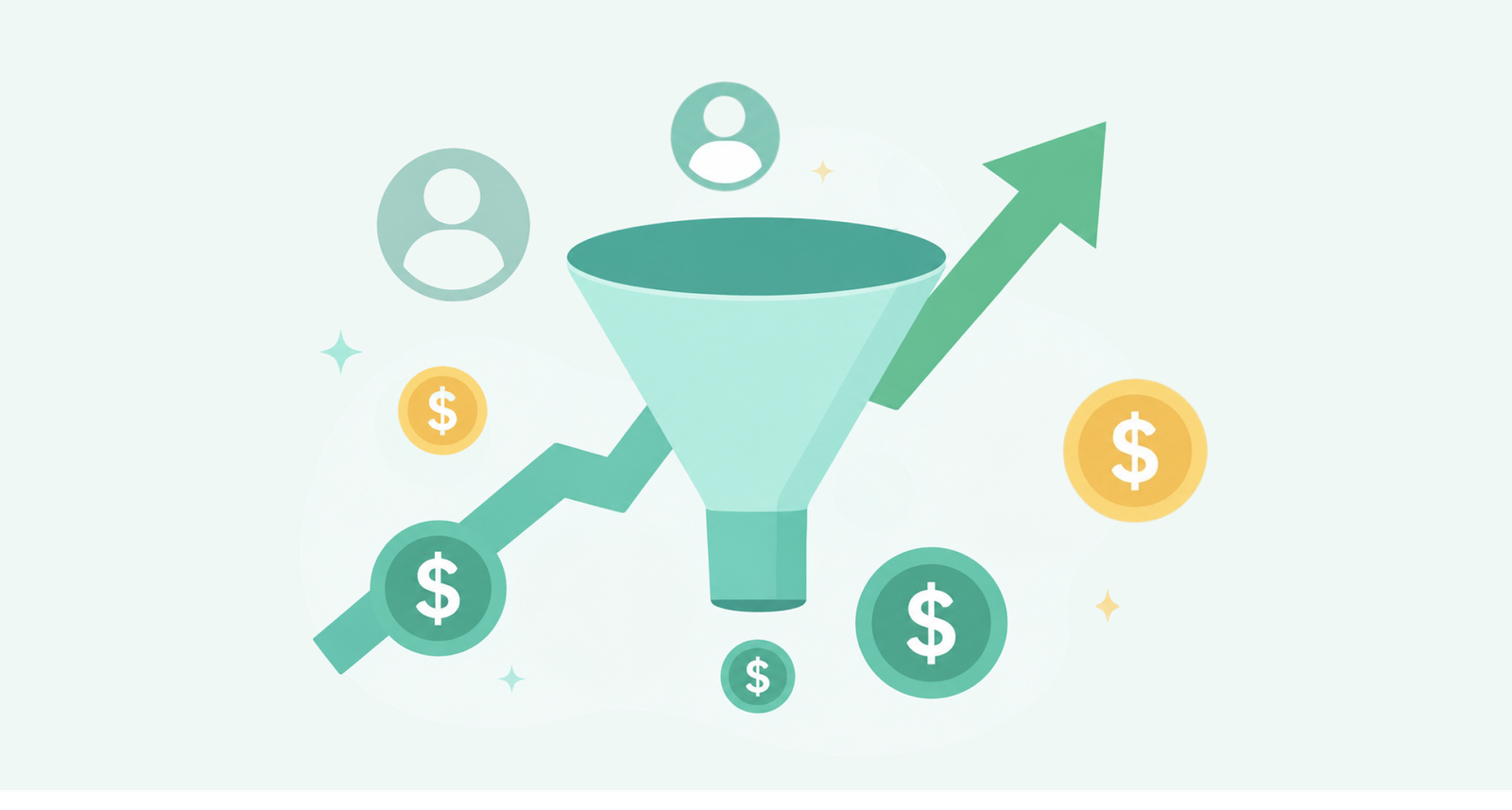
The Ascend stage is where existing customers move toward higher-value products, services or deeper commitments. Revenue growth becomes much more efficient here because the relationship and trust already exist.
Many businesses have multiple offers but no clear path that guides customers from one level to the next. Customers make one purchase and then hear nothing until the business tries to sell again months later.
Key factors:
- Clear logical progression: A defined ladder from entry-level to premium that makes the next step feel natural and obvious to the customer.
- Behavior-triggered offers: Upsell and cross-sell prompts that fire based on specific customer actions rather than arbitrary time intervals.
- Personalized recommendations: Suggest products or services connected to what the customer already uses or values most.
Key questions:
- Are customers staying at the lowest-level offer without moving forward?
- Do you have a clear next recommendation prepared after a customer completes the current offer?
Stage 7: Advocate
An Advocate is a customer who willingly talks about your brand and recommends it to others through their own experience. Advocacy grows when customers consistently receive value and feel genuinely satisfied with the relationship.
A strong product alone rarely creates advocacy. Positive experiences across buying, onboarding, support, and ongoing communication are what make customers comfortable recommending a business to people they know.
Key elements:
- Clear customer results: Customers who achieve meaningful outcomes are more likely to share those experiences publicly or through referrals.
- Recognition beyond the sale: Acknowledging milestones and customer progress helps people feel appreciated. They can connect better to your brand.
- Strong community connection: Customers become more engaged when they feel part of something larger than a simple transaction.
Let’s assume that a B2B software company recognizes customers when they hit major usage milestones or business goals. Small moments of recognition create stronger emotional connections and encourage customers to speak positively about the brand.
Key questions:
- Can customers clearly describe the value or results they gained from your product?
- Are you actively creating moments that make customers feel recognized and valued beyond just the purchase itself?
- Is there a frictionless way for a happy customer to share their experience with their network right now?
Stage 8: Promote
The promotion stage is where customers actively help bring new people into your business. The customers go beyond sharing positive opinions. They start influencing others through referrals, reviews, testimonials and recommendations.
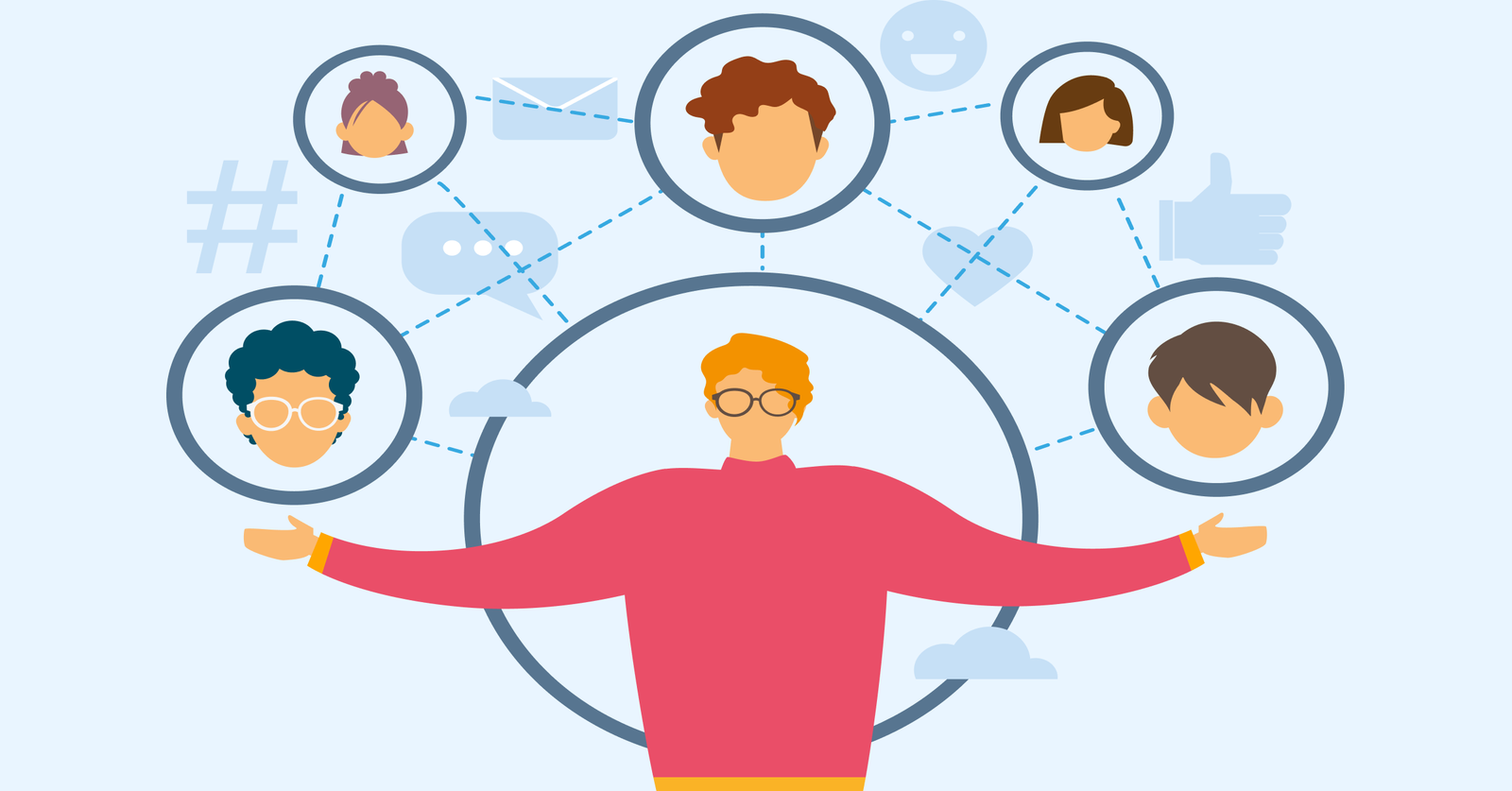
An advocate may speak positively about your brand in conversation. A promoter takes the extra step of intentionally introducing new customers and encouraging others to trust your business. Strong promoters help expand brand reach naturally through trusted recommendations and real customer experiences.
Key steps:
- Formal referral system: Clear incentives tied to successful conversions, like account credits, commissions or exclusive access, work consistently across industries.
- Customer case study program: Gives high-value promoters a platform and public recognition that reinforces their own authority while amplifying yours.
- Ambassador or affiliate programs: A defined framework for high-volume referrers that makes promoting your brand feel like a rewarding ongoing relationship.
Steps for Implementing a Customer Value Journey in Your Strategy
Below are the practical steps businesses can follow to implement a customer value journey that creates a consistent path toward long-term growth.