1. Create Compelling Content
Creating compelling content is a powerful lead generation strategy that attracts and engages potential customers. Businesses can cater to different audience preferences by developing diverse content types such as ebooks, whitepapers and infographics. The varied formats allow for in-depth exploration of topics relevant to the target market, showcasing the expertise and providing value.
Incorporating high-quality visuals and engaging formats is crucial for capturing the audience’s attention. Visually appealing content not only enhances understanding but also increases shareability, extending the reach. Engaging formats like interactive infographics or video content can significantly boost engagement rates and encourage lead conversions.
Best practices:
- Conduct thorough audience research to align content topics with their interests and pain points.
- Implement a content calendar to ensure consistent production and distribution across various channels.
- Include clear, compelling calls-to-action (CTAs) in every piece of content to guide leads toward the next step in the funnel.
2. Send Regular Emails
Sending regular emails is a powerful lead generation strategy that leverages direct communication with potential customers. Start by building and segmenting the email lists. Group subscribers based on demographics, behavior, or interests to ensure targeted messaging.
The segmentation allows for more personalized and relevant content, increasing engagement rates.
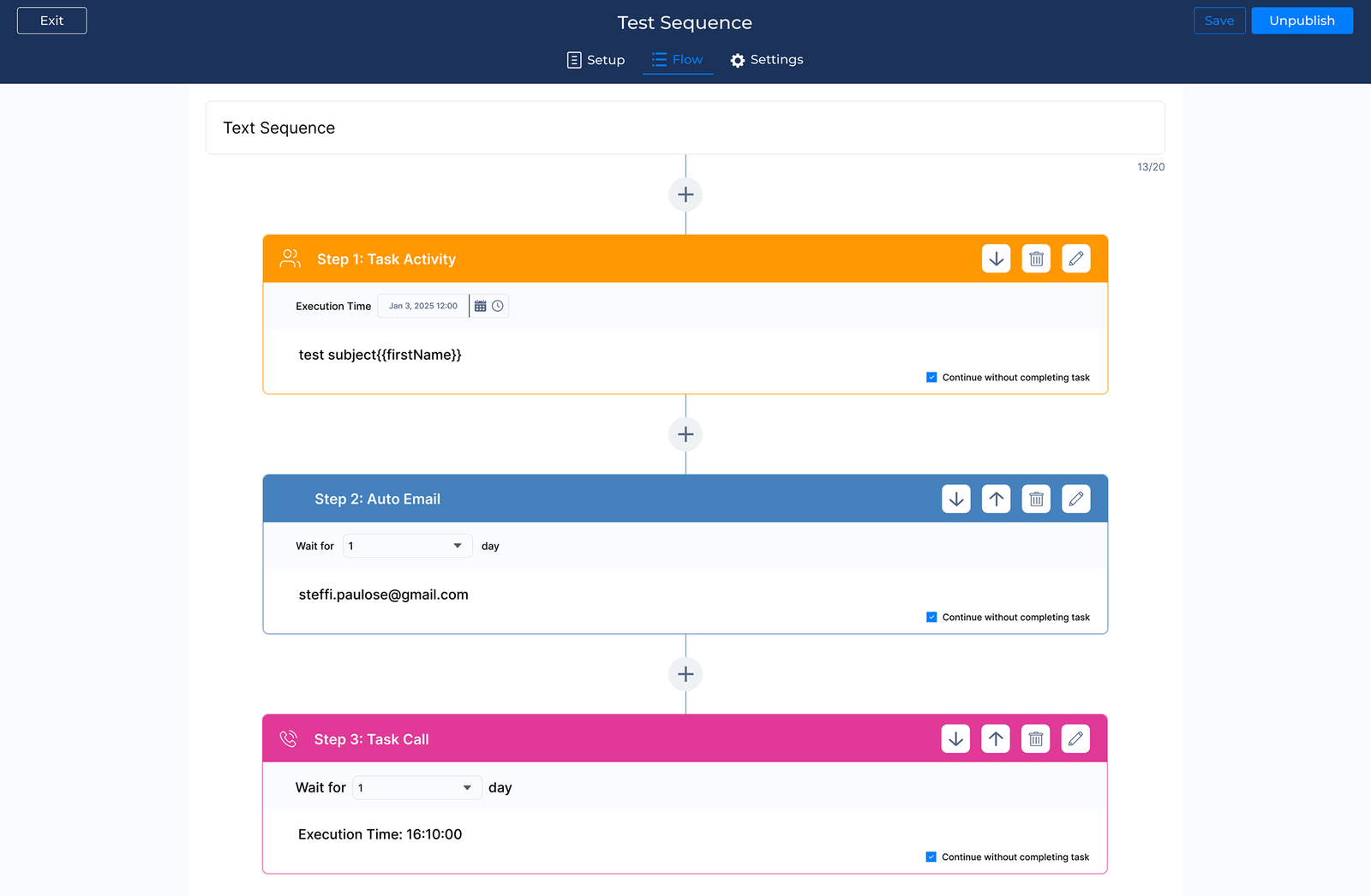
Implement automated email campaigns to nurture leads through the sales funnel.
Set up welcome series for new subscribers, drip campaigns for nurturing leads and re-engagement campaigns for inactive subscribers. Automation ensures consistent communication and saves time while guiding leads toward conversion.
Best practices:
- Use compelling subject lines to improve open rates and grab attention.
- Provide valuable, actionable content that addresses subscriber needs
- Include clear calls-to-action (CTAs) in each email to guide subscribers towards desired actions.
3. Use Social Media
Using social media for lead nurturing is a powerful strategy. Start by identifying which platforms the target audience frequents most. It includes LinkedIn for B2B leads or Instagram for younger consumers. Once the platform is chosen, focus on consistently sharing valuable, relevant content that addresses the audience’s needs and interests.
Engagement is key on social media, so actively respond to comments, participate in discussions and build relationships with followers. Leverage paid social media advertising. The ads can help to reach specific demographics or behaviors that align with the ideal customer profile.
Best practices:
- Use platform-specific features like Instagram Stories or LinkedIn Articles to showcase the expertise and capture leads.
- Implement social listening tools to monitor brand mentions and industry trends, allowing for timely engagement.
- Create lead magnets tailored to each platform’s audience, offering exclusive content in exchange for contact information.
4. Write Informative Blog Posts
Writing informative blog posts is a powerful lead-generation strategy. It establishes the brand as an industry authority, attracts organic traffic and provides value to potential customers. Businesses can address the audience’s pain points and showcase their expertise by consistently producing high-quality content.
Optimizing posts for SEO is crucial to increase visibility in search engine results, driving more targeted traffic to the site. It involves using relevant keywords, creating engaging meta descriptions and structuring content with proper headings. A software company regularly publishes in-depth articles about productivity tools, attracting IT managers searching for solutions to streamline their team’s workflows.
Best practices:
- Conduct thorough keyword research to identify topics the audience is actively searching for.
- Promote blog posts across various channels, including social media and email newsletters, to maximize reach.
5. Offer Product Trials
Offering product trials is a powerful lead generation strategy that allows potential customers to experience the product’s value firsthand. Businesses reduce the barrier to entry and entice prospects to try their offering without financial commitment by providing limited-time free access.
Ensuring a smooth onboarding process is crucial during trials. It helps users quickly grasp the product’s benefits and features, increasing the likelihood of conversion. Following up with trial users is equally important. Regular check-ins, personalized support and targeted communications can address any issues. It highlights key features and nurtures leads towards becoming paying customers.
Best practices:
- Set clear trial duration and limitations. It helps to create urgency and prevent abuse.
- Implement automated onboarding emails and in-product tutorials to guide users effectively.
- Use analytics to track trial usage, informing personalized follow-ups and conversion strategies.
6. Ask For Referrals
Asking for referrals is a powerful lead generation strategy that leverages the existing customer base to attract new clients. Businesses tap into the trust and relationships the satisfied customers have with their networks by implementing a referral program. Incentivizing existing customers to refer others can significantly boost participation and results. It could include offering discounts, exclusive perks, or even monetary rewards for successful referrals.
Making the referral process easy is crucial for maximizing engagement. Provide clear instructions, user-friendly forms and multiple channels for referrals to ensure seamless participation.
Best practices:
- Identify the best customers and personally ask them for referrals.
- Create a dedicated landing page for the referral program with clear benefits and instructions.
- Follow up promptly with both the referrer and the new lead. It helps to maintain momentum and show appreciation.
7. Organize Industry Events
Organizing industry events is a powerful lead-nurturing marketing strategy that allows businesses to connect directly with potential clients and partners. Companies can showcase their expertise and provide valuable insights, attracting interested prospects by hosting webinars or workshops.
Participating in trade shows offers opportunities to display offerings, engage with attendees and gather contact information for follow-up. Conducting networking events facilitates relationship-building and creates a platform for informal discussions about business needs.
Best practices:
- Tailor event content to address specific pain points of the target audience.
- Leverage social media and email marketing to promote events. It helps to maximize attendance.
- Follow up promptly with leads gathered during events to maintain momentum and convert interest into action.
8. Collaborate with Other Businesses and Creators
Collaborating with other businesses and creators is a powerful lead-generation strategy that can expand the reach. Businesses can create mutually beneficial relationships by identifying potential partners whose target markets align with them.
Develop co-marketing initiatives such as joint webinars, product bundles, or promotional events to leverage each other’s strengths and resources. Engage in guest posting and cross-promotion on social media platforms to tap into the partner’s audience. The collaborative efforts can significantly increase brand visibility and generate high-quality leads.
Best practices:
- Research and reach out to complementary businesses in the industry for partnership opportunities.
- Create a content calendar for guest posts and cross-promotional activities to ensure consistent collaboration.
- Establish clear goals and metrics to measure the success of the collaborative marketing efforts.
9. Build a Community
Building a community is a powerful lead-generation strategy that enhances engagement and trust. Businesses provide a platform for potential customers to interact, share knowledge and seek advice by creating forums or discussion groups centered around their industry. The environment naturally positions the brand as an authority and creates opportunities for organic lead nurturing.
Encouraging user-generated content further strengthens community bonds and increases engagement. When members contribute their content, experiences, or insights, it adds authenticity and diversity to the platform. It helps in attracting more participants and potential leads.
Pro tips:
- Consistently provide valuable, relevant content to keep community members engaged and coming back.
- Implement a rewards system to incentivize active participation and high-quality contributions.
- Regularly host virtual events or AMAs (Ask Me Anything sessions) to enhance real-time interactions and build stronger connections with community members.