Sales Automation

What is Sales Automation? Benefits, Examples & Tools

Discover the power of sales automation in transforming your sales strategy! Unlock the full potential of automation for smarter, faster and more efficient selling.

No credit card required. Easy setup

Sales Automation

Trusted by Leading Brands

Accelerate Sales, Automate Success with Sales Automation

Discover how sales automation can help you close deals faster, boost productivity, and drive business growth effortlessly. Say goodbye to manual tasks and focus on what matters—accelerating your success!

Task Automation

Say goodbye to repetitive tasks with automation! Free up the sales reps and let them focus on what truly matters—closing deals and growing the business.

Lead Nurturing

Keep leads engaged effortlessly with automated follow-ups and personalized messaging. Now ensure the leads receive timely, relevant communications tailored to their specific needs.

Workflow Streamlining

Simplify and speed up sales processes through automated workflows. Enhance efficiency, save time and create a smoother, more reliable sales process!

Data Accuracy

Say goodbye to manual data entry errors! Automation keeps customer information accurate and up-to-date, ensuring teams have reliable data for making informed decisions.

Sales Forecasting

Leverage the power of automation to analyze data and uncover key trends that shape more accurate sales forecasts. Process large data sets in real time and make smarter, data-driven decisions for future success.

Performance Tracking

Monitor sales activities in real time with automated reports, delivering actionable insights at the fingertips. Now it’s easy to understand when to fine-tune strategies, optimize results and ensure ongoing sales improvements.

Struggling to keep up with the ever-increasing demands of modern sales? Drowning in repetitive tasks, losing valuable time that could be spent nurturing leads and closing deals?
But what if there was a way to streamline the sales process, boost efficiency and still provide exceptional customer experiences?

Enter sales automation – the game-changing solution that’s revolutionizing the way businesses approach sales. Let us explore the transformative benefits of automation, from increased productivity to improved lead quality. The overview will equip businesses with the knowledge to harness the power of sales process automation.

What is Sales Automation?

Sales automation refers to the use of software to streamline and automate repetitive sales tasks. It involves leveraging digital tools to manage customer relationships, track leads and optimize sales workflows. Sales teams can focus on high-value activities that require human touch and expertise.

How Does Automating the Sales Process Work?

Automating the sales process involves using software to handle repetitive tasks and streamline workflows. It starts with automated lead capture, followed by personalized email campaigns and task scheduling. The system manages customer data, tracks interactions and moves leads through the sales pipeline, prompting actions at each stage.

Integration with CRM systems allows for centralized data management and real-time analytics. It provides sales teams with valuable insights for decision-making and strategy refinement. Representatives can focus more on relationship-building and closing deals by automating routine tasks.

Key objectives are:

  • Increase efficiency by reducing manual tasks and streamlining workflows.
  • Enhance lead management through automated follow-ups and personalized communications.
  • Improve data accuracy for better decision-making and forecasting.
  • Standardize sales processes to ensure consistency and best practices across the team.
  • Boost productivity by allowing sales representatives to focus on high-value activities and relationship-building.

Benefits of Sales Automation

Let us go through the benefits of sales automation to understand how automation can revolutionize the sales efforts and drive long-term growth.

Benefits of Sales Automation

1. Increase Efficiency and Productivity
Sales automation eliminates time-consuming manual tasks, allowing sales teams to focus on high-value activities. Reps can dedicate more time to close deals by automating repetitive processes like data entry, follow-up emails and appointment scheduling.

2. Boost Sales
Sales reps can engage more prospects and nurture leads more effectively by automating the handling of routine tasks. Automated lead scoring helps prioritize the most promising opportunities, while targeted campaigns increase conversion rates.

3. Improve Lead Generation
Automation tools can capture and qualify leads from multiple sources, ensuring every potential customer is caught up. Businesses can guide prospects through the sales funnel with timely content by implementing lead-nurturing workflows. Consistent engagement keeps leads warm and increases the likelihood of conversion.

4. Retain More Customers
Sales automation continues beyond closing deals. It also aids in customer retention by facilitating ongoing communication and support. Automated reminders for check-ins, renewals and upsell opportunities help maintain strong customer relationships.

5. Report Creation
Automated reporting tools provide real-time insights into sales performance, pipeline health and key metrics. The data-driven reports enable sales managers to make informed decisions, identify trends and optimize strategies.

6. Better Onboarding for Sales Reps
Sales process automation platforms often include training modules and resources that streamline the onboarding process for new hires. Automation helps new reps become productive more quickly by providing procedures and access to relevant information.

7. Improve the Customer Experience
Automation enables a more personalized and responsive approach to customer interactions. Sales reps can tailor their communications and offers to individual preferences by leveraging customer data and behavior analytics.

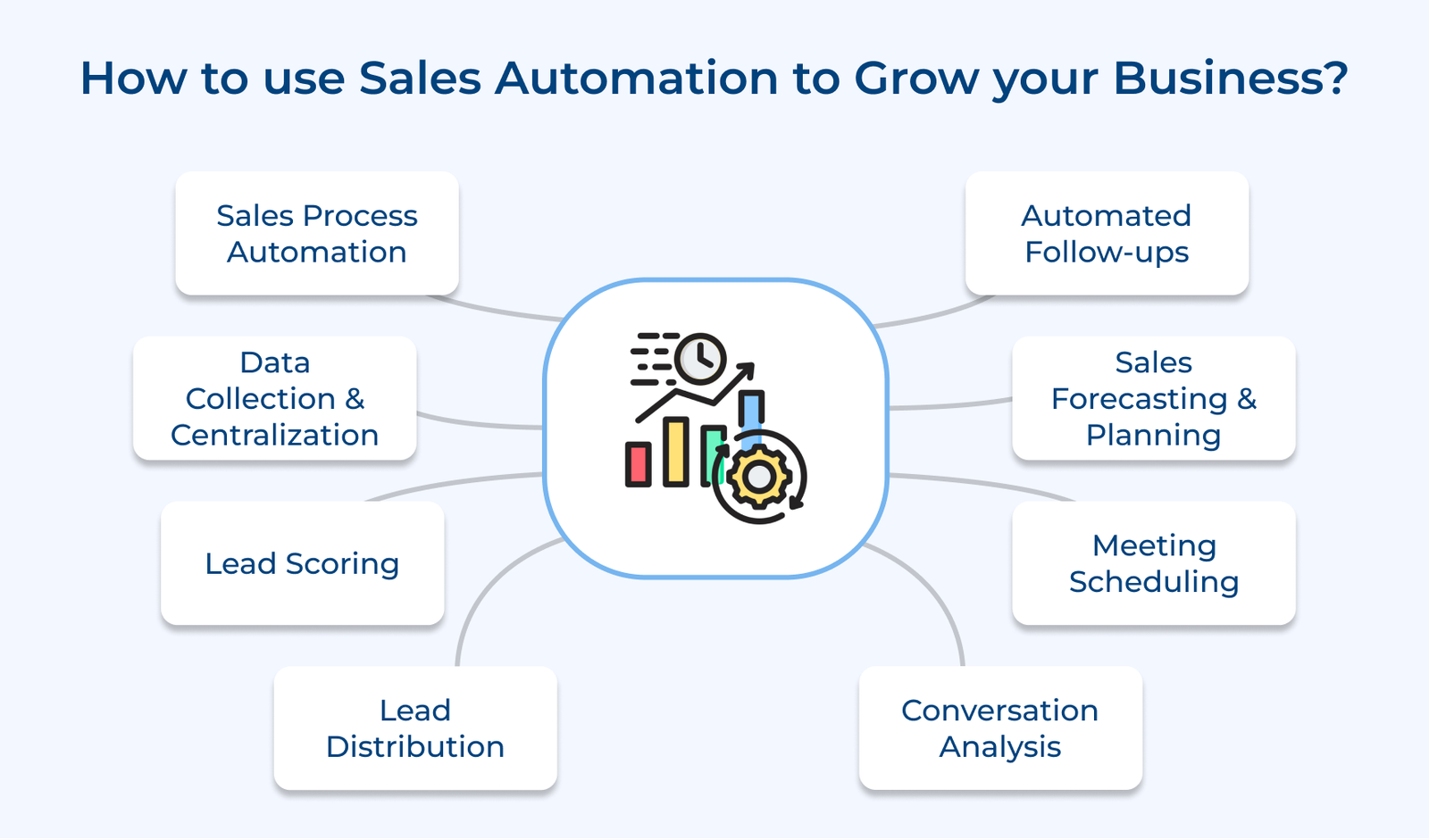
How to use Sales Automation to Grow your Business

We will explore how businesses can harness the power of sales automation to propel their business to new heights. Let’s dive in.

How to Use Sales Automation to Grow Your Business

1. Sales Process Automation

Sales process automation is a powerful way to leverage sales automation for business growth. Sales teams can focus more on high-value activities like building relationships by streamlining repetitive tasks, such as data entry, email follow-ups and report generation. Standardizing sales procedures through automation ensures consistency across the organization, reducing errors and improving the customer experience.

Automation significantly improves efficiency by reducing manual work, minimizing human error and accelerating the sales cycle. The result is a more productive sales team that can handle a higher volume of leads and opportunities driving revenue growth.

Pro tips:

  • Start small by automating one process at a time to avoid overwhelming the team.
  • Regularly review and refine automated processes to ensure they align with evolving business needs.
  • Provide comprehensive training to ensure all team members can fully utilize the automated systems.

2. Data Collection and Centralization

Data collection and centralization are crucial components of sales process automation that can significantly boost business growth. Automated data gathering streamlines the process of collecting customer information from various touchpoints. The data is then consolidated into a centralized customer database, creating a single source of truth for all customer-related information.

A centralized database offers numerous benefits, including unified data access for all team members. The accessibility ensures that sales reps, marketers and customer service agents have a comprehensive view of each customer’s history. The holistic perspective enables more personalized and effective customer engagements, leading to improved conversion rates.

Pro tips:

  • Integrate the CRM with other business tools to ensure seamless data flow.
  • Establish clear data governance policies to maintain data quality and consistency.
  • Regularly train the team on how to leverage the centralized database for better customer insights.

3. Lead Scoring

Lead scoring is a powerful sales automation tool that can significantly boost business growth. Companies can rank potential customers based on their likelihood to convert by implementing automated lead qualification. The process uses predefined criteria and behavioral data to assign scores to leads, enabling sales teams to focus on high-potential prospects.

Prioritizing the qualified leads allows businesses to concentrate their efforts on opportunities with the greatest potential for success. The targeted approach increases conversion rates and shortens sales cycles. Lead scoring also optimizes resource allocation by ensuring that sales representatives invest their time and energy in the most promising leads.

Pro tips:

  • Define clear scoring criteria aligned with the ideal customer profile.
  • Regularly analyze and refine the scoring model based on actual conversion data.
  • Integrate lead scoring with the CRM system for seamless workflow and insights.

4. Lead Distribution

Lead distribution is a crucial aspect of sales automation that can significantly boost business growth. Companies can streamline their operations and maximize efficiency by automating the process of assigning leads to sales representatives. The system ensures equitable distribution of leads, preventing overload on certain team members while others remain underutilized.

Effective lead distribution systems can analyze lead characteristics. Sales rep profiles to make optimal assignments, considering factors like industry knowledge and communication style.
Personalized matching enhances the chances of building strong client relationships and closing deals.

Pro tips:

  • Establish clear criteria for lead distribution and rep matching to ensure optimal assignments.
  • Regularly analyze performance metrics to refine and improve the distribution algorithm.

5. Automated Follow-ups

Automated follow-ups are a powerful tool in sales process automation, enabling businesses to grow by maintaining consistent communication with prospects and customers. Companies can deliver personalized customer messages at scale by leveraging automation, ensuring that each lead receives tailored content based on their interactions.

The approach nurtures leads through the sales funnel, guiding them from initial interest to purchase decision with strategically timed touchpoints. Automated follow-ups help sales teams stay organized and efficient, allowing them to focus on high-value activities while the system handles routine communications.

Pro tips:

  • Segment the audience based on behavior and preferences to ensure targeted messaging.
  • Create a diverse content library for different stages of the buyer’s journey.
  • Regularly analyze and optimize the automated sequences based on performance metrics.

6. Sales Forecasting and Planning

Sales forecasting and planning, leveraging sales automation, is a powerful strategy to drive business growth. Companies can analyze historical sales data, market trends and customer behavior to make informed decisions by utilizing data-driven prediction models. The approach enables accurate revenue projections, allowing businesses to set realistic goals and adjust strategies.

Strategic resource allocation becomes more effective when based on reliable forecasts. Companies can efficiently distribute personnel, budget and marketing efforts across various products, regions, or customer segments. The targeted approach maximizes return on investment and enhances business performance.

Pro tips:

  • Integrate CRM systems with forecasting tools for real-time data analysis.
  • Train sales teams to input quality data consistently for accurate predictions.
  • Regularly adjust forecasts based on market changes and performance metrics.

7. Meeting Scheduling

Meeting scheduling automation is a powerful tool for growing the business through enhanced sales processes. Companies can streamline client interactions and reduce the time spent on manual scheduling tasks by implementing automated appointment booking systems. The technology eliminates back-and-forth emails and phone calls, allowing potential customers to book meetings at their convenience.

Reducing scheduling conflicts is another key benefit, as automated systems can sync with multiple calendars and prevent double bookings. Sales representatives are always available when clients need them, improving customer satisfaction and conversion rates. Automation significantly improves sales team productivity by freeing up time previously spent on administrative tasks.

Pro tips:

  • Customize booking pages to reflect the brand and include relevant information for clients.
  • Set up automated reminders to reduce no-shows and improve meeting attendance rates.

8. Conversation Analysis

Conversation analysis leverages AI-powered call analytics to dissect sales interactions, providing valuable insights into customer behavior and sales performance. Businesses can identify successful patterns and techniques used by top-performing sales representatives by examining large volumes of customer conversations.

AI algorithms can detect key phrases, sentiment and engagement levels, allowing managers to pinpoint areas for improvement in real-time. The continuous feedback loop facilitates the refinement of sales techniques, ensuring that representatives stay ahead of trends. Sales teams can focus on high-value activities while leveraging data-backed insights to enhance their approach by automating the analysis process.

Actionable tips:

  • Implement AI-powered transcription tools to automatically process and categorize sales calls.
  • Establish key performance indicators (KPIs) based on successful conversation patterns and regularly review them with the team.
  • Create a feedback system that integrates AI insights with human coaching to continuously improve sales techniques.
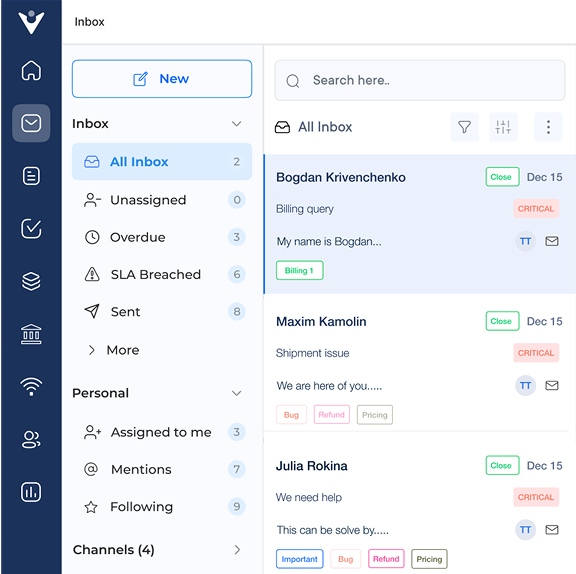
Omnichannel Helpdesk and Ticketing System

Turn Every Support Issues into Personalized Conversations with Veemo’s Omnichannel Helpdesk and Ticketing System. Make customer happiness your top priority with a digital first customer experience (CX) approach

Radically new solutions for data

Sed ut perspiciatis unde omnis iste natus error sit voluptatem accusantium doloremque laudantium, totam rem aperiam, eaque ipsa quae ab illo inventore veritatis et quasi architecto beatae vitae dicta sunt explicabo.

Radically new solutions for data

Sed ut perspiciatis unde omnis iste natus error sit voluptatem accusantium doloremque laudantium, totam rem aperiam, eaque ipsa quae ab illo inventore veritatis et quasi architecto beatae vitae dicta sunt explicabo.

What is the Difference Between Sales Automation and Marketing Automation?

While both sales automation and marketing automation aim to streamline processes and improve efficiency, they serve distinct functions within a business.

Difference Between Sales Automation

1. Focus and Objectives
Marketing automation primarily focuses on nurturing leads through various channels, aiming to generate interest and create brand awareness. It’s designed to guide potential customers through the early stages of the buying process.

Sales automation concentrates on converting qualified leads into customers. It streamlines the sales process, helping representatives close deals more efficiently and effectively.

2. Target Audience
Marketing automation typically targets a broader audience, often including individuals who may not yet be aware of their need for a product or service. It casts a wide net to capture potential leads at various stages of interest.

Sales process automation is geared towards a more specific audience of qualified leads who have shown a clear interest in the product or service and are closer to making a purchasing decision.

3. Processes and Activities
Marketing automation encompasses activities such as email campaigns, social media management, content distribution and lead scoring. It often involves creating and distributing content across multiple channels to engage potential customers.

Sales automation focuses on tasks directly related to the sales process, such as lead prioritization, follow-up scheduling, proposal generation and pipeline management. It aims to streamline repetitive tasks that sales representatives perform daily.

4. Timing in the Customer Journey
Marketing automation is primarily used in the early to middle stages of the customer journey, from initial awareness to consideration. It nurtures leads over time, providing them with relevant information and gradually moving them towards a purchasing decision.

Sales process automation comes into play in the later stages of the customer journey, typically after a lead has been qualified. It assists in the final push towards conversion and in maintaining customer relationships post-purchase.

5. Metrics and KPIs
The success of marketing automation is often measured by metrics such as website traffic, engagement rates, lead generation and brand awareness. The metrics indicate how effectively the marketing efforts are attracting and nurturing potential customers.

Sales automation is evaluated based on metrics directly tied to revenue generation, such as conversion rates, sales cycle length, deal size and sales productivity. The focus is on quantifiable results that directly impact the bottom line.

Challenges to Implement Sales Automation and How to Resolve

Here are five challenges along with the way to overcome them, businesses face when implementing sales automation:

Challenges in Implementing Sales Automation

1. Resistance to Change
Sales teams often resist new technologies, fearing job displacement or disruption to established workflows. Address it by involving sales representatives in the implementation process.

Provide comprehensive training and emphasize how automation will make their jobs easier, not obsolete. Showcase success stories and tangible benefits to build enthusiasm. Implement the changes gradually, allowing time for adaptation and feedback.

2. Data Quality and Integration
Sales automation relies heavily on accurate, up-to-date data. Poor data quality or difficulties in integrating with existing systems can hinder effectiveness. Conduct a thorough data audit before implementation.

Invest in data cleaning and standardization processes. Choose automation tools that integrate seamlessly with the existing CRM and other vital systems. Implement ongoing data maintenance protocols to ensure continued accuracy.

3. Customization and Flexibility
Off-the-shelf automation solutions may not perfectly fit unique business processes, leading to inefficiencies or workarounds.

Look for customizable automation platforms that can be tailored to the specific needs. Work closely with vendors or in-house developers to adapt the solution. Prioritize flexibility in the chosen system to accommodate future changes in the sales processes.

4. Maintaining the Human Touch
Over-reliance on automation can lead to a loss of personalization in customer interactions, potentially damaging relationships. Strike a balance between automation and personal interaction.

Use automation for routine tasks but maintain human involvement in crucial touchpoints. Leverage AI and data analytics to provide sales reps with insights that enable more meaningful interactions.

5. Measuring ROI and Continuous Improvement
Difficulty in quantifying the impact of sales automation and identifying areas for ongoing improvement. Establish clear, measurable KPIs before implementation. Regularly track and analyze the metrics to assess the effectiveness of the automation efforts.

Regularly refine the automation strategies based on data and user feedback.

Top 5 Sales Automation Software

We’ll explore the top sales automation software solutions that can revolutionize how businesses approach selling and empower the team to achieve unprecedented success.

1. Veemo Sales

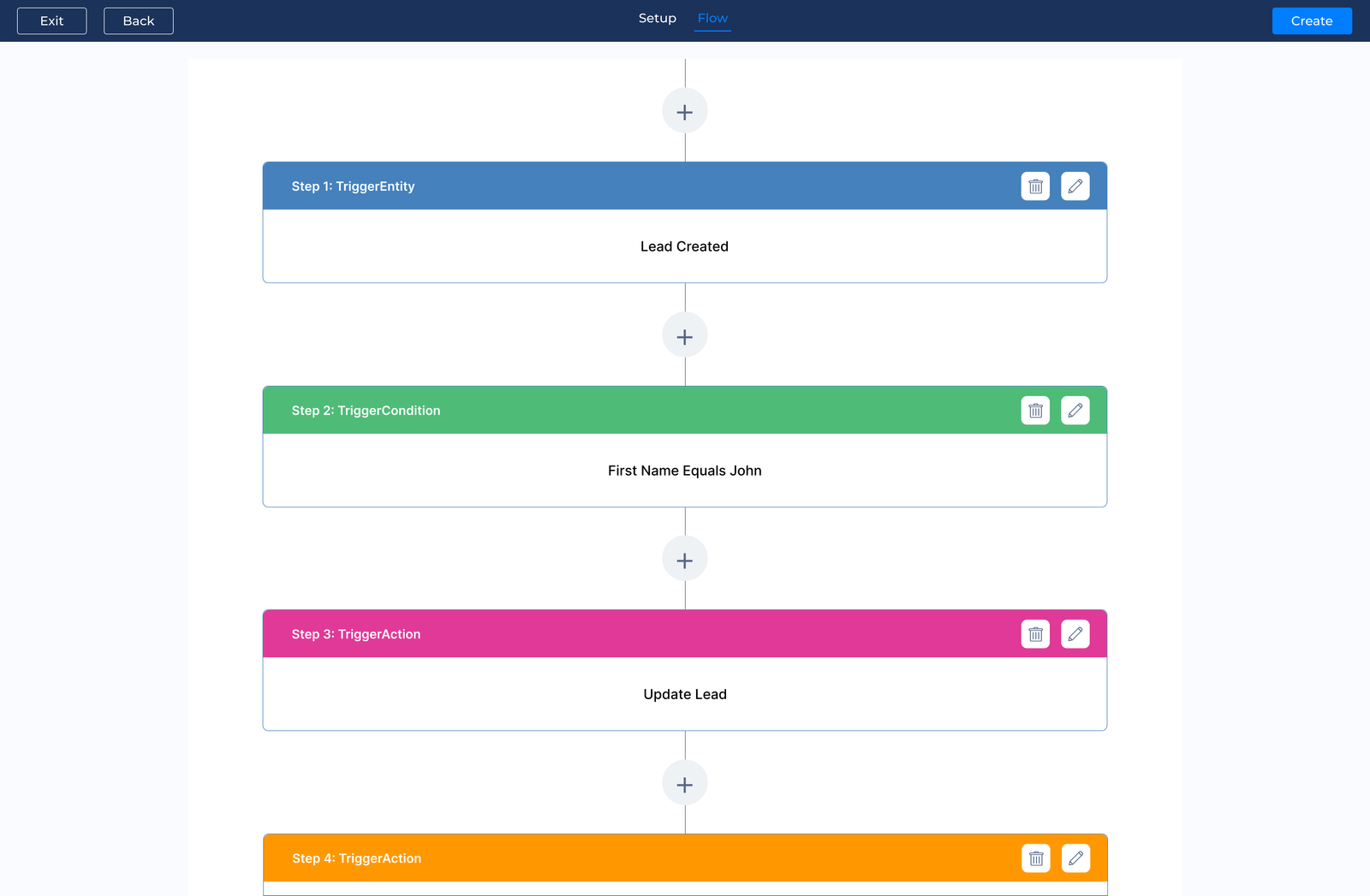
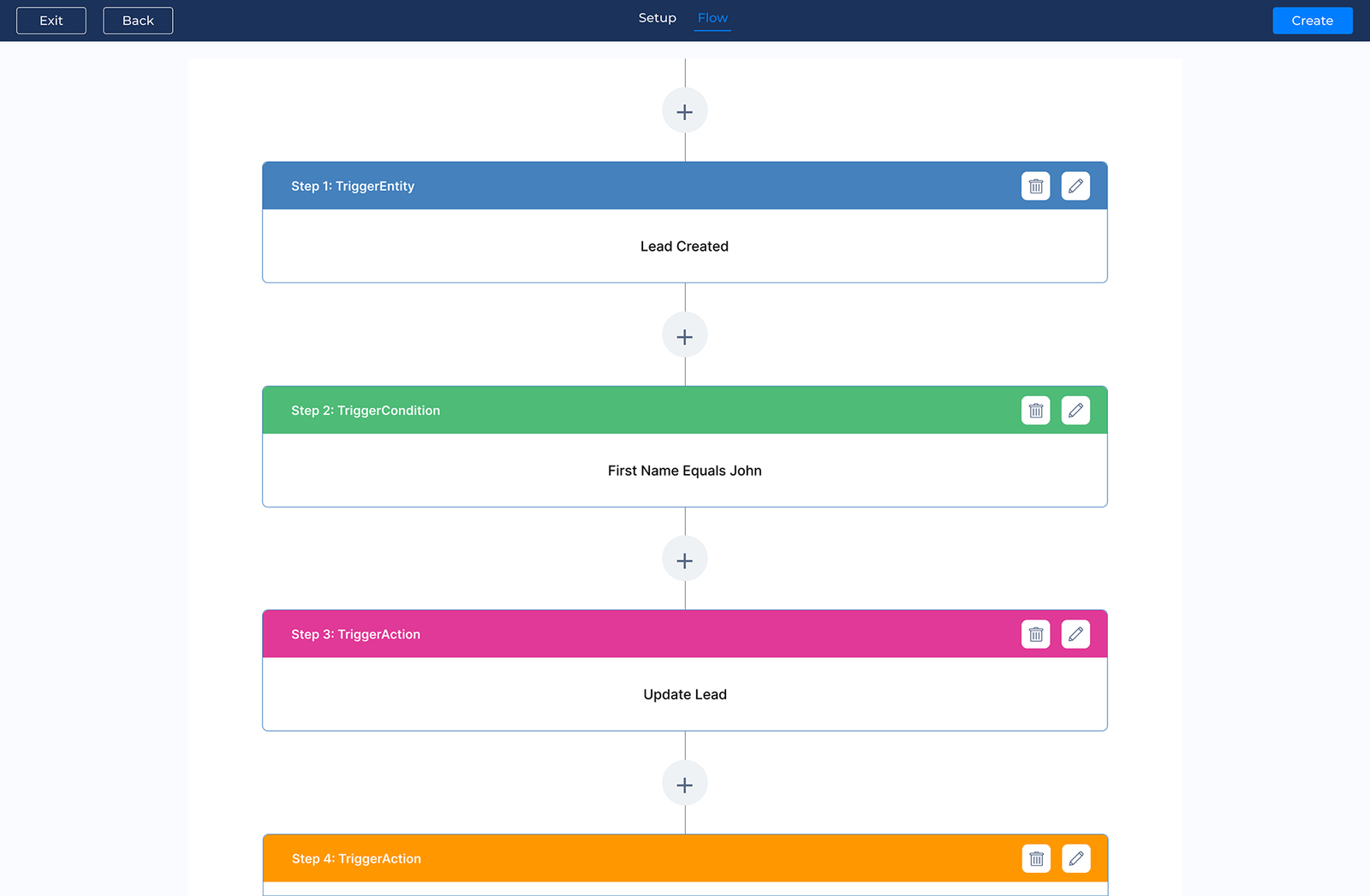
Veemo Sales Workflow

Veemo Sales stands out in the crowded field of sales automation software by offering an intuitive, user-friendly interface coupled with powerful AI-driven features. It’s built to address the entire sales lifecycle, from lead generation to closing deals and post-sale follow-ups. The platform’s adaptive algorithms learn from user interactions, continuously improving its performance and providing increasingly accurate insights over time.

Key features:

  • AI-powered lead scoring: Veemo’s advanced algorithms analyze multiple data points to automatically rank and prioritize leads.
  • Intelligent email sequencing: Creates personalized, automated email sequences that adapt based on recipient interactions, maximizing engagement.
  • Predictive analytics dashboard: Veemo offers real-time insights and forecasts through its interactive dashboard, helping sales managers make data-driven decisions.
  • Smart meeting scheduler: Automates the process of scheduling meetings, considering time zones, availability and past interactions to suggest optimal meeting times.

Pricing: The Growth plan costs $29/user/month with 3 inboxes, 1 knowledge base and omnichannel support. The Team plan is $69/user/month with 10 inboxes, 3 knowledge bases and a support widget. The Enterprise plan is $129/user/month with unlimited inboxes, a client portal and advanced asset management. Visit Veemo’s pricing page for more details.

2. Salesforce

Salesforce is a leading cloud-based customer relationship management (CRM) platform that offers comprehensive sales automation solutions. It provides businesses with a centralized system to manage customer interactions and analyze performance. Salesforce’s intuitive interface and customizable features make it suitable for ecommerce platforms.

Primary abilities of Salesforce include lead management, opportunity tracking and sales forecasting. Its USPs are its extensive ecosystem of third-party integrations, AI-powered insights through Einstein AI and highly scalable architecture. Salesforce also offers robust reporting tools, mobile accessibility and regular updates to keep pace with evolving business needs.

3. HubSpot Sales Hub

HubSpot stands out as a leading sales process automation software, offering a comprehensive platform that integrates marketing, sales and customer service functionalities. Its user-friendly interface and robust features make it suitable for businesses of all sizes, from startups to enterprise-level organizations.

HubSpot consists of lead scoring, email tracking, meeting scheduling and pipeline management. Its unique selling proposition lies in its all-in-one approach, providing a seamless experience across the entire customer journey. The platform’s extensive integration capabilities and powerful analytics tools further enhance its value proposition for businesses seeking to optimize their sales processes.

4. Zoho CRM

Zoho offers a comprehensive sales automation solution as part of its broader CRM suite. The platform integrates seamlessly with other Zoho applications, providing a unified ecosystem for businesses to manage their sales processes and marketing efforts. Its user-friendly interface and customizable workflows make it accessible to businesses of all sizes.

The solution offers sales process automation including contact management, pipeline visualization, email automation and advanced analytics. Its unique selling points are its affordability, extensive integration capabilities and AI-powered assistant Zia, which offers intelligent automation.

5. Pipedrive

Pipedrive is a leading sales automation software designed to streamline and optimize sales processes. It offers a user-friendly interface that helps sales teams manage their pipelines effectively, track deals and increase productivity. The platform provides real-time insights and analytics to support data-driven decision-making.

Pipedrive’s attributes are customizable sales pipelines, contact forms, email integration and mobile accessibility. Its unique selling proposition lies in its visual approach to sales management, allowing users to easily visualize their sales process.

Examples of Sales Automation

Check out the examples of sales automation to understand how businesses have leveraged automation to boost productivity, streamline workflows and enhance their sales performance.

1. Coca-cola

The beverage giant implemented sales automation to optimize its vending machine operations. They installed smart vending machines equipped with telemetry systems that automatically report sales data, inventory levels and machine status in real-time. The automation allowed Coca-Cola to refill machines more efficiently, reduce stockouts and even adjust pricing based on demand.

2. Amazon

Amazon’s use of sales process automation extends beyond its e-commerce platform.
The company implemented a fully automated checkout process in its ecommerce stores. Using a combination of computer vision, sensor fusion and deep learning, customers can simply walk out with their purchases. Their Amazon account is then automatically charged. The automation eliminates checkout lines, reduces labor costs and provides a seamless shopping experience.

3. Zoom

During its rapid growth phase, particularly accelerated by the COVID-19 pandemic, Zoom implemented sales automation to manage its expanding customer base efficiently. They used automated onboarding processes for new users, including welcome emails, tutorial videos and setup guides. The automation allowed Zoom to scale its operations without a proportional increase in support staff.

4. Zillow

The real estate marketplace uses sales automation to streamline interactions between home buyers, sellers and real estate agents. They automatically route leads to appropriate agents based on location, property type and other criteria. The system also uses automated follow-up sequences to keep potential buyers engaged throughout their home search process. The automation has helped Zillow increase its lead conversion rates and improve agent productivity.

Improve Sales Process with Automation

Improving the sales process with automation is not just a trend, but a necessity.
Companies can streamline repetitive tasks, enhance lead qualification, personalize customer interactions and make data-driven decisions by leveraging automation.

Automation allows sales teams to focus on high-value activities that require human touch, such as building relationships and closing complex deals. It also ensures consistency in follow-ups and customer communication, reducing the risk of missed opportunities. Automation enables businesses to respond quickly and provide personalized experiences at scale.

FAQs about Sales Automation

Sales automation streamlines and automates repetitive tasks in the sales process, saving time and reducing human error. It helps sales teams focus on building relationships and closing deals instead of administrative work. Businesses can easily boost their efficiency with features like lead scoring, email automation and CRM integration.

First choose a CRM system that offers sales process automation capabilities. Next, define the sales processes and set up automation rules within the CRM. Make sure to customize and test the customer service software to ensure they streamline sales processes effectively. Train the sales team on how to use the integrated system for optimal results.

Sales automation can boost sales productivity by streamlining repetitive tasks, freeing up more time for sales reps to focus on building relationships and closing deals. Sales teams can increase efficiency with automation tools handling lead nurturing, follow-ups and data entry. Implementing sales process automation can revolutionize the way sales teams operate and drive success.

Ecommerce businesses along with companies operating in SaaS and B2B industries benefit most from automated sales. Through automation, they can streamline their sales processes, increase efficiency and scale their operations effectively. Automated sales solutions help in lead generation, lead nurturing and closing deals.

While sales automation can streamline processes and increase efficiency, there are some downsides to consider. One potential downside is the risk of depersonalizing interactions with customers, leading to a loss of rapport. There may be limited customization options with automation tools, which could hinder the ability to tailor sales strategies to individual clients.