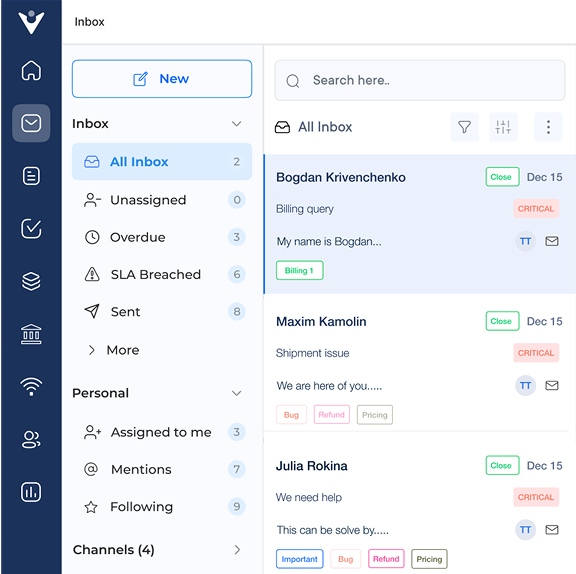
1. Contact Management
Reliable contact management is the cornerstone of any lead nurturing system. The feature allows businesses to centralize all prospect and customer information in one place. It typically includes contact details, interaction history and custom fields for specific data points.
2. Multi-Channel Lead Capture
Effective lead nurturing software provides multiple avenues for capturing leads across various touchpoints. It includes web forms, landing pages, social media integrations, email opt-ins and even offline sources. The system should seamlessly integrate the leads into the contact database.
3. Automated Lead Nurturing
Automation is crucial for scaling lead nurturing efforts. The feature enables businesses to create and execute personalized, trigger-based nurturing workflows. Based on lead behavior or characteristics, the system automatically sends relevant content, emails, or notifications to guide prospects through the sales funnel.
4. Lead Scoring & Routing
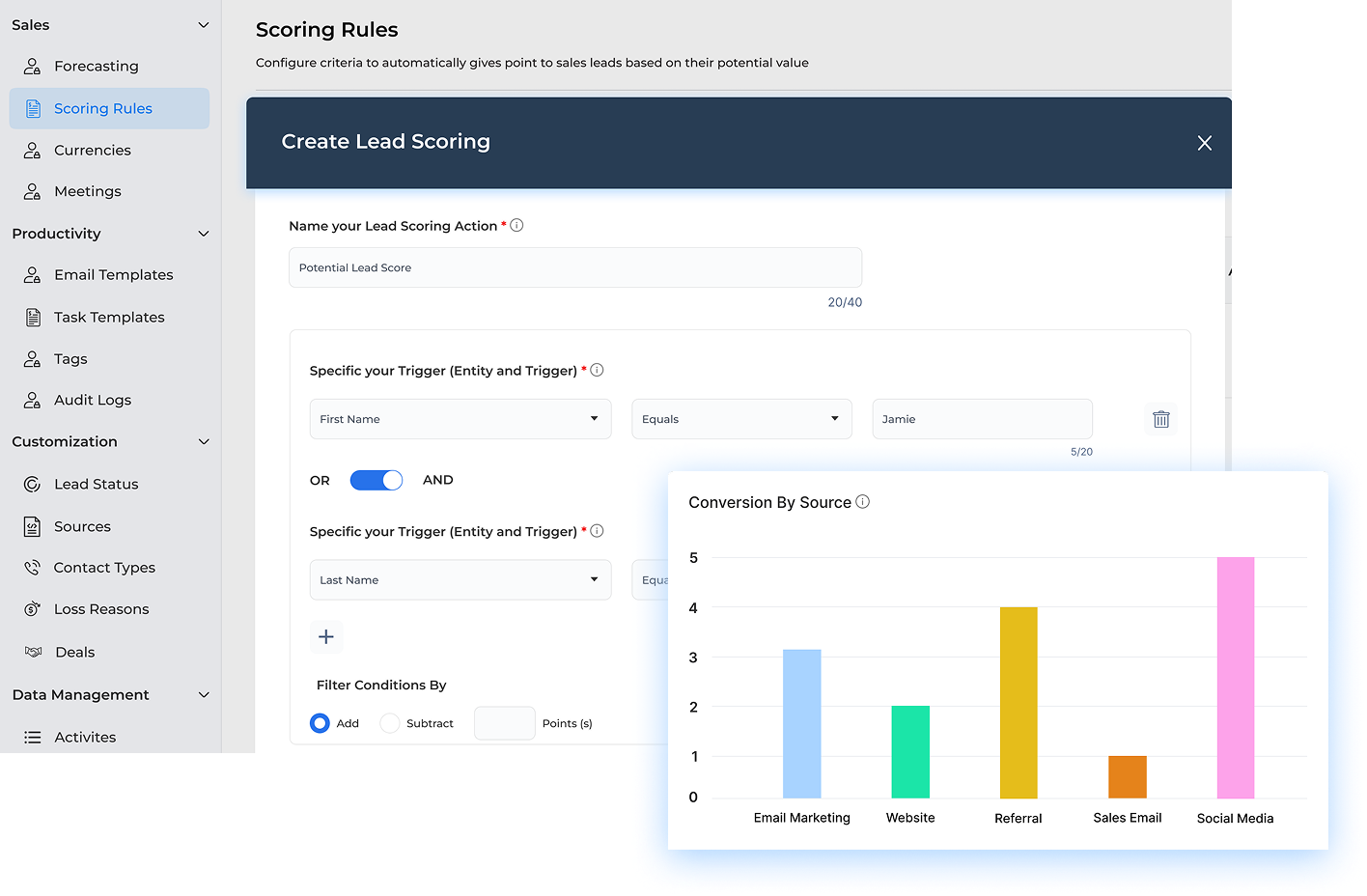
Lead scoring helps prioritize prospects based on their likelihood to convert. The software assigns points to leads based on demographic information, engagement levels and behavior. Lead routing then uses the score to automatically assign high-potential leads to the appropriate sales representatives, ensuring timely follow-up on the most promising opportunities.
5. Multichannel Campaign Management
Modern lead nurturing involves engaging prospects across multiple channels. The feature allows marketers to track campaigns across email, social media, SMS and other channels from a single platform. It ensures consistent messaging and allows for a cohesive nurturing strategy across all touchpoints.
6. Multi-channel Sequences
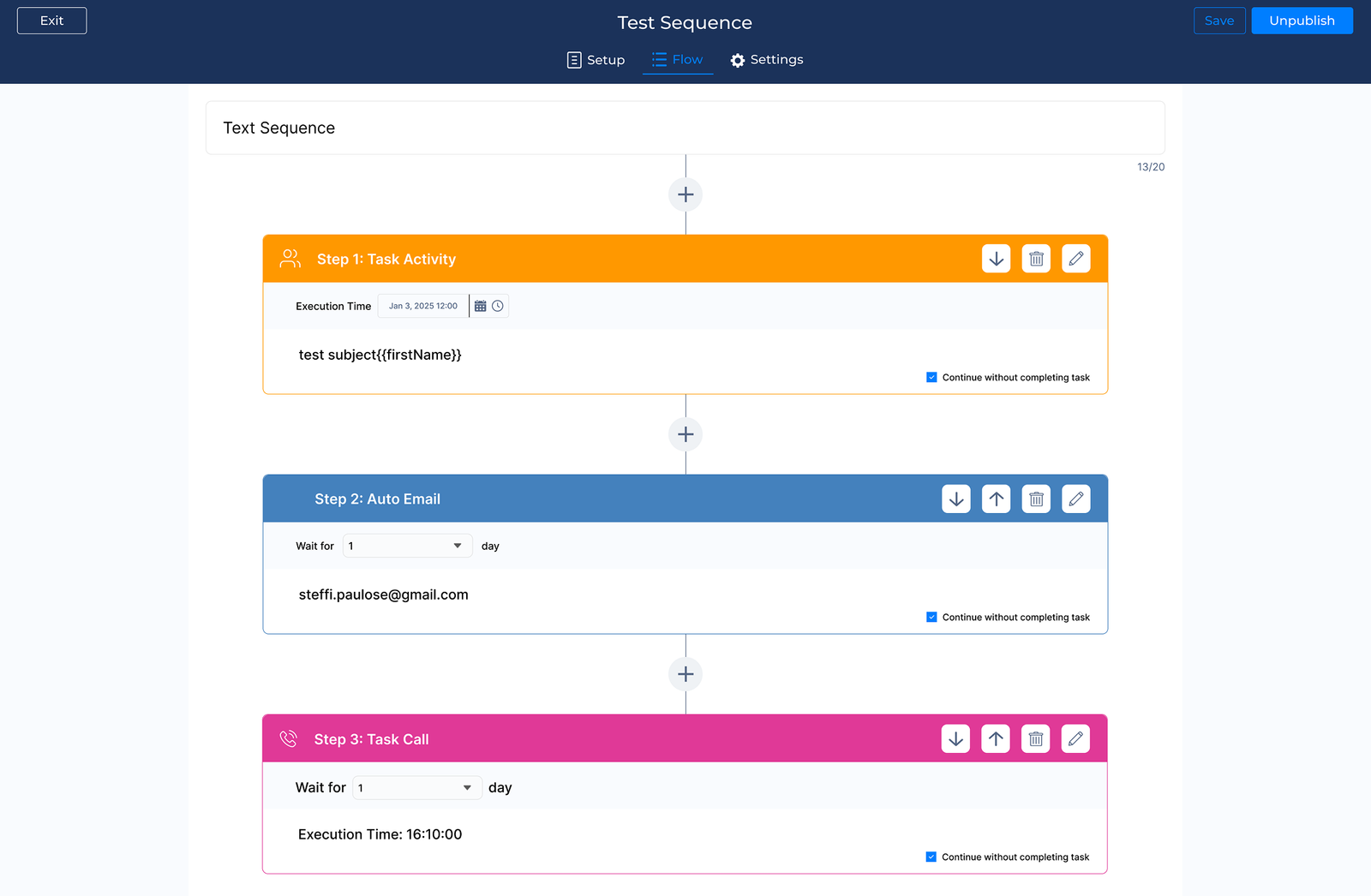
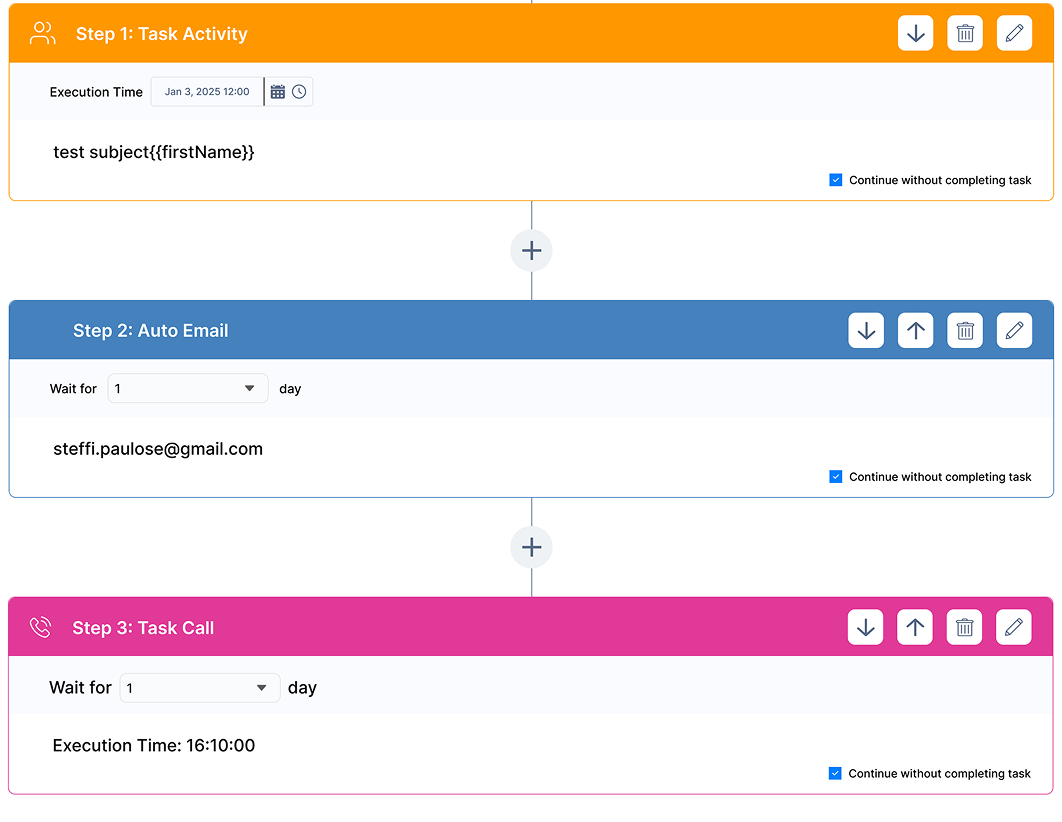
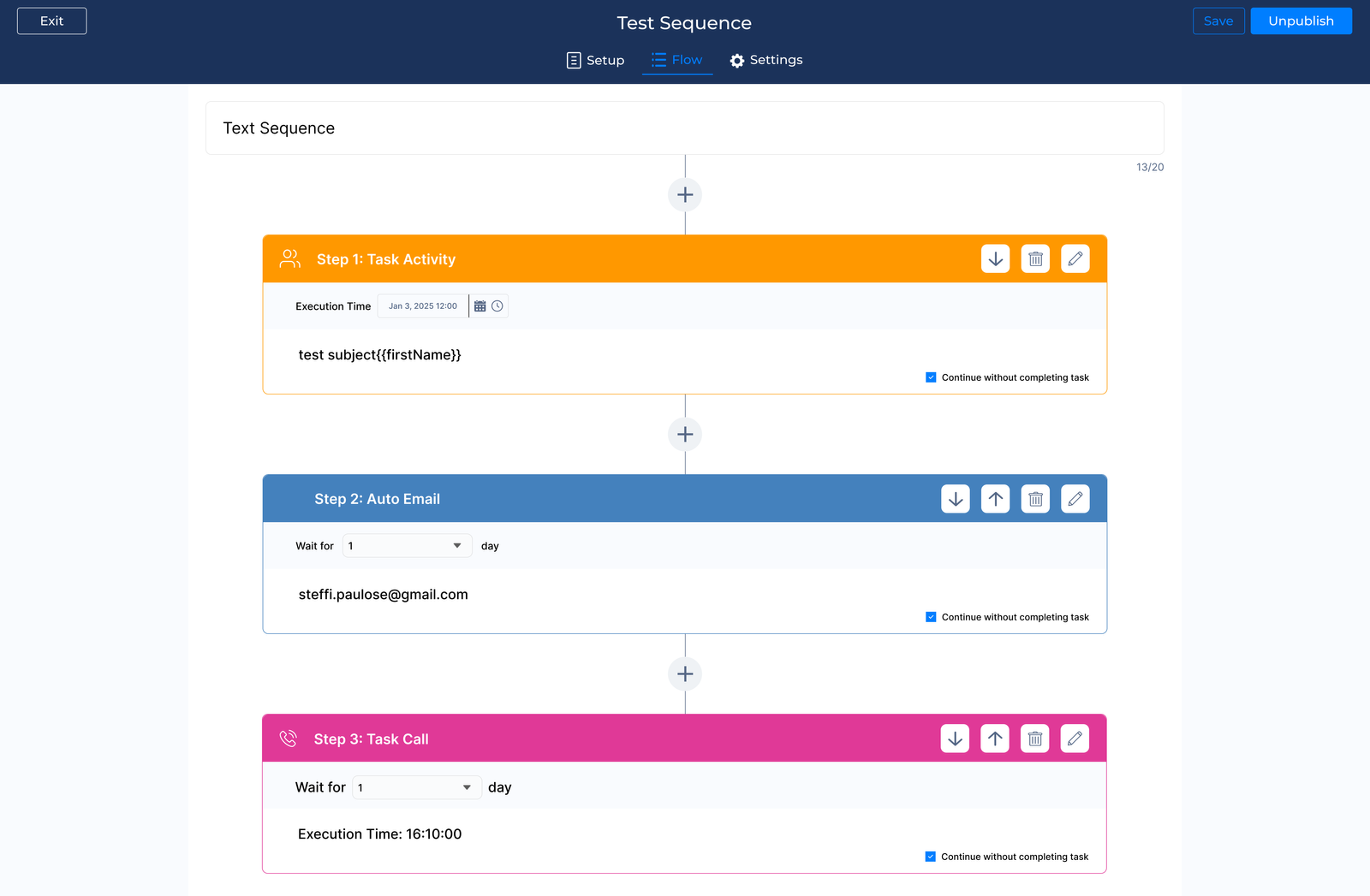
The feature allows for the creation of automated, multi-step nurturing sequences across various channels. Let’s consider that a sequence might start with an email, followed by a social media touch point, then a personalized SMS. The sequences can be tailored based on lead responses and behavior, ensuring relevant communication.
7. Sales Inbox
An integrated sales inbox consolidates all prospect communications in one place. It includes emails, social media messages and other interactions. It often comes with features like email tracking, templates and the ability to log calls or meetings directly from the inbox.