Define the Sales Objectives
Defining the sales objectives is a crucial step in effectively tracking sales. The process involves setting clear, measurable goals that align with the overall business objectives. Well-defined sales objectives provide direction, focus and motivation for the sales team, while also establishing benchmarks for performance evaluation.
When setting sales objectives, consider both quantitative metrics (e.g., revenue targets, number of new customers) and qualitative goals (e.g., improving customer satisfaction). Ensure the objectives are specific, achievable, relevant and time-bound (SMART). Aligning sales objectives with broader business goals ensures that sales efforts contribute directly to the company’s success.
Pro tips:
- Use data-driven insights to set realistic yet challenging targets.
- Regularly communicate objectives to all team members and stakeholders.
- Implement a robust tracking system to monitor progress and adjust strategies as needed.
Identify Key Performance Indicators (KPIs)
Identifying Key Performance Indicators (KPIs) is crucial for tracking sales effectively. KPIs provide measurable metrics that reflect a company’s sales performance and progress toward goals. They help businesses focus on what matters most, allowing for data-driven decision-making and resource allocation.
KPIs are used to monitor various aspects of sales, such as revenue growth, customer acquisition costs and conversion rates. They enable sales teams to identify trends, spot areas for improvement and celebrate successes. Implications of well-chosen KPIs include improved team alignment, increased accountability and more accurate forecasting.
Pro tips:
- Align KPIs with business objectives to ensure relevance and impact.
- Limit the number of KPIs to avoid overwhelming the team and diluting focus.
- Regularly adjust KPIs to reflect changing market conditions and business priorities.
Choose the Right Sales Tracking Tools
Choosing the right sales tracking tools is crucial for effectively monitoring and optimizing the sales process. It’s important because the tools provide valuable insights into sales performance, customer behavior and business health. They enable data-driven decision-making and help identify areas for improvement.
Use cases include tracking lead generation, conversion rates, revenue forecasting and team performance. Implications of proper tool selection include increased efficiency, better resource allocation and improved customer relationships.
Pro tips:
- Assess the specific needs and choose tools that align with the sales process.
- Ensure seamless integration with existing systems and provide thorough training for the team.
Establish a Standardized Data Collection Process
Establishing a standardized data collection process is crucial for effectively tracking sales. The process involves defining clear data entry protocols that all team members must follow, ensuring consistency across the organization. Businesses can minimize errors and maintain data integrity by implementing standardized procedures.
The approach enables accurate sales tracking, facilitating informed decision-making and strategy development. Organizations should implement quality control measures, such as regular audits and data validation checks to ensure data accuracy. The team can identify and correct discrepancies promptly, maintaining the reliability of sales data.
Pro tips:
- Develop a detailed data entry manual and conduct regular training sessions.
- Implement automated data validation tools to catch errors in real-time.
- Establish a regular audit schedule to review and clean data periodically.
Implement a Regular Reporting Schedule
Implementing a regular reporting schedule is crucial for tracking sales effectively. Establish a structured system of daily, weekly, monthly and quarterly reports to provide a detailed view of sales performance at different intervals. Daily reports offer immediate insights, while weekly reports highlight short-term trends.
Monthly reports provide a broader perspective and quarterly reports reveal long-term patterns towards goals. Automate reporting processes where possible to save time and ensure consistency. Utilize sales tracking software or CRM systems that can generate reports automatically, reducing manual effort. Sales teams can focus on analysis and action rather than data compilation.
Pro tips:
- Standardize report formats across all time frames for easy comparison and analysis.
- Assign clear ownership and deadlines for each report to ensure timely completion.
- Regularly review and refine report content to maintain relevance.
Analyze Sales Data
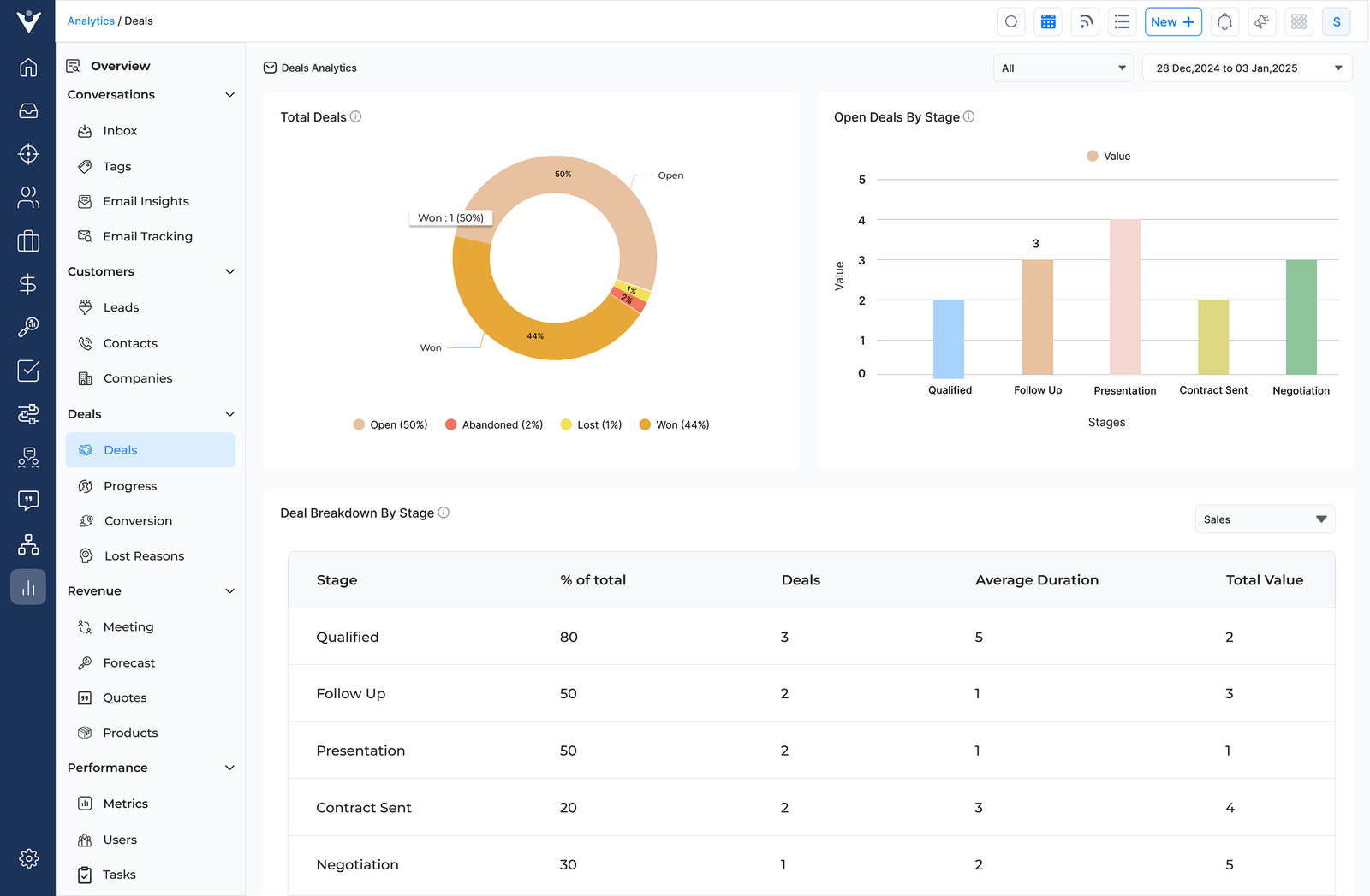
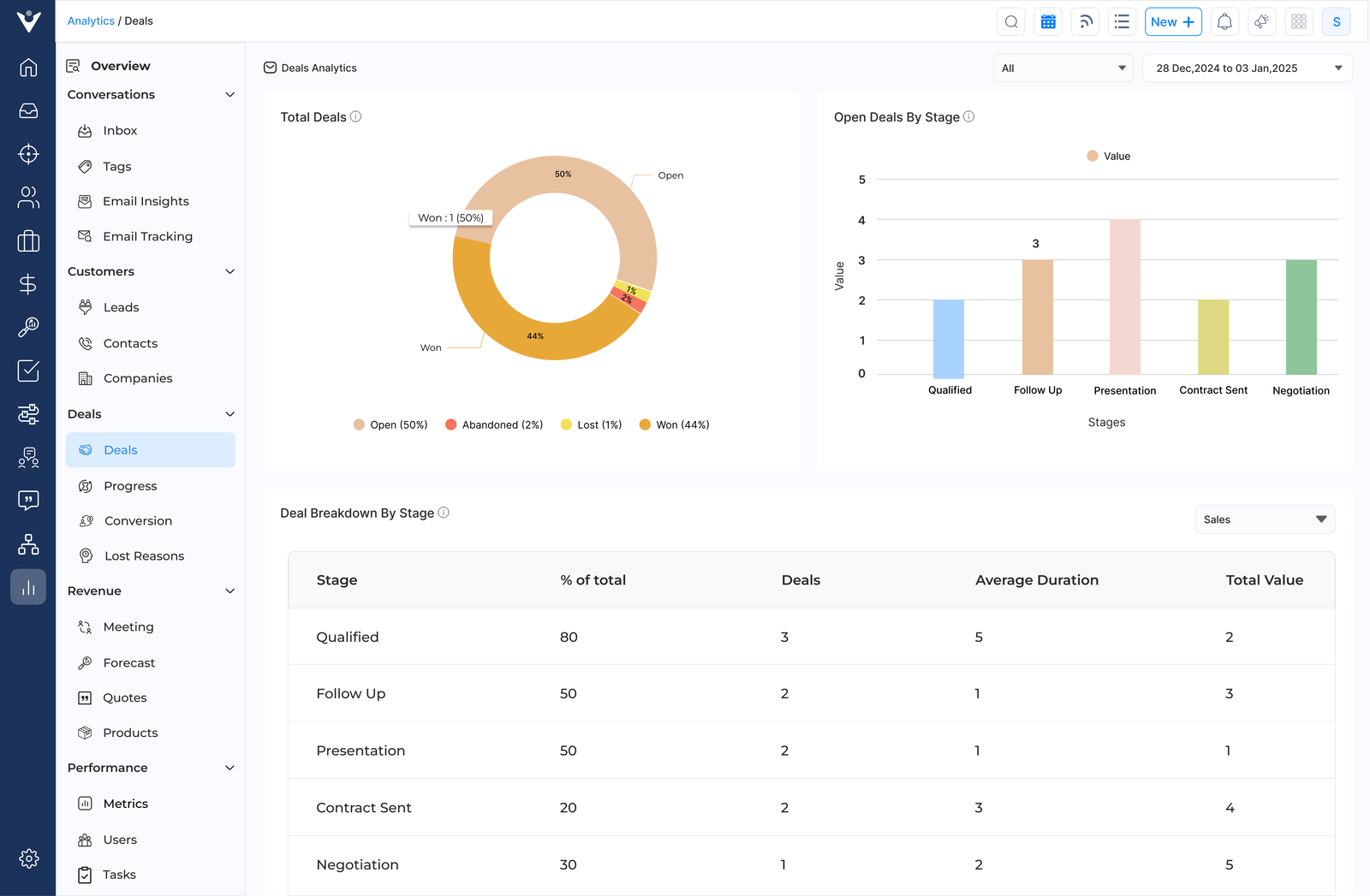
Analyzing sales data is crucial for tracking sales effectively. Businesses can make informed decisions, adjust strategies and optimize their sales processes by regularly analyzing sales data. Companies can capitalize on opportunities, address weaknesses and drive growth.
The analysis helps uncover seasonal fluctuations, popular products and customer preferences. Comparing performance against benchmarks allows companies to assess their progress relative to industry standards or internal goals.
Pro tips:
- Use data visualization tools to make complex sales data more accessible and easier to interpret.
- Implement a consistent data collection and analysis schedule to ensure timely insights.
- Integrate customer relationship management (CRM) data with sales figures for a more comprehensive view of sales performance.
Take Action Based on Insights
Taking action based on insights is a crucial step in tracking sales effectively. It transforms data analysis into tangible results, driving business growth and performance. Companies can adapt strategies, address weaknesses and capitalize on opportunities in real time by acting on gathered insights.
The approach has various use cases, including optimizing pricing strategies, refining marketing campaigns and improving customer retention. Businesses can make data-driven decisions, enhancing sales performance and customer satisfaction. The implications are far-reaching, potentially leading to increased revenue, market share and competitive advantage.
Pro tips:
- Establish a systematic process for reviewing and prioritizing insights regularly.
- Create cross-functional teams to ensure diverse perspectives when interpreting and acting on data.
- Implement a feedback loop to measure the impact of actions taken and refine strategies accordingly.
Continuously Refine the Sales Tracking Process
Continuously refining the tracking process is crucial for effective sales monitoring. The iterative approach ensures the methods remain relevant and efficient in a dynamic business environment. Regularly gather feedback from the sales team to identify pain points and areas for improvement in the current tracking system.
Their hands-on experience provides invaluable insights into what works and what doesn’t. Simultaneously, stay updated on industry best practices by attending conferences, workshops and networking events. Exposure to new ideas and technologies can help businesses adopt innovative tracking methods that enhance sales performance.
Pro tips:
- Schedule monthly review meetings to discuss tracking processes and gather team input.
- Implement A/B testing for new tracking methods before full-scale adoption.
- Invest in adaptable sales tracking software that can easily incorporate changes and updates.