1. Define the Objectives and KPIs
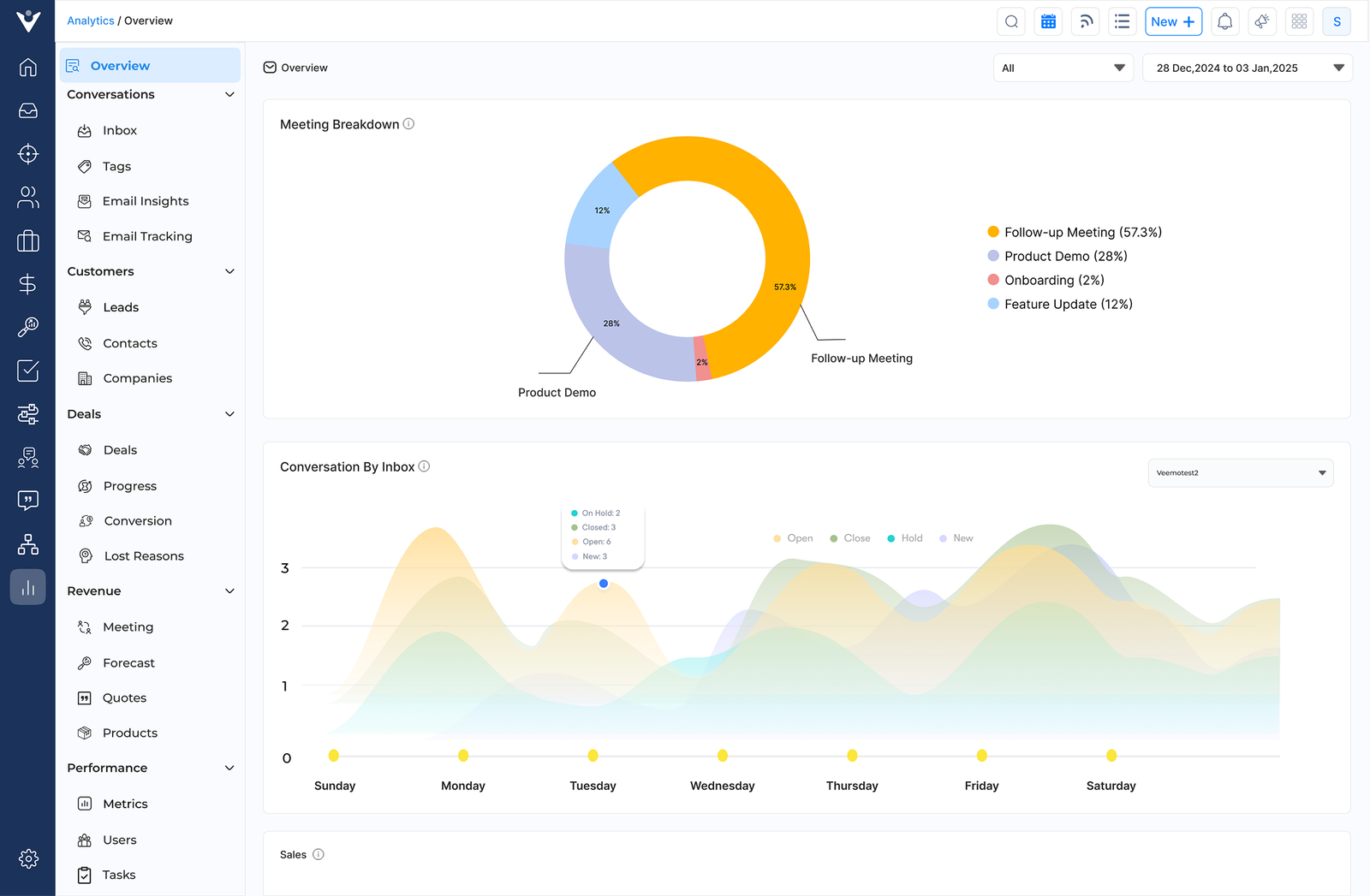
Defining objectives and KPIs is crucial when implementing a sales intelligence strategy. Start by identifying specific goals that align with the business strategy. The objectives might include increasing revenue, improving customer retention, or expanding into new markets. Establish measurable KPIs that will help track progress towards the objectives.
Ensure the objectives are SMART: Specific, Measurable, Achievable, Relevant and Time-bound. The approach will provide clear direction and allow for effective evaluation of the sales intelligence efforts. Remember that the objectives should support broader business goals and contribute to growth.
Pro tips:
- Involve key stakeholders from sales, marketing and leadership in defining objectives and KPIs.
- Use data-driven insights to set realistic targets and benchmark against industry standards.
- Regularly adjust objectives and KPIs based on performance or changing market conditions.
2. Assess the Current Data and Processes
Begin by evaluating existing data sources, including CRM systems, marketing databases and customer feedback channels. Examine the quality, completeness and relevance of this data to identify areas for improvement. Next, analyze the current sales processes, focusing on how information flows through the organization and where bottlenecks occur.
The assessment helps uncover inefficiencies and opportunities for optimization. Consider how the team currently uses data in decision-making and customer interactions. Identify pain points and areas where enhanced intelligence could drive better outcomes. Businesses can tailor their sales intelligence strategy to address specific needs by thoroughly understanding the current state.
Pro tips:
- Conduct a data audit to identify and prioritize high-value information sources.
- Map the sales process to pinpoint where intelligence can have the most significant impact.
- Involve key stakeholders early to gain buy-in and align the strategy with business goals.
3. Choose the Right Sales Intelligence Tools
Choosing the right sales intelligence tools is crucial for implementing an effective sales intelligence strategy. Start by thoroughly researching available sales intelligence platforms, considering factors such as data quality, integration capabilities and user-friendliness.
Evaluate the features of each tool, focusing on those that align with the specific sales objectives and processes.
Ensure compatibility with the existing systems to maximize efficiency and data flow. When assessing options, consider scalability, pricing and customer support. Look for tools that offer real-time updates, comprehensive contact information and predictive analytics. Seek platforms that provide insights into buyer behavior, company news and market trends to empower the sales team with actionable intelligence.
Pro tips:
- Provide comprehensive training to ensure team-wide adoption and proficiency
- Establish clear processes for data input and management to maintain accuracy
- Regularly review and optimize the use of the tool based on performance metrics
4. Clean and Organize Data
Clean and organized data is the foundation of an effective sales intelligence strategy. Implementing data cleansing processes ensures accuracy by removing duplicate entries, correcting errors and updating outdated information. Standardizing data formats across all systems facilitates seamless integration and analysis, enabling a unified view of customer information.
The step includes defining roles, setting data quality standards and implementing access controls. Businesses can create a robust data infrastructure that supports informed decision-making and targeted sales strategies by focusing on the key areas. Clean data enhances the accuracy of predictive analytics, improves customer segmentation and enables more precise targeting of sales efforts, driving better business outcomes.
Pro tips:
- Conduct regular data audits to identify and rectify inconsistencies.
- Implement automated data validation tools to catch errors in real-time.
- Train staff on data entry best practices and the importance of data quality.
5. Integrate Sales Intelligence with the CRM
Integrating sales intelligence with the existing system is a crucial step in implementing a market intelligence strategy. The process involves seamlessly merging sales data and insights with the current CRM or sales management platform.
Businesses create a unified view of customer interactions, preferences and behavior by ensuring a smooth data flow between systems. Customizing the integration to align with the specific sales workflows enhances efficiency and user adoption. The tailored approach allows sales teams to access relevant intelligence at the right moments in their process.
Pro tips:
- Map data fields carefully to ensure accurate information transfer between systems.
- Implement gradually, starting with a pilot group to identify and address issues early.
- Establish clear metrics to measure the integration’s impact on sales performance.
6. Train the Sales Team
Training the sales team is a crucial step in implementing a successful sales strategy. Developing comprehensive training ensures that the team understands the importance of data-driven decision-making and how to leverage market intelligence tools. The programs should cover topics such as data analysis, customer profiling and predictive modeling.
Educating the team on sales intelligence best practices helps them stay up-to-date with the latest trends and techniques in the field. It includes teaching them how to interpret data, identify key insights and apply those insights to improve sales performance.
Pro tips:
- Use real-world case studies to demonstrate the practical applications of sales intelligence.
- Incorporate hands-on exercises with actual sales intelligence tools to build familiarity and confidence.
- Establish a mentorship program pairing experienced team members with newcomers to facilitate ongoing learning and support.
7. Monitor, Analyze and Optimize
Regularly monitoring, analyzing and optimizing performance is crucial to implement a sales intelligence strategy effectively. The process involves consistently analyzing sales data, customer interactions and market trends to gain actionable insights. Sales teams can identify areas for improvement and make data-driven decisions by examining KPIs.
Continuous refinement and improvement of the strategy is essential. The step involves adapting to changing market conditions, customer preferences and competitive landscapes. Sales teams should be agile and ready to adjust their approach based on the insights gleaned from data analysis.
Pro tips:
- Set clear, measurable KPIs aligned with overall business objectives
- Invest in robust data analytics tools and train staff to interpret results accurately
- Establish a feedback loop to quickly implement insights and measure their impact