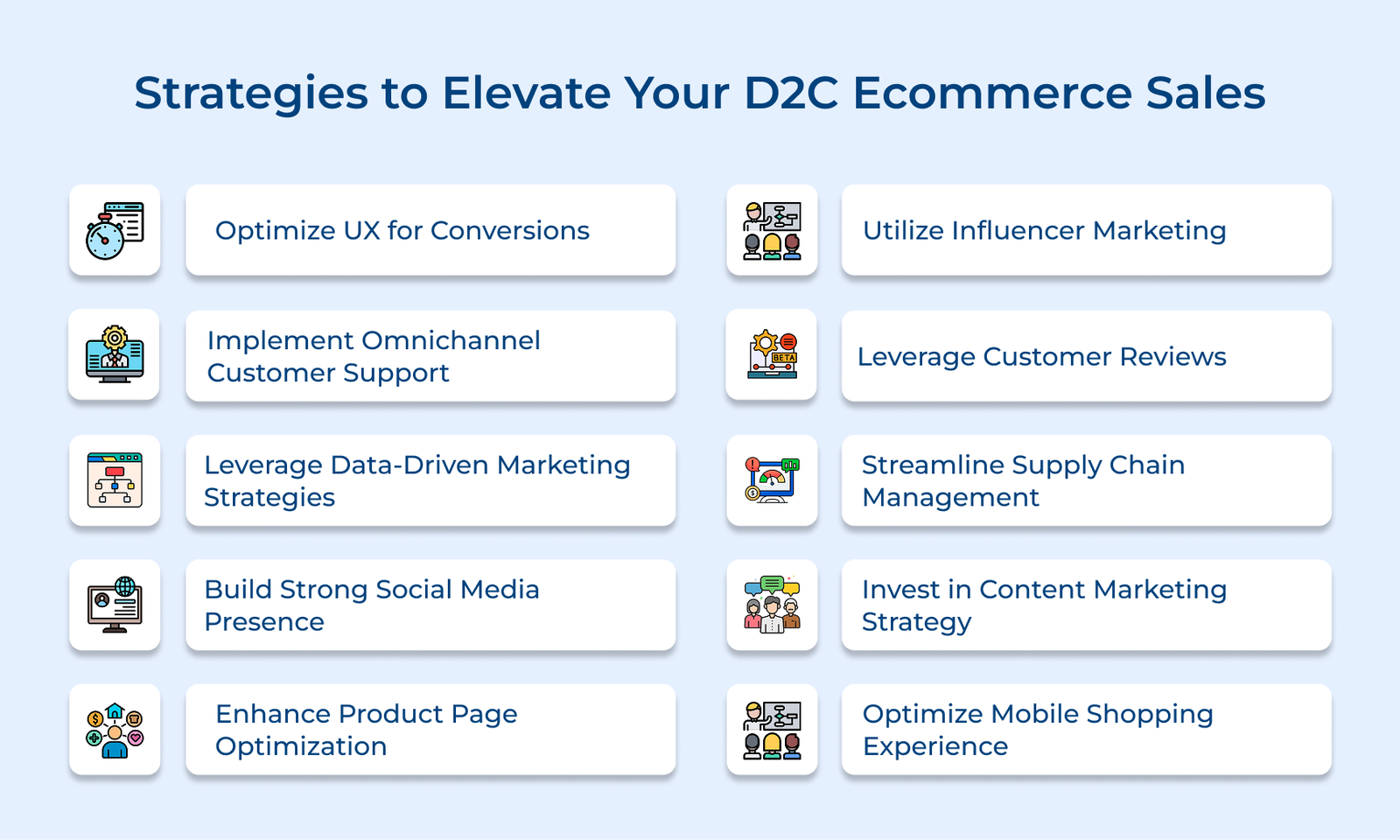
1. Optimize User Experience for Conversions
User experience plays a pivotal role in boosting conversion rates and revenue. Even a one-second delay in page load time can lead to significant losses. A well-designed user interface could raise your website’s conversion rate by up to 200%. Start with intuitive navigation and a simplified checkout process. Implement clear categories, breadcrumb navigation and reduce form fields to create a frictionless purchase journey.
Advanced optimization includes improving site speed and mobile responsiveness. Leverage CDN solutions, optimize images and use lazy loading for faster load times. Adopting a mobile-first design ensures consistency across devices.
Actionable tips:
- Use heatmaps to identify user behavior and optimize key pages.
- Implement exit-intent popups with targeted offers to recover lost sales.
2. Implement Omni-Channel Customer Support
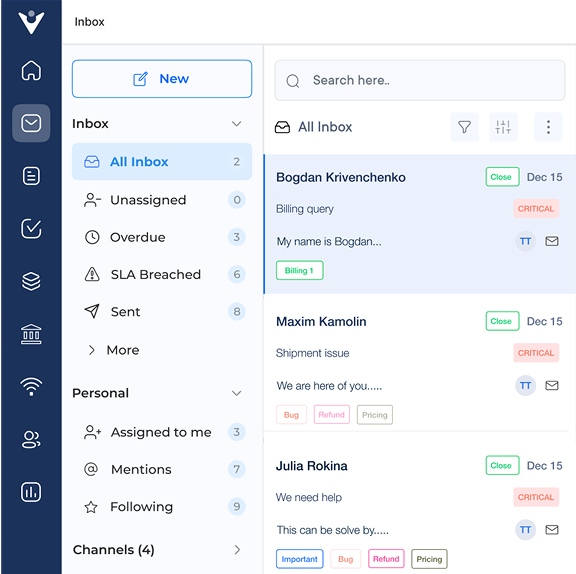
Modern consumers demand instant, seamless support across multiple channels. An integrated support system ensures consistency, reduces response times and enhances trust through self-service options. Start by deploying AI-powered chatbots to handle routine queries and provide 24/7 support. Integrate the chatbots with your CRM to retain context and customer history.
Assume there’s a D2C wellness brand. They implemented a system where customers could start a conversation on Instagram, continue via email and resolve it through live chat, with all interactions stored for personalized service.
Pro tips:
- Design dynamic chatbot flows based on common queries and user behavior.
- Set up a ticket categorization system to prioritize and route queries efficiently.
3. Leverage Data-Driven Marketing Strategies
Data-driven marketing enables brands to craft personalized experiences and make informed decisions. Businesses can optimize campaigns, manage inventory and forecast trends for higher ROI by analyzing customer behavior. Start by implementing analytics tools to track customer behavior, purchase patterns, and engagement.
Use predictive analytics for inventory and demand forecasting for advanced strategies. AI- tools analyze historical data, trends and market indicators to maintain optimal stock levels.
Best practices:
- Predict demand and optimize inventory based on regional preferences.
- Identify at-risk customers and design targeted campaigns with personalized offers.
4. Build Strong Social Media Presence
Social media is essential for D2C brands to connect with customers, boost brand awareness and drive sales. A strong presence enhances authentic relationships and provides valuable engagement opportunities. Engage with followers through comments, stories and live sessions. Use social commerce features like shoppable posts and in-app checkout to streamline purchases.
Build a community strategy that encourages user-generated content and enhances meaningful interactions. Monitor brand mentions, respond promptly and offer exclusive deals to enhance engagement.
Actionable tips:
- Create a content calendar balancing promotional and educational posts to keep followers engaged.
- Use social listening tools to track brand mentions and competitor activity for actionable insights.
5. Enhance Product Page Optimization
Product pages are key to driving conversions and reducing returns. Well-optimized pages provide essential details, set clear expectations and enhance customer confidence in their purchase decisions. Start with high-quality visuals, including professional photos, 360-degree views and demo videos. Showcase products from multiple angles and provide context shots for better scale.
Craft product descriptions that balance SEO with user value, including detailed specifications, sizing info and use cases while seamlessly integrating keywords. Add filtering, faceted search, and product comparison tools to help customers quickly find what they need.
Pro tips:
- Fashion product pages: Include size guides, fit suggestions and style pairings to boost average order value.
- Tech product display: Add interactive demos and comparison tools to highlight unique features.
6. Utilize Influencer Marketing
Influencer marketing builds trust and extends brand reach by tapping into authentic voices that resonate with target audiences. It creates social proof and drives relatable content. Start by choosing influencers whose audience matches your target market, prioritizing engagement rates over follower count.
Track campaign performance using unique discount codes, custom landing pages and UTM parameters to accurately measure sales. Regularly assess ROI to refine and improve future campaigns.
Best practices:
- Product launch: Collaborate with micro-influencers for authentic unboxing and first-impression videos to generate trust.
- Seasonal push: Coordinate with multiple influencers for a synchronized content release to maximize impact and reach.
7. Leverage Customer Reviews
Customer reviews are a powerful form of social proof, influencing purchasing decisions and building trust. Studies show that most consumers read multiple reviews before buying. Set up an automated system to collect reviews at optimal times post-purchase, offering incentives like loyalty points or discounts for verified feedback.
Develop a structured approach to review management. Train customer service teams to professionally address both positive and negative feedback, showing active engagement. Use insights to enhance products, services and customer experience.
Actionable tips:
- Automate review reminders at key intervals (3 days, 7 days, 2 weeks).
- Track sentiment trends with a review analysis dashboard to spot common patterns.
8. Streamline Supply Chain Management
Efficient supply chain management is key to customer satisfaction, cost control and brand reputation, especially in the D2C space where brands manage fulfillment directly. Start by integrating an inventory management system that offers real-time visibility across all locations and sales channels.
Streamline returns with clear policies and automated authorization systems, while real-time tracking keeps customers informed, reducing support inquiries.
Pro tips:
- Peak season planning: Automate inventory alerts and offer flexible fulfillment to handle high-demand periods.
- International expansion: Set up localized fulfillment centers for seamless cross-border operations.
9. Invest in Content Marketing Strategy
Content marketing builds brand authority, boosts organic traffic and nurtures customer relationships across the buying journey. It’s key to educating customers, enhancing SEO and creating touchpoints for engagement. Start by crafting a comprehensive strategy with informative blogs, buying guides and product tutorials.
Develop engaging videos that highlight product features, usage tips and behind-the-scenes moments. Use a multi-channel approach to maximize reach and regularly audit content to identify performance gaps.
Actionable tips:
- Tailor content to specific stages of the customer journey to drive engagement and conversion.
- Track content performance with clear KPIs for each type and channel.
10. Optimize Mobile Shopping Experience
As mobile commerce continues to grow, optimizing the mobile shopping experience is essential for boosting conversions, customer satisfaction and brand perception. Focus on a responsive design that adapts seamlessly to various screen sizes and devices. Ensure features like browsing and checkout are optimized for touch interactions or smaller screens.
Develop mobile-first payment solutions, integrating popular payment methods and digital wallets. Leverage progressive web apps (PWA) technology for a fast, app-like experience with offline functionality and smooth web access.
Pro tips:
- One-click purchase: Enable quick purchases by saving payment methods and shipping details for returning customers.
- Location-based features: Use mobile capabilities for store finders, local inventory checks and personalized recommendations.
Common D2C eCommerce Mistakes That Can Hinder Your Growth
Check out some of the most common mistakes that D2C businesses make and understand how to prevent them.