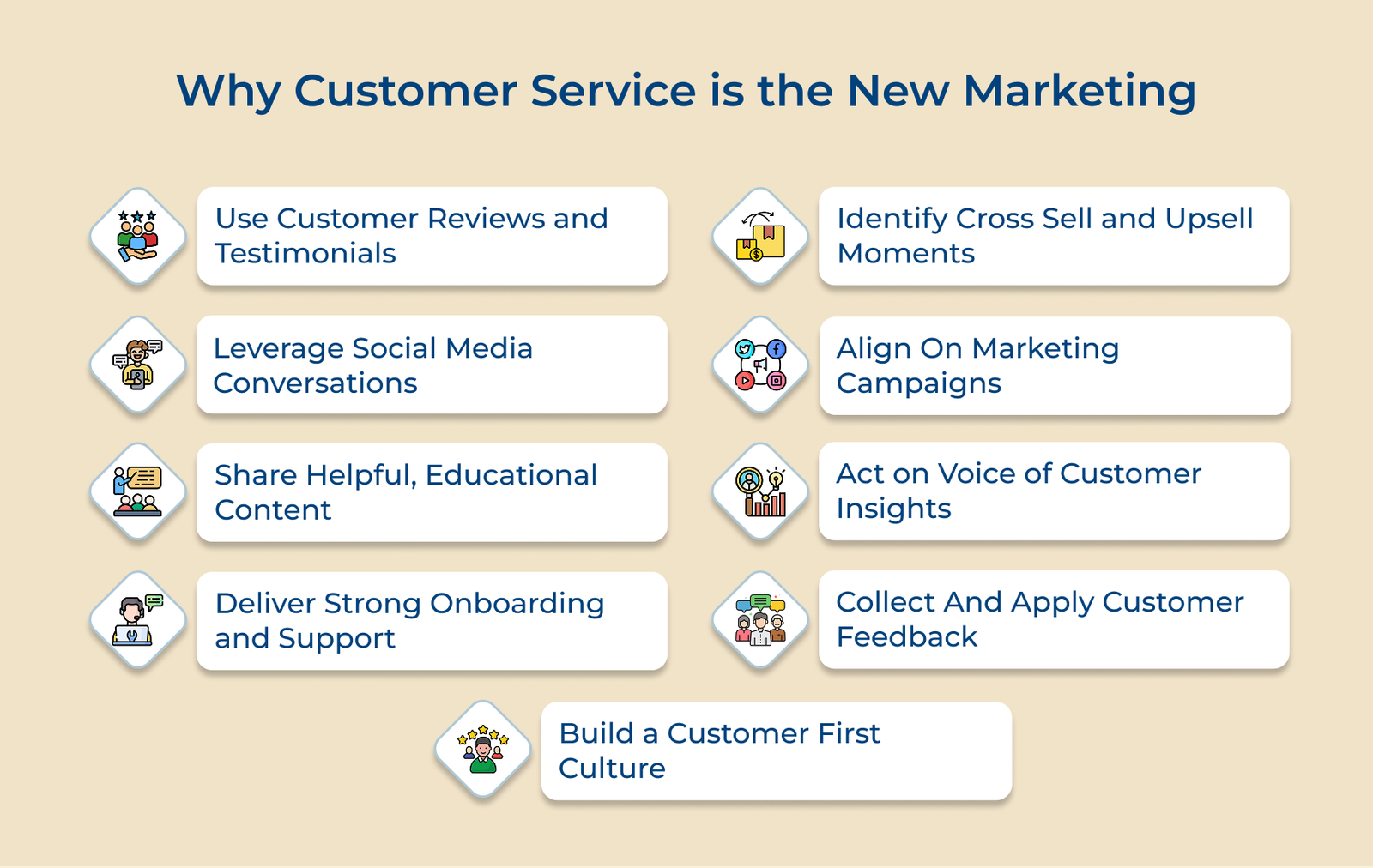
1. Leverage Customer Testimonials and Reviews
Trust and social proof are paramount for businesses across all industries now. If they’re not there, businesses can find it extremely hard to attract or retain customers. The positive testimonials and reviews serve as compelling endorsements for businesses. They work to boost your brand’s reputation and credibility.
When you showcase testimonials on your website and marketing materials, you effectively show how you deliver the positive experiences your customers have had. These real-life success stories resonate deeply with prospective customers and promote a sense of confidence in your offerings.
Best practices:
- Actively solicit feedback and testimonials: Encourage your current customers to share their experiences by offering incentives or providing easy-to-use feedback forms. Make it a seamless process for them to contribute their testimonials.
- Leverage multiple platforms: Apart from your website, actively showcase reviews on popular third-party review sites, social media platforms and industry-specific directories.
- Incorporate multimedia elements: Visual elements like videos, images, or even audio clips can add depth and authenticity to your testimonials to create a more powerful emotional connection.
2. Harness the Power of Social Media
Highlighting positive customer interactions and testimonials on social media can prove to be a really powerful marketing tool. Being authentic, first-hand accounts of great service experience, they can resonate with your audience and build trust in your brand like no other tool.
Encouraging satisfied customers to share their experiences and create user-generated content (UGC) on social media amplifies your marketing reach. UGC carries significant credibility and as a result, can inspire potential customers to engage with your brand.
One real-life example of a company effectively using social media for customer service is Delta Airlines. They have a dedicated team that monitors their social media channels, which helps them in promptly addressing customer inquiries and complaints.
Best practices:
- Monitor and respond promptly: Establish a robust social media monitoring system that will help you promptly identify and respond to customer feedback. Providing timely responses shows you are committed to providing excellent customer service.
- Encourage and amplify positive reviews: Actively encourage your customers to share their positive experiences on social media platforms. Make sure you play your part then by resharing, reposting or highlighting these engagements.
3. Create Educational and Helpful Content
Customer service interactions reveal what your customers are really thinking – their questions, frustrations and needs. When businesses use these insights to create clear, helpful content, they not only solve real problems but also build trust and authority over time.
The balance of practical and informative content, such as how-to guides, tutorials or even the frequently asked questions (FAQs), can empower customers to better utilize the offerings. The proactive approach to addressing customer needs is well-known for improving overall satisfaction and reducing the burden on customer service teams.
Best practices:
- Leverage customer service insights: Regularly analyze customer feedback and support interactions to identify knowledge gaps. Use the insights to refine your content strategy and showcase your domain expertise.
- Collaborate with subject matter experts: Involve customer support teams, product specialists and industry experts in the content creation process. Their first-hand knowledge and experience will play a huge role in ensuring your content has enough depth.
- Optimize for discoverability: Utilize search engine optimization (SEO) techniques, keyword research and strategic distribution channels to ensure your target audience can easily discover your educational content.
4. Offer Exceptional Onboarding and Support
A well-designed onboarding process can ensure customers understand how to effectively use your solutions from the outset. It helps to reduce frustration and sets the foundation for a positive long-term relationship with your brand.
Offering accessible support options like live chat, email, or a self-service portal shows customers you’re responsive and reliable. When you resolve issues quickly, it builds trust and encourages them to stick around.
One real-life example of exceptional onboarding and support as a marketing tool is Apple’s Genius Bar. When customers purchase Apple products, they get access to the Genius Bar for personalized assistance with setup, troubleshooting and any other issues they may encounter. Providing such support helps to create a great user experience and strengthens the customer’s connection to the Apple brand.
Best practices:
- Develop a customer-centric onboarding process: Design your onboarding process to provide clear guidance, resources and personalized assistance to ensure a smoother learning experience.
- Continuously gather and act on customer feedback: Regularly solicit feedback from customers about their onboarding process to improve the user experience and create product stickiness.
5. Leverage Cross-Selling and Upselling Opportunities
Customer service reps understand what customers want and what they’ve already bought. The deep insight allows them to suggest relevant solutions or upgrades that directly address the customer’s needs.