1. Implement Smart Routing Technology Solutions
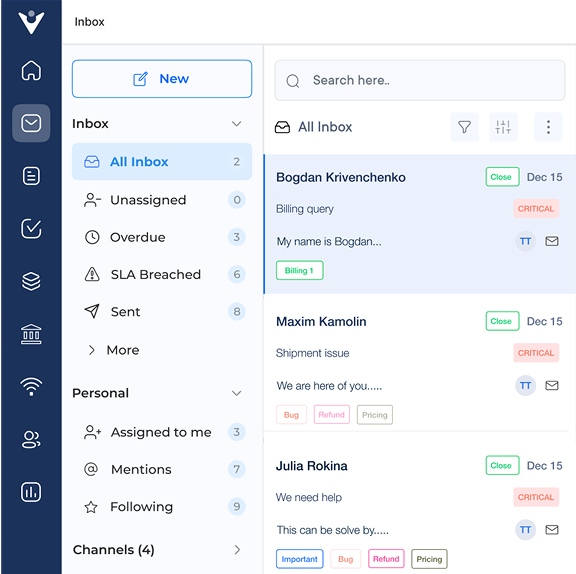
Smart routing technologies move beyond basic queuing to intelligently direct customer inquiries based on multiple factors simultaneously. The approach is vital as customers expect personalized service and businesses strive to use their support resources efficiently.
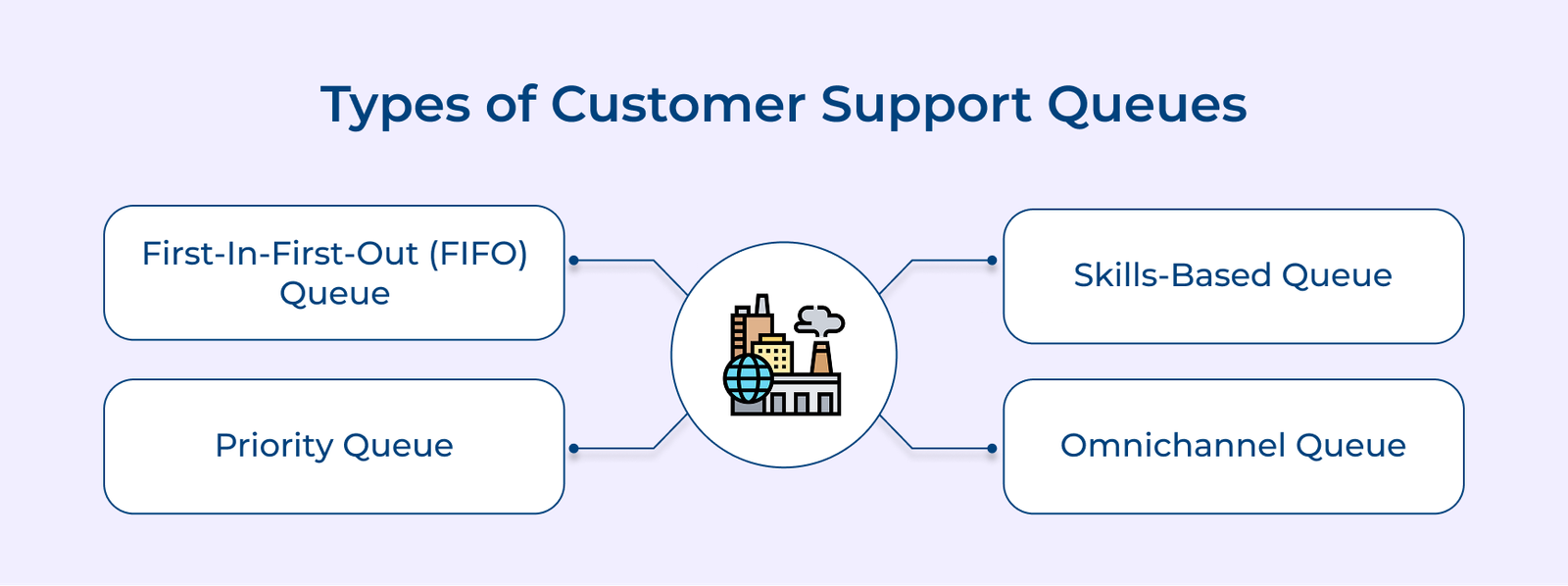
Develop an AI-powered Initial Sorting
AI-powered sorting analyzes incoming requests using natural language processing to automatically detect issue types, sentiment and urgency levels. The technology spots keywords, sorts issues and detects signs of frustration, flagging customers who need quick help, all without human input.
Create Specialized Customer Paths
Specialized paths establish predetermined routes through your queue system for common scenarios like billing questions, technical support or returns processing. Instead of handling all inquiries the same, dedicated pathways connect customers to trained agents and follow tailored processes suited to each issue.
Build Channel-specific Handling Protocols
Channel-specific protocols use each method’s strengths. Chat for multitasking, email for records and phone for a personal touch. It is done while keeping service and response consistent across all channels.
2. Set Realistic Customer Wait Expectations
Setting realistic wait expectations transforms the queuing experience from an anxiety-producing black box into a transparent process customers can understand and accept. The strategy recognizes that unexpected or unclear waits feel longer and more frustrating than those we expect.
Provide Real-time Position Updates
Real-time position updates keep customers informed about their current place in line and how it’s changing, replacing uncertainty with concrete information. Regular updates like position numbers, progress bars or wait time estimates help customers feel progress and control during what might otherwise feel like endless waiting.
Communicate Anticipated Resolution Timeframes
Resolution timeframes set appropriate expectations not just for wait times but for how long the actual problem-solving might take. Explaining that a password reset takes about five minutes while technical issues may take thirty helps customers set realistic expectations and decide if the wait matches their needs.
Offer Alternate Contact Options
Alternate contact options empower customers when queue volumes exceed normal capacity or their issue isn’t time-sensitive. Offering callbacks, email or appointments lets customers choose what fits their needs and helps ease queue congestion.
3. Train Staff For Queue Efficiency
Comprehensive training transforms agents from passive queue participants into active queue managers who can strategically handle volume fluctuations. Without proper training, even the best queue systems fall short as agents struggle to classify issues, estimate resolution times or handle complex situations. The training programs include:
- Technical skill development: Provides agents with solid product knowledge and troubleshooting skills, helping them solve issues quickly without unnecessary escalations that slow down the queue.
- Soft skills enhancement: Focuses on communication, empathy and calming skills that help agents set realistic wait-time expectations, keeping interactions positive, even during busy times.
- Workflow optimization training: Teaches agents to multitask, prioritize cases and use queue tools to decide which issues need immediate attention while which can wait.
- Cross-department knowledge building: Helps agents grasp how different departments connect, enabling them to handle cross-department questions without passing customers through multiple queues.
A telecom team ran a two-week deep dive on queue management and saw real movement. Average handle times dropped 23 percent and customer satisfaction went up. Agents walked away with sharper judgment on what to tackle first, so the queue moved faster while the quality stayed steady.
4. Analyze Queue Data For Improvement
Queue data analysis transforms raw operational metrics into actionable insights about service patterns, bottlenecks and customer behaviors. An analytical approach is essential because intuition and guesswork miss the deeper issues causing ongoing queue problems, overlooking chances to improve the system.
Queue analytics can reshape your entire customer service operation by revealing hidden patterns in how issues flow through your system. Tracking handle times, transfer rates, and resolution success helps make data-driven decisions. The decisions are made on staffing, training and processes instead of relying on guesswork.
Best practices:
- Review how different customer groups are treated to see if your most valuable ones get the attention they need, then adjust routing to match your business goals.
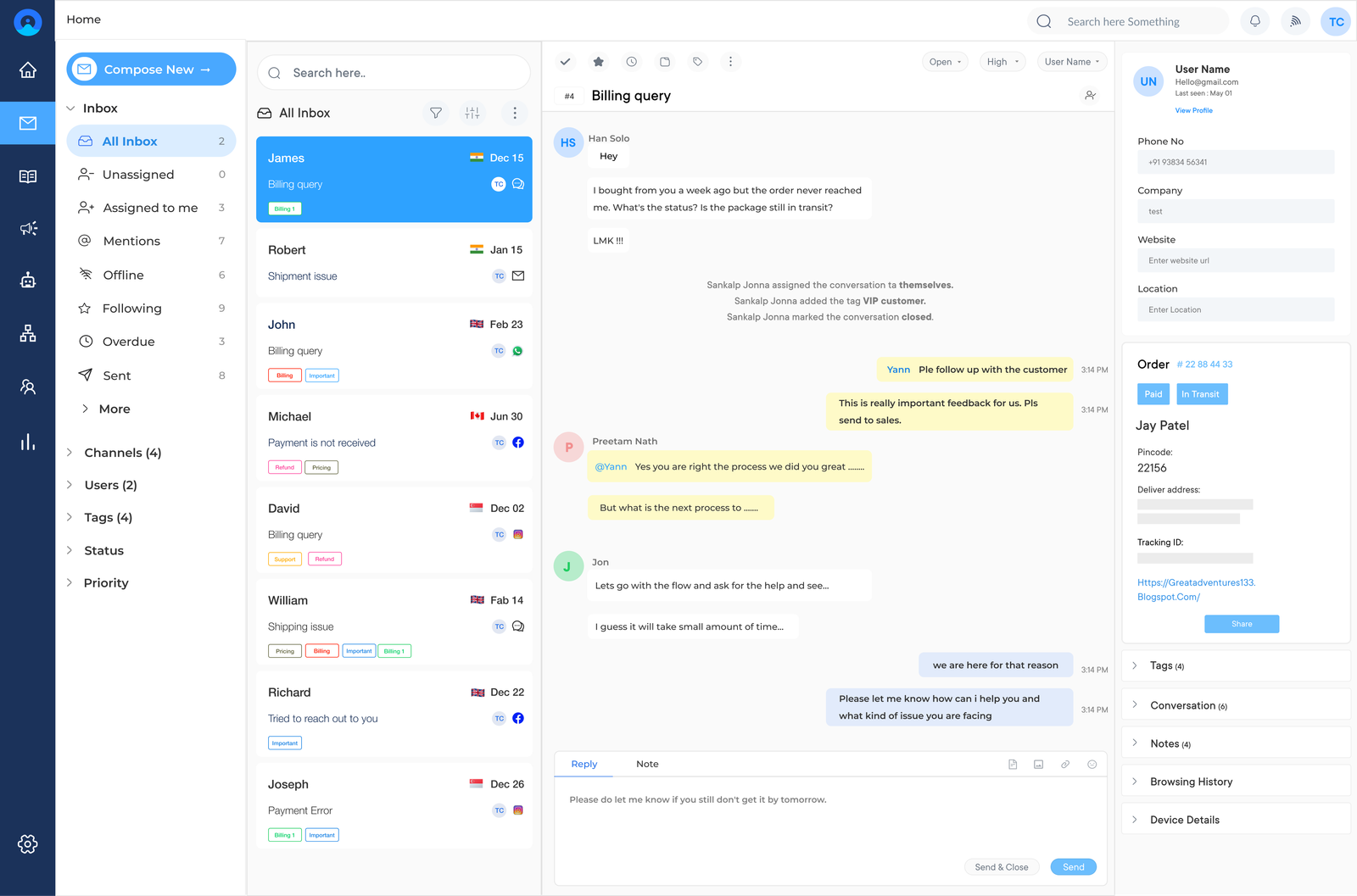
- Give supervisors clear, real-time dashboards showing queue status, so they can step in early, before small delays turn into bigger problems that frustrate customers.
5. Balance Automation With Human Touch
Balancing automation with human support creates a hybrid approach that handles simple issues efficiently while reserving human empathy for complex problems. A balanced approach is key as customers now expect quick replies but still want a human touch, especially when they’re frustrated or dealing with tough issues.
Implement Initial Triage Chatbots
Chatbots with natural language skills can quickly greet customers, gather basic details and handle simple tasks like password resets or order updates. They run around the clock, manage many chats at once and help cut down wait times by passing complex issues to human agents.
Create Seamless Support Handoffs
Seamless handoffs ensure that when a conversation transitions from automated to human support, the customer doesn’t start over. Well-designed handoffs give the human agent all the needed context like chat history, details and customer info, so that customers don’t have to repeat themselves or waste time.
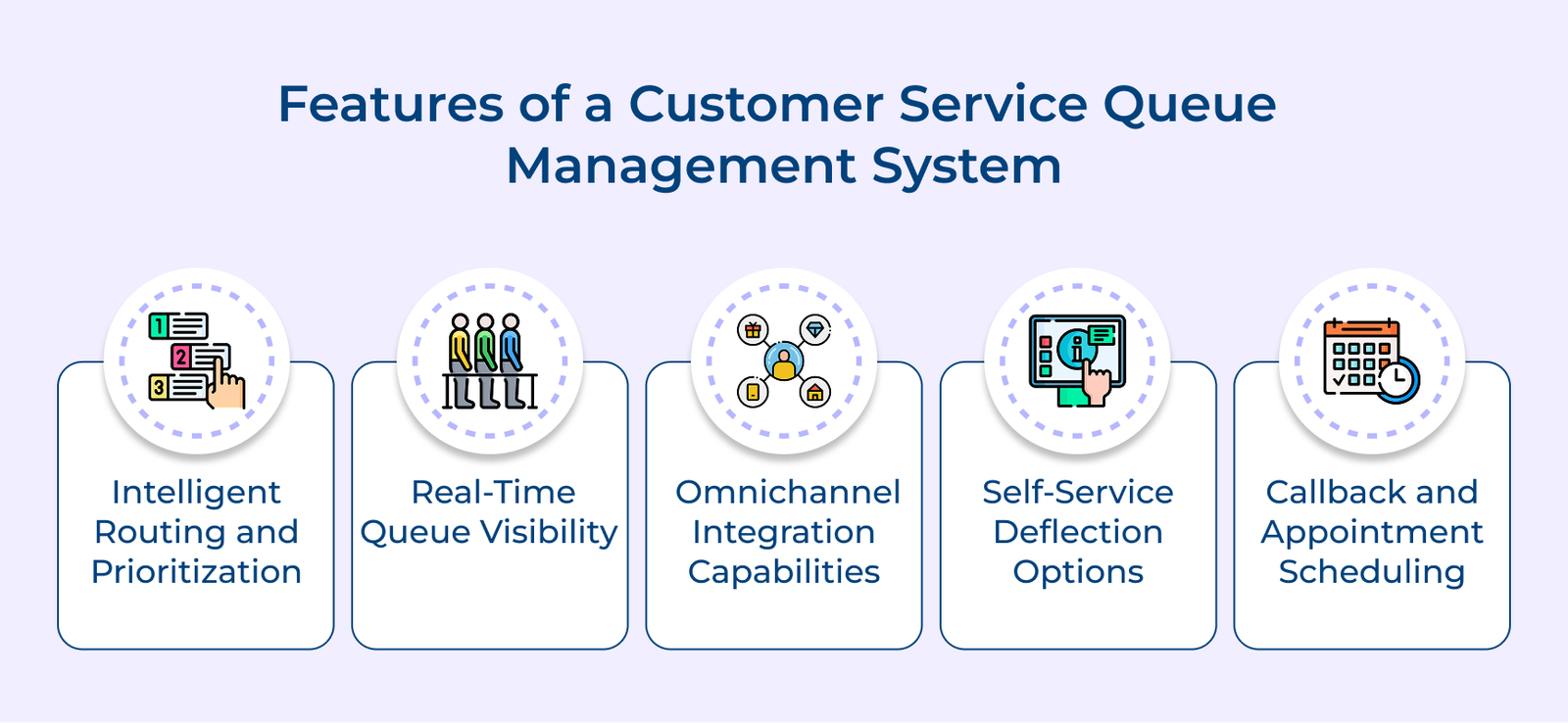
Key Features of a Customer Service Queue Management System
Below are the key elements you should consider when evaluating a queue management system and how they can revolutionize your customer service approach.