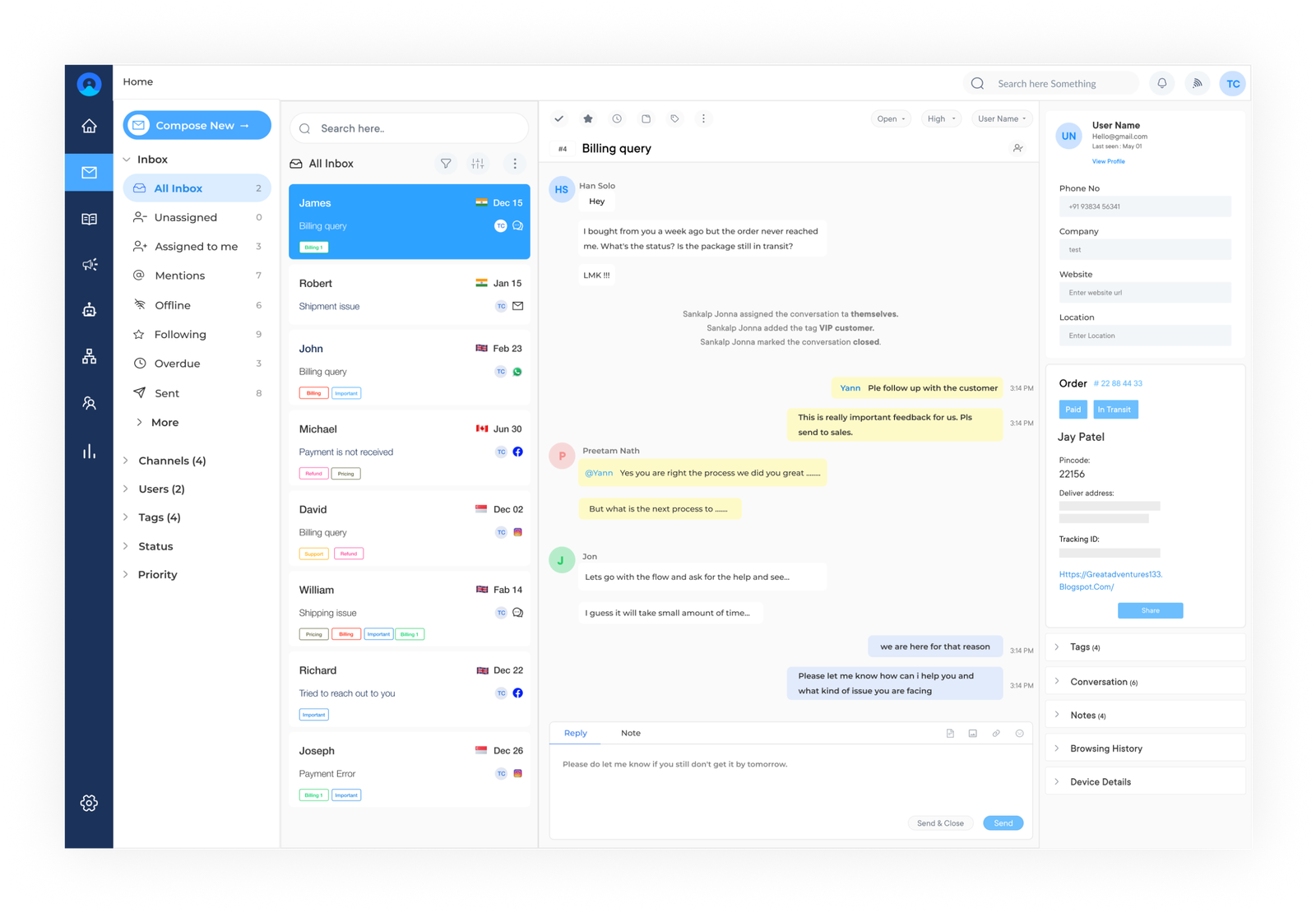
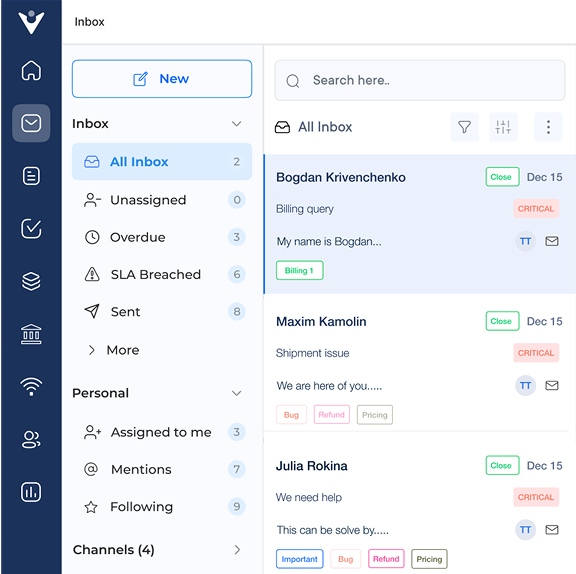
1. Integration Capabilities
A business text messaging service tool should connect smoothly with the systems your team already relies on. Disconnected tools create extra manual work and increase the risk of mistakes that affect customer communication.
Pro tips:
- CRM connection: Customer information should move automatically between the messaging platform and your sales or service records.
- Calendar sync: Appointment scheduling tools should trigger reminder texts without requiring manual updates.
- E-commerce link: Order confirmations and shipping updates should be sent as text messages connected directly to purchase systems.
Native integrations usually run more reliably than connections built through third-party tools. Platforms that rely heavily on external connectors may break or require additional maintenance over time.
2. Scalability and Volume Limits
A messaging tool should support business growth instead of limiting it. Message caps during busy seasons or large campaigns can interrupt communication and affect customer trust.
Review current pricing plans with what happens when message limits are exceeded. Some platforms charge small overage fees, while others require upgrading plans before messages continue sending.
3. Compliance and Security Features
Customer text messages often contain personal information, which means privacy and data protection cannot be ignored. Non-compliant platforms expose businesses to legal risks and security concerns.
Key elements:
- Opt-in management: Tools that collect and store customer permission before sending promotional messages.
- Opt-out handling: Automatic processing of STOP requests that removes customers from messaging lists immediately.
- Data encryption: Protection that secures message content and phone numbers during transmission or storage.
Confirm that the platform follows regulations such as those in the United States and GDPR when serving European customers. Security certifications and breach response policies also deserve careful review before signing agreements.
4. User Interface and Ease of Use
Your team won’t use features they can’t figure out, no matter how powerful the features might be. Complicated platforms create training headaches and lead to mistakes that reach customers during live chat conversations.
Key indicators:
- Intuitive navigation: Team members can locate basic features quickly without needing long tutorials.
- Mobile accessibility: Agents need full functionality from phones when they’re away from desks or working remotely.
- Quick onboarding: New team members can begin sending messages within minutes instead of requiring extensive training.
Request a hands-on demo where your actual team members test the interface instead of just watching sales presentations. Their honest feedback reveals if the platform fits your workflow or fights against it.
5. Automation and AI Capabilities
Manual message sending consumes time your team could spend on complex problems requiring human judgment. Smart automation handles repetitive tasks while keeping the business text messaging services feeling personal rather than robotic.
Look for platforms offering scheduled sends, triggered messages based on customer actions and chatbot options for common questions. The best tools let you customize automation rules to match your specific business processes.
6. Reporting and Analytics
Clear analytics help businesses understand how text messaging affects communication and results. Data reveals which campaigns perform well and which messages fail to connect with customers.
Key features:
- Delivery and open rates: Show how many messages reach customers and get viewed.
- Response time metrics: Track how quickly teams reply and identify delays in conversations.
- Conversion tracking: Connect messaging campaigns to real outcomes such as purchases or bookings.
Export capabilities matter too since you’ll want to combine messaging data with other business metrics. Platforms that trap data inside their dashboards limit your ability to see the complete picture.
Business Text Messaging Examples
The following are the four practical scenarios of business text messaging services where businesses use texting to drive results.
Appointment Reminders for Healthcare Practices
Medical clinics send automated text reminders about upcoming appointments a day in advance. Patients can confirm with a quick reply or reschedule through a link without needing to call the office. The approach keeps schedules organized and reduces the number of missed appointments. Staff spend less time managing cancellations and more time focusing on patient care.
Order Updates for E-commerce Stores
Online stores send text messages with shipping confirmations and delivery updates. Customers receive timely information about their orders instead of repeatedly checking tracking pages. Clear updates reduce support inquiries and help customers stay informed throughout the delivery process.
Lead Follow-up for Real Estate Agents
Realtors text interested buyers within minutes of inquiry forms being submitted, while competitors send emails hours later. Quick responses capture attention when prospects are actively house hunting instead of waiting until interest cools off. The immediacy converts more leads into actual showings and eventually closed deals.
Flash Sales for Retail Businesses
Retail stores use text messages to share short-term promotions with loyal customers. Messages reach people quickly, which helps create immediate interest during slower business periods. Customers receive timely offers while businesses encourage faster purchases and increase store or website activity.
Transform Communication with Instant Business Text Messaging
Business text messaging services allow companies to reach customers through a channel that people check many times throughout the day. Conversations happen faster and questions get answered without long delays. Teams can use texting to handle support requests, send updates and stay connected with customers in a simple way.
Start with one use case that solves your biggest communication headache right now. Test different platforms, measure what works and expand from there as your team gains confidence with texting customers.