1. Unify Data Across Teams and Tools
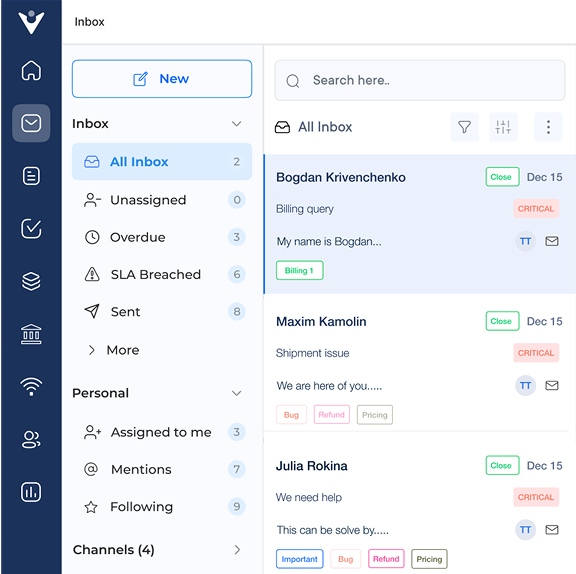
We’ve noticed the biggest barrier to customer visibility is scattered data spread across multiple tools that do not connect with each other. A customer success platform brings everything into one place where sales, support and product teams can rely on a single, complete customer record.
Where does visibility usually break down in most organizations? It often happens during handoffs between teams, where important context is lost or never carried forward.
Key elements:
- CRM sync: CRM data should update automatically inside the CS platform in real time.
- Support visibility: Full ticket history should sit alongside product usage and engagement data.
- Billing alignment: Renewal and payment details should be accessible within the same customer view.
The aim goes beyond just consolidating tools. It removes blind spots between teams and ensures everyone works from the same customer information. That consistency improves both customer experience and internal decision-making.
Key questions:
- Does your current setup give you a complete customer timeline or just disconnected snapshots?
- Can your CS team access support history without switching between multiple tools?
2. Monitor Customer Health and Key Metrics
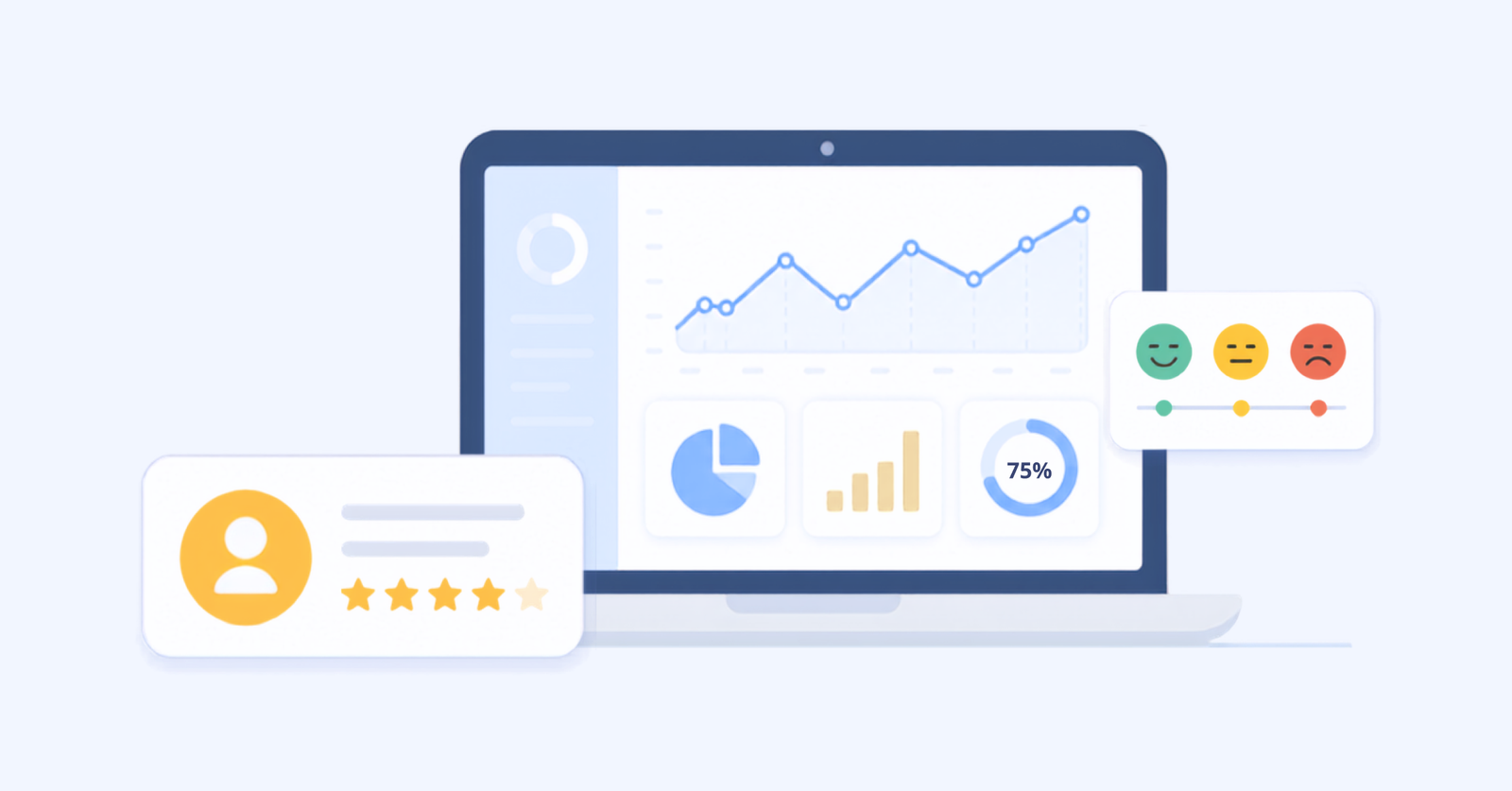
Monitoring customer health is not about checking a dashboard once a week. It is about creating a consistent process that gives teams ongoing customer visibility into engagement trends, risks and opportunities. The most valuable metrics are often the ones that reveal early signs of disengagement before a customer decides to leave.
What metrics should actually be tracked here? NPS and CSAT matter, but some of the strongest signals come from product usage patterns, feature adoption or support activity. The metrics often reveal customer sentiment and engagement levels long before they appear in survey responses.
Key metrics:
- Usage frequency: Track product usage trends weekly instead of relying on monthly reports.
- Engagement drop flag: Identify accounts where login activity has declined by more than 30% over the last two weeks.
- Time-to-value benchmark: Measure how quickly new customers reach value compared to your internal targets.
One important point to remember is that a customer can have a perfect NPS score and still churn. Behavioral data often reveals changes in customer intent long before survey responses do.
Key practices:
- Automated alerts: Set automated health score alerts for accounts crossing a risk threshold.
- Team visibility: Review customer health metrics during team meetings so everyone stays aligned on customer priorities.
3. Leverage AI for Sentiment Analysis and Task Recommendations
AI in customer success is not about replacing human judgment. It improves customer visibility by helping teams identify patterns, risks, and opportunities faster. Sentiment analysis can detect changes in customer tone and behavior that might otherwise go unnoticed during busy periods.
Key takeaways:
- Tone shift detection: Identifies changes in customer sentiment across conversations and interactions.
- Next best action: Recommends follow-up actions based on actual customer behavior and engagement patterns.
- Urgency scoring: Highlights accounts that may need immediate attention based on risk indicators and sentiment signals.
4. Map and Track the Full Customer Journey
Most teams focus on the customer interactions, but spend far less time understanding the journey behind the outcomes. Mapping the full customer journey improves customer visibility by capturing every touchpoint.
Why does journey mapping matter so much? Without it, teams only see individual interactions instead of the complete customer experience. A connected view makes it easier to understand what is working and where customers may be facing challenges.
5. Build a Structured Voice of Customer Feedback Loop
Collecting feedback is easy. Acting on it consistently is where many organizations struggle. A structured voice of customer program improves customer visibility by turning customer opinions, concerns and suggestions into actions that teams can actually follow through on.
Many feedback programs gather large amounts of information but stop at reporting. Teams that gain the most value from customer feedback are the ones that connect it directly to improvements in products, processes and customer experiences.
Key actions:
- Transactional capture: Collect feedback at key moments throughout the customer journey, not just during scheduled reviews.
- Product routing: Send product-related feedback directly to the teams responsible for evaluating and implementing changes.
- Response SLA: Set a response SLA for feedback that signals high dissatisfaction or churn risk.
The difference between collecting feedback and using feedback comes down to action. Successful teams make sure every important piece of feedback has a clear path from customer input to business response.
Key takeaways:
- Passive approach: Feedback is collected, stored and rarely acted upon.
- Active approach: Feedback triggers a defined workflow with ownership and follow-up actions.
- Closed-loop approach: Customers are informed about changes or improvements made based on their feedback.
6. Enable Real-Time Alerts and Escalation Workflows
Customer visibility without action is mere observation. Real-time alerts turn data signals into triggers that prompt the right person to take the right action at the right moment. They help teams address risks early instead of reacting after customer engagement has already declined.
What should trigger an alert in a well-built CS operation? Any meaningful change in customer behavior deserves attention. The goal is to identify risks and opportunities early instead of discovering them after the outcome is already decided.
7. Align Internal Teams Around a Shared Customer View
Customer visibility is not something customer success can solve alone. Sales, support, product and finance all contribute to the customer experience. When each team works from different information, customers often experience confusion, delays and inconsistent communication.
How often do customers have to repeat the same information to multiple teams? It happens more often than it should, and every repeated explanation creates frustration that could have been avoided with better internal alignment.
5 Best Practices to Improve Customer Visibility
Check out the key strategies for improving customer visibility and creating a clearer understanding of customer health across every stage of the journey.