1. Establish Shared Goals and Objectives
When sales and service chase different priorities, customers end up caught in the middle. Sales focuses on signing deals, while service struggles with retention. Aligning both teams around shared goals prevents the disconnect and ensures they work toward the same outcomes.
Key ways:
- Use common satisfaction metrics: Build a single scorecard that tracks both new signups and long-term retention, showing how each team contributes to customer value.
- Tie incentives to shared targets: Link sales earnings partly to retention, while service rewards include revenue growth from existing accounts.
- Add accountability checks: Use peer reviews and regular joint discussions to evaluate handoffs.
Let’s assume that a software company might see sales promise 24-hour response times, while service can only deliver in 48 hours. The mismatch frustrates customers and reduces renewals, exactly the problem shared goals help avoid.
2. Know Your Customer Journey Deeply
Understanding customer needs requires comprehensive knowledge of their complete experience across both departments. The deep customer insight helps both teams anticipate problems and prepare solutions before issues escalate into major concerns.
Key questions:
- What problems do customers face before they even speak with sales?
- How do expectations shift from the sales process to everyday service?
- Which concerns show up repeatedly in both sales objections and service tickets?
- What information do customers need most as they move from prospect to active user?
3. Build Regular Communication Channels
Consistent communication keeps both teams aligned on customer needs and company priorities. Without it, gaps quickly turn into conflicting messages or duplicate efforts across departments.
Regular check-ins help sales understand service limitations, while service gains visibility into promises made during acquisition. The ongoing exchange builds shared understanding, smoother collaboration and better customer experiences.
Pro tips:
- Hold short daily huddles instead of long weekly meetings to keep issues from piling up.
- Use shared digital workspaces so both teams can see real-time updates on customer interactions and trends.
4. Integrate Technology Into Your Process
Strong alignment depends on both teams working from the same information. When teams share real-time access to customer data, miscommunication drops and customers get a consistent experience across every interaction.
When choosing tools, consider data compatibility across existing systems and user adoption rates for both departments. Choose platforms that integrate seamlessly with current workflows while providing intuitive interfaces that encourage consistent usage from all team members.
Key technologies:
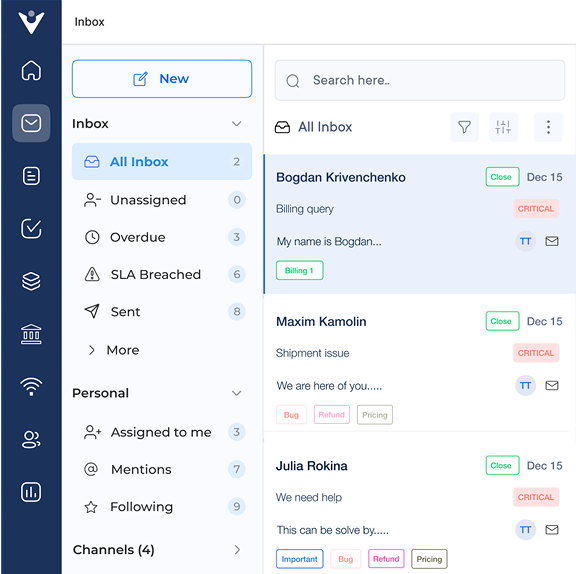
- CRM systems: Centralized records of customer history, notes or interactions accessible to both sales and service.
- Unified communication platforms: Messaging and video tools that make it easy for teams to collaborate quickly.
- Knowledge management systems: Shared product info and solutions so everyone speaks the same language to customers.
- Marketing Automation with service integration: Trigger follow-up actions across teams based on customer behavior.
- Analytics dashboards: Real-time metrics that combine sales and service performance to show overall customer impact.
5. Train Customer Service in the Sales Process
When service teams understand how sales work, they can support customers more effectively and spot natural opportunities for growth. The alignment also ensures customers hear consistent messages from the first conversation through ongoing support.
Sales conversations and promises
Teach service agents need to know how sales discussions usually unfold and what commitments are made. It helps them deliver on expectations and recognize when growth opportunities make sense.
Customer acquisition background
Share how customers first discovered the company and what problems they wanted to solve. When service representatives know the customer’s initial pain points, they can better address ongoing concerns and suggest relevant solutions.
Respectful upselling and cross-selling
Train agents to recognize when a customer might benefit from an additional product or service. The focus should always remain on solving the customer’s problem, not pushing for a sale.
6. Design Joint Alignment Training Programs
Training both teams together helps them understand how the other side works and where their roles overlap. The shared learning builds trust, reduces misunderstandings and makes collaboration in daily customer interactions smoother.
Key programs:
- Customer journey mapping
- Cross-functional communication
- Conflict resolution workshops
- Product and technical training
- Retention and growth strategies
7. Create Seamless Handoff Processes
Smooth handoffs between sales and service ensure customers don’t fall through the cracks or have to repeat themselves. When both teams share information consistently, customers experience continuity and trust your company more.
Use cases:
- Onboarding new customers: Sales passes detailed notes on customer goals and expectations so service can deliver a warm, informed welcome.
- Escalating technical issues: Service spots growth opportunities during problem-solving and connects customers with sales, who already have the full technical context.
- Preparing for renewals: Service provides usage data and satisfaction feedback so sales enters renewal talks ready to address concerns.
- Upgrading products: Service identifies when a customer is outgrowing their current plan and passes insights to sales for a targeted, helpful upgrade conversation.
Start by documenting every customer touchpoint where information changes hands. Then establish clear protocols that specify what information gets shared, when it gets transferred and who takes responsibility for follow-up actions.
8. Create Continuous Feedback Loop Systems
Continuous feedback loops help both teams understand their collective impact on customer satisfaction and identify improvement areas. The systematic review processes ensure alignment strategies remain effective and adapt to changing customer needs. Start with regular performance reviews where both teams analyze shared metrics together.
Next, collect customer feedback specifically focused on their experiences across both departments. Deploy targeted surveys that capture customer perspectives on handoff quality and consistency throughout the sales cycle.
Key questions:
- Did you receive consistent information from sales and service?
- Did both teams understand your needs?
- How smooth was your transition from sales to support?
- Would you recommend our company based on your experience?
Gathering feedback represents only the beginning rather than the final destination. Turn insights into actionable changes by creating improvement plans that address customer concerns while tracking results through follow-up surveys.
Examples of Effective Sales and Customer Service Alignment
Check out the leading brands that demonstrate how strategic alignment between sales and customer service creates exceptional customer experiences.
Amazon
Amazon aligns sales and customer service through unified customer data systems that track every interaction from initial product discovery to post-purchase support. Their sales recommendations link with service history, so agents know past purchases and can suggest relevant solutions.
The alignment creates customer loyalty through personalized experiences that feel consistent across all touchpoints. Customers trust Amazon’s suggestions since service history shapes them, boosting conversions and lowering returns.
Zappos
Zappos empowers both sales and service reps with identical authority to make customer-focused decisions, including free returns. Their service team joins sales by giving product tips and style advice, not just solving problems.
The approach transforms customer service from a cost center into a revenue driver while building emotional connections with customers. The alignment drives word-of-mouth as customers share positive experiences with caring representatives.
Apple
Apple stores integrate sales and service through Genius Bar appointments, where technical support specialists also identify upgrade opportunities. Sales staff learn basic troubleshooting, while service technicians suggest suitable product options.
The integrated approach increases average transaction values while reducing customer frustration about multiple store visits for different needs. Customers appreciate knowledgeable staff who can both solve problems and recommend products that prevent future issues.
Nike
Nike aligns sales and customer service through their membership program that tracks athletic goals, purchase history and support interactions across all channels. Sales use fitness profiles for recommendations, while service addresses product concerns in an athletic context.
The alignment enhances customer lifetime value by creating deeper relationships beyond simple transactions. Members feel understood as athletes rather than just buyers, leading to increased brand loyalty and willingness to invest in premium products.
Elevate Business with Seamless Service and Sales Alignment
Sales and customer service alignment turns two separate functions into one team working toward the same customer outcomes. When both sides share goals and stay in sync, customers get a consistent experience that builds trust. The integration of technology, training and processes creates measurable efficiency improvements.
Your investment in alignment pays dividends through reduced customer acquisition costs and stronger competitive positioning. The key is to start small, act consistently and keep refining as customer expectations evolve. Alignment isn’t a one-time project; it’s a practice that gets stronger the more you invest in it.