9 Reliable Sales Hacks for Businesses in 2026
The blog shares simple sales hacks that improve conversations and speed up decisions. It helps teams close more deals using practical techniques that work in real selling situations.

The blog shares simple sales hacks that improve conversations and speed up decisions. It helps teams close more deals using practical techniques that work in real selling situations.
Your sales numbers don’t drop overnight, they stall slowly. Deals that once moved smoothly start dragging, follow-ups stretch across weeks and prospects who seemed ready go quiet without a clear reason. So what do most teams do? They respond by pushing harder, adding more calls, more emails, more pressure. The result rarely changes because the real issue sits inside the way the process runs day to day.
Strong sales teams aren’t the ones that are working longer hours; they’re working with sharper systems. They know exactly where deals slow down, what triggers action from buyers and how to move conversations forward without friction. This is where the right sales hacks make a real difference, not as shortcuts, but as small shifts that remove guesswork and bring consistency.
A sales hack refers to a clever technique that helps salespeople save time and close deals more efficiently. The shortcuts cut through slow processes and make selling more effective without extra effort or big budgets.
Sales hacks differ from standard sales strategies because they focus on immediate impact rather than long-term planning. They’re the kind of tactics experienced salespeople discover through trial and error in the field. The techniques often leverage technology or human psychology to create advantages that competitors might overlook.
Key objectives:
Let’s go through the specific benefits that make the techniques valuable for B2B companies and other business models.

Reduced Sales Cycle Length
Sales hacks shorten the path from first contact to signed deal by clearing common roadblocks in your sales pipeline. It matters even more in B2B, where deals often stall for weeks or months.
Lower Customer Acquisition Costs
Smart sales hacks help you spend less money acquiring each new customer by maximizing existing resources and tools. It means better ROI on your sales efforts without needing to expand your team or advertising budget significantly.
Improved Team Productivity
Reps get more done when repetitive tasks are simplified or automated. Time shifts from admin work to conversations that actually move deals forward.
Higher Quality Lead Generation
Sales hacks help you identify and target prospects who are more likely to convert into actual paying customers. B2B businesses particularly benefit because they can focus energy on decision-makers rather than wasting time on dead-end leads.
Stronger Customer Relationships
Timely and relevant outreach makes prospects feel understood rather than sold to. Trust builds faster and conversations become more productive.
Scalable Business Growth without Rising Costs
Sales hacks allow your business to handle increasing sales volume without hiring proportionally more staff or resources. The scalability is crucial for the business growth of the companies that need sustainable expansion without ballooning operational expenses.
Check out the game-changing tactics designed to turbocharge your sales success and leave your competition in the dust.

The most obvious sales hack you can think of, right? Yet most businesses ignore the fact that they should focus on their prospects’ real problems instead of talking endlessly about their product. B2B businesses benefit enormously because decision-makers want solutions to their specific problems rather than generic sales pitches that waste their valuable time.
A customer-centric approach starts before the first sales call or email. It requires genuine curiosity about how the business operates and what pressures the team is dealing with right now. It means spending time on research instead of rushing straight into outreach.
Key ways:
Personalized outreach means avoiding the cookie-cutter templates that prospects delete without reading. The hack matters because personalized emails can increase sales and conversions by 10%.
The goal is to personalize at scale without writing every email from scratch. Smart salespeople use templates as frameworks but customize critical elements that make recipients feel seen rather than targeted by a spam campaign.
Successful personalization requires strategic thinking about which elements matter most to recipients. Here are four different personalizations you can incorporate into your bulk email introductions:
The sales hack works particularly well for SaaS companies and consulting firms that need to reach multiple decision-makers across different organizations. The businesses can maintain quality outreach at scale without sacrificing the personal touch that builds relationships and opens doors.
The hack involves recognizing that different personality types require completely different sales approaches to feel comfortable and move forward. It becomes essential because for B2B businesses selling to committees or multiple stakeholders, you’ll encounter analytical types and relationship-driven types in the same deal.
Understanding customer psychology helps you avoid the common mistake of using your natural communication style with everyone you meet. Some prospects want data and detailed specifications. While others prefer big-picture vision and emotional connection to make their purchasing decisions.
Key ways:
Relying only on email limits your chances of getting a response. People check different platforms throughout the day and many messages get missed simply because they arrive in the wrong place.
Reaching out through the channels your prospects actually use increases the odds of starting a real conversation. Choosing the right channels requires understanding where your target audience spends their professional time and attention. Consider the key factors when selecting your communication channels:
Every channel has a role at different stages of the sales process. Using all of them at once can feel overwhelming and push people away. A thoughtful sequence feels intentional and respectful of the prospect’s time.
Key ways:
Enterprise software companies often use LinkedIn for initial outreach, while local service businesses find success with SMS and phone calls. Real estate professionals mix email newsletters with Instagram stories, while financial advisors rely on LinkedIn content and personalized videos.
People feel more at ease with those who communicate the way they do. Matching a prospect’s tone, pace or level of detail helps conversations flow naturally and builds comfort without forcing it.
You can implement mirroring by paying close attention during initial interactions and adapting your style rather than forcing your natural preferences. Notice if they write short emails or long, detailed ones and are they using formal language or a casual tone.
Pro tips:
Sales tools work best when they remove busywork and give you better visibility into what is actually happening in your pipeline. Many B2B and SaaS teams rely on technology because managing long sales cycles or multiple stakeholders becomes hard to do manually.
Key questions:
The questions prevent you from wasting money on shiny tools that sit unused while forcing you to identify real problems. Asking the questions upfront ensures you select technology that solves actual pain points rather than creating new complexity.
Actionable tips:
The technologies work together through your sales funnel from prospecting to closing. Sales intelligence tools identify qualified leads, while CRM software automates personalized sequences. Email tracking tells you when to follow up and meeting schedulers remove booking friction. The integrated approach lets technology handle mundane tasks so you can focus on building relationships.
The sales hack means cutting your product demonstrations to only show features that directly solve your prospect’s stated problems. Long, unfocused demos cause prospects to lose attention after 15 minutes and risk overwhelming them with capabilities they don’t need.
You implement it by asking detailed discovery questions before the demo to understand their top priorities. Then you build a custom demo agenda addressing only the specific needs rather than walking through your entire feature set.
Pro tips:
Polls are an easy way to start conversations without jumping straight into a pitch. Simple questions on platforms like LinkedIn invite opinions and lower the barrier to engagement. Many consultants and service professionals use polls to open discussions that feel relevant.
Create Industry-specific Polls on LinkedIn
Your polls should address real challenges within your prospect’s industry to spark genuine interest. Ask questions like “What’s your biggest obstacle to digital transformation?” rather than generic questions that could apply to anyone.
Join the Conversation in the Comments
The real magic happens when you personally respond to people who vote with thoughtful insights. It creates natural conversation starters where you can transition to understanding their business challenges without seeming pushy.
Share Poll Results to Start Conversations
Once your poll closes, you can reach out to voters with personalized messages sharing results and asking for their perspective. It gives you a legitimate reason to connect that adds value.
The hack means intentionally pausing during critical moments in sales conversations to let prospects reveal more information than they intended. Strategic silence works because most people feel uncomfortable with conversational gaps and rush to fill them with valuable details.
Key types:
The foundation of the technique begins with letting prospects fill uncomfortable pauses themselves naturally. When you resist the urge to rescue awkward silences, you give prospects space to think deeply. They often use these moments to verbalize concerns they hadn’t planned to share.
Key ways:
Silence also matters after objections. Pausing briefly before responding shows you are considering their concern seriously. Many prospects add extra context during this moment, making your reply easier and more relevant.
As a final recommendation, give prospects generous space to reveal their deeper concerns without interrogating them directly. When you create a comfortable environment where silence feels safe, prospects naturally open up about budget limitations or internal politics affecting the deal.
Let’s go through the practical steps that transform the concepts into daily habits that actually close more deals.

1. Audit Your Current Sales Process
Start by mapping out every stage of your existing sales workflow from initial contact to final contract signature. The exercise reveals where prospects drop off most frequently and which activities consume the most time without generating results.
Key areas:
Document your current close rates and average sales cycle length so you can measure improvement objectively after implementing new approaches.
2. Select Three Sales Hacks to Test First
Select a limited number of sales hacks that directly address your identified bottlenecks, rather than overwhelming your team with numerous changes. Pick techniques that complement each other and can be implemented without requiring expensive technology investments or complete workflow overhauls.
Key questions:
Starting small reduces resistance from salespeople who might be skeptical about changing their established routines that feel comfortable.
3. Train Your Team through Role-playing
Organize interactive training sessions where team members practice the new sales hacks with each other before using them with prospects. Role-playing creates a safe environment to make mistakes and refine techniques without risking actual deals. Peer feedback during role-playing often reveals blind spots that individuals miss when practicing alone or just reading about techniques.
4. Create Implementation Checklists for Daily Use
Develop simple checklists that break down each sales hack into specific actions your team can follow consistently every day. The checklists serve as guardrails that prevent salespeople from reverting to old habits when they’re busy or stressed.
Your checklists should include concrete steps like “spend 10 minutes researching the prospect’s recent company news before calls” rather than vague reminders. Specific action items remove ambiguity about what customer-centric approach or personalization actually means in practice.
5. Track Results and Gather Feedback Weekly
Set up a simple system to track key numbers such as response rates and meeting conversion percentages for each sales hack. Weekly check-ins keep everyone aligned and make it easier to adjust before issues grow.
Key questions:
Collecting qualitative feedback alongside quantitative metrics gives you a complete picture of what’s working and what needs adjustment.
6. Double Down on What Works and Drop the Rest
After four weeks of testing, analyze which sales hacks produced measurable improvements in your close rates or cycle times. Double down on the winners by incorporating them into your standard operating procedures.
Sales hacks are not about cutting corners or pressuring people. They focus on working smarter and respecting your prospect’s time. The nine ideas help you stay efficient while building real connections that lead to repeat business and referrals.
The key to success lies in testing the hacks systematically and measuring what actually moves the needle for your business. Pick a few techniques that solve your biggest slowdowns, apply them consistently and keep the ones that clearly improve conversations.

A sales hack is a creative shortcut that delivers results faster and with less effort than traditional methods. Regular techniques follow standard processes, while hacks find smart ways to skip unnecessary steps without harming relationships or credibility.
Yes. Many hacks rely on creativity and understanding human behavior rather than expensive tools or big marketing spend. Simple techniques like mirroring a prospect’s communication style or practicing strategic silence cost nothing but can noticeably improve conversion rates.
You can expect to see initial results within two to four weeks if you implement hacks consistently across your team. Some techniques, like personalized emails, show immediate improvement in response rates while others, like customer-centric approaches, require longer to demonstrate impact on close rates.
The seven keys include building genuine rapport and listening more than talking during discovery conversations. You also need to understand your customer’s pain points and present solutions rather than features while handling objections gracefully.
Optimize existing touchpoints by personalizing outreach and connecting through channels your prospects actually use. Free tools like LinkedIn polls can spark engagement and focused, concise demos help prospects see value quickly.
The most effective approach brings together a clear understanding of your customer with the right use of technology. It starts with taking the time to research prospects properly and shaping every interaction around what actually matters to them. The CRM automation and sales intelligence tools help you stay scale without losing the human connection that builds trust.
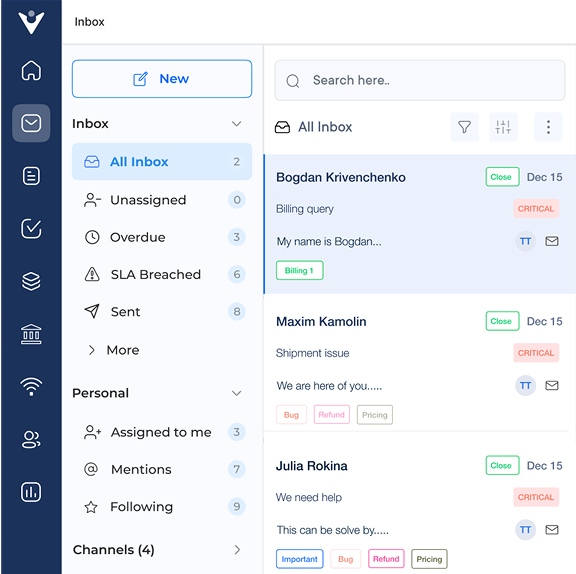
Grow Customer Relationships and stronger team collaboration with our range of products across the Conversational Engagement Suite.
Omnichannel Customer Support & Help Desk Software
AI Enabled Business Messaging and Chatbot Software
Sales Engagement & CRM Software
Call Center Software & Virtual Phone System
Product Marketing & Experience Platform
Customer Experience & Feedback Management Software

 What are Digital Sales? Examples, Benefits & Key Strategies
Scroll to top
What are Digital Sales? Examples, Benefits & Key Strategies
Scroll to top