1. Choose the Right Metrics to Track
A leaderboard is only useful if you measure the right things. Track the wrong numbers and you’ll push your team toward busywork instead of meaningful results. Track the right ones and daily actions start lining up with actual business goals.
Consider whether you need outcome metrics like closed deals or activity metrics like calls made. Leading indicators help you predict future performance before revenue materializes. Your choice should reflect both what matters to the business and what individual reps can actually control.
Key metrics:
- Total revenue closed: Shows who consistently brings in deals and hits targets.
- Qualified leads generated: highlights reps who find opportunities that are actually worth pursuing.
- Average deal size: Surfaces those who can upsell or sell higher-value solutions.
- Conversion rate by stage: Reveals who moves prospects through the pipeline smoothly.
- New client acquisition: Spotlights reps who are strong at opening new accounts.
Look at your historical data to see which metrics correlate strongest with success. Test different combinations for a month and track if the behavior actually shifts. Adjust your metrics quarterly based on what drives real results versus just activity.
2. Update Rankings in Real Time
Stale leaderboards kill motivation because nobody trusts yesterday’s numbers to reflect today’s reality. B2B sales cycles involve multiple touchpoints and team members need immediate feedback when their efforts pay off. Real-time updates create the same excitement as watching a live sports scoreboard.
Key ways:
- CRM integration with automatic sync: Connect your leaderboard to tools like Salesforce or HubSpot so that every new deal or activity update is updated within minutes. A 5–15 minute sync window works well for most teams.
- API connections for instant updates: If your team handles a high volume of deals, direct API links can give you near-instant refreshes. It keeps the board accurate without manual effort.
- Mobile push notifications for rank changes: Send alerts when someone makes a noteworthy jump. Keep the notifications limited to major changes so they stay meaningful and don’t become noise.
A software company saw engagement double after switching from daily manual updates to hourly automatic syncing. Reps started checking the board throughout the day instead of ignoring it until the month-end.
3. Make the Display Highly Visible
A leaderboard only works if people actually see it. If it’s buried in a tab or hidden in a dashboard, it fades into the background. When standings are visible throughout the day, performance stays top of mind and people naturally check in without being prompted.
Put the leaderboard where people naturally look multiple times daily, like near the coffee station or on the main office screen. Digital displays work for in-office teams, while dashboard integrations serve remote workers better. Both options can coexist to reach everyone regardless of location.
Pro tips:
- Rotate the display with other key metrics every few minutes to keep it noticeable.
- Allow mobile access so reps on the move can check their standings without extra steps.
4. Recognize Multiple Performance Categories
If your leaderboard focuses only on revenue, it divides the team into a few winners and a long list of people who feel they can’t catch up. When reps see no realistic way to be recognized, they stop paying attention. Highlighting different performance categories gives more people a fair chance to stand out and keeps the whole team engaged.
Key questions:
- What skills contribute to successful selling?
- Which daily behaviors do we want to encourage beyond closing deals?
- How can we highlight steady improvement, not just big wins?
- What’s appropriate for newer reps versus experienced ones?
The questions help you identify overlooked contributions that deserve celebration. They also prevent newer team members from being compared directly to veterans who have years of experience.
Create categories like “Most Improved” or “Highest Activity” alongside traditional revenue rankings. Include both individual achievements and collaborative wins to reinforce teamwork.
Key categories:
- Best team player for collaboration on complex deals
- Fastest response time for prompt customer engagement
- Highest customer satisfaction scores for quality relationships
5. Set Clear and Achievable Benchmarks
A leaderboard doesn’t help if no one knows what “good” looks like. Clear benchmarks show exactly what level of performance earns recognition and what needs improvement. When targets are realistic, they motivate rather than discourage.
Key benchmarks:
- Close 10 qualified deals per quarter: A solid target for mid-level account executives.
- Maintain a 25% demo-to-close rate: Sets a standard for quality, not just volume.
- Generate 15 SQLs per month: Gives SDRs a steady, measurable prospecting goal.
- Hold a 90% customer retention rate: Keeps account managers focused on relationship health.
- Book 30 discovery calls per week: Provides outbound reps with a clear activity baseline.
Look at your top performers’ numbers and set targets at their 70th percentile performance level. It makes goals challenging but realistic for most team members.
Should you adjust benchmarks for new hires? Absolutely create tiered expectations based on experience to prevent unfair comparisons.
6. Rotate Time Periods Strategically
Single-timeframe leaderboards miss opportunities to create different types of motivation and momentum. Short time periods create quick wins while longer periods reward sustained consistency over time. Strategic rotation keeps the competition fresh and gives different personality types chances to excel.
Key ways:
- Daily rankings: Great for quick motivation and helping reps build small wins that stack up.
- Weekly competitions: Provide enough time to complete real sales activities without losing the sense of urgency.
- Monthly leaderboards: Match common quota cycles and give everyone room to compete for fuller results.
- Quarterly views: Show long-term consistency and help separate brief hot streaks from steady performance.
7. Avoid Creating Toxic Competition
Leaderboards can motivate, but they can also backfire. When rankings push people to hide information, undercut teammates or grab credit that isn’t theirs, the whole team loses. Healthy competition should lift performance, not create tension or distrust.
Balance the leaderboard by highlighting teamwork as well as individual results. Celebrate moments where someone supported a colleague or contributed behind the scenes. Add a few team-based metrics so cooperation matters just as much as personal wins.
Actionable tips:
- Remove the lowest performers from public view to avoid public shaming that kills morale and retention.
- Keep rewards reasonable so people stay motivated without feeling pressure to cut corners.
8. Gather Feedback and Iterate Regularly
A leaderboard won’t stay effective if it never changes. As the team evolves, so do their motivations. Regular feedback helps you understand what actually works for your reps rather than relying on generic advice. Updating the system shows you’re paying attention and willing to adjust.
Key ways:
- Monthly anonymous surveys: Ask if the current metrics motivate people or push the wrong behaviors. Leave space for open comments so reps can point out issues you may not have noticed.
- Quarterly focus groups by performance tiers: Talk separately with top performers, mid-tier reps and those struggling. Mid-tier reps often give the most practical insights about what would help them improve.
- A/B testing different metric sets: Run two leaderboard versions with different teams for a few weeks. Compare which one improves both performance and engagement, not just activity totals.
4 Best Sales Leaderboard Software
The following are the best sales leaderboard software. Let’s check them out in more detail for a better understanding of which solution fits your needs the best.
1. Veemo Sales
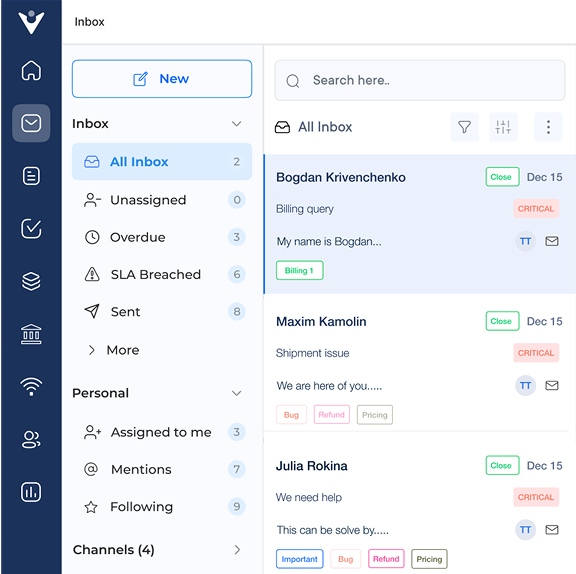
Veemo Sales is a sales-focused CRM that helps you track your pipeline and your team’s performance in one place. It updates metrics automatically and includes dashboards that double as leaderboards, making it easy to see who’s moving deals forward. The interface is straightforward, so teams can start using it quickly without extra training.
- Visual pipeline management: See every deal’s stage at a glance, spot slowdowns and focus on the opportunities that matter most.
- Customizable goals and KPIs: Set clear targets for each rep and track progress in real-time.
- Revenue forecasting: Estimate future results based on current pipeline strength and past close rates.
- Automated email sequences: Keep leads warm with scheduled follow-ups so reps can spend more time on meaningful conversations.
- Reporting dashboards: View rankings on metrics like conversion rates and completed activities to encourage healthy, transparent performance tracking.
2. Salesforce
Salesforce includes a built-in leaderboard inside Sales Cloud that pulls data directly from your CRM. Rankings update automatically as deals move through the pipeline and you can choose which metrics to display. It also allows multiple leaderboards for different teams or stages.
3. Zoho CRM
Zoho CRM includes gamification features that transform sales data into competitive leaderboards with point systems and achievement badges. You can set your own KPIs and the system updates rankings based on calls, tasks or closed deals. Teams appreciate the visual dashboards that display performance trends alongside current standings for better context.
4. Apptivo
Apptivo’s CRM offers flexible leaderboards that track both individual and team results. Data syncs in real time and appears through customizable dashboard widgets. You can group leaderboards by product, region or role, making comparisons straightforward and fair.
5. Ambition
Ambition focuses on sales performance tracking and provides detailed leaderboard options. It connects to your CRM and workplace tools to show updated rankings the moment activity changes. Its strength lies in creating multiple concurrent competitions with different time frames and metrics running simultaneously.
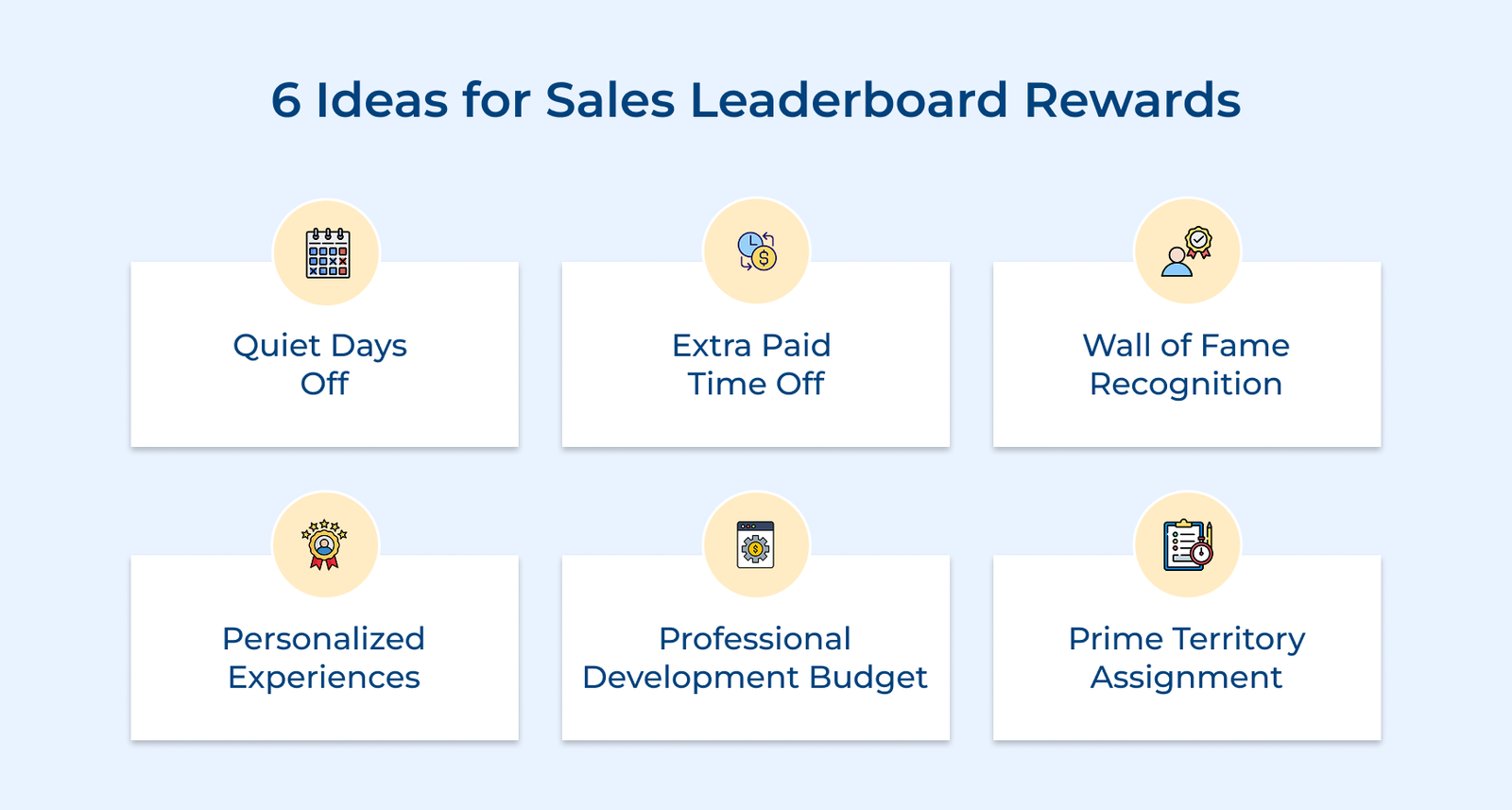
6 Ideas for Sales Leaderboard Rewards
Below are the six ideas for sales leaderboard rewards that can motivate your team, encourage healthy competition and make outstanding performance feel genuinely appreciated.