The Definitive Guide to Conversational Sales: Benefits, Use Cases & Strategies

Acquire and automate leads on autopilot, generate bookings while improving sales cycle with Veemo’s conversational sales toolkit.

No credit card required. Easy setup

Conversational Sales

Trusted By Leading Brands

Qualify and Generate Leads on Autopilot with Conversational Selling

Talk to your prospects in real time, qualify them with a predefined questionnaire and reduce sales cycle with little sales rep involvement.

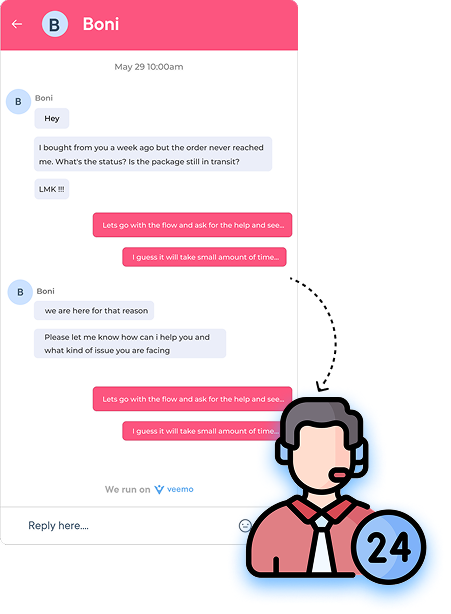
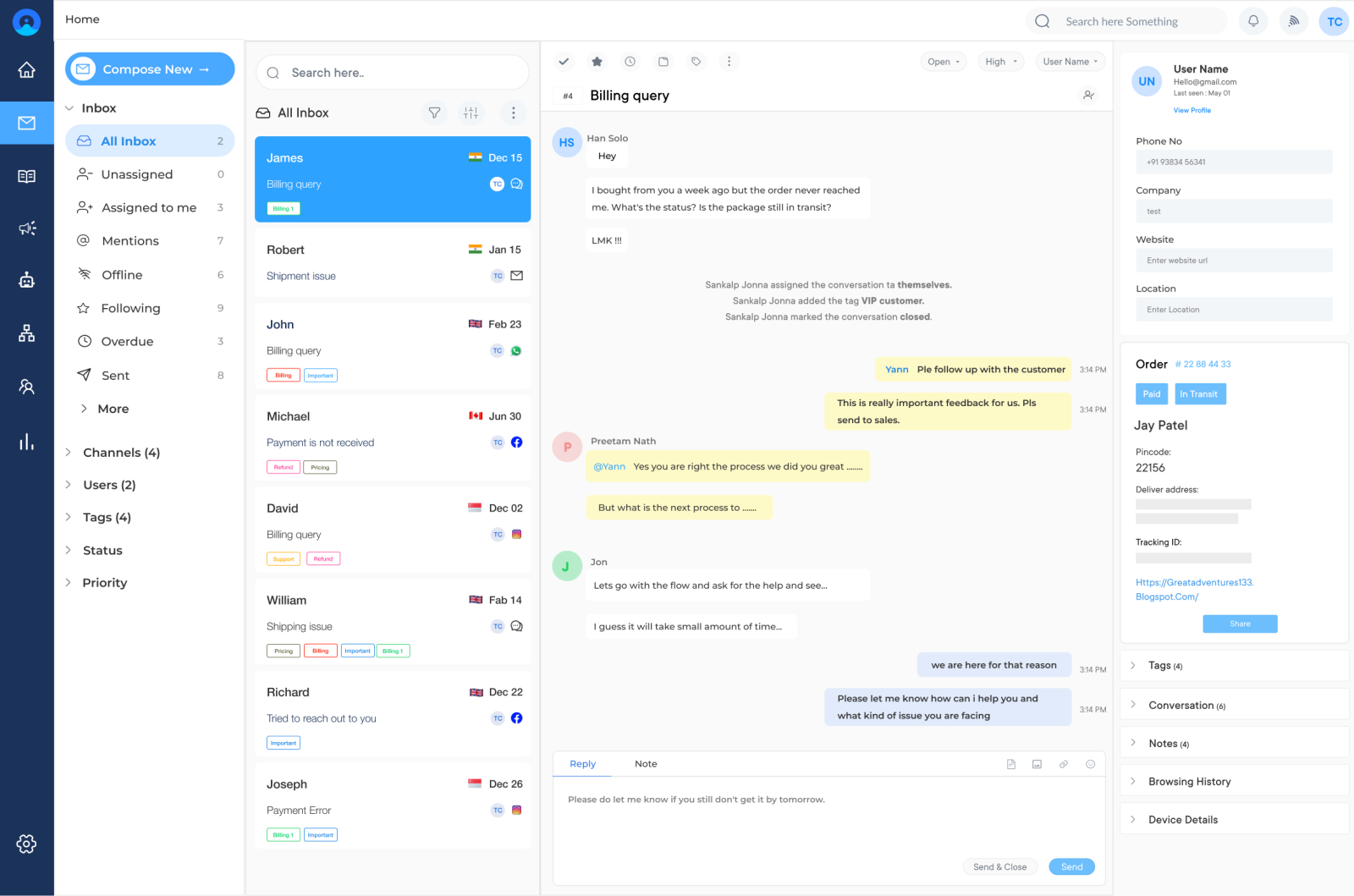
Conversational Sales Dashboard1

Generate High-Quality Pipeline

Enables sales reps to engage with prospects in real-time, providing them with instant solutions. Helps convert prospects into qualified leads, resulting in a higher quality pipeline.

Automate Bookings

Automatically schedule and confirm sales meetings without any need for follow-ups. Saves time for both sales reps and prospects, ensuring that meetings are scheduled on time.

Quick Connection with Real Buyers

Enables sales reps to identify and connect with their ideal customers quickly. Makes it easier to offer tailored solutions that address their specific needs.

Boost Sales Productivity

Automates the sales process, allowing sales reps to focus on building relationships with prospects. Helps boost sales productivity, resulting in increased revenue.

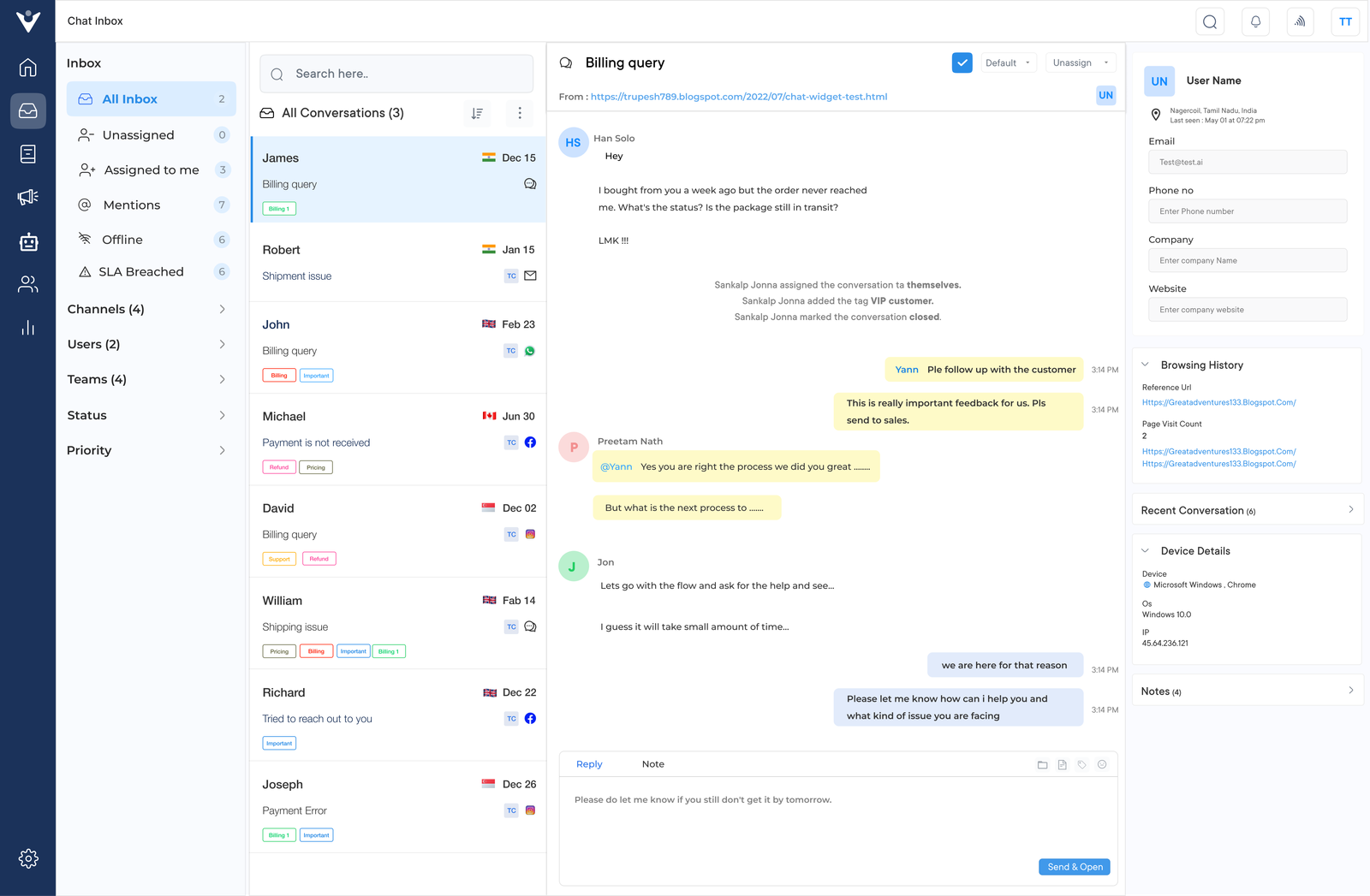
Conversational Sales Dashboard2

The traditional sales approach may no longer be effective in the current customer-centric marketplace. It’s time to embrace a new way of selling that focuses on conducting conversations rather than pushing products.

Enter conversational sales, a framework that puts the customer at the center of the sales process and encourages meaningful interactions.

The comprehensive guide will provide you with the framework, tools, benefits, and best practices to embark on a successful conversational approach journey. Let’s dive right in!

What is Conversational Sales?

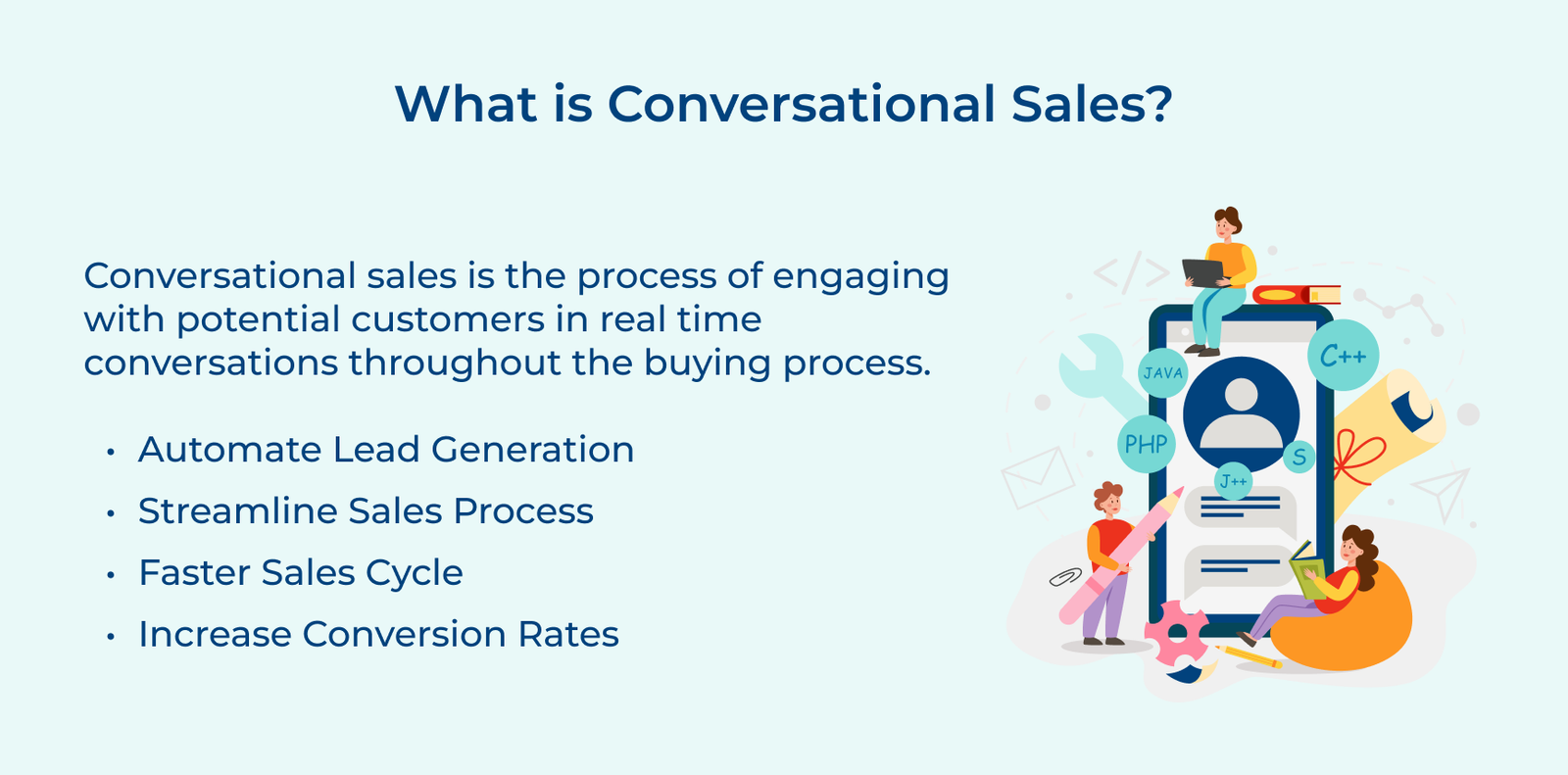
Conversational sales is the process of engaging with potential customers in a personalized and meaningful chat conversation that guides them through the buying process. It is a modern approach to sales that uses chat tools to connect with customers in real time and offer them a customized buying experience.

The need for conversational selling has arisen from changing consumer behaviors and buyer persona. Buyers value authentic interactions and personalized experiences over generic sales pitches. It meets these demands by providing instant, tailored engagement that can occur at any point in the customer journey.

What is Conversational Sales

Key objectives:

  • Building rapport: Conversational marketing aims to establish a connection with customers that creates a positive relationship.
  • Streamline sales process: Reduce sales cycle length and increase efficiency by qualifying leads promptly.
  • Faster sales cycle: Guide potential customers through the sales funnel by highlighting the product value and convincing them to make a purchase.
  • Increase conversion rates: Guide prospects efficiently through the sales process, addressing concerns in real-time to improve the likelihood of conversion.

Conversational Sales Framework

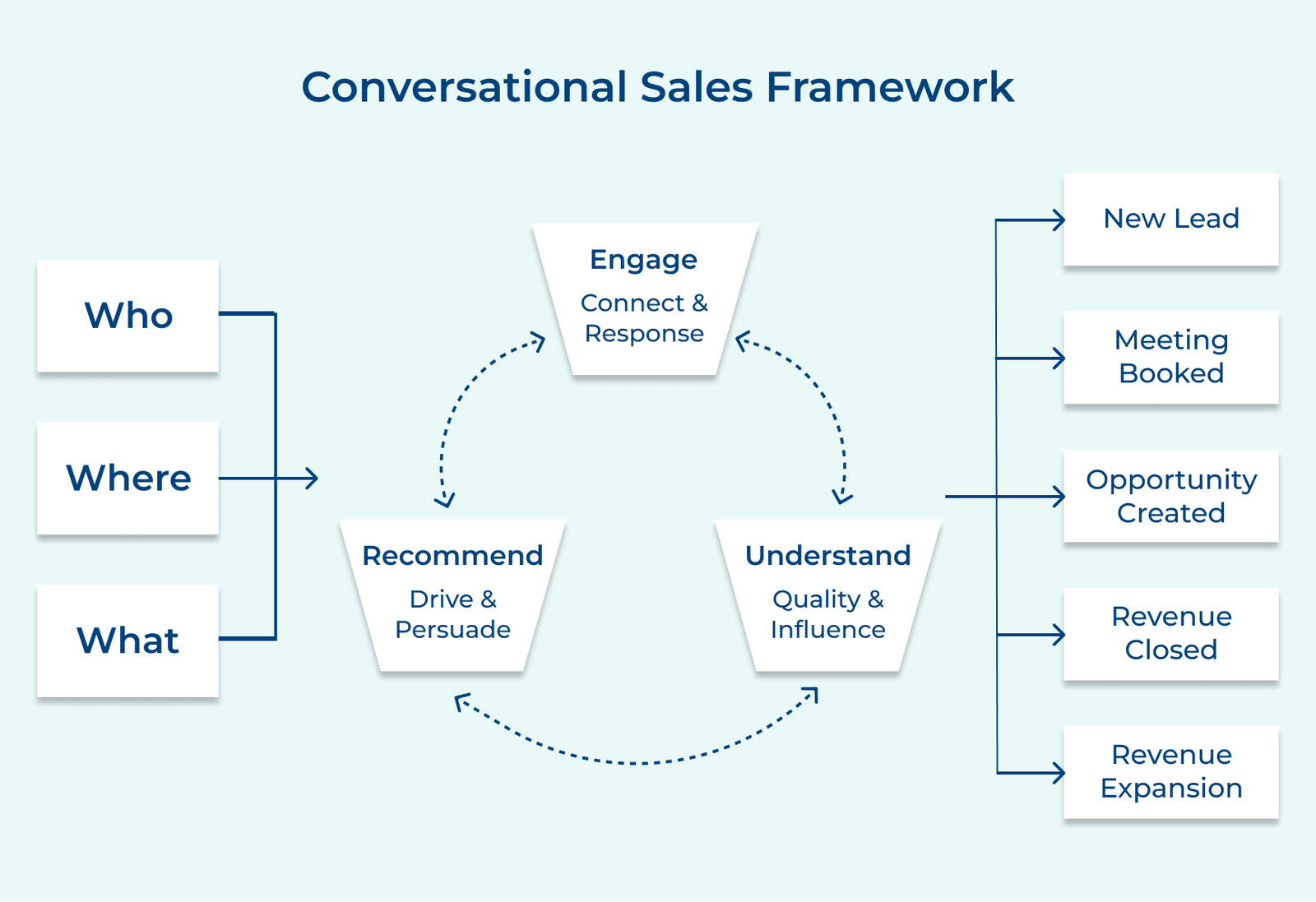
Conversational sales framework is a strategic approach that seeks to optimize sales and lead generation through meaningful conversations with prospects.

Conversational Sales Framework

1. Personalization

Conversational Sales Framework prioritizes personalization by tailoring conversations and offers to meet the unique needs of each individual. By gathering data on customer behavior and preferences, sales teams can deliver targeted messages as well as recommendations that forges a stronger connection with the customers.

2. Real-Time Engagement

Waiting days or even hours for a response is no longer acceptable. Real-time engagement is a vital aspect of the Conversational Sales Framework. Advanced chatbots and virtual assistants enable sales teams to engage with customers instantaneously, providing immediate assistance. This not only boosts customer satisfaction but also increases the likelihood of closing deals.

3. Segmentation

One size doesn’t fit all, especially in sales. The Conversational Sales Framework emphasizes the importance of segmentation, dividing customers into distinct groups based on their demographics, behaviors, and purchasing patterns. Tailoring the sales conversations to each segment maximizes the impact with customers on a deeper level.

4. Data-Driven

Data is the fuel that drives the Conversational Sales Framework. Analyze customers’ preference to get a peek into their pain points, purchasing habits, preferences, etc. Learning these nuances enables you to craft personalized messages, predict customer needs while also making smart decisions. A data-driven sales approach translates to consistent optimization to remain relevant.

5. Collaboration

Cross functional collaboration is essential in the Conversational Sales Framework. Sales teams must work in tandem with marketing and customer service teams to ensure seamless customer experiences as well as a unified brand image. Forge a collaboration to create a holistic sales approach that embraces the customer journey from start to finish.

Benefits of Conversational Selling

Conversational sales offers various benefits that can help businesses improve their sales performance. Here are some of the advantages of implementing a Conversational sales strategy:

Benefits of Conversational Selling

1. Generate more and high-quality pipeline: Conversational Sales enables sales reps to engage with prospects in real-time, providing them with instant solutions to their problems. It helps convert prospects into qualified leads, resulting in a higher quality pipeline.

2. Automate bookings: The tools can automatically schedule and confirm sales meetings without any need for follow-ups. The businesses save time for both sales reps and prospects, ensuring that meetings are scheduled on time.

3. Connect with ideal buyers faster than ever:Leveraging real-time sales tools and data enables sales reps to identify and connect with high-potential leads quickly.Hence, offering tailored solutions to address specific needs becomes easy.

4. Boost sales productivity: Conversational Sales tools automate the sales process, allowing sales reps to focus on building relationships with prospects and closing deals. This helps boost sales productivity, resulting in increased revenue.

5. Instantly engage your target accounts: Engage with target accounts instantly. Build relationships and trust with prospects, resulting in more successful conversions.

6. Auto recommendation and upsell features: The tools provide auto-recommendations and upsell features based on the customer’s preferences. Improve the customer experience and increase the chances of repeat purchases.

If you’re exploring practical strategies on how to increase online sales, conversational selling is one of the most effective starting points.

How to Build a Successful Conversational Sales Strategy

As businesses continue to adapt to new technologies, a conversational sales strategy has become an effective way to interact with customers instantly. Here is a step-by-step guide to build a successful conversational selling strategy:

How to Build a Conversational Sales Strategy

1. Define your Ideal Customer Profiles (ICP)

A clear customer persona is the foundation for building a successful conversational sales strategy. It helps tailor your approach to meet the specific needs of your target audience. Establish clear communication channels such as live chat to engage with customers in real-time and gather valuable feedback.
Start by conducting thorough market research and customer analysis to identify your target audience’s demographics. The information will guide your sales team in customizing their interactions while addressing customers’ specific concerns. Regularly update the ICP as your business and target audience evolve to ensure sales efforts remain relevant.

Best practices:

  • Analyze customer data and engagement patterns to identify key commonalities among your most successful customers.
  • Collaborate closely with your marketing team to align messaging, content, and targeting strategies based on your ICP.
  • Market dynamics evolve over time, so it’s important to regularly review your ICP to stay ahead of changing trends and maintain relevance in your sales strategies.

2. Build a Conversational Flow across All Touchpoints

A well designed conversational flow enables businesses to gather valuable customer data and insights. Whether it’s through websites, social media, email, or chatbots, customers expect a coherent experience. By maintaining a consistent conversational flow, businesses can engage with customers at different stages of the sales funnel (from initial awareness to post-purchase support).
Utilizing AI-powered technologies, businesses track customer interactions and identify pain points. You can then optimize sales strategies, personalize marketing campaigns as well as improve overall customer satisfaction. The ability to capture real-time customer feedback through conversation allows businesses to adapt and tailor their offerings.

Best practices:

  • Maintain a consistent brand voice across all communication channels.
  • Leverage customer data to deliver tailored experiences and relevant recommendations.
  • Ensure that customers can easily switch between different touchpoints without losing context.

3. Create Consistent Brand Messaging

When customers encounter consistent messaging across different channels, it creates a reliable brand image that resonates with them. A well-defined brand voice should be consistently used to deliver messages that are authentic, relevant, and compelling to the audience.
Learn the importance of consistent brand messaging and how it affects overall brand strategy. This involves understanding the target audience, preferences, and crafting messaging that speaks directly to them. Consistent messaging should be maintained across all touchpoints including websites, social media platforms, email marketing, and in-person interactions.

Best practices:

  • Establish guidelines that detail the key messaging elements such as brand values, core messaging points, tone of voice, and visual aesthetics.
  • Provide training and resources to your team members to ensure they understand the importance of consistent messaging.
  • Continuously assess the effectiveness of your messaging strategy by monitoring customer feedback, engagement, and conversions.

4. Offer a Multi Touch Follow up

A multi-touch sales approach involves reaching out to leads using various channels and methods over a period of time. A consistent sales follow-up strategy ensures you remain top-of-mind and nurture leads toward conversion. Address any objections and provide valuable information that moves them further along the sales funnel.
For example, after an initial conversation or meeting, you could send a follow-up email providing more detailed information and offering to schedule a demo. A few days later, you might make a personalized phone call to address any concerns. Finally, you could send a follow-up newsletter via social media to stay connected and continue the conversation.

Best practices:

  • Personalize your outreach by tailoring your interactions to each lead’s specific interests.
  • Follow up consistently to maintain momentum and demonstrate your commitment.
  • Use analytics and data to measure the effectiveness of different touchpoints while also adjusting follow-up strategy accordingly.

5. Automate the Common Sales Tasks

Sales professionals need to find ways to streamline their processes and focus their energy on building relationships with a constant stream of leads to engage with. This is where automating common sales tasks comes into play – it is crucial for building a successful conversational sales strategy.
Automating common sales tasks like data entry, email follow-ups, and appointment scheduling can free up their time to focus on what really matters. Sales professionals can prioritize their efforts, remove human errors while spending more time building meaningful relationships.

Best practices:

  • Start with a clear understanding of your sales processes and identify the tasks that can be automated without losing effectiveness.
  • Choose the right automation tools that integrate with your existing sales stack to maximize efficiency as well as minimize manual work.
  • Keep track of your performance metrics and fine-tune your automation processes to ensure continuous improvement.

6. Connect your Sales Stack for a Unified View

A unified view analyzes the effectiveness of your conversations across different channels such as phone calls, emails or live chats. With all customer data in one place, you leverage data-driven insights to enhance your lead nurturing process. Syncing your marketing automation platform with the sales stack ensures a seamless handoff of leads from marketing to sales and increases the chances of closing deals.
Integrating your customer support tools with the sales stack allows your team to have a complete picture of each customer interaction, regardless of the department involved. This way sales representatives can be better prepared, understand any prior issues a customer may have raised, and tailor their conversations accordingly.

Best practices:

  • Ensure that your sales stack integration is seamless and real-time to allow for accurate & up-to-date data analysis.
  • Establish consistent data governance practices to maintain data quality and security.
  • Regularly review the data gathered from your unified sales stack view to identify opportunities for improvement.
Conversational Sales Formula

The conversational sales formula breaks away from metrics-driven approaches, focusing instead on natural dialogue to connect with customers and drive sales.
The conversational sales approach prioritizes authentic sales conversations over metrics-driven selling, helping reps build deeper trust and tailor every interaction. Unlike conventional sales formulas that focus on numbers and percentages, this methodology emphasizes building meaningful connections through natural dialogue and understanding.

The formula follows a strategic yet organic flow:

1. Initial Connection: Creates a warm, welcoming environment where prospects feel comfortable engaging in genuine conversation. It sets the foundation for trust-building and meaningful interaction.

2. Active Listening: Sales representatives focus on deeply understanding customer needs, and goals through thoughtful questions, rather than rushing to present solutions.

3. Educational Engagement: Instead of aggressive selling, the approach focuses on teaching prospects about relevant solutions and benefits, helping them make informed decisions.

4. Personalized Solutions: Based on gathered insights, representatives customize their offerings to match specific customer needs, demonstrating understanding and commitment to solving their unique challenges.

5. Objection Navigation: Concerns are addressed naturally within the conversation flow, treating them as opportunities for further discussion rather than obstacles.

6. Guided Decision-Making: Customers are led through a natural decision-making process without feeling pressured.

Over the time, this formula has evolved to incorporate modern tools like chatbots and live chat systems, making it particularly effective for both B2B as well as inbound sales strategies. The key distinction is that whether implemented through traditional or digital channels, the focus remains on building lasting relationships rather than just closing deals.

Invest in Conversational Sales Tools

A conversational sales platform enables you to have personalized conversations with your prospects and customers. It is a messaging-based communication channel with analytics capabilities to monitor each conversation’s performance.

Here are some critical conversational sales tools for building a successful strategy:

  • Chatbots: Automated chatbots provide a basic level of customer support and can answer customers’ queries 24/7.
  • Messaging apps: Engage with your prospects and customers using popular messaging apps like WhatsApp, Facebook Messenger, WeChat, etc.
  • Live chat:Use live chat for sales to offer instant support throughout the buying journey. This builds trust, increases engagement, and accelerates conversions.
  • AI analytics: Harness the power of AI and machine learning to analyze customer data that improves your sales process continually

Top Conversational Sales Platforms

Conversational sales software offers a more personalized approach to sales, allowing businesses to have real-time conversations with their website visitors and convert them into regular customers.

1. Veemo Chat

Veemo Chat

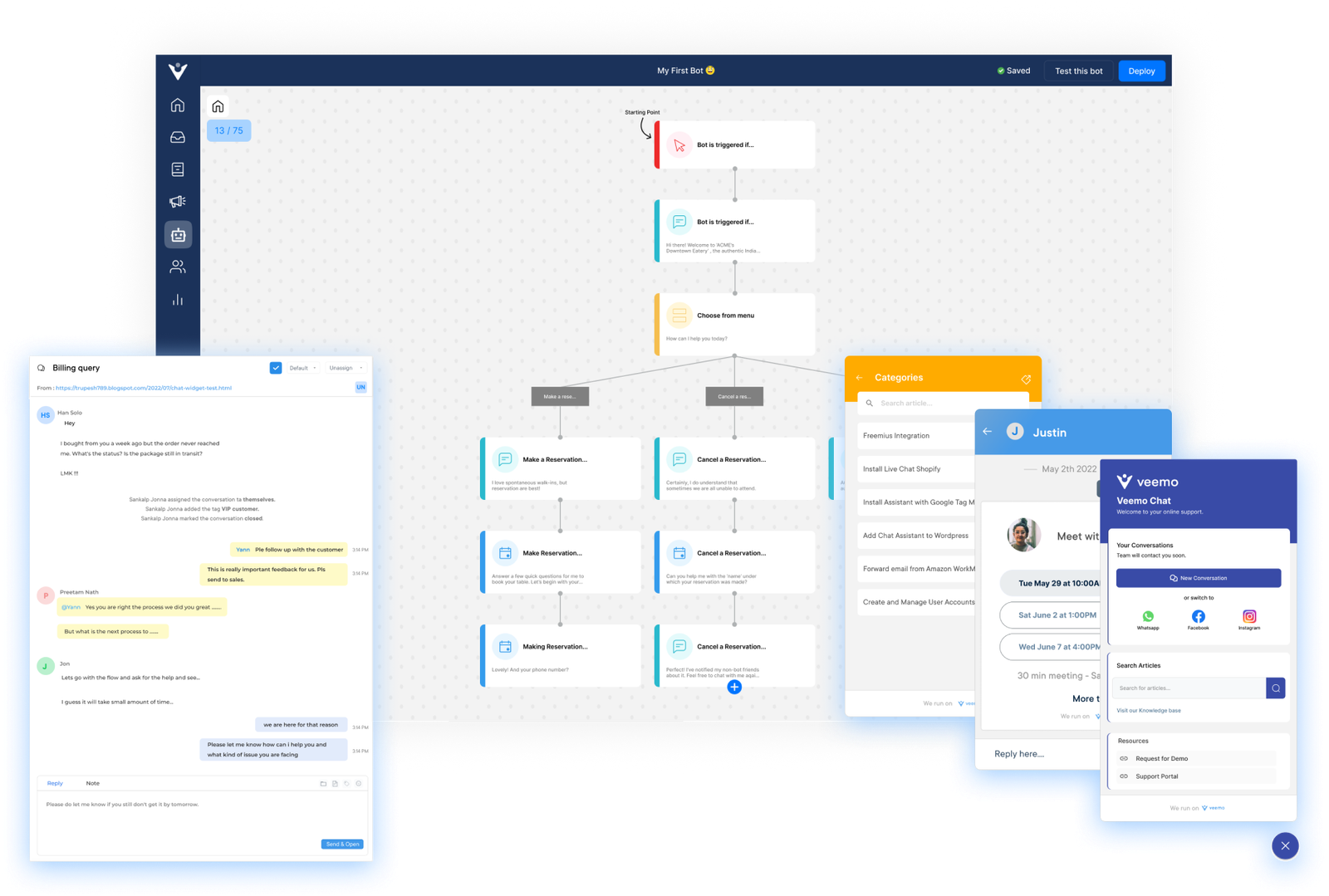
Veemo is an AI powered omnichannel conversational sales engagement platform. It enables businesses to engage with potential customers through live chat, chatbots, and personalized messaging. Brands can create engaging conversations that capture leads, answer inquiries, and provide real-time support. Its user-friendly interface allows businesses to easily manage conversations and track the effectiveness of their sales efforts.
The platform’s conversational sales capabilities are powered by intelligent chatbots that can be customized to match your brand’s voice and cater to specific customer needs. These bots initiate conversations, qualify leads, and even provide basic information, freeing up your sales team’s time to focus on other complex queries.
Veemo also provides valuable insights and analytics to help businesses optimize their conversational sales strategies. It allows you to track key metrics such as chat volume, response times, enabling you to identify areas for improvement and refine your approach.

2. Omni24

Omni24 Dashboard

Omni24 is another powerful conversational sales tool designed to improve customer engagement and boost sales. Omni24’s conversational sales capabilities include intelligent chatbots that can handle routine queries and automatically qualify leads. This automation not only streamlines sales processes but also facilitates lead generation and nurturing, resulting in higher conversion rates.
Omni24 also enables businesses to start personalized conversations with their website visitors or app users with live chat and omnichannel messaging. The tool goes beyond traditional chat windows and offers seamless integration with other business software such as CRM systems to provide a comprehensive view of customer interactions.

3. Drift

Drift is a conversational sales platform that makes the sales process more interactive with personalized customer experience. The tool allows businesses to initiate conversations with website visitors, proactively engaging them and guiding them through their journey. The tool also enables companies to tailor their sales pitch and offer relevant solutions, increasing the chances of closing a deal.

Drift’s chatbots are designed to mimic human conversations, providing a personalized touch while improving response times. These bots can also integrate with other business tools such as email marketing platforms or CRM systems to ensure a seamless customer experience across multiple channels.

4. Salesforce

Salesforce, a customer relationship management (CRM) platform encompasses various conversational sales tools. Right from Live Chat and Einstein Bots that help businesses streamline their sales processes, the tools provide personalized experiences to potential customers.

Einstein Bots powered by artificial intelligence take conversational sales to the next level. They can understand customer intents and engage in natural language conversations. These bots assist with a range of tasks from answering basic queries to recommending products based on customer preferences. Salesforce live chat enables real-time text-based conversations between sales representatives and customers.

Conversational Selling in a Nutshell

Conversational selling is a modern approach to sales that focuses on building personalized relationships with potential customers. It involves having meaningful conversations with people in order to understand their needs and tailor your sales approach to suit them. The approach involves using chat tools to hold real-time conversations with potential buyers and guide them through the buying process.

Conversational selling has tremendous benefits to sales efforts. It helps sales teams to better understand their ideal customers, access customer information, and build a better sales cycle. By focusing on customer satisfaction through personalized experiences, conversational sales makes it possible to retain customers for life. It’s a useful way to empower sales teams and improve sales methodology.

FAQs about Conversational Sales

Conversational sales starts by initiating a conversation with a potential customer through a chat widget or messaging app. A sales representative or chatbot then interacts with the customer, asking questions to gather information about their requirements. The representative or chatbot can then provide tailored recommendations, answer queries, and address concerns, ultimately guiding the customer towards making a purchase.

One of the key advantages of conversational sales is its ability to provide personalized interactions. By utilizing chatbots, businesses can offer immediate assistance & address customer concerns in real-time. This not only enhances the customer experience but also increases customer satisfaction. It allows companies to gather valuable data and insights about their customers, enabling them to tailor their marketing efforts.

Conversational Sales differs from traditional sales approaches by focusing on building relationships through personalized conversations instead of having rigid sales processes. It provides sales reps with access to customer information to tailor their approach to each individual customer which increases the potential for success.

Conversational sales can yield great results but there can be challenges too. Businesses need to strike the right balance between automation and human interaction to ensure genuine conversations. They also need to train their sales representatives or chatbots to handle various customer scenarios, adapt to different communication styles, and deliver consistent messaging. Businesses should continuously monitor conversational data to optimize the sales process.

Conversational sales can be seamlessly integrated with existing marketing strategies. By incorporating chatbots or live chat options on websites & social media platforms, businesses can capture leads and engage with potential customers in real time. It can be used in conjunction with email marketing campaigns to nurture leads through the sales funnel.

Conversational sales can be beneficial for businesses of all types and sizes. Whether you are in e-commerce, B2B services, implementing it can enhance customer experience, drive sales, and improve overall marketing efforts. It is essential to adapt the strategy to fit your specific industry and target audience. Conducting thorough market research and understanding customer preferences will allow you to tailor the approach for optimal results.