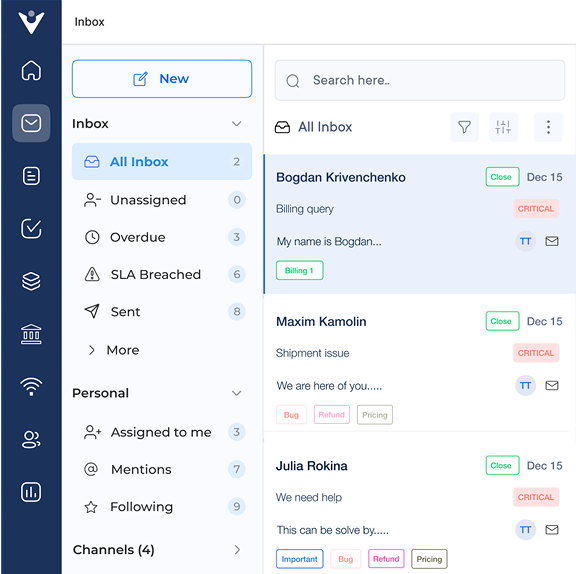
1. Contact Management
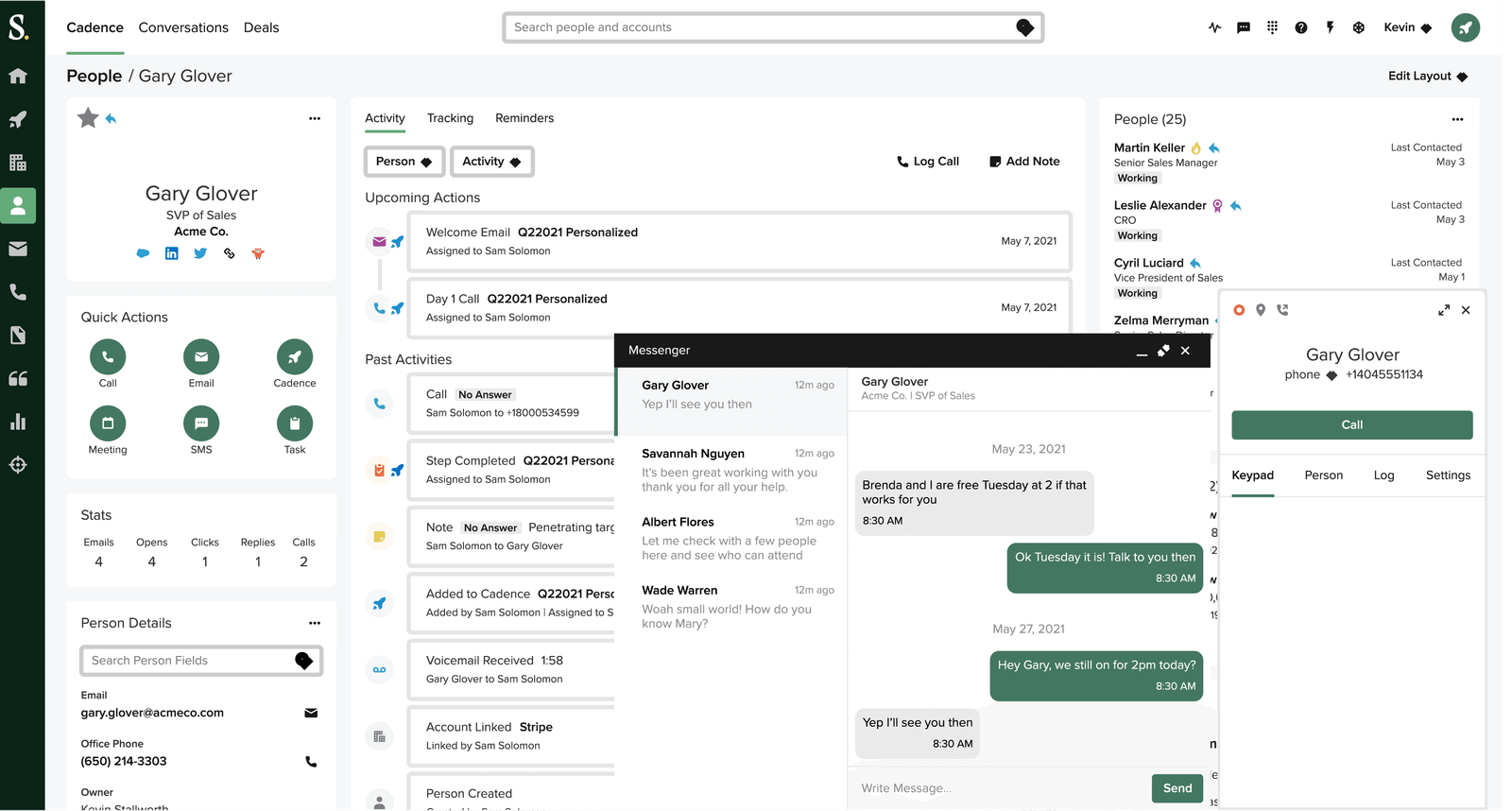
A strong contact management system forms the backbone of sales acceleration software. Teams keep customer details, interaction history and communication notes organized in one place.
Advanced platforms go a step further with AI-powered insights. They help identify the best times to follow up, uncover buying signals and highlight sales opportunities based on each contact’s behavior.
2. Sales Pipeline Visualization
Pipeline visualization provides a customizable overview of every stage in the sales process. The reps can track deal progress, identify bottlenecks and focus on opportunities that need attention. Drag-and-drop functionality makes it easy to move deals between stages, keeping pipeline records updated and sales activities organized.
3. Email Automation
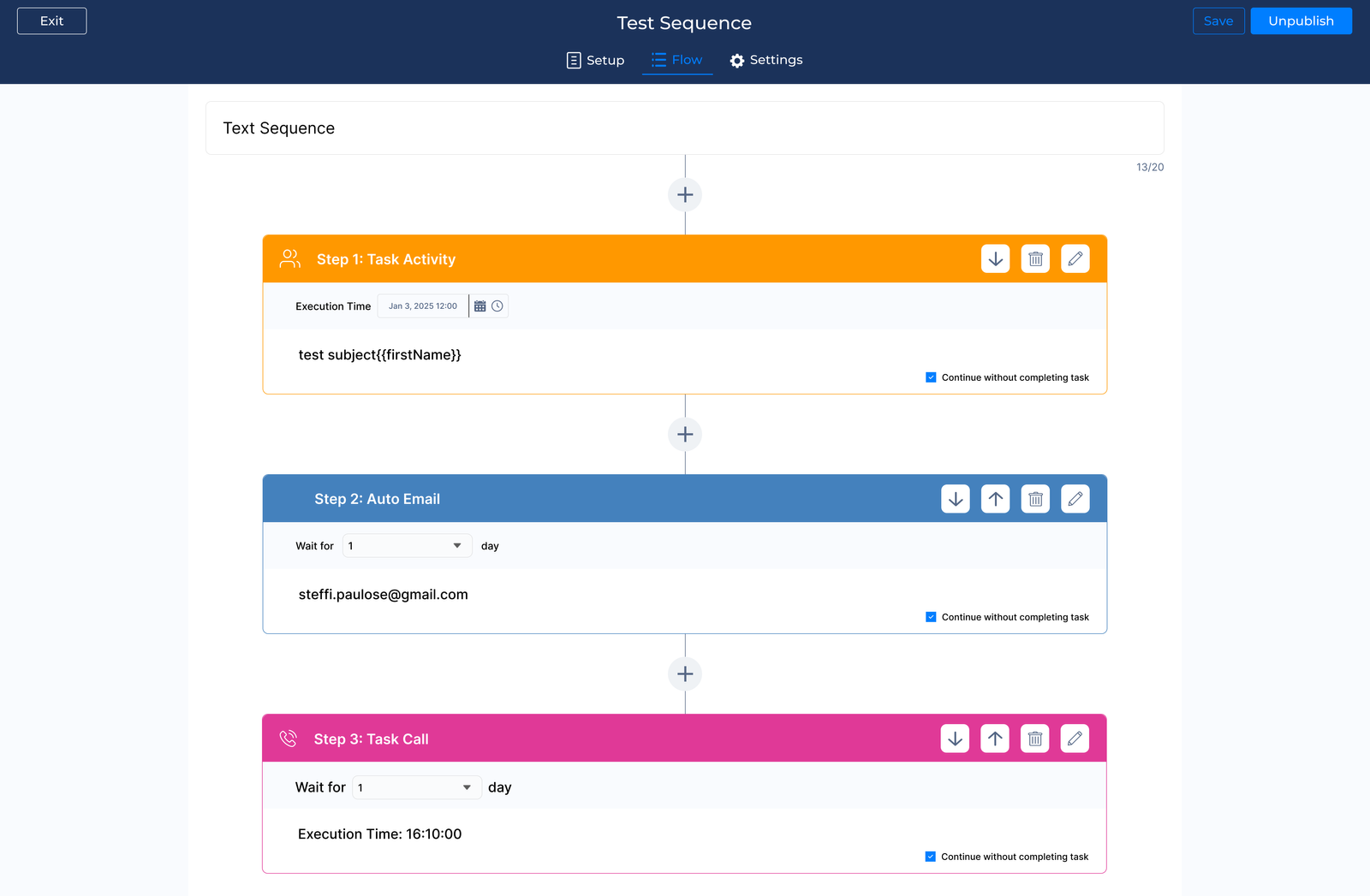
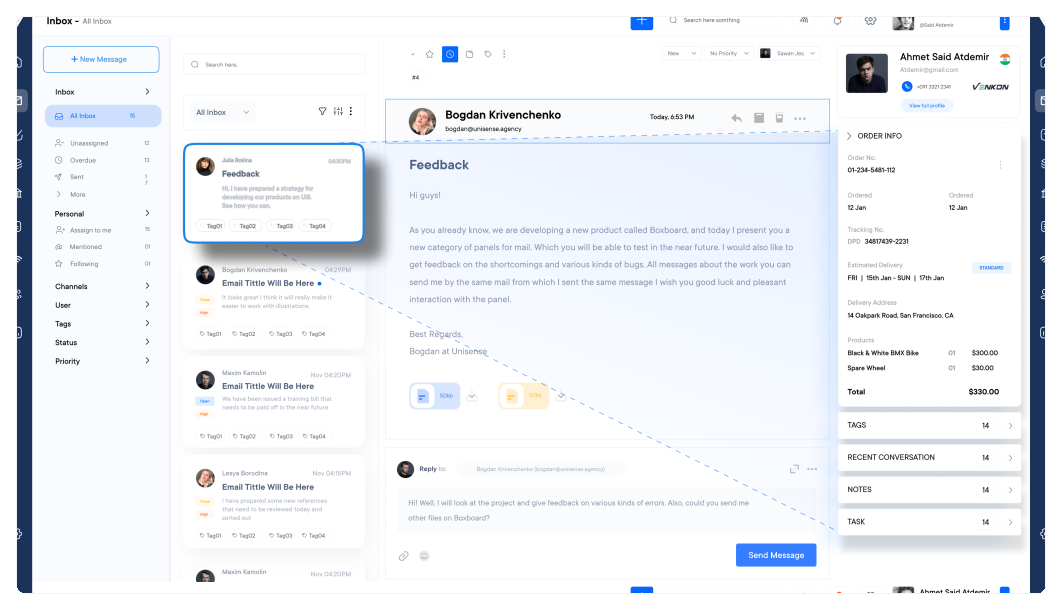
Email automation simplifies prospect communication by scheduling timely emails and maintaining consistent follow-ups throughout the customer journey. Core features include customizable email templates, automated sending and engagement tracking to monitor recipient responses.
Advanced platforms also use AI to suggest relevant content. It helps businesses personalize messages at scale and connect email campaigns with other communication channels for more coordinated outreach.
4. Sales Forecasting & Planning
Predictive analytics helps businesses make informed sales decisions by turning historical performance and current pipeline data into reliable forecasts. These insights allow teams to set achievable targets, anticipate revenue gaps, and adjust sales strategies before performance starts to decline.
6. Reporting & Analytics
Comprehensive reporting tools help businesses track sales performance, measure team productivity and assess overall business health. Customizable dashboards and real-time reports make it easier to identify areas that need attention. Advanced platforms also use predictive analytics to uncover emerging trends and recommend improvements to sales processes.
7. Workflow Automation
Workflow automation reduces manual work by automatically assigning leads, creating tasks when deals move between stages and scheduling timely follow-ups. As these routine activities are automated, sales teams can maintain consistent processes while giving reps more time to move deals forward.
8. Multi-channel Lead Capture
Multi-channel lead capture brings prospects into the sales pipeline through website forms, social media, events and partner networks. Advanced systems also use lead scoring to identify prospects with the highest conversion potential. It helps the sales reps prioritize follow-ups and focus their efforts on leads most likely to become customers.