Lead Generation What is Lead Generation

Lead Generation Guide: Benefits, Strategies & Metrics

Discover the ultimate lead generation guide, consisting of benefits, proven strategies and expert tips to help you convert more customers effectively. Boost your sales funnel today!

No credit card required. Easy setup

Lead Generation What is Lead Generation

Trusted by Leading Brands

Unlock Endless Opportunities with Powerful Lead Generation!

Learn proven lead generation strategies to attract high-quality leads, engage your target audience and transform prospects into loyal customers.

Targeted Outreach

Empower the teams to attract high-potential prospects through carefully tailored strategies designed around your ideal customer profile. Ensure that every interaction resonates with the right audience!

Increased Visibility

Elevate your brand’s presence with enhanced visibility across various platforms. Now reach a broader audience more easily, capturing the attention of potential customers.

Lead Quality

Capture and qualify high-quality leads, ensuring your team maximizes conversion opportunities. Increase your chances of turning interest into action, making every effort more efficient and rewarding.

Engagement Strategies

Keep your audience engaged and your pipeline full with diverse strategies ranging from SEO to social media. Maintain a consistent presence across multiple channels to attract and nurture new leads continuously.

Conversion Optimization

Turn leads into loyal customers with a robust follow-up system and a suite of conversion optimization tools. Analyze every touchpoint and refine your methods to boost conversion rates.

Data-driven Insights

Maximize ROI by analyzing lead generation performance and refining your strategies. Leverage data-driven insights to make informed, strategic decisions that enhance overall performance.

Consumer attention keeps fragmenting, and traditional advertising keeps losing its grip, leaving companies struggling to attract customers who are actually ready to buy consistently.

Lead generation closes that gap: a focused approach to identifying and nurturing potential customers rather than casting a wide, generic net. Companies using it effectively see stronger customer acquisition and more sustainable growth over time.

This guide breaks down what lead generation actually means, its core benefits, and actionable strategies to help your team build a consistent pipeline of qualified prospects.

What is Lead Generation?

Lead generation refers to the process of attracting and converting potential customers into individuals or businesses interested in a company’s offerings. It involves identifying and cultivating potential buyers, also known as leads, through various marketing strategies. 

The process typically starts by attracting potential customers through content, social media, or email campaigns that address their needs. These efforts bring qualified prospects into the sales process, helping marketing teams create stronger opportunities for sales teams to convert. 

Key objectives:

  • Increase brand awareness and visibility in the target market.
  • Build a database of qualified prospects for future marketing efforts.
  • Nurture relationships with potential customers to guide them toward a purchase.
  • Generate a higher return on investment (ROI) for marketing initiatives.

Types of Lead Generation

Let’s delve into the various types of lead generation methods and explore which ones may be ideal for amplifying the business growth.

Types of Lead Generation 

1. Inbound Lead Generation
Inbound lead generation focuses on attracting potential customers by creating valuable content and experiences tailored to them. The approach aims to draw leads naturally rather than actively pursuing them.

2. Outbound Lead Generation

Outbound lead generation involves proactively reaching out to potential customers through various direct marketing methods. The approach is more traditional and involves pushing messages out to a target audience.

Here’s what common outbound tactics include:

  • Cold calling: Direct phone conversations with prospects who fit the ideal customer profile and may have a relevant business need. 
  • Cold emailing: Personalized email outreach tailored to specific prospects and their roles, challenges, or business priorities. 
  • Paid advertising: Targeted search or display campaigns designed to reach prospects based on their industry, interests or online behavior. 

3. B2B (Business-To-Business) Lead Generation
B2B lead nurturing specifically targets other businesses as potential customers. It often involves longer sales cycles and focuses on building relationships with key decision-makers.

4. Online Lead Generation
Online lead generation utilizes digital channels to attract and convert leads. The method leverages the internet’s vast reach and various online tools to capture potential customers’ interest.

Here’s how businesses typically generate leads online:

  • Social media ads: Targeted campaigns on platforms like Facebook and LinkedIn that reach specific audiences and drive them to take action.
  • Landing pages: Dedicated pages that give visitors relevant information while collecting their contact details.
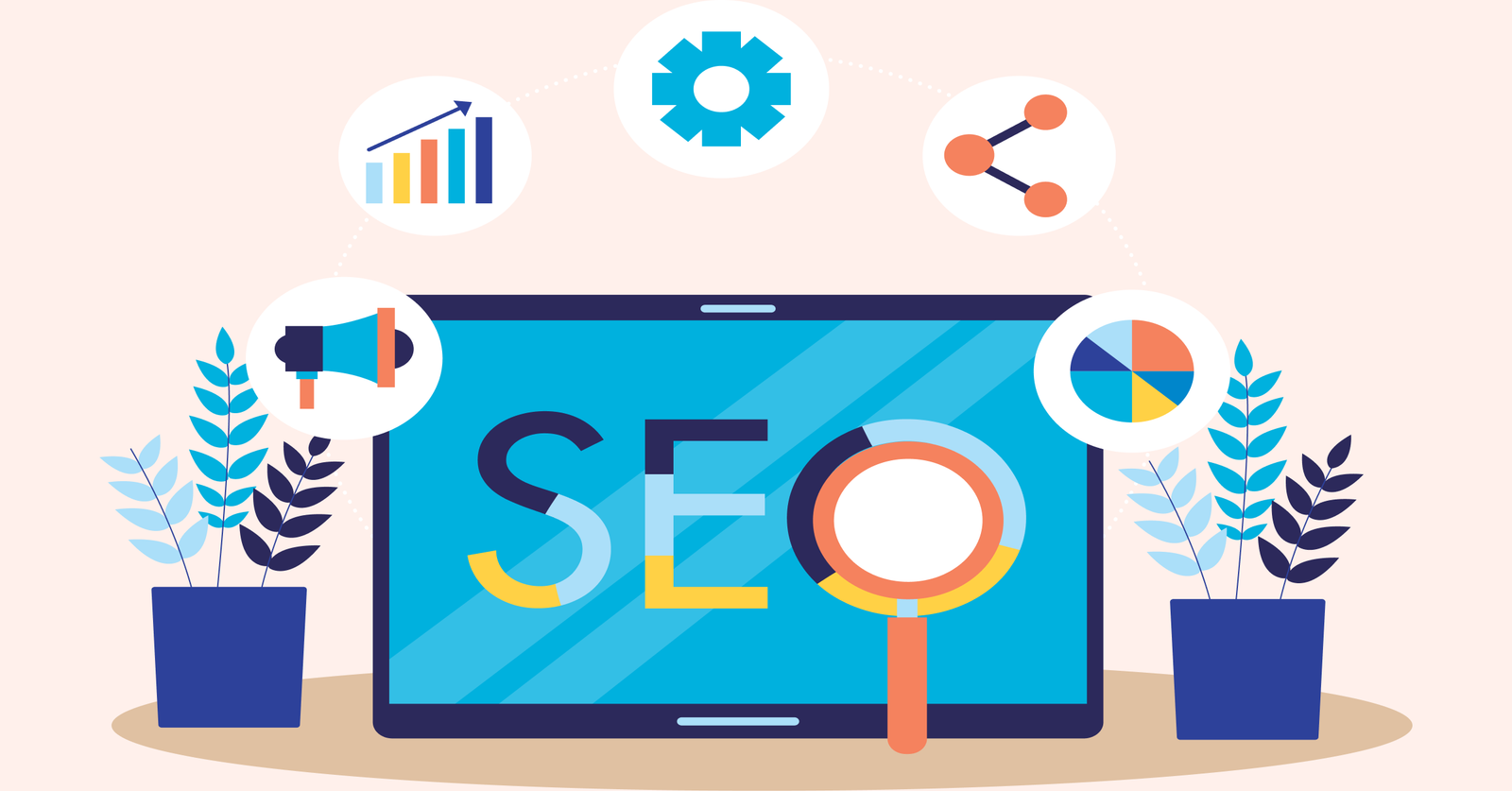
  • SEO driven content: Organic search traffic that leads visitors to useful resources, often in exchange for their contact information.

5. Offline Lead Generation
Offline lead generation involves traditional, non-digital methods of attracting potential customers. While often considered less cutting-edge, the methods can still be highly effective in certain industries or for reaching specific demographics.

Example: A local real estate agency sponsors a community event, setting up a booth where they offer free property valuations. Interested homeowners fill out a form with their contact details and property information. The agency uses it for follow-up calls and emails.

6. Hybrid Lead Generation
Hybrid lead nurturing combines both online and offline strategies to create a comprehensive approach. The method recognizes that potential customers may interact with a brand through various channels and aims to provide a seamless experience across all touchpoints.

Ways how hybrid strategies can connect offline interactions with digital follow-ups:

  • Trade show scans linked to email drips: Badge scans collected at events can trigger automated email sequences that continue the conversation after the event.
  • Phone inquiries logged into digital CRM: Calls generated through print or radio ads can be recorded in the CRM, allowing teams to continue nurturing those prospects through digital channels.

Omnichannel Helpdesk and Ticketing System

Turn Every Support Issues into Personalized Conversations with Veemo’s Omnichannel Helpdesk and Ticketing System. Make customer happiness your top priority with a digital first customer experience (CX) approach

Radically new solutions for data

Sed ut perspiciatis unde omnis iste natus error sit voluptatem accusantium doloremque laudantium, totam rem aperiam, eaque ipsa quae ab illo inventore veritatis et quasi architecto beatae vitae dicta sunt explicabo.

Radically new solutions for data

Sed ut perspiciatis unde omnis iste natus error sit voluptatem accusantium doloremque laudantium, totam rem aperiam, eaque ipsa quae ab illo inventore veritatis et quasi architecto beatae vitae dicta sunt explicabo.

The Lead Generation Process

Whether it is a seasoned marketer or just starting, understanding the key elements of a successful lead generation process is vital.

Lead Generation Process

1. Attract and Engage

The process begins with attracting potential customers to the business. It is done through various marketing channels such as content marketing, social media, SEO, paid advertising and events. The goal is to create awareness and interest in the product or service. Engaging content that addresses the target audience’s pain points or interests is crucial.

2. Capture Information

Once the business has attracted potential leads, the next step is to capture their information.
It usually involves encouraging visitors to provide their contact details in exchange for something of value, such as a whitepaper, ebook, or newsletter subscription. Here, landing pages with lead capture forms are commonly used tools.

3. Qualify Leads

Not all leads are created equal. It involves assessing the quality of leads based on criteria such as demographics, behavior, engagement level and likelihood to purchase. Lead scoring systems are often used to rank leads. They determine which ones are most promising and ready for sales follow-up.

4. Nurture Leads

Many leads aren’t ready to buy immediately. The nurturing stage involves building relationships with leads over time. It provides relevant information that addresses their needs and moves them closer to a purchase decision. Email marketing, targeted content and personalized communication are key strategies in lead nurturing.

5. Convert Leads

As nurtured leads progress through the sales funnel, the focus shifts to converting them into customers. It may involve direct sales outreach, product demonstrations, free trials, or special offers. The approach should be tailored based on the lead’s interests and stage in the buying journey.

6. Measure and Optimize

The final stage is ongoing measurement and optimization of the lead generation process. It involves tracking key metrics such as lead quality, conversion rates and ROI for different channels. Based on the insights, the process is continually refined to improve effectiveness and efficiency.

How to Generate Leads for Your Business: 9 Proven Strategies

The right lead generation strategy helps turn that initial interest into meaningful conversations and qualified opportunities. 

Effective Lead Generation Strategies 

1. Create Compelling Content

Creating compelling content is a powerful lead generation strategy that attracts and engages potential customers. Businesses can cater to different audience preferences by developing diverse content types such as ebooks, whitepapers and infographics. 

Incorporating high-quality visuals and engaging formats is crucial for capturing the audience’s attention. Visually appealing content not only enhances understanding but also increases shareability, extending the reach. Engaging formats like interactive infographics or video content can significantly boost engagement rates and encourage lead conversions.

Best practices:

  • Conduct thorough audience research to align content topics with their interests and pain points.
  • Implement a content calendar to ensure consistent production and distribution across various channels.
  • Include clear, compelling calls-to-action (CTAs) in every piece of content to guide leads toward the next step in the funnel.

2. Send Regular Emails

Sending regular emails is a powerful lead generation strategy that leverages direct communication with potential customers. Start by building and segmenting the email lists. Group subscribers based on demographics, behavior, or interests to ensure targeted messaging. 

Implement automated email campaigns to nurture leads through the sales funnel.
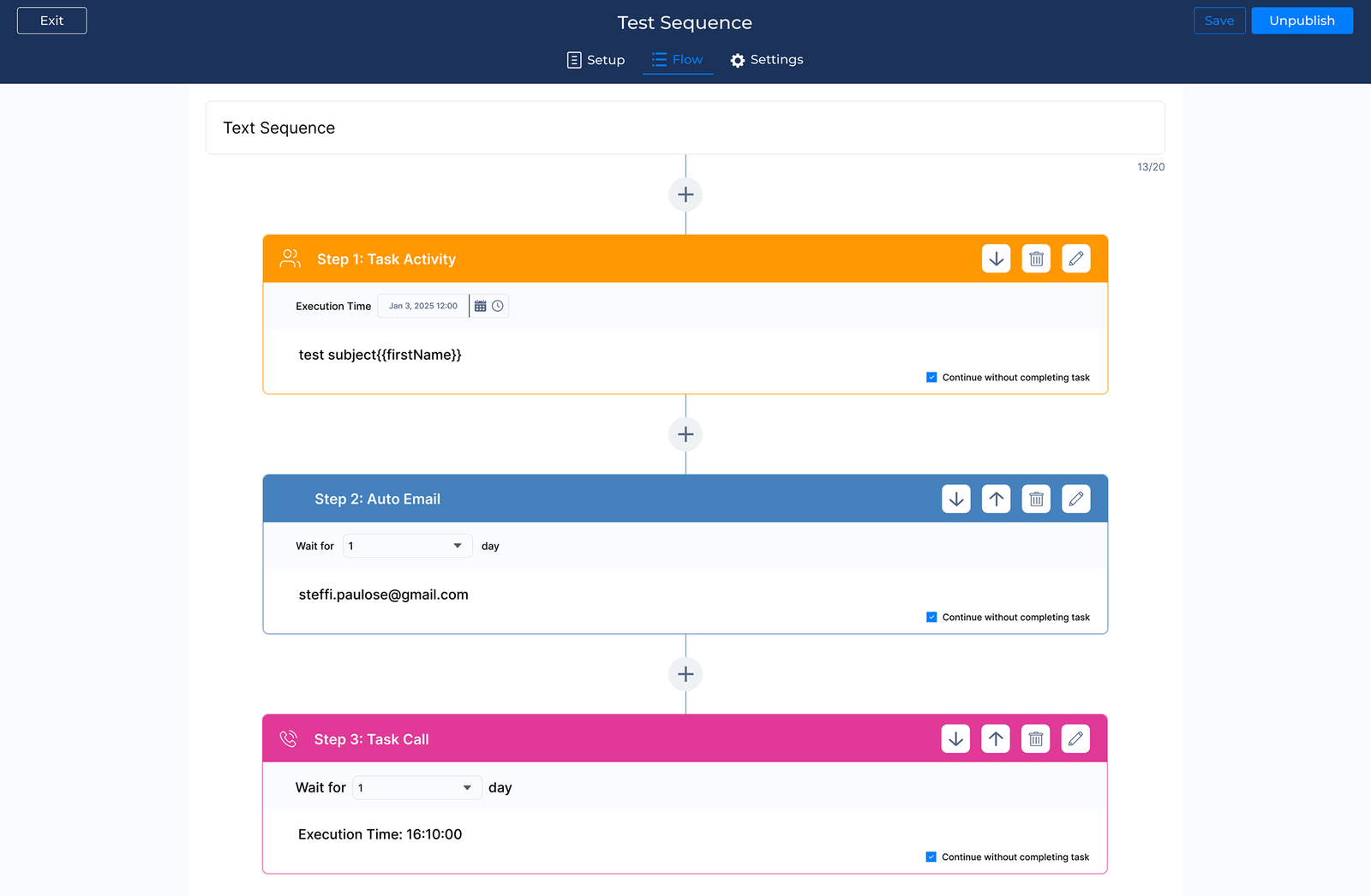
Set up welcome series for new subscribers, drip campaigns for nurturing leads and re-engagement campaigns for inactive subscribers. Automation ensures consistent communication and saves time while guiding leads toward conversion.

Best practices:

  • Use compelling subject lines to improve open rates and grab attention.
  • Provide valuable, actionable content that addresses subscriber needs
  • Include clear calls-to-action (CTAs) in each email to guide subscribers towards desired actions.

3. Use Social Media

Using social media for lead nurturing is a powerful strategy. Start by identifying which platforms the target audience frequents most. It includes LinkedIn for B2B leads or Instagram for younger consumers. Once the platform is chosen, focus on consistently sharing valuable, relevant content that addresses the audience’s needs and interests. 

Engagement is key on social media, so actively respond to comments, participate in discussions and build relationships with followers. Leverage paid social media advertising. The ads can help to reach specific demographics or behaviors that align with the ideal customer profile.

Best practices:

  • Use platform-specific features like Instagram Stories or LinkedIn Articles to showcase the expertise and capture leads.
  • Implement social listening tools to monitor brand mentions and industry trends, allowing for timely engagement.
  • Create lead magnets tailored to each platform’s audience, offering exclusive content in exchange for contact information.

4. Write Informative Blog Posts

Writing informative blog posts is a powerful lead-generation strategy. It establishes the brand as an industry authority, attracts organic traffic and provides value to potential customers. Businesses can address the audience’s pain points and showcase their expertise by consistently producing high-quality content.

Best practices:

  • Conduct thorough keyword research to identify topics the audience is actively searching for.
  • Promote blog posts across various channels, including social media and email newsletters, to maximize reach.

5. Offer Product Trials

Offering product trials is a powerful lead generation strategy that allows potential customers to experience the product’s value firsthand. Businesses reduce the barrier to entry and entice prospects to try their offering without financial commitment by providing limited-time free access.

Ensuring a smooth onboarding process is crucial during trials. It helps users quickly grasp the product’s benefits and features, increasing the likelihood of conversion. Following up with trial users is equally important. Regular check-ins, personalized support and targeted communications can address any issues. 

Best practices:

  • Set clear trial duration and limitations. It helps to create urgency and prevent abuse.
  • Implement automated onboarding emails and in-product tutorials to guide users effectively.
  • Use analytics to track trial usage, informing personalized follow-ups and conversion strategies.

6. Ask For Referrals

Asking for referrals is a powerful lead generation strategy that leverages the existing customer base to attract new clients. Businesses tap into the trust and relationships the satisfied customers have with their networks by implementing a referral program. 

Making the referral process easy is crucial for maximizing engagement. Provide clear instructions, user-friendly forms and multiple channels for referrals to ensure seamless participation.

Best practices:

  • Identify the best customers and personally ask them for referrals.
  • Create a dedicated landing page for the referral program with clear benefits and instructions.
  • Follow up promptly with both the referrer and the new lead. It helps to maintain momentum and show appreciation.

7. Organize Industry Events

Organizing industry events is a powerful lead-nurturing marketing strategy that allows businesses to connect directly with potential clients and partners. Companies can showcase their expertise and provide valuable insights, attracting interested prospects by hosting webinars or workshops. 

Participating in trade shows offers opportunities to display offerings, engage with attendees and gather contact information for follow-up. Conducting networking events facilitates relationship-building and creates a platform for informal discussions about business needs.

Best practices:

  • Tailor event content to address specific pain points of the target audience.
  • Leverage social media and email marketing to promote events. It helps to maximize attendance.
  • Follow up promptly with leads gathered during events to maintain momentum and convert interest into action.

8. Collaborate with Other Businesses and Creators

Collaborating with other businesses and creators is a powerful lead-generation strategy that can expand reach. Businesses can create mutually beneficial relationships by identifying potential partners whose target markets align with them. 

Best practices:

  • Research and reach out to complementary businesses in the industry for partnership opportunities.
  • Create a content calendar for guest posts and cross-promotional activities to ensure consistent collaboration.
  • Establish clear goals and metrics to measure the success of the collaborative marketing efforts.

9. Build a Community

Building a community is a powerful lead-generation strategy that enhances engagement and trust. Businesses provide a platform for potential customers to interact, share knowledge and seek advice by creating forums or discussion groups centered around their industry. 

Encouraging user-generated content further strengthens community bonds and increases engagement. When members contribute their content, experiences, or insights, it adds authenticity and diversity to the platform. It helps in attracting more participants and potential leads.

Pro tips:

  • Consistently provide valuable, relevant content to keep community members engaged and coming back.
  • Implement a rewards system to incentivize active participation and high-quality contributions.
  • Regularly host virtual events or AMAs (Ask Me Anything sessions) to enhance real-time interactions and build stronger connections with community members.
Role of AI and Automation in Lead Generation

AI and automation are revolutionizing lead generation, making processes more efficient and effective. Here are six key roles they play in the critical marketing function:

1. Data Collection and Analysis
AI excels at gathering and processing vast amounts of data from various sources. It can analyze customer behavior patterns, market trends and social media interactions to identify potential leads. Machine learning algorithms can sift through the data to uncover insights that humans might miss.

2. Personalization at Scale
Automation allows for personalized communication with a large number of potential leads simultaneously. AI can segment audiences based on various criteria, content and offers for each group. The personalization increases the relevance of marketing efforts, improving engagement rates and the likelihood of converting leads into customers.

3. Chatbots and Conversational AI
AI-powered chatbots can engage website visitors 24/7, answering questions, providing information and even qualifying leads. The conversational interfaces can handle initial interactions, freeing up human resources for more complex tasks.

4. Predictive Lead Scoring
AI algorithms can analyze historical data to predict which leads are most likely to convert. Businesses can prioritize their follow-up efforts by assigning scores based on various factors such as demographics, behavior and engagement history.

5. Automated Lead Nurturing
Automation plays a crucial role in nurturing leads through the sales funnel. AI can trigger personalized email sequences, social media interactions and other touchpoints based on a lead’s behavior. It ensures consistent and timely communication without overwhelming the marketing team.

Tips for Improving Your Lead Generation Campaigns

The article explores practical tips and strategies that can help businesses boost their lead generation campaigns.

Tips for Improving Your Lead Generation Campaigns

1.  Follow the Data

Data is the cornerstone of any successful lead-generation campaign. Regularly analyze the campaign metrics, customer behavior and market trends. Use the information to make data-driven decisions about targeting, messaging and channel selection.

Pay attention to key performance indicators (KPIs) such as conversion rates, click-through rates and cost per lead. Businesses can identify what’s working and what isn’t by closely monitoring the metrics. It allows businesses to refine their strategies and allocate resources more effectively.

2. Use the Right Lead Generation Tools

Invest in tools that streamline and enhance the lead nurturing efforts. Customer Relationship Management systems can help businesses manage leads throughout the sales funnel. Marketing automation platforms can handle repetitive tasks, freeing up the team to focus on strategy and creativity.

Analytics tools provide insights into campaign performance, while lead scoring software & tools can help prioritize the prospects. Choose tools that integrate well with the existing systems and align with the specific needs.

3. Create Offers for all Different Stages of the Buying Cycle

Recognize that potential customers are at various stages of the buying journey. Develop a range of offers that cater to each stage. Provide educational content like blog posts or whitepapers for those in the awareness stage.

Here’s how offers typically align with each stage of the buying journey:

  • Awareness stage: Educational blog posts along with whitepapers can introduce key topics, answer early questions and generate initial interest.
  • Consideration stage: Case studies and product comparisons provide relevant details that help prospects evaluate their options.
  • Decision stage: Free trials, demos and consultations give prospects a practical way to assess the solutions.

4. Keep the Messaging Consistent and Deliver On the Promise

Maintain a consistent brand voice and message across all the marketing channels. It builds trust and reinforces the brand identity. Ensure that the messaging aligns with the company’s values and unique selling propositions.

Most importantly, always deliver on the promises made in the marketing materials. If the business offers a free consultation, make sure it’s truly valuable and not just a sales pitch. Consistency builds credibility and encourages leads to progress further in their journey with the brand.

5. Link CTA to a Dedicated Landing Page

When creating a call-to-action (CTA), ensure it leads to a dedicated landing page rather than the homepage. The landing page should be specifically designed to convert visitors into leads.

The page should have a clear, compelling headline that matches the CTA, concise copy that highlights the benefits of the offer and a prominent form to capture lead information. Remove navigation menus and other distractions to keep the focus on conversion. Test different elements of the landing page to optimize its performance.

A high-converting landing page typically includes:

  • A clear headline: The headline should align closely with the CTA that brought the visitor to the page, so they immediately understand what to expect.
  • Concise copy: The copy should explain the offer’s key benefits clearly and give visitors enough information to understand its value without overwhelming them.
  • A prominent form: The form should be easy to find and quick to complete, helping visitors share their information without unnecessary steps or friction.

6. Use Social Media Strategically

Social media platforms offer powerful tools for lead generation, but it’s crucial to use them strategically. Identify which platforms the target audience frequents and focus your efforts there. 

Key considerations to make your social media efforts count:

  • Share valuable, relevant content: Your content should consistently address the audience’s actual interests.
  • Run targeted paid campaigns: They help reach new audiences or retarget past website visitors.

Why Is Lead Generation Important for Your Business?

Let’s delve into the key benefits of lead generation and understand why it should be a cornerstone of marketing efforts.

1. Increased sales opportunities: Lead generation creates a pipeline of potential customers, providing a steady stream of prospects for the sales team. The consistent flow of leads increases the chances of converting prospects into paying customers, boosting revenue.

2. Better targeting and qualification: Lead generation strategies help businesses identify and attract individuals or businesses that are more likely to be interested in the offerings. The targeted approach ensures that the sales team focuses their efforts on high-quality leads, improving conversion rates.

3. Cost-effective marketing: Compared to broad, untargeted marketing campaigns, lead nurturing allows for more precise use of marketing resources. Businesses can reduce wasted spend on uninterested parties by focusing on attracting and nurturing qualified leads.

4. Enhanced brand awareness: The process of lead generation often involves creating valuable content and engaging with potential customers across various channels. The increased visibility and interaction naturally boost brand awareness within the target market.

5. Valuable market insights: As businesses gather information about leads and interact with them, they gain insights into the target audience’s needs. The data can inform product development, marketing strategies and business decisions.

How to Measure the Success of the Lead Generation Strategy?

Here are seven key metrics to help businesses gauge the effectiveness of their lead generation campaigns:

How to Measure the Success of Lead Generation Strategy

1. Conversion Rate
The fundamental metric measures the percentage of visitors who take a desired action, such as filling out a form or signing up for a newsletter. Track conversion rates across different channels and landing pages to identify which strategies are most effective.

2. Cost Per Lead (CPL)
Calculate the total cost of the lead generation efforts divided by the number of leads generated. It helps businesses understand the efficiency of their spending and compare the cost-effectiveness of different channels or campaigns.

3. Lead Quality
Not all leads are created equal. Assess lead quality through lead scoring, which assigns values to leads based on their likelihood to convert. Monitor the percentage of qualified leads and how they progress through the sales funnel.

4. Customer Lifetime Value (CLV)
While not a direct lead generation metric, CLV is crucial for understanding the long-term value of lead nurturing efforts. It helps to determine how much the business can afford to spend on acquiring new leads.

5. Return on Investment (ROI)
Calculate the revenue generated from the lead generation campaigns relative to the cost. The overarching metric helps to justify the marketing spend and allocate resources to the most profitable channels.

6. Channel Performance
Track which channels (e.g., social media, email, content marketing) are bringing in the most leads and which are resulting in the highest quality leads. Businesses can focus their efforts on the most effective channels.

What are the Most Common Challenges of Lead Generation?

Lead generation is crucial for business growth, but it often comes with challenges. Here are six common obstacles and their solutions:

1. Not Defining the Target Audience
Casting too wide a net leads to wasted resources and low-quality leads. Develop detailed buyer personas based on market research, customer data and interviews. Use the personas to tailor the messaging and offerings. It ensures that businesses attract the right leads.

2. Poor Quality Content
Subpar content fails to engage potential leads or demonstrate expertise. Invest in creating high-quality, valuable content that addresses the audience’s pain points. Use a mix of formats (blog posts, videos, infographics) and focus on solving problems rather than just promoting the product.

3. Ignoring SEO Best Practices
Without proper SEO, the content may not reach the target audience through search engines.
Implement SEO best practices, including keyword research, on-page optimization and quality link-building. Regularly update the content to keep it relevant and maintain search rankings.

4. Neglecting Mobile Users
A poor mobile experience can deter a significant portion of potential leads. Ensure the website and landing pages are mobile-responsive. Optimize load times and design elements for smaller screens. Consider developing mobile-specific lead generation strategies, such as SMS marketing.

5. Overlooking Social Media
Failing to leverage social platforms misses opportunities to engage with potential leads. Develop a strategic social media presence on platforms where the target audience is active. Share valuable content, engage in conversations and use social media advertising to expand the reach.

Lead Generation: the Pathway to Success

Lead generation creates a steady flow of potential customers, giving businesses a reliable way to support growth and generate revenue. Effective strategies help teams identify prospects who show genuine interest and guide them toward meaningful conversations.

  • A structured lead generation approach helps businesses reach more relevant prospects and create new revenue opportunities.
  • Consistent prospect nurturing reveals customer needs and preferences that can shape business decisions.
  • Regular visibility keeps a business connected to its target audience and creates more opportunities to engage interested prospects.

FAQs about Lead Generation

Lead generation involves attracting and capturing potential customers’ interest in a product or service. It usually involves creating content, utilizing social media, search engine optimization and email marketing to generate leads. 

Marketers aim to convert the leads into sales through targeted advertising and personalized communication. Lead nurturing is essential for businesses to grow and expand their customer base.

Improve lead generation by creating quality content, optimizing landing pages, utilizing social media and implementing email marketing campaigns. Conduct A/B testing to optimize strategies, personalize communication and engage with potential leads. Use lead magnets like eBooks or webinars to capture contact information.

A/B testing helps identify what drives better results by comparing two versions of a webpage or piece of content with real visitors. Test a few key elements at a time and track their performance to understand which changes get more attention, engagement or conversions.

  • Headlines: Test different messages to see which ones capture attention and encourage visitors to keep reading.
  • Call-to-action buttons: Compare wording, color and placement to find what prompts more visitors to take action.
  • Imagery: Test different visuals to understand which images keep visitors engaged and support the page’s message.

Identifying the right audience starts with analyzing existing customers and researching their common behaviors. These insights help businesses create detailed buyer personas that reflect interests, buying behaviors and pain points related to the offering.

Tools such as Google Analytics and social media insights can then reveal how different audience segments interact with the brand. When businesses reviewing the insights regularly, it helps them refine their targeting, reach more relevant prospects and improve conversion rates across their marketing channels.

Lead generation can involve email marketing, content marketing, social media advertising and referral programs, with each approach supporting a different stage of the sales funnel. The right mix depends on how a business reaches potential customers, builds interest and moves them toward a purchase.

  • Offering free trials to let prospects experience the product firsthand.
  • Hosting webinars to educate and capture contact information.
  • Using interactive quizzes or chatbots to engage website visitors.

These techniques work together to attract potential customers and convert them into qualified, sales-ready leads over time.