1. Automated Lead Scoring
The feature assigns numerical values or grades to leads based on predefined criteria such as demographic information, online behavior, engagement level and firmographics. The system automatically calculates scores, allowing teams to prioritize high-value prospects. It ensures that the most promising leads receive immediate attention.
2. Automated Lead Nurturing
Lead nurturing involves developing relationships with potential customers throughout the buying journey. Automated lead nurturing uses predefined workflows to send personalized content, offers and communications to leads based on their behavior. Businesses can maintain engagement, educate prospects and gradually move them toward a purchase decision.
3. Reporting & Analytics
Comprehensive reporting tools provide insights into lead performance, conversion rates and sales pipeline health. The features often include customizable dashboards, real-time data visualization and the ability to generate detailed reports. Businesses can identify trends, optimize their lead qualification processes and make data-driven decisions by analyzing this data.
4. Contact Management
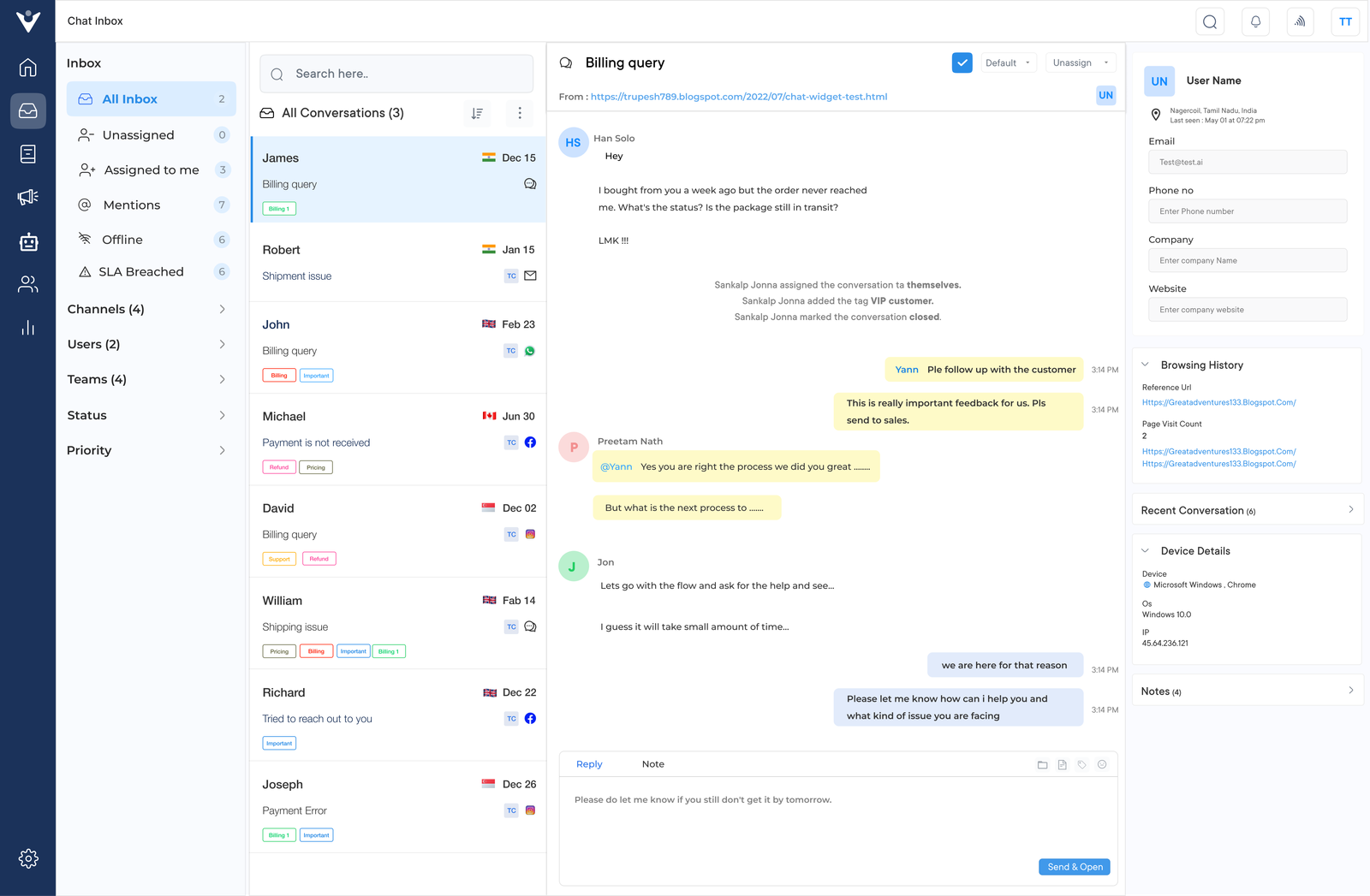
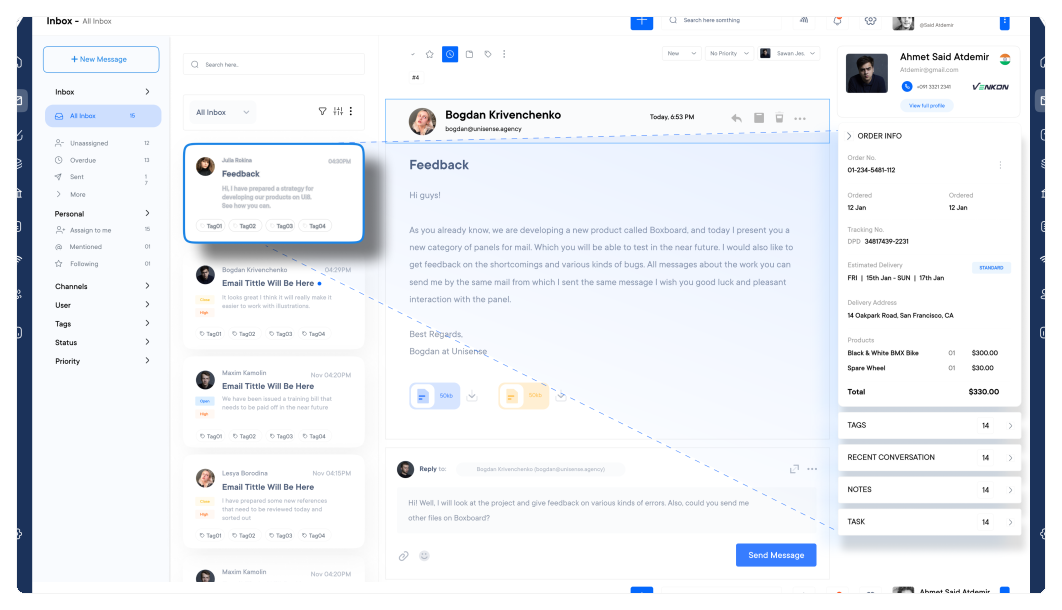
A robust contact management system is crucial for organizing and maintaining lead information. The feature typically includes a centralized database for storing contact details, interaction history and relevant notes. Effective contact management ensures that sales teams have quick access to up-to-date information about each lead.
5. Email Tracking
Email tracking capabilities allow sales teams to monitor when leads open emails, click on links or download attachments. The information provides valuable insights into a lead’s level of interest and engagement. Most platforms offer real-time notifications, enabling sales reps to follow up at the most opportune moments.
6. Workflow Automation
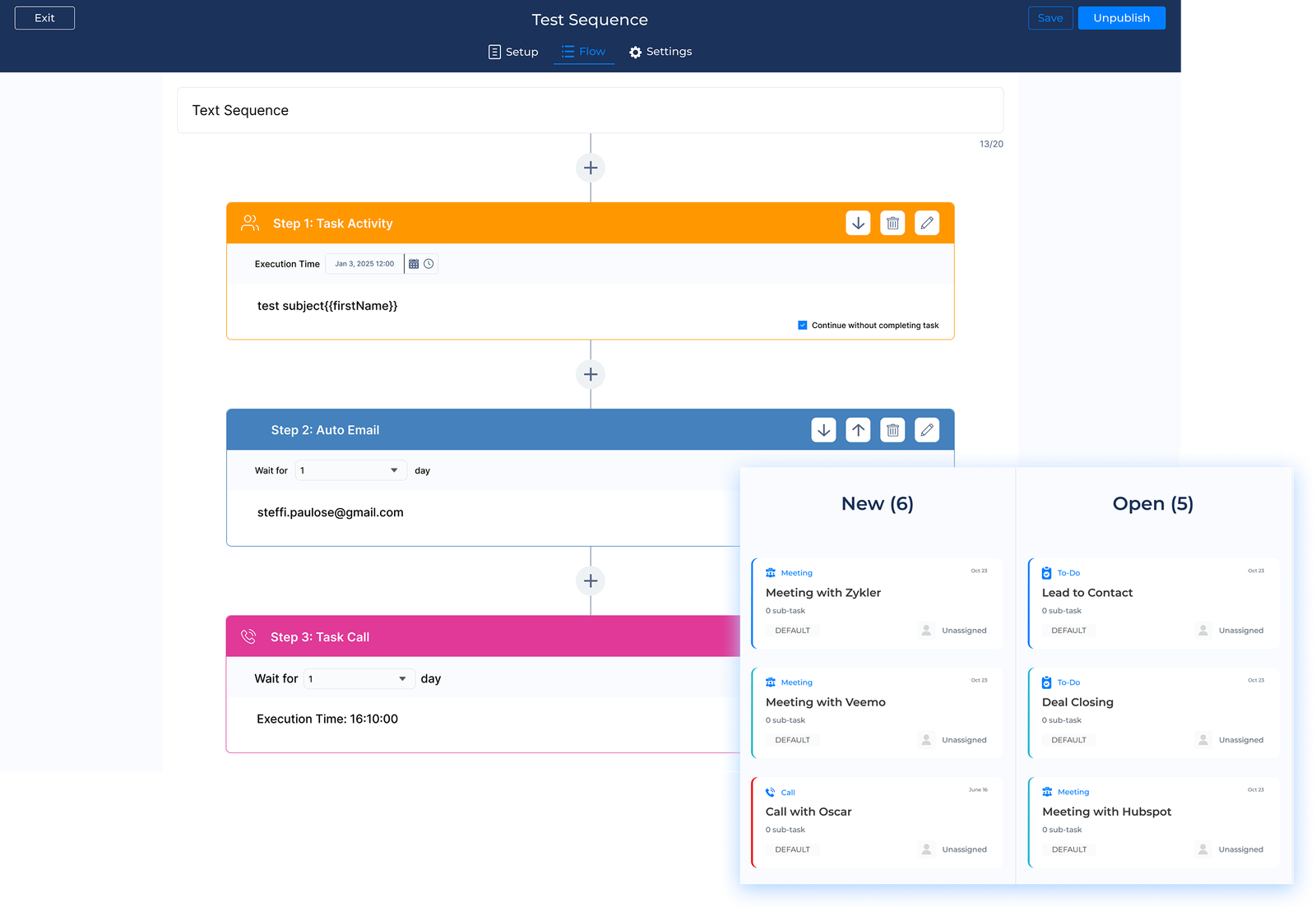
The feature allows businesses to create automated sequences of actions based on specific triggers or conditions. Let’s assume that when a lead reaches a certain score, the system can automatically assign them to a representative or trigger a specific email campaign.
7. Pipeline Management
Pipeline management features provide a visual representation of the sales process, showing where each lead stands in the buyer’s journey. It typically includes customizable stages, the ability to move leads between stages, and the ability to generate a sales pipeline report. The ales teams can track progress, identify bottlenecks and manage their sales pipeline more effectively.
8. Sales Sequences
Sales teams can create, customize and automate multi-step outreach campaigns. It might include a combination of emails, phone calls, social media interactions and other touchpoints. Sales sequences ensure consistent follow-up, reduce manual work and help maintain engagement with leads over time.