10 Best Lead Management Software Reviewed: The Buyer’s Guide (2026)

Explore the best lead management software to streamline lead capture, enhance nurturing and boost conversions. Find the perfect fit for optimizing your sales strategy and driving business growth.

No credit card required. Easy setup

Lead Management Software Tools Platform Solution

Trusted By Leading Brands

Lead Management Software to Transform Leads into Loyal Customers

Unlock the power of lead management software to turn prospects into loyal customers! Streamline your sales process and engagement with cutting-edge solutions.

Lead Management Software Tools Paltform Dashboard 1

Effortless Lead Capture

Leads can be automatically gathered from various channels, ensuring no opportunity slips through the cracks. Ensure every potential opportunity is captured without manual intervention.

Smart Lead Scoring

Prioritize leads based on engagement and the potential to focus on high-value prospects. Let the teams focus on high-value prospects who show strong interest and fit the ideal customer profile.

Automated Workflows

Effortlessly streamline your lead nurturing with powerful automated workflows. Personalize communication to keep the lead engaged and move them smoothly through the sales funnel.

Centralized Database

Effortlessly manage and access all your lead information in a single, organized hub. Streamline operations and boost efficiency with a centralized database that puts everything right at your fingertips

Lead Management Software Tools Paltform Dashboard 2

Leads often fall through the cracks because sales teams lack a clear system to track, organize and prioritize them. The sales reps end up spending time chasing the most vocal leads instead of focusing on prospects with genuine buying potential.

The best lead management software solves the problem by bringing customer data into one place and highlighting leads that deserve attention. Below, our guide explains the fundamentals of lead management and reviews the leading solutions available today, helping businesses build a more organized sales process.

What is Lead Management Software?

Lead management software refers to a specialized tool designed to help businesses track, organize and nurture potential customers (leads) throughout the sales process. It centralizes lead information and automates various aspects of lead handling. The software also provides insights to help sales teams convert leads into customers more effectively. 

The software captures and organizes leads from multiple sources, then scores them based on their likelihood of converting. It also automates timely follow-ups, tracks leads across pipeline stages and provides performance analytics. These insights help the sales teams identify opportunities and move more prospects toward purchase.

Comparison Table of Best Lead Management Solutions

Let’s delve into a comprehensive comparison table of the best lead management solutions to help businesses make the right choice for their organization’s growth.

Software Pricing (Monthly)
Plan/Free Trial  Key Features
Veemo Sales $29/user/month 14-days free trial
  • Lead Scoring
  • Email Tracking
  • Automation
  • Pipeline Management
  • Reporting
HubSpot Free-$1,200+ Free plan available
  • Contact Management
  • Email Marketing
  • Lead Nurturing
  • Workflow Automation
  • Analytics
Salesforce $25-$300/user 30-days free trial
  • Lead Assignment
  • Scoring
  • Nurturing
  • Analytics
  • Mobile App
Zoho CRM $14-$52/user 15-days free trial
  • Lead Capture
  • Scoring
  • Distribution
  • Workflow Automation
  • Social Media Integration
Pipedrive $14.90-$99/user 14-days free trial
  • Visual Pipeline
  • Lead Tracking
  • Email Integration
  • Ai Sales Assistant
  • Customizable Reporting
Zendesk $19-$99/user 14-days free trial
  • Lead Capture Forms
  • Automated Lead Routing
  • Email Templates
  • Pipeline Visualization
  • Reporting
EngageBay Free-$79.99/user Free plan available
  • Lead Scoring & Segmentation
  • Web Forms
  • Automation
Monday CRM $10-$20/user 14-days free trial
  • Visual Pipelines
  • Customizable Workflows
  • Automation
  • Integrations
  • Reporting
LeadSquared $25-$100/user 15-days free trial
  • Lead Capture
  • Distribution
  • Nurturing
  • Scoring
  • Analytics
Keap $79-$199/month 14-days free trial
  • Contact Management
  • Email Marketing
  • Pipeline Management
  • Automation
  • Reporting

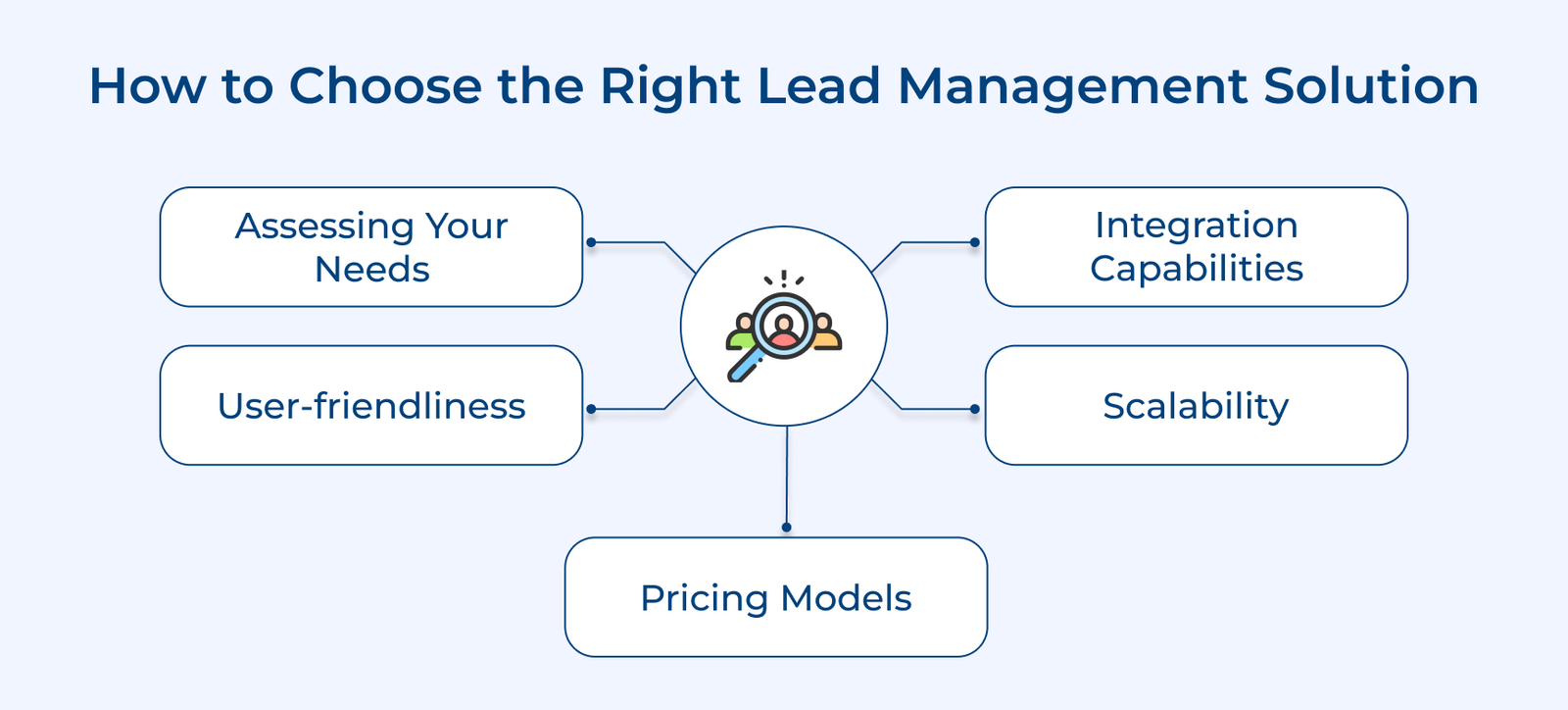
How to Choose the Right Lead Management Tool?

Let us go through the key factors to consider and provide practical tips for selecting the lead management solution that best supports the business needs.

How to Choose the Right Lead Management Solution

1. Assess the Business Needs
Start by identifying the specific requirements. Consider the sales process, the volume of leads the business handles and the growth projections. Determine which features are essential for the business, such as contact management, email marketing, or sales pipeline tracking.

2. User-friendly Interface
Choosing a solution with an intuitive interface is crucial for small businesses with limited IT resources. The software should be easy to navigate and use, requiring minimal training. It ensures quick adoption by the team and reduces the likelihood of user errors. Look for solutions that offer demos or free trials to test the user experience firsthand.

3. Integration Capabilities
Consider how well the lead management solution integrates with the existing tools and systems. Seamless integration with email, calendar, accounting software and other business applications can significantly enhance data consistency. Check if the solution offers APIs or pre-built integrations with popular business tools.

4. Scalability
While businesses choose for their current needs, it’s important to think about the future. Select a solution that can handle an increasing number of leads and users without compromising performance. Look for options that offer flexible pricing tiers or modular features that businesses can add as their business expands

5. Customization Options
Every business has unique processes and requirements. A good lead management solution should offer customization options to align with the specific workflows. It might include custom fields, personalized sales stages, or tailored reporting dashboards.

6. Reporting and Analytics
Data-driven decision-making is crucial for business growth. Look for a solution that provides comprehensive reporting and analytics features. It should offer insights into the sales pipeline, conversion rates, team performance and other key metrics. The ability to create custom reports and dashboards is a valuable feature for tracking specific KPIs.

7. Data Security and Compliance
Protecting the leads’ information is paramount. Ensure the chosen solution has robust security measures in place, including data encryption and regular backups. If the business operates in regulated industries or deals with international customers, verify that the software complies with relevant data protection regulations like GDPR.

10 Best Lead Management Software for Sales Team Reviewed

Choosing the right solution can be overwhelming with so many options available. Here is a list of the best lead management software:

1. Veemo Sales

Best lead management software for advanced lead scoring

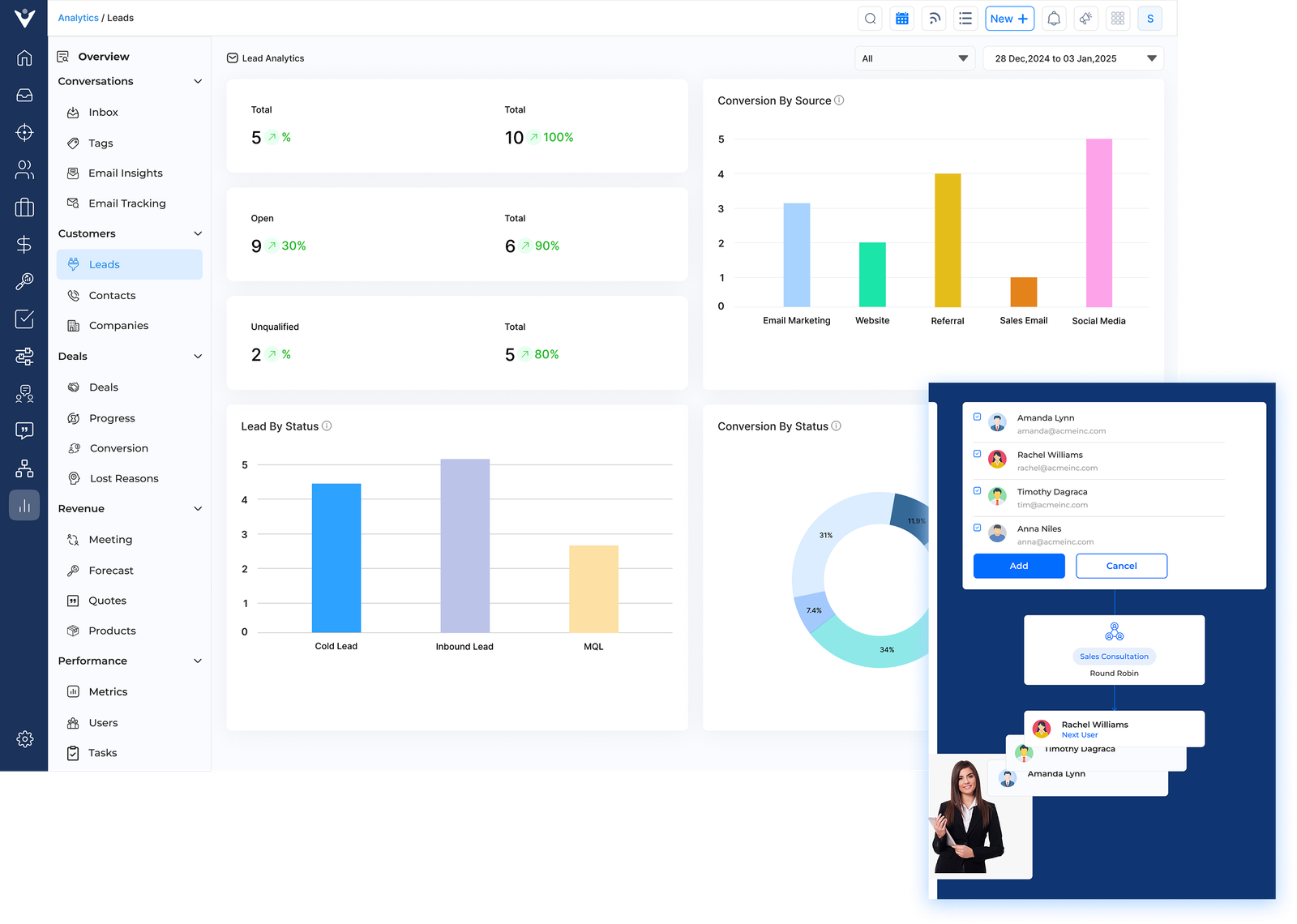
Veemo Sales Leads

Veemo Sales is a CRM platform focused on lead management, combining an intuitive interface with automation tools that help sales teams manage leads through every stage. Its cloud-based setup can support both small teams and larger sales organizations as their sales operations grow.

Sales teams can capture leads from multiple sources, score them based on their likelihood to convert and track the customer journey from initial contact to closed deal. A clear view of the sales pipeline helps reps focus on the most relevant opportunities while giving managers the insights they need to monitor performance and make informed decisions.

Key features:

  • Advanced lead scoring: Veemo Sales employs a sophisticated lead scoring model to score and prioritize leads based on various criteria automatically. Sales teams can focus on the most promising prospects.
  • Intuitive pipeline management: The software offers a visual, drag-and-drop pipeline interface with strong deal management features, enabling users to track and manage deals through various stages of the sales process.
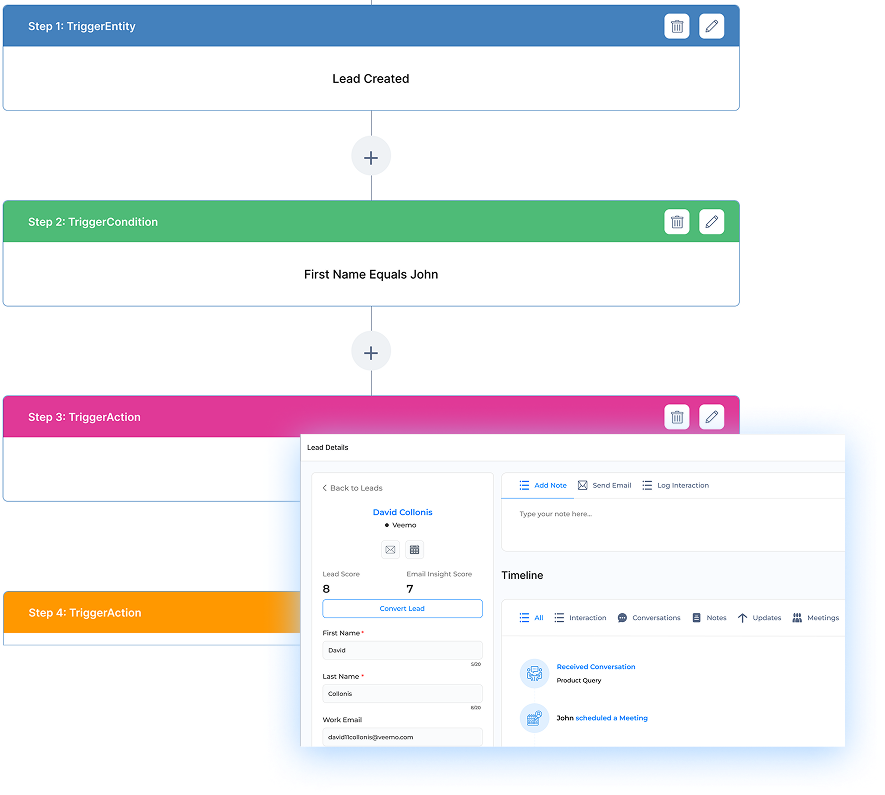
  • Automated workflow builder: Veemo Sales includes a powerful automation tool.
    Users can create custom workflows, triggering actions and notifications based on specific events.
  • Comprehensive reporting and analytics: The platform provides in-depth insights through customizable dashboards and reports. It offers real-time visibility into sales performance, lead conversion rates and other critical metrics.

Pricing: The Growth plan costs $29/user/month with 3 inboxes, 1 knowledge base and omnichannel support. The Team plan is $69/user/month with 10 inboxes, 3 knowledge bases and a support widget. The Enterprise plan is $129/user/month with unlimited inboxes, a client portal and advanced asset management. Visit Veemo’s pricing page for more details.

2. HubSpot

Robust lead management tool for contact management

HubSpot lead Generation Software

HubSpot is a cloud-based inbound marketing, sales and customer service platform that excels in lead management. The platform’s user-friendly interface and robust features make it suitable for companies of all sizes.

Key features include contact management, lead scoring, email marketing and automated workflows. HubSpot’s USP lies in its all-in-one approach, seamlessly integrating marketing, sales and service tools. The integration provides a 360-degree view of each lead, enabling personalized interactions and data-driven decision-making.

3. Salesforce

Seamless lead management solution for automated lead assignment

SalesForce Lead Generation Software

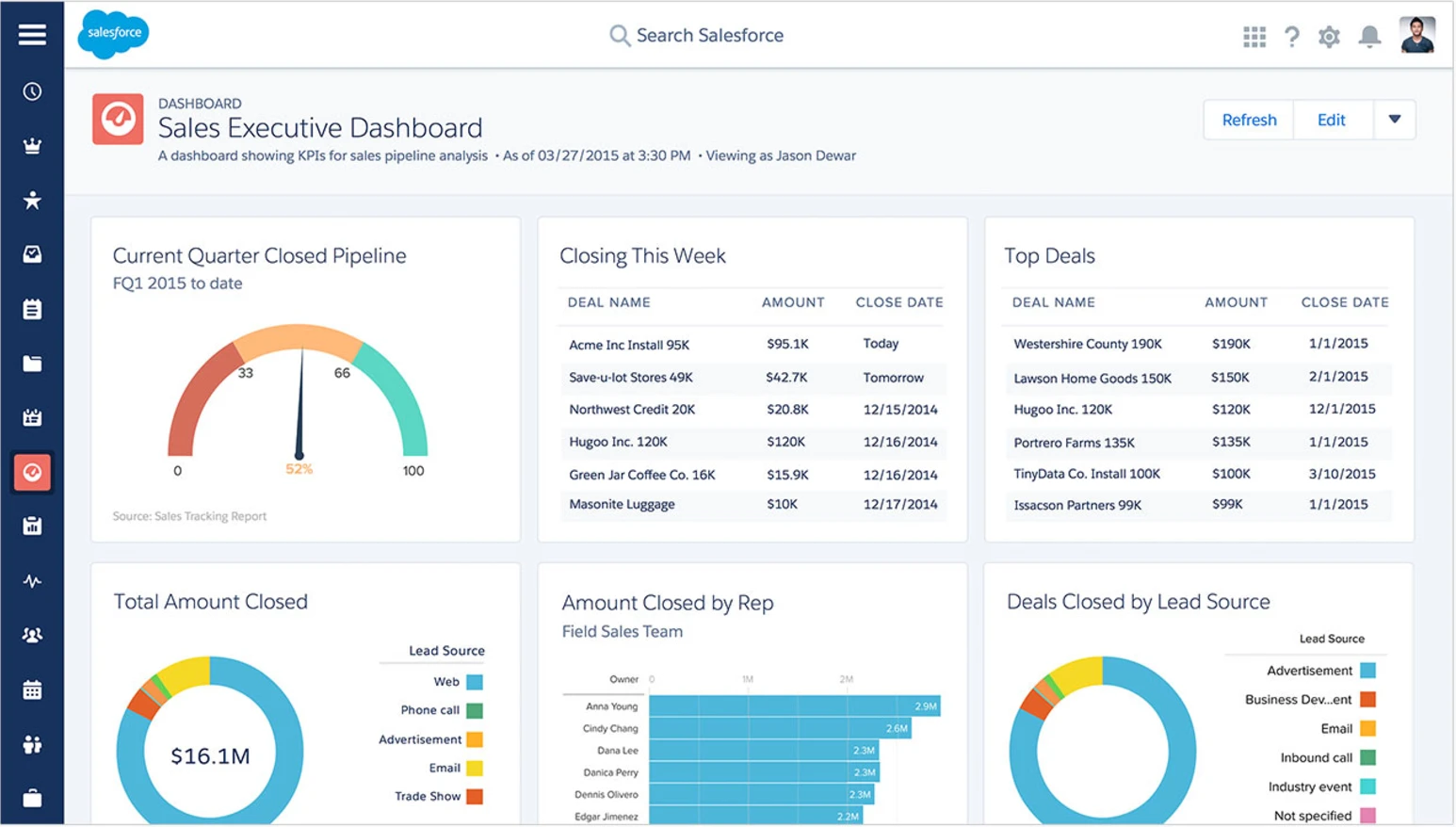
Salesforce offers a robust lead management solution to track, nurture and convert leads efficiently. The platform integrates sales, marketing and customer service functions. It offers a 360-degree view of each lead and customer interaction.

The solution consists of automated lead assignment, advanced scoring mechanisms and customizable sales processes. Salesforce’s USP lies in its scalability, extensive third-party integrations and AI-powered insights through Einstein AI. The platform’s mobile app ensures accessibility on the go, while its AppExchange marketplace offers numerous add-ons for enhanced functionality.

Pros:

  • Highly scalable so suitable for both growing teams and large enterprises.
  • Extensive customization and third-party integration options via AppExchange.

Cons:

  • Steep learning curve as it requires dedicated onboarding and training.
  • Higher price point compared to many other lead management platforms.

4. Zoho

Extensive lead management solution for lead scoring

Zoho Lead Generation Software

Zoho is a lead management platform that streamlines sales processes and enhances customer relationships. The platform offers a user-friendly interface with robust features for businesses of all sizes. The software provides a centralized hub for managing leads, contacts and deals.

Lead scoring, email automation, workflow management and advanced analytics are the standout attributes of the platform. The unique selling point is the seamless integration with other Zoho apps and third-party tools, creating a unified ecosystem for business operations. The AI-powered assistant, Zia, offers intelligent insights and predictions to boost sales performance.

Pros:

  • Affordable pricing relative to the depth of features offered.
  • Strong integration with the broader Zoho app ecosystem.

Cons:

  • Interface can feel cluttered for users new to the platform.
  • Customer support response times are inconsistent, per user reports.

5. Pipedrive

Comprehensive lead management platform for customizable pipelines

PipeDrive Lead Generation Software

Pipedrive is a powerful lead management software designed to streamline sales processes and boost productivity. The cloud-based CRM platform offers a user-friendly interface that visualizes the sales pipeline, allowing teams to track and manage leads effectively. The intuitive design helps sales professionals focus on high-priority activities and close deals faster.

Among the primary capabilities of Pipedrive are customizable pipelines, email integration, lead tracking, activity scheduling, and robust reporting tools. The USP lies in its visual approach to sales management and its emphasis on simplicity.

Pros:

  • Intuitive, visual pipeline that’s easy to adopt even with minimal training.
  • Strong focus on activity-based selling keeps the reps consistently engaged.

Cons:

  • Limited built-in marketing automation compared to all-in-one platforms.
  • Advanced reporting features require higher-tier, costlier plans.

6. Zendesk

Seamless lead engagement tool for automated lead routing

Zendesk Lead Generation Software

Zendesk is a customer service platform that offers robust lead management capabilities.
Businesses can capture, track and nurture leads throughout the customer journey. The platform integrates various communication channels into a unified interface for streamlined customer interactions.

Some of the highlighted features of the solution are customizable lead capture forms, automated lead routing and advanced analytics for tracking lead performance. The unique selling point is the seamless integration of customer support and sales functions.

Pros:

  • Strong unification of sales and support data for a full customer view.
  • Reliable automated lead routing reduces manual assignment work.

Cons:

  • Primarily built for support, so sales-specific features feel secondary
  • Pricing can escalate quickly for teams needing both sales and support tools

7. EngageBay

Robust lead management solution for live chat support

EngageBay Lead Generation Software

EngageBay is an all-in-one marketing, sales and customer service platform designed to help businesses streamline their operations. It offers a comprehensive suite of tools for lead generation, nurturing and management.

EngageBay offers a robust CRM system, email marketing automation, landing page builder and live chat support. The unique selling proposition lies in its ability to provide enterprise-level functionality at an affordable price point.

8. Monday

Extensive lead management system for customizable pipeline

Monday Lead Generation Software

Monday is a versatile customer relationship management platform designed to streamline lead management and sales processes. It offers a user-friendly interface that allows businesses to track, nurture and convert leads efficiently. The platform integrates seamlessly with various tools, providing a centralized hub for all customer-related activities.

Customizable pipelines, automated workflows and real-time collaboration tools are some of the standout features of Monday. The visual representation enhances team productivity and provides clear insights into the sales process.

Pros:

  • Highly visual, flexible interface adaptable to different workflows.
  • Strong real-time collaboration features for cross-functional teams.

Cons:

  • Not purpose-built for sales, so some CRM features may feel secondary.
  • Can require significant setup time to tailor workflows effectively.

9. LeadSquared

Seamless lead nurturing software for detailed analytics

LeadSquared Lead Generation Software

LeadSquared is a sales execution and marketing automation platform designed to streamline lead management. It offers end-to-end solutions for businesses across various industries, helping them capture, nurture and convert leads efficiently.

The platform consists of lead capture from multiple sources, automated lead scoring and customizable sales workflows. The unique selling proposition lies in its user-friendly interface, mobile-first approach and industry-specific solutions that cater to unique business needs.

10. Keap

Comprehensive lead management tool for sales pipeline tracking

Keap Lead Generation Software

Keap is an AI-powered lead management tool designed for small businesses and entrepreneurs. The tool combines customer relationship management (CRM), marketing automation and e-commerce tools into a single platform. It streamlines the process of capturing, nurturing and converting leads.

Keap offers contact management, email marketing, automated follow-ups and sales pipeline tracking. The USP is the integration of the features with e-commerce capabilities, allowing users to manage leads and sales in one place. Keap also offers customizable templates and a mobile app for on-the-go access.

Pros:

  • Built-in e-commerce tools make it a good option for small online businesses.
  • Strong automation for follow-ups reduces manual sales effort.

Cons:

  • Pricing is higher than comparable tools for very small teams.
  • Less suited for larger, more complex sales organizations.

What Features Make Lead Management Tools Effective?

Let’s explore the key features of lead management tools that can revolutionize sales and marketing strategies.

Features of A Lead Management System

Contact Management

Robust contact management is the core of any lead management system. The feature allows businesses to organize detailed information about leads and customers in a centralized database. Advanced systems offer customizable fields, tags and segmentation options to categorize contacts based on various criteria.

Lead Scoring and Routing

Lead scoring is a critical feature that helps prioritize leads based on their likelihood to convert. It works around assigning points to leads based on various factors so sales teams can focus on the most promising prospects. Lead routing works hand-in-hand with scoring, automatically assigning leads to the most appropriate representative based on predefined criteria.

Automated Lead Nurturing

The feature enables businesses to build relationships with leads who aren’t yet ready to buy.
It involves creating automated email campaigns or other touchpoints that provide valuable content to leads over time. The goal is to keep the company top-of-mind and gradually move leads through the sales funnel.

Sales Sequences

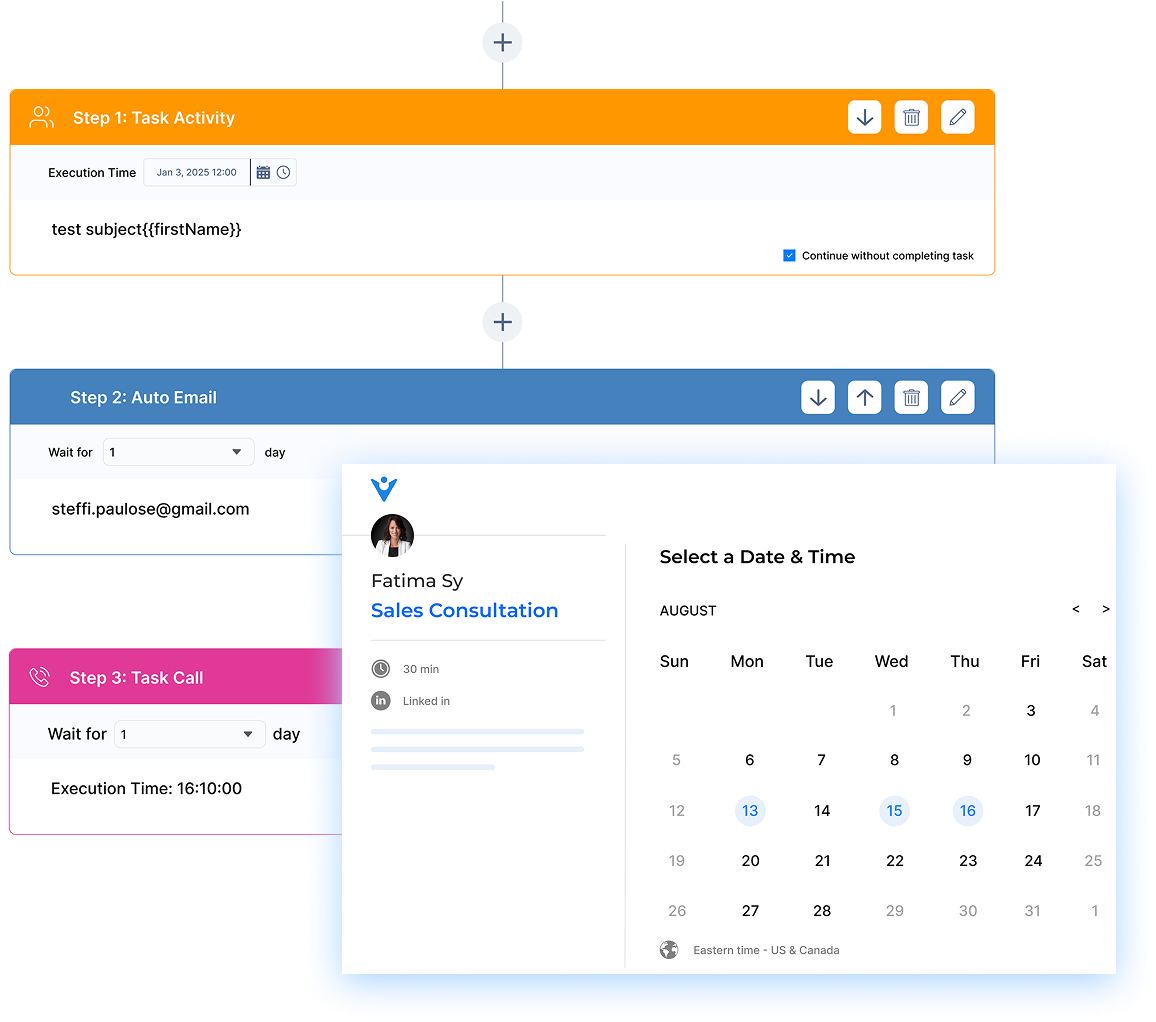
Sales sequences automate a series of predetermined actions, typically a combination of emails, calls and tasks. The feature ensures consistent follow-up with leads and helps sales teams maintain engagement without manual intervention. Sequences can be customized based on lead responses or lack thereof.

Multichannel Lead Inbox

A multichannel lead inbox consolidates all communications into a single interface with leads coming from various sources like email, social media, web forms and phone calls. The feature provides a comprehensive view of all interactions across channels, ensuring no lead falls through the cracks.

Reporting and Analytics

Comprehensive reporting and analytics tools provide insights into the effectiveness of lead management efforts. Businesses can also generate a detailed sales pipeline report with dashboards on conversion rates, pipeline value and sales team performance. Advanced systems may include predictive analytics to forecast future trends and outcomes.

Workflow Automation

The feature streamlines repetitive tasks and processes within the lead management system.
It can include automatic data entry, task creation and status updates based on predefined triggers. Workflow automation reduces manual errors, saves time and ensures consistency in lead management processes across the organization.

Appointment Scheduling

An appointment scheduling feature simplifies the process of setting up meetings with leads. It typically includes a self-service portal where leads can view available time slots and book appointments directly. The feature often syncs with team calendars, sends automated reminders and can even integrate with video conferencing tools for virtual meetings.
How We Evaluated These Lead Management Solutions

Here’s the research and testing process our team followed before compiling the list of the best lead management platforms available.

  1. Shortlisting criteria: We started by identifying platforms that have a strong market presence, an active user base and consistent visibility across industry rankings. It ensured our list was a compilation of tools businesses are actually adopting today.
  2. Direct vendor communication: Our team reached ed out to vendor sales and support teams directly. We posed as prospective buyers to experience the actual sales and onboarding process firsthand..
  3. Trial account testing duration: We tested each of these platforms over an extended trial period. It helped us test the consistency and see if any issues surfaced after initial setup. 
  4. Cross-team verification: Members of different teams independently tested the same platforms and compared them. It removed any sort of individual bias and ensured our conclusions reflected consensus rather than one reviewer’s personal preference.
  5. Update monitoring process: We look out for vendor announcements, changelogs and pricing page changes repeatedly. It’s done so that we can revise our list whenever a platform undergoes a significant feature or pricing update to keep the guide current.

Why Should Businesses Invest in Lead Management Software?

Exploring the key advantages of implementing lead management software is essential to manage leads and contribute significantly to overall business success.

Benefits of Lead Management Software

Improved Sales Operations Efficiency
A lead management system streamlines the entire sales process, from lead capture to conversion. It automates repetitive tasks such as data entry, lead assignment and follow-up reminders. The automation reduces human error and ensures that no leads fall through the cracks, improving the efficiency of sales operations.

Increased Team Productivity
Lead management software empowers sales teams to work effectively by centralizing lead information and supporting a broader sales enablement strategy, with easy access to customer data. Tasks can be assigned and tracked within the system, promoting accountability.

Data-driven Decision Making
Lead management application provides valuable insights through analytics and reporting features. The tools allow managers to track key performance indicators, identify trends and make informed decisions about sales strategies. Conversion rates and sales cycle length can help businesses optimize their sales processes.

Increased Lead Conversions
Lead management tools help businesses convert more leads into customers with features like lead scoring and automated nurturing campaigns. Sales teams can focus their efforts where they’re most likely to succeed by identifying the most qualified leads and providing timely follow-ups.

Consistent Messaging
Lead management software enables businesses to maintain consistent communication across all customer touchpoints. It ensures that all leads receive timely, on-brand messages throughout their journey by providing templates and automated workflows. Consistency helps build trust and reinforces the company’s value proposition, contributing to higher conversion rates.

Choosing the Best Lead Management Software to Boost Conversions

Taking control of leads starts with a system that keeps prospects moving forward instead of relying on scattered follow-ups. The best lead management software helps teams track each lead through the funnel, deliver relevant interactions and follow up at the right time.

  • Automated lead scoring and nurturing help teams focus their efforts on high-potential prospects.
  • Centralized lead data gives teams a clear view of every prospect, improving efficiency and reducing the risk of leads being overlooked.
  • Consistent and timely follow-ups keep prospects engaged throughout the buying process, creating more opportunities for conversion.

Explore Veemo Sales to see how it can support your team’s lead management process. As it brings lead data, follow-ups and nurturing into one system, teams can turn more opportunities into customers.

Last update: September 28, 2026

FAQs about Lead Management Software

The best lead management system for enterprises is Salesforce. Salesforce offers businesses a powerful platform to manage leads with its comprehensive features, customizable workflows and seamless integration with other tools. The analytics capabilities and CRM functionalities make it a top choice for organizations looking to streamline their lead management processes.

Lead management tools can help sales teams stay organized, track every interaction and follow up consistently throughout the sales cycle. However, adopting these tools also introduces practical challenges that teams need to consider before making a decision.

Costs, learning curves and excessive reliance on automation can create friction, especially when sales teams need to maintain genuine, personal conversations with prospects. A poorly managed system can make interactions feel impersonal, which may affect the trust and relationships that support long-term customer loyalty.

Building an efficient lead management process requires a few key steps that work together throughout the sales cycle, from the first interaction to conversion. A well-structured workflow typically focuses on the following areas:

  • Define the ideal customer profile to improve targeting and make lead qualification more precise.
  • Set up a lead scoring system to identify high-potential prospects and help sales teams focus their efforts.
  • Implement automated workflows to maintain timely follow-ups and reduce repetitive manual tasks.
  • Nurture leads with relevant content to keep prospects engaged as they move through the buying journey.
  • Analyze performance data regularly to identify gaps, refine the process and improve results across the sales organization over time.

Implementing lead management software can be challenging due to resistance from team members, integration issues, data migration complications and the need for constant updates. Overcoming the challenges requires thorough planning, effective communication and ongoing support to ensure successful implementation of the software.

Ensure data accuracy by regularly updating and cleaning the lead database. Align sales and marketing teams to communicate effectively. Implement lead scoring and routing to distribute leads efficiently. Regularly monitor and analyze metrics to optimize performance. Integrate with CRM systems for seamless lead management. Keep staff informed on software updates and best practices.