10 Best Ecommerce CRM Softwares Compared & Reviewed (2026)
Discover powerful Ecommerce CRM to boost customer retention, automate marketing and drive sales growth for your online business.
No credit card required. Easy setup

Trusted By Leading Brands


Discover powerful Ecommerce CRM to boost customer retention, automate marketing and drive sales growth for your online business.
No credit card required. Easy setup
Supercharge your strategy with e-commerce CRM solutions designed to personalize customer experiences, automate marketing and maximize conversions.

Unlock a 360-degree view of your customers with advanced real-time data analytics. Businesses can understand their customers and anticipate their needs with precision.
Transform your customer experience by leveraging AI-driven automation for tailored product offers. Elevate your brand’s connection with customers and watch loyalty flourish.
Let your teams engage with customers seamlessly, responding to inquiries when it matters most. Build trust by being present where your customers are!
Boost your business productivity with a unified platform that streamlines order tracking and sales performance analytics. Experience the difference that comprehensive sales management can make.

Businesses often struggle to manage customer relationships effectively, resulting in lost sales and diminished loyalty. The sheer volume of data and interactions can overwhelm even the most organized teams. Without a robust CRM system tailored for ecommerce, companies risk missing crucial opportunities to engage customers, personalize experiences and drive sales.
Enter the top ecommerce CRM software solutions. The powerful platforms are designed to streamline customer management, automate key processes and provide actionable insights. We’ll explore the ten best ecommerce CRM, comparing their features, pricing and real-world performance to help businesses choose the perfect tool for their business needs.
An ecommerce CRM (Customer Relationship Management) software refers to a specialized tool designed to help online businesses manage their customer interactions and marketing efforts. The software integrates customer data from various touchpoints in the e-commerce journey, providing a centralized platform for businesses to better understand and serve their customers.
The software works by organizing customer data from multiple sources, including website interactions, purchase history, support tickets and social media engagements. It then analyzes this data to provide insights into customer behavior, preferences and trends. The insights enable businesses to personalize marketing campaigns and optimize sales strategies.
Key objectives:
Here’s a brief comparison of e-commerce CRM software in table format to help businesses find the best choice for their team.
| CRM Software | Pricing (Monthly) |
Plan/Free Trial | 5 Key Ecommerce CRM Features |
| Veemo Sales | $29 | 14-days trial |
|
| Omnisend | $0 – $599 | Free plan available |
|
| Zoho CRM | $14 – $52 | 15-days trial |
|
| Salesforce | $25 – $300 | 30-days trial |
|
| Pipedrive | $14.90 – $99 | 14-days trial |
|
| HubSpot CRM | $0 – $1,200 | Free plan available |
|
| Freshworks | $15 – $69 | 21-days trial |
|
| Klaviyo | $20 – $1,700+ | Free up to 250 contacts |
|
| Capsule | $18 – $54 | 14-days trial |
|
| Copper | $23 – $119 | 14-days trial |
|
Let us explore the key features that make e-commerce CRM software an indispensable asset for online retailers looking to take their business to the next level.

The feature is the backbone of any CRM system. Businesses can store and organize detailed customer information in a centralized database. It includes purchase history, browsing behavior, demographic data and communication preferences for ecommerce. Effective contact management enables personalized customer interactions and targeted marketing efforts.
Email remains a crucial channel for ecommerce businesses. CRM software often includes robust email marketing tools that allow for the creation and automation of email campaigns. The tools typically offer templates, A/B testing capabilities and performance analytics to help businesses optimize their email strategies.
The feature provides a visual representation of the sales process, from lead generation to conversion. Ecommerce businesses can track potential sales at various stages, identify bottlenecks and forecast revenue. Sales pipeline visualization aids in prioritizing leads and allocating resources effectively to maximize conversion rates. This is especially useful for a b2b sales pipeline.
Automation is key in ecommerce CRM. Automated sequences allow businesses to set up predetermined actions based on specific triggers or time intervals. The feature includes welcome emails for new subscribers, abandoned cart reminders, or post-purchase follow-ups. The sequences ensure timely and relevant communication without manual intervention, improving the customer experience.
Ecommerce customers often interact through various channels like email, social media, live chat and phone. A multichannel inbox consolidates all the communications into a single interface. Customer service representatives can manage and respond to inquiries efficiently across all platforms, ensuring no customer interaction falls through the cracks.
This lead management software feature helps businesses track and qualify leads based on their likelihood to convert. Predictive lead scoring assigns values to leads based on their characteristics and behaviors, such as website visits, email opens, or product views. Sales teams can focus their efforts on the most promising prospects, increasing conversion rates and sales efficiency.
Data-driven decision-making is crucial in ecommerce. CRM software typically offers comprehensive reporting tools that provide insights into sales performance, customer behavior, marketing campaign effectiveness and more. The insights help teams to identify trends, measure KPIs and make informed strategic decisions to drive growth.
Businesses can automate repetitive tasks and processes. It could include order processing, inventory updates, customer service ticket routing, or follow-up reminders in ecommerce. The automation in workflow reduces manual errors, saves time and ensures consistency in business processes, leading to improved operational efficiency.
Effective communication is key to customer satisfaction and loyalty. CRM for ecommerce often includes various communication tools such as live chat, chatbots and social media integration. The tools enable businesses to engage with customers in real time, provide instant support and maintain relationships across multiple channels.
Lead nurturing involves developing relationships with potential clients throughout their buying journey. CRM software enhances the process by allowing businesses to create targeted content strategies based on a lead’s interests, behavior and stage in the sales funnel. Effective lead nurturing can significantly increase conversion rates and customer lifetime value.
Investing in a top-notch CRM software solution is essential for teams looking to optimize their eCommerce business. We’ve compiled a list of the 10 best eCommerce CRM software.
Best ecommerce CRM software to improve sales performance

Veemo Sales is an emerging Cloud CRM solution designed to help online businesses streamline their customer relationship management processes. The software offers a comprehensive suite of tools tailored specifically for the ecommerce sector, aiming to enhance customer engagement and improve business efficiency.
Veemo Sales is known for its user-friendly interface and affordable pricing structure. The affordability makes Veemo Sales an attractive option for small to medium-sized ecommerce businesses looking to leverage the power of CRM without breaking the bank.
Key features:
Pricing: The Growth plan costs $29/user/month with 3 inboxes, 1 knowledge base and omnichannel support. The Team plan is $69/user/month with 10 inboxes, 3 knowledge bases and a support widget. The Enterprise plan is $129/user/month with unlimited inboxes, a client portal and advanced asset management. Visit Veemo’s pricing page for more details.
Robust ecommerce CRM tool for customer segmentation
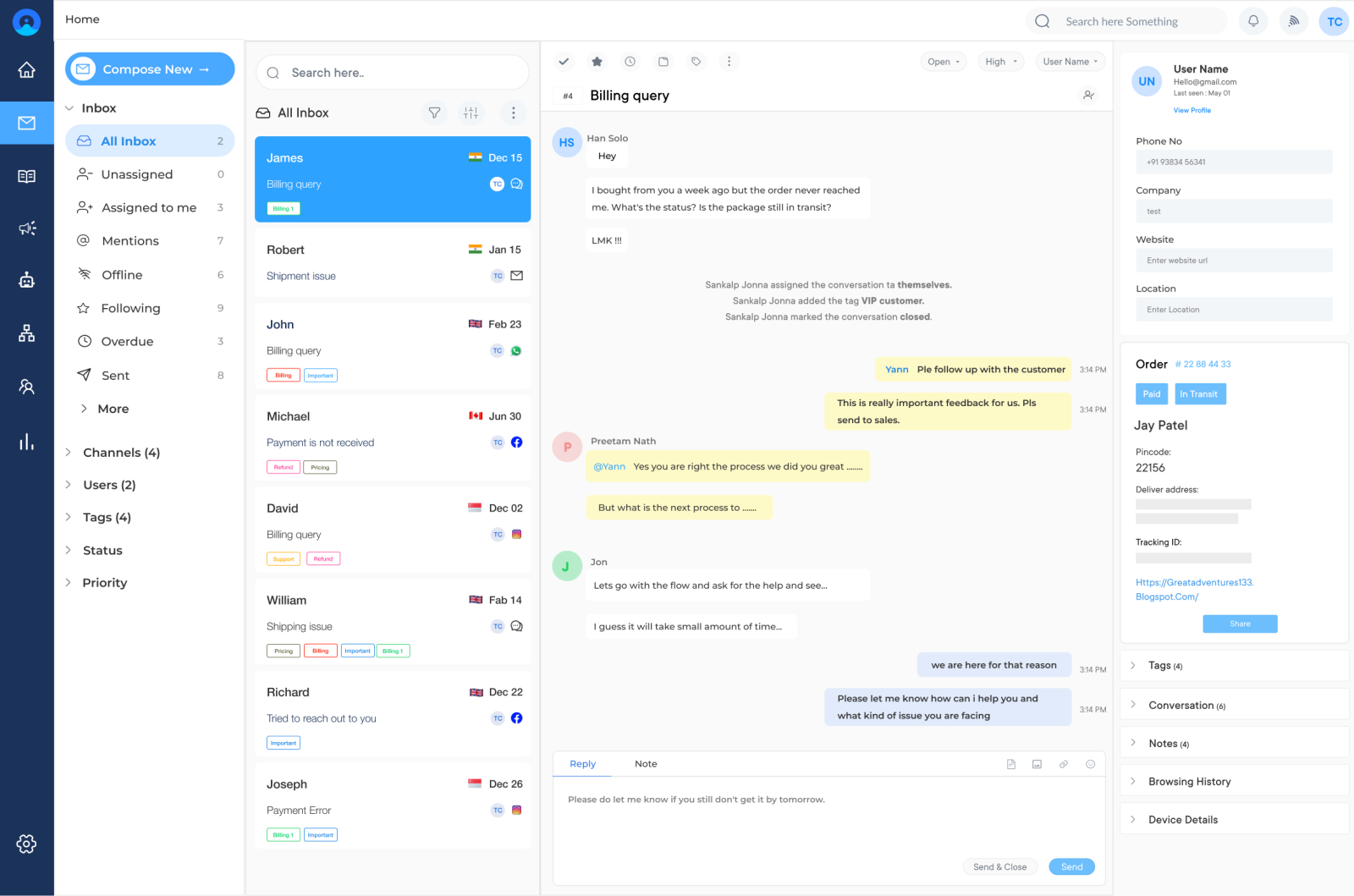
Metrilo is a well-known ecommerce analytics and CRM platform designed to help online businesses grow. The software offers a unified solution for customer data management, marketing automation and sales optimization.
Metrilo offers advanced customer segmentation, automated email campaigns, detailed product performance analytics and cohort analysis. Metrilo’s USP is its ability to provide a 360-degree view of customer behavior and purchasing patterns. Businesses can easily create highly targeted marketing strategies and personalized customer experiences.
Seamless ecommerce CRM for multichannel customer engagement

Zoho CRM is a versatile customer relationship management solution that caters well to ecommerce businesses. It offers a unified solution for managing customer interactions, sales processes and marketing campaigns across various online channels. The platform integrates seamlessly with popular ecommerce platforms.
Multichannel customer engagement, lead scoring, inventory management and advanced analytics are the standout capabilities of the solution. The unique selling points are its customizability, AI-powered sales assistant (Zia and extensive third-party integrations. The features enable businesses to streamline operations, personalize customer experiences and drive sales growth.
Comprehensive ecommerce CRM for customer support and ticketing
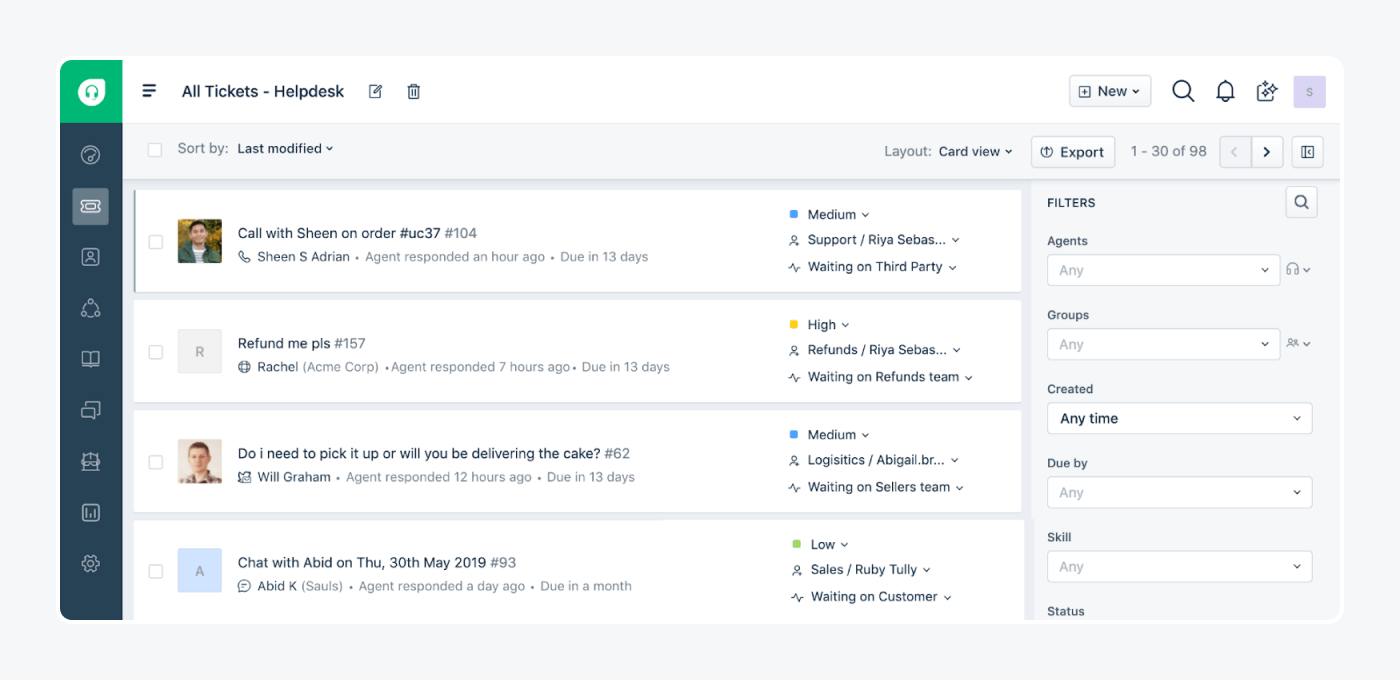
Salesforce is a leading ecommerce CRM solution, offering a comprehensive platform that integrates sales, marketing and customer service functionalities. The software provides businesses with a 360-degree view of their customers, enabling personalized communication across various touchpoints.
The key attributes of Salesforce are AI-powered insights, omnichannel commerce capabilities and advanced analytics. The USP lies in its scalability, extensive app ecosystem and continuous innovation, making it suitable for businesses of all sizes.
Extensive ecommerce CRM for customizable sales pipelines
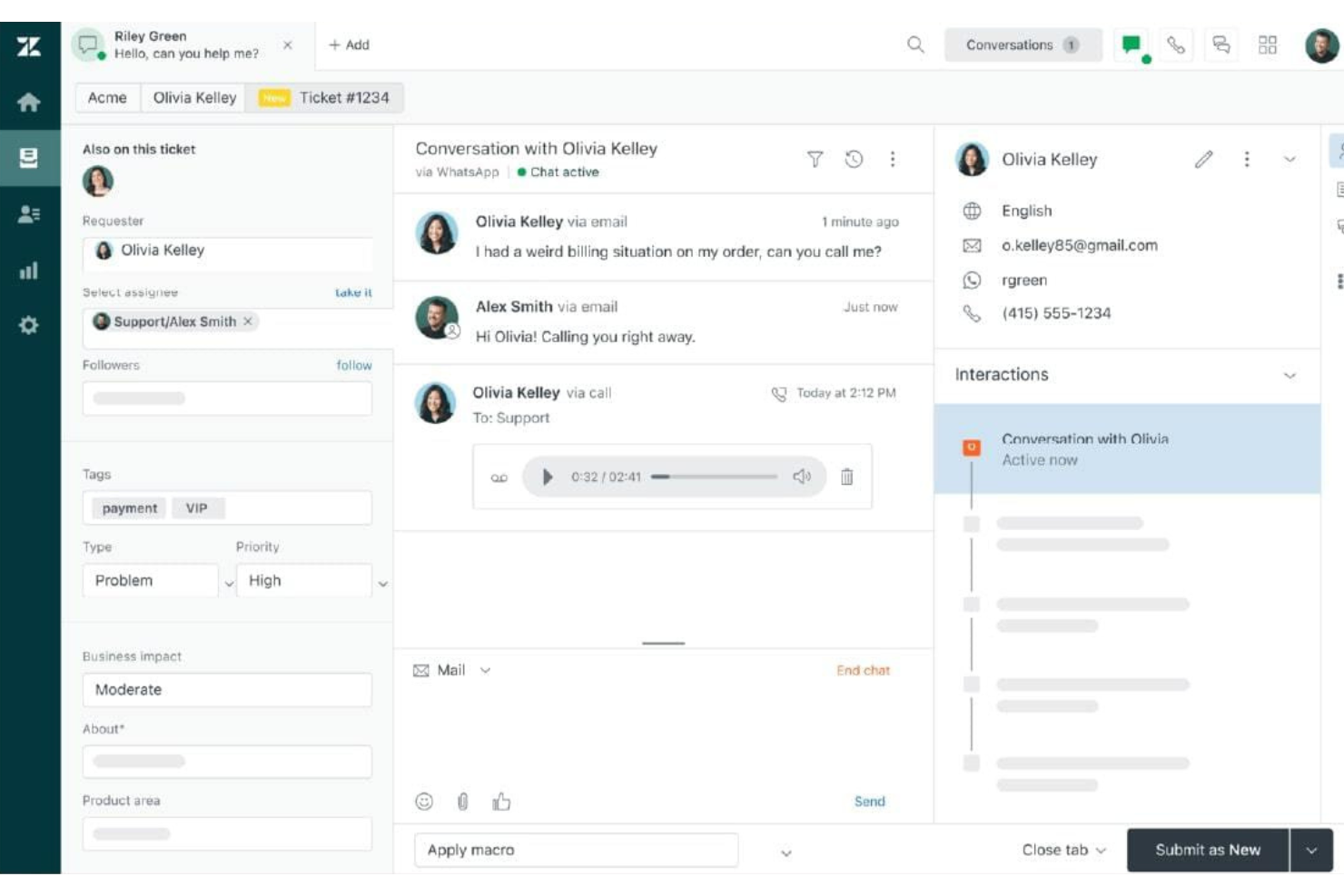
Pipedrive is a customer relationship management (CRM) platform that can be adapted for e-commerce businesses. While primarily designed for sales teams, its customizable nature allows it to manage customer interactions, track processes and integrate with various tools.
The primary abilities of Pipedrive for e-commerce are customizable sales pipelines, contact management, email integration and reporting tools. The unique selling point is its visual, intuitive interface that allows users to easily track deals through different stages. The platform also offers automation features and integrations with popular e-commerce platforms.
Seamless ecommerce CRM software for customer segmentation and targeting
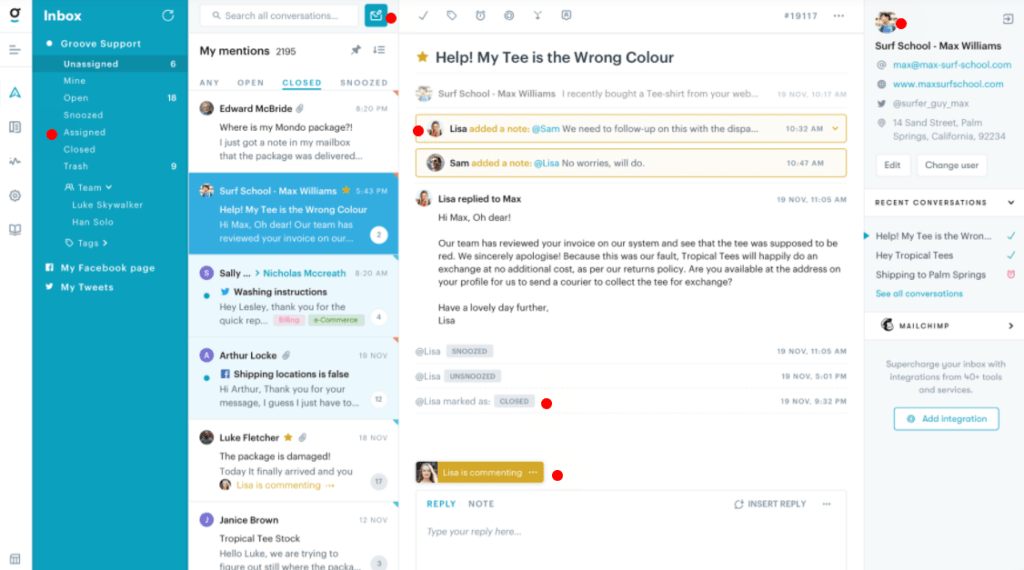
HubSpot CRM is a comprehensive customer relationship management platform designed to streamline ecommerce operations. The software offers a unified hub for managing customer interactions, sales pipelines and marketing campaigns. It makes the platform an ideal solution for online businesses of all sizes.
The software’s standout features are contact management, deal tracking and email marketing tools. HubSpot’s USP lies in its user-friendly interface and seamless integration with other HubSpot products, providing a holistic approach to ecommerce management. The deal management and automation capabilities and detailed analytics set the platform apart from competitors.
Robust ecommerce CRM tool for automated marketing campaigns

Freshworks offers a comprehensive CRM for ecommerce designed to streamline customer management and boost sales. It integrates seamlessly with various online stores, providing a unified interface for managing customer interactions, orders and support tickets.
Some of the key attributes of the platform are AI-powered lead scoring, automated marketing campaigns and customizable sales pipelines. The platform stands out with its user-friendly interface, robust analytics and native integrations with popular ecommerce platforms.
Seamless ecommerce CRM platform for cart abandonment and retargeting
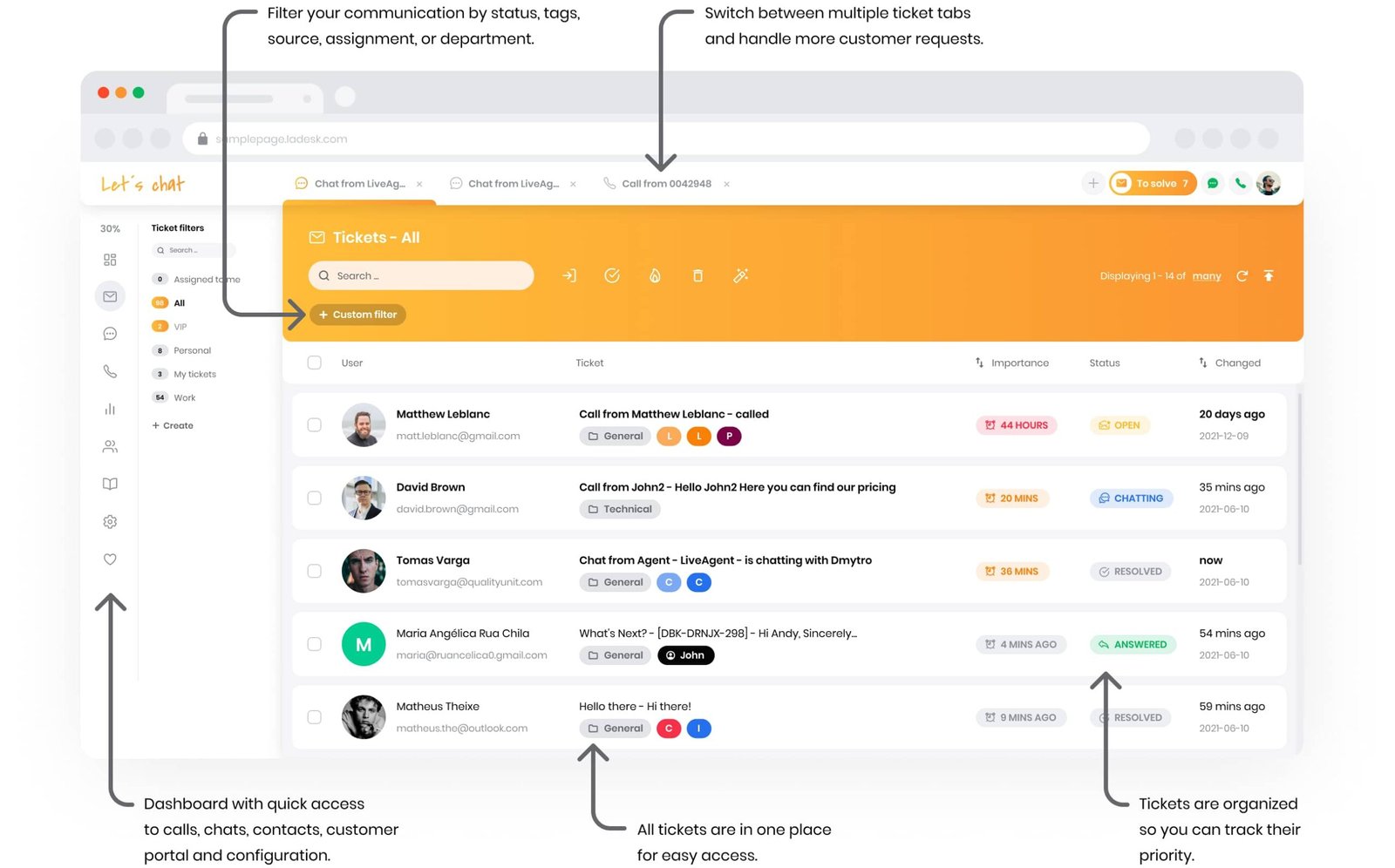
Klaviyo is a powerful ecommerce CRM software designed to help businesses grow through personalized marketing automation. It integrates seamlessly with various ecommerce platforms, enabling merchants to leverage customer data for targeted email and SMS campaigns. The platform offers advanced segmentation and automation capabilities to deliver targeted messages to the right audience at the right time.
The solution offers robust segmentation tools, predictive analytics and customizable templates. The USP lies in its ability to unify customer data from multiple sources, providing insights and enabling highly personalized marketing strategies. The platform’s machine learning algorithms help predict customer behavior and optimize campaigns for maximum engagement.
Extensive ecommerce CRM for task tracking and management
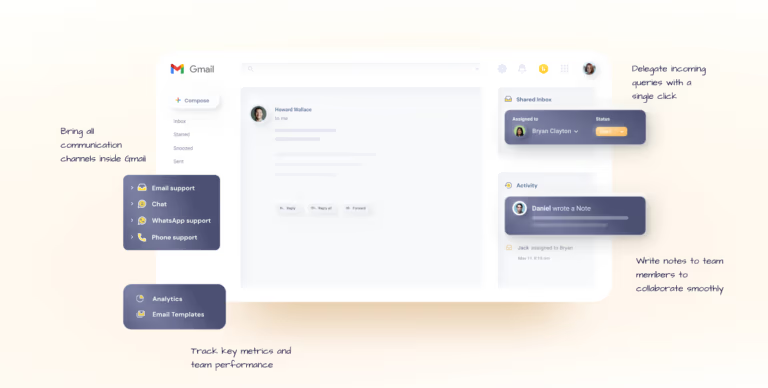
Capsule is a cloud-based ecommerce CRM software designed to streamline customer relationship management for online businesses. The software offers a user-friendly interface that centralizes customer data, sales pipelines and communication history. It enables teams to manage client interactions efficiently.
The main features of Capsule are contact management, task tracking, sales pipeline visualization and integration with popular ecommerce platforms. The USP of the software is its simplicity and ease of use, making it ideal for small to medium-sized businesses looking for a straightforward CRM solution.
Robust ecommerce CRM software for automated lead scoring
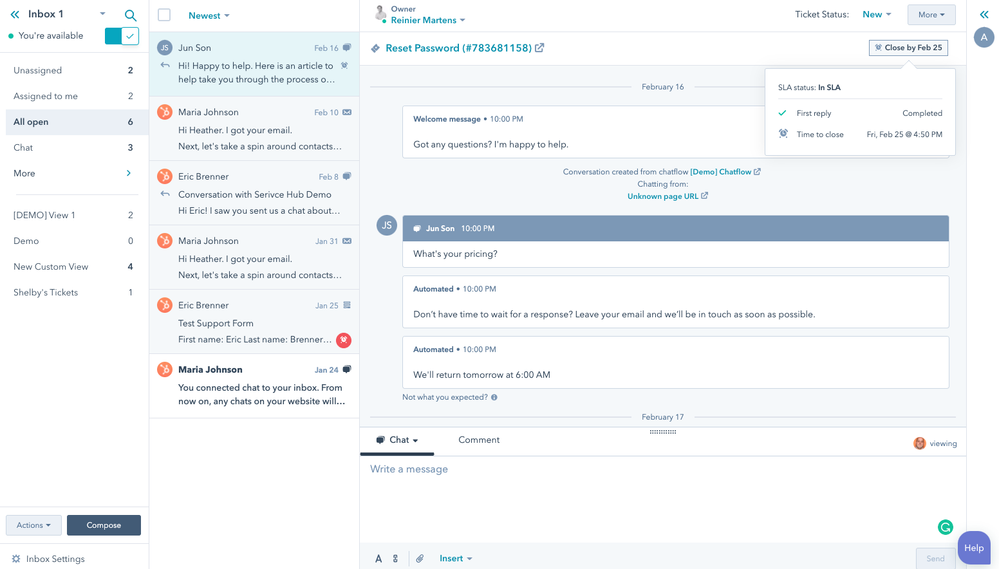
Copper CRM is a customer relationship management platform tailored for e-commerce businesses. It offers a comprehensive solution to manage customer interactions, sales processes and marketing efforts seamlessly. The platform integrates with popular e-commerce platforms and provides real-time insights into customer behavior.
The essential attributes of Copper CRM include customizable sales pipelines, automated lead scoring and robust reporting tools. Its unique selling proposition lies in its user-friendly interface and native integration with Google Workspace, enhancing smooth collaboration within teams. The platform also offers advanced segmentation capabilities for targeted marketing campaigns.
Let’s explore why Ecommerce CRM solutions are indispensable for businesses looking to thrive and stand out.

Improved Customer Experience
An ecommerce CRM platform enhances the customer experience by providing personalized interactions across all touchpoints. Businesses can track customer preferences, purchase history and behavior, allowing for tailored product recommendations. Personalization creates a more engaging shopping experience, increasing customer satisfaction and loyalty.
Automate Sales Outreach
CRM platforms streamline sales processes by automating outreach activities. They can send personalized emails, SMS, or social media messages based on predefined triggers or customer actions. The automation ensures timely follow-ups, nurtures leads and maintains consistent communication without manual intervention. Sales teams can focus on high-value tasks and closing deals.
Accelerated Sales Cycles
CRM platforms help sales teams identify qualified leads more quickly and move them through the sales funnel efficiently by providing a centralized database of customer information. The system can prioritize leads based on their likelihood to convert. Sales representatives can focus their efforts on the most promising opportunities, thus shortening the sales cycle.
Book Meetings on Autopilot
Many CRM platforms offer integrated scheduling tools that allow customers to book appointments or demos directly through the system. The feature eliminates the back-and-forth communication typically required to set up meetings, saving time for both sales teams and customers. Automated reminders and follow-ups ensure higher attendance rates.
Get a 360-degree Customer View
Ecommerce CRM platforms consolidate data from various sources, providing a comprehensive view of each customer. The holistic perspective includes purchase history, browsing behavior, support interactions and social media engagement. Businesses can make informed decisions, offer more relevant offers and provide superior customer support with the information readily available.
Increased Revenue and ROI
Businesses can significantly boost their return on investment by leveraging the insights and automation capabilities of a CRM platform. Personalized marketing campaigns, efficient sales processes and improved customer retention all contribute to increased sales. The platform’s analytics tools also help identify upselling and cross-selling opportunities, further driving revenue growth.
Lower Customer Acquisition Costs
CRM platforms help reduce customer acquisition costs by optimizing marketing efforts and improving conversion rates. Businesses can attract more qualified leads at a lower cost by targeting the right audience with personalized messages. The improved customer experience and retention strategies facilitated by CRM platforms reduce churn, decreasing the need for constant acquisition of new customers.
Let our specialists help you in every step to deliver an awesome customer service your customers deserve. Comes with 30 days money back guarantee.
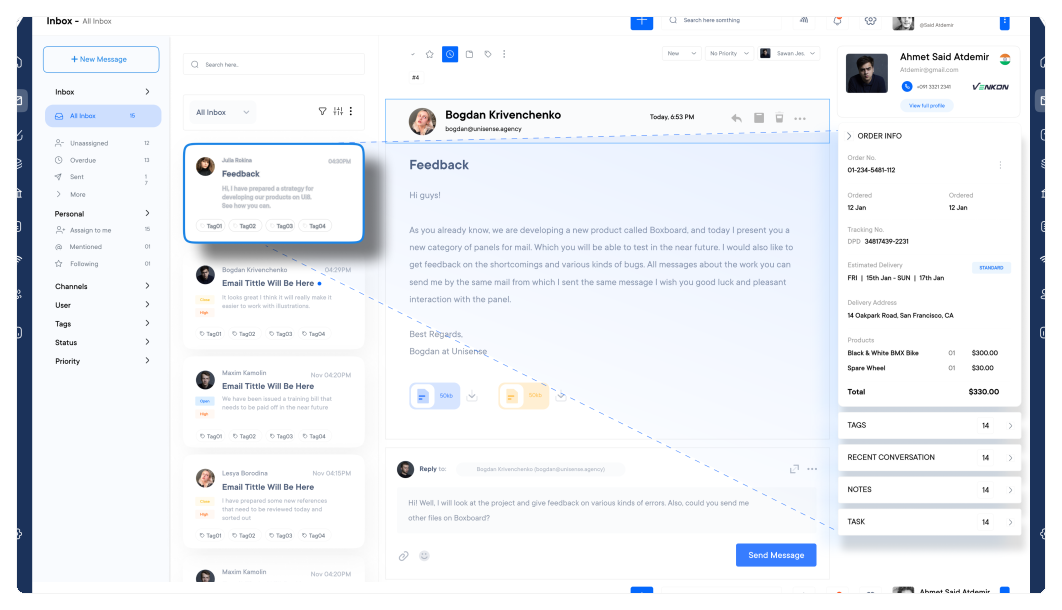
Sed ut perspiciatis unde omnis iste natus error sit voluptatem accusantium doloremque laudantium, totam rem aperiam, eaque ipsa quae ab illo inventore veritatis et quasi architecto beatae vitae dicta sunt explicabo.
Sed ut perspiciatis unde omnis iste natus error sit voluptatem accusantium doloremque laudantium, totam rem aperiam, eaque ipsa quae ab illo inventore veritatis et quasi architecto beatae vitae dicta sunt explicabo.
Let’s delve into the key factors to consider when choosing the ideal ecommerce software and tools for a business.

Begin by clearly defining the business requirements. Consider factors such as the product range, target market, sales volume and growth projections. Determine if the business needs features like inventory management, multichannel selling, or subscription capabilities. The specific needs will help in selecting software that aligns with the business model and goals.
Choose software that can grow with the business. While the current needs are important, consider the future business expansion plans. The right ecommerce platform should be able to handle increased traffic, product lines and transactions without requiring a complete overhaul. Scalability ensures that the chosen solution remains viable as the business evolves.
The ecommerce software should seamlessly integrate with other tools and systems the team uses, such as accounting software, CRM platforms, or marketing tools. Look for platforms with robust API capabilities and pre-built integrations with popular business applications. The integration will streamline the operations and provide a more cohesive workflow across different aspects of the business.
Security is paramount in ecommerce. Ensure that the software complies with industry standards like PCI DSS for payment processing. Look for features such as SSL certificates, fraud detection tools and regular security updates. Protecting the customers’ data is not only a legal requirement but also crucial for building trust and maintaining reputation.
The software should be intuitive for both the team and the customers. Look for an easy-to-navigate admin interface and straightforward content management system for the team. Ensure the platform offers a smooth, responsive shopping experience across devices for customers. Consider the learning curve involved and the availability of training resources or support.
Understand the total cost of ownership, not just the initial price. Consider factors like transaction fees, hosting costs and charges for additional features or integrations. Some platforms offer tiered pricing based on sales volume or features, while others might have a flat fee. Balancing the cost against the features offered is essential to ensure that the business is getting value for the investment.
Reliable customer support is crucial, especially when dealing with technical issues that could affect sales. Look for platforms that offer multiple support channels, including phone, email and live chat. Consider the strength of the user community. A robust community can be an invaluable resource for troubleshooting, sharing best practices and staying updated on platform developments.
An ecommerce CRM is necessary because it provides a 360-degree view of the customers, allowing for personalized interactions and targeted marketing strategies. It automates routine tasks, freeing up valuable time for the team to focus on growth-oriented activities.
The CRM directly contributes to increased revenue by accelerating sales cycles and reducing customer acquisition costs. CRM for ecommerce helps businesses meet and exceed customer expectations through improved service. It provides valuable insights that drive informed decision-making and strategy development. Adopting an ecommerce CRM is not just about staying competitive; it’s about positioning the business for sustainable growth.
When it comes to choosing the best CRM for e-commerce, Salesforce, HubSpot and Zoho CRM are popular choices. Salesforce offers extensive customization options, HubSpot is user-friendly and includes marketing tools. Zoho CRM is affordable and integrates with other Zoho apps. The best CRM for e-commerce depends on the specific business needs and budget.
Companies should use CRM for eCommerce to effectively manage customer relationships, personalize marketing efforts, track customer behavior and improve customer retention. A CRM system can help businesses streamline their sales processes, improve customer satisfaction and drive more revenue.
Start by identifying business objectives and customer needs. Choose the right software that aligns with the business goals and needs. Customize the system to fit the specific requirements and integrate it with other tools. Train the team on how to effectively use the system and continuously gather feedback for improvements.
Most Ecommerce CRM platforms offer integrations with other tools commonly used by online businesses, such as email marketing platforms, social media platforms and analytics tools. Make sure that the CRM platform offers integrations with the existing to ensure a seamless workflow.
The cost of an Ecommerce CRM platform can vary depending on the provider, the features included and the size of the business. Some platforms offer tiered pricing plans based on the number of users or the level of features, while others may charge a flat monthly fee. Consider the budget and the features when choosing a CRM platform.
Getting started with an Ecommerce CRM solution typically involves signing up for an account, importing the customer data and customizing the platform to meet the business needs. Many CRM platforms offer onboarding and training resources to help the team get started, as well as ongoing support to help the team make the most of the platform.
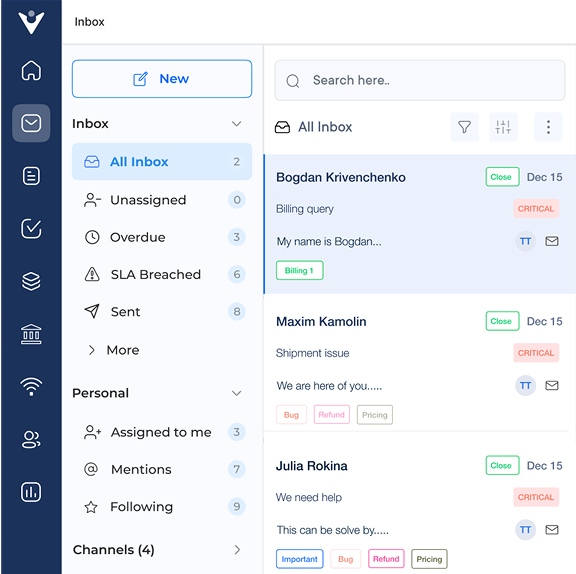
Grow Customer Relationships and stronger team collaboration with our range of products across the Conversational Engagement Suite.
Omnichannel Customer Support & Help Desk Software
AI Enabled Business Messaging and Chatbot Software
Sales Engagement & CRM Software
Call Center Software & Virtual Phone System
Product Marketing & Experience Platform
Customer Experience & Feedback Management Software