1. Create a Mission Statement
Creating a mission statement is a crucial step in developing a sales plan. It serves to define the purpose of the sales team, providing clarity and direction for all members. The statement should articulate the team’s primary goals they bring to customers and the company. A well-crafted mission statement acts as a North Star for the sales team, guiding their actions, strategies and interactions with customers.
When crafting the mission statement, ensure it aligns with the company’s core values and objectives. The alignment creates consistency across departments and reinforces the organization’s unified vision.
Pro tips:
- Involve team members in the creation process to enhance buy-in and commitment
- Communicate the statement clearly and frequently to reinforce its importance
- Use it as a guide for decision-making and performance evaluation
2. Define the Team’s Roles and Responsibilities
Defining the team’s roles and responsibilities is crucial when creating a sales plan. Start by outlining the organizational structure, clearly illustrating the hierarchy and reporting lines. Then, specify individual roles such as account executives, sales managers and support staff. Clarify responsibilities for each role, including target metrics, client interaction protocols and administrative duties.
Ensure that each team member understands their specific function within the larger sales strategy. The clarity helps prevent overlap, reduces confusion and promotes accountability. A well-defined role enables smoother collaboration and makes it easier to identify areas for improvement or additional support.
Pro tips:
- Create detailed job descriptions and regularly review them with team members
- Use role-playing exercises to reinforce understanding of responsibilities
- Implement a mentoring system to support skill development and role transitions
3. Identify the Target Market
Identifying the target market is a crucial step in creating an effective sales plan. Begin by developing ideal customer profiles, outlining characteristics such as demographics, psychographics and buying behaviors. It helps teams to understand who the most valuable customers are and what they need.
Segment the market based on the profiles and other relevant criteria like industry, company size or geographic location. Teams can tailor the approach to each group’s specific needs and preferences. Prioritize high-value segments that offer the greatest potential for growth and profitability. Focus the resources on the segments to maximize the return on investment and achieve the sales goals more efficiently.
Pro tips:
- Conduct thorough market research to gather accurate data on the potential customers.
- Use customer relationship management (CRM) software to track and analyze customer interactions.
- Regularly review and update the target market analysis to adapt to changing market conditions.
4. Outline the Tools, Software and Resources
Teams will need a robust toolkit to create an effective sales plan. Start with a CRM system like Salesforce or HubSpot to manage contacts and track interactions. Incorporate prospecting tools such as LinkedIn Sales Navigator or ZoomInfo for lead generation.
Essential marketing collateral includes product brochures, case studies and pitch decks. Don’t forget email marketing software like Mailchimp for nurturing leads. Consider hardware needs like reliable laptops, smartphones and headsets for the sales team. Ensure a stable internet connection and cloud storage for seamless collaboration.
Pro tips:
- Integrate the tools for streamlined workflows and data consistency
- Provide comprehensive training to maximize tool utilization and adoption
- Regularly update the tech stack based on performance metrics and team feedback
5. Analyze the Position in the Industry
Analyzing the position in the industry is crucial for creating an effective sales plan. Start by conducting a SWOT analysis to identify the strengths, weaknesses, opportunities and threats. The assessment provides a clear picture of the competitive advantage and areas for improvement. Identify the unique selling propositions (USPs) – the factors that set the business apart from competitors and it will form the foundation of the sales strategy.
Evaluate market trends to align the sales approach with current demands and future potential. The insight helps businesses anticipate changes and adapt proactively. Teams can tailor the sales tactics and focus on the most promising market segments by understanding the position.
Pro tips:
- Regularly update the SWOT analysis to stay responsive to market changes
- Align the USPs with customer pain points for more impactful messaging
- Use data analytics to track market trends and adjust the strategy accordingly
6. Plan the Marketing Strategy
Planning the marketing strategy is a crucial step in creating an effective sales plan. Aligning sales and marketing efforts can ensure a cohesive approach that maximizes impact. Define key messaging and value propositions to communicate the product or service’s unique benefits clearly to the target audience. It forms the foundation of marketing communications across all channels.
Outline the content marketing approach to attract, engage and nurture potential customers throughout their buyer’s journey. Create valuable, relevant content that addresses their pain points and positions the offering as the solution. The strategy should encompass various formats such as blog posts, videos, social media content and whitepapers.
Pro tips:
- Conduct regular sales-marketing meetings to maintain alignment and share insights
- Develop buyer personas to tailor messaging and content to specific audience segments
- Implement analytics tools to track marketing performance and adjust strategies accordingly
7. Develop the Prospecting Strategy
Developing a prospecting strategy is crucial for creating an effective sales plan. Start by defining the ideal prospect criteria, considering factors like industry, location and pain points. It allows businesses to focus their efforts on the most promising leads.
Outline the outreach methods. It may include cold calling, email campaigns, social selling on platforms like LinkedIn or attending industry events. Choose a mix that aligns with the target audience’s preferences. Set clear prospecting goals and metrics to track the progress. This could include the number of new leads generated, conversion rates or revenue targets.
Pro tips:
- Personalize the outreach by researching prospects before contacting them.
- Implement a lead scoring system to prioritize high-potential prospects.
8. Create an Action Plan
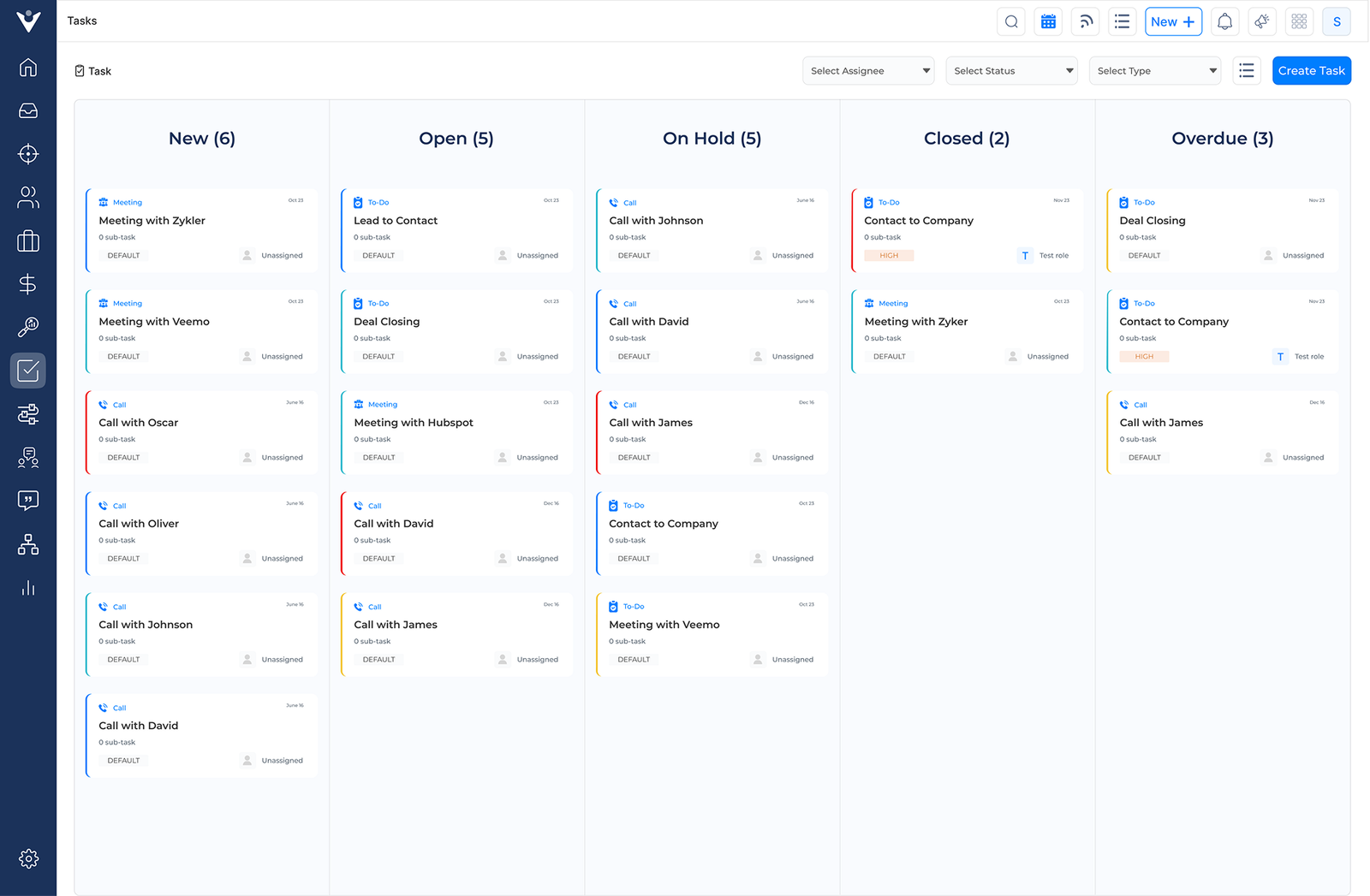
Creating an action plan is a crucial step in developing a comprehensive sales plan. Begin by breaking down the overarching goals into specific, manageable tasks. The plan allows for a clearer understanding of what needs to be accomplished and helps prevent overwhelming team members. Assign responsibilities to individual team members, ensuring each task has an owner and a deadline.
Accountability promotes efficiency and prevents tasks from falling through the cracks. Establish milestones throughout the process to track progress and make adjustments as needed. They serve as opportunities to celebrate small wins and address any challenges that arise.
Pro tips:
- Use project management tools to visualize tasks and track progress.
- Conduct regular team meetings to review goals and address obstacles.
- Implement a system for real-time feedback and continuous improvement.
9. List the Goals
Setting clear goals is crucial when creating a sales plan. Begin by establishing SMART objectives: Specific, Measurable, Achievable, Relevant and Time-bound. The framework ensures the goals are well-defined. Businesses must Include both short-term and long-term goals to maintain focus while working towards broader objectives.
Short-term goals might involve monthly sales targets or customer acquisition rates, while long-term goals could encompass market share expansion or entering new territories. Align the sales goals with business objectives to ensure cohesion across departments. The alignment enhances a unified approach and maximizes the impact of the sales efforts on company-wide success.
Pro tips:
- Break down large goals into smaller, manageable tasks with deadlines
- Regularly adjust goals based on performance and market conditions
- Communicate goals clearly to the entire sales team and provide necessary resources for achievement.
10. Set the Budget
Setting the budget is a crucial step in creating a sales plan as It involves carefully allocating financial resources to various aspects of the sales strategy. Begin by determining the funds available for tools that can streamline the sales process and enhance productivity. Plan for marketing expenses to generate leads and increase brand visibility.
Don’t forget to budget for training and development programs to keep the sales team sharp with industry trends. Factor in compensation and incentives for the sales staff, as they can significantly impact motivation. A well-structured budget ensures that all essential components of the sales plan are adequately funded, maximizing the chances of success.
Pro tips:
- Use historical data and industry benchmarks to inform the budget allocations
- Regularly adjust the budget based on performance metrics and market changes
- Involve key stakeholders in the budgeting process to ensure alignment and buy-in