1. Contact Management
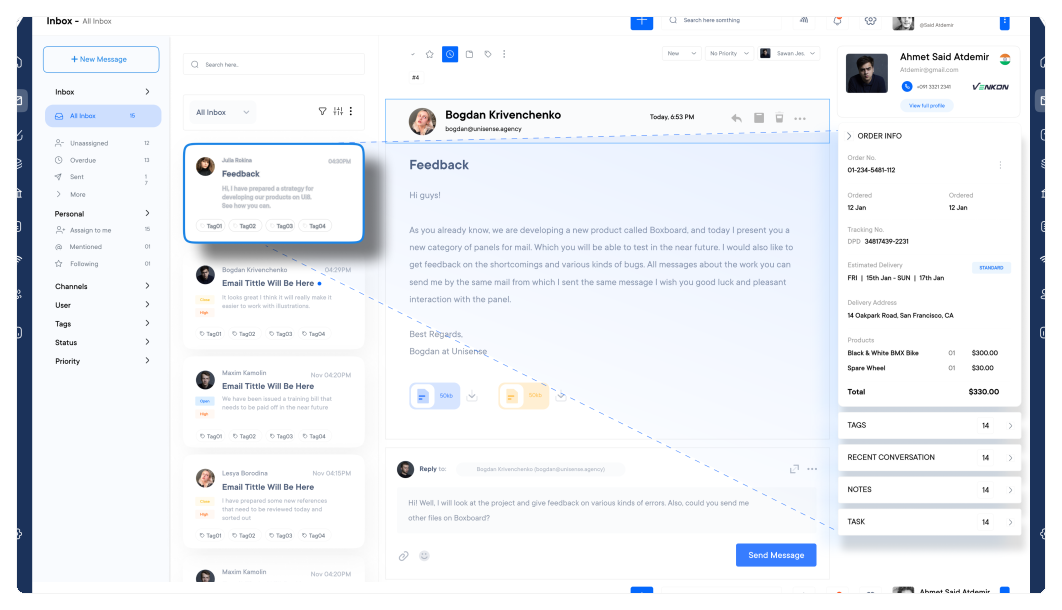
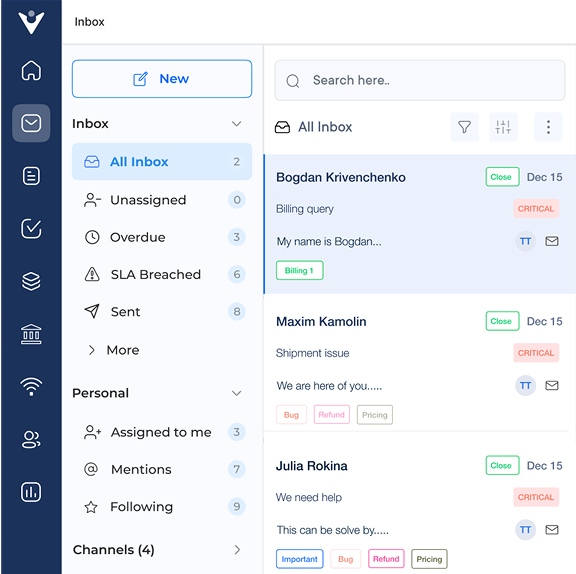
The feature allows sales teams to store and organize customer/prospect information in a centralized database. The information includes contact details, communication history and relevant notes. Effective contact management enables salespeople to maintain personalized relationships with clients and track interactions over time, leading to more informed sales approaches.
2. Multi-Channel Lead Capture
Modern sales operations software integrates various lead capture methods across multiple channels. The software includes web forms, social media, email, phone calls and live chat. Sales teams can ensure no potential opportunity is missed and can quickly respond to inquiries by consolidating leads from diverse sources.
3. Lead Management and Scoring
The feature helps prioritize leads based on their likelihood to convert. Assigning scores to leads based on criteria such as demographic information, behavior and engagement level allows teams to focus their efforts on the most promising prospects. The scoring improves efficiency and increases the conversion rate.
4. Automated Lead Nurturing
Automated lead nurturing tools allow sales teams to maintain engagement with prospects throughout the sales cycle. The feature typically includes email automation, content delivery and triggered actions based on prospect behavior. Businesses can guide leads through the sales funnel more effectively by providing relevant information at the right time.
5. Sales Pipeline Management
The feature provides a visual representation of the sales process, allowing teams to track deals at various stages. The feature helps identify bottlenecks, forecast revenue and manage resources more effectively. Sales pipeline management tools often include customizable stages, deal values and probability estimates.
6. Multi-channel Sequences
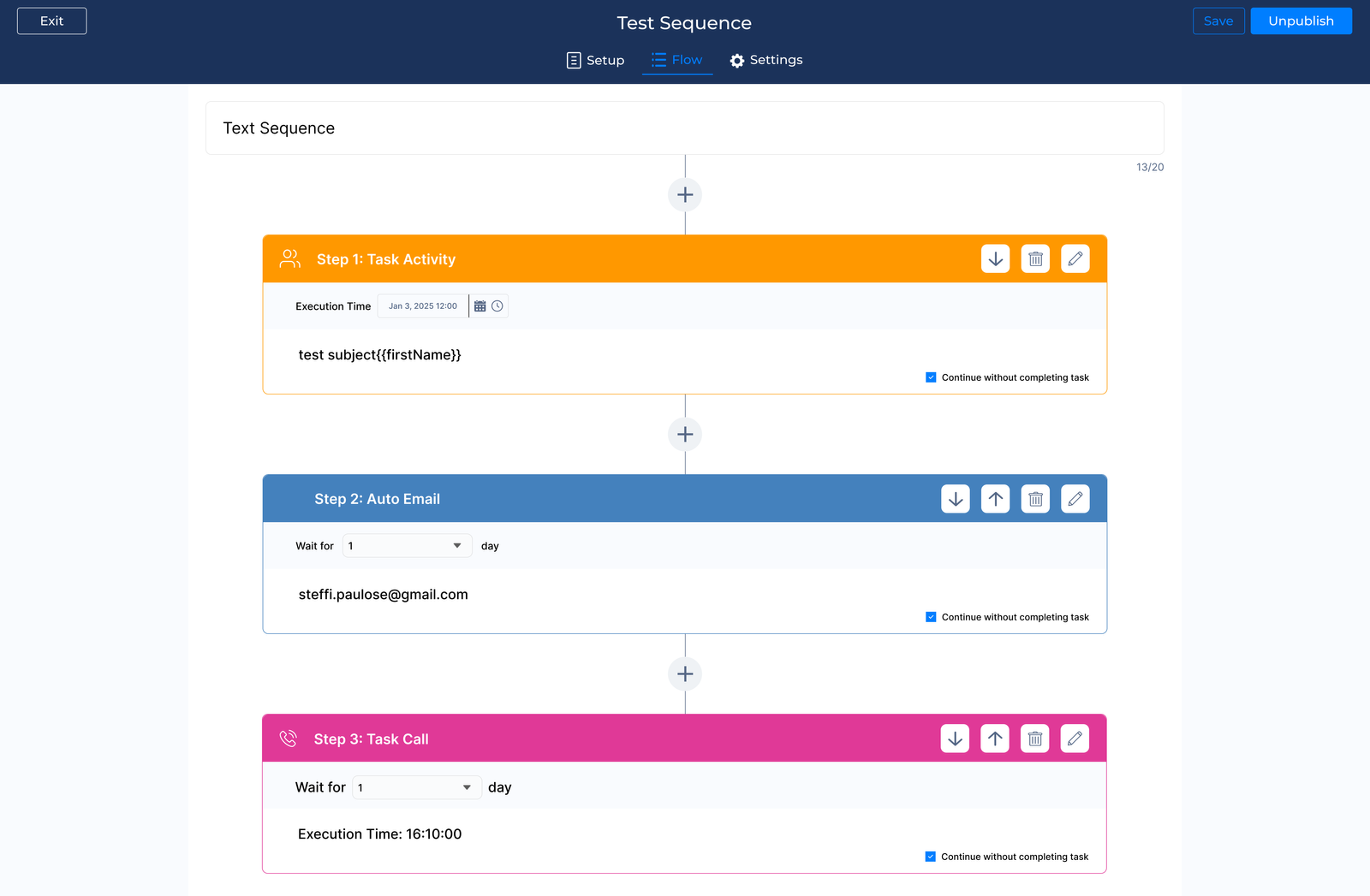
Multi-channel sequences allow sales teams to create and automate a series of touchpoints across various communication channels. It might include a combination of emails, phone calls, social media interactions and direct mail. Sales teams can maintain consistent communication with prospects and increase engagement by orchestrating the sequences.
7. Sales Forecasting & Planning
Forecasting tools use historical data, current pipeline information and market trends to predict future sales performance. The feature helps businesses make informed decisions about resource allocation, goal setting and strategy development. Advanced forecasting tools may incorporate machine learning algorithms for improved accuracy.
8. Reporting & Analytics
Comprehensive reporting features provide insights into sales performance, team productivity and overall business health. The feature includes customizable dashboards, real-time data visualization and the ability to generate detailed reports. Analyzing the data enables sales leaders to identify areas for improvement, recognize successful strategies and make data-driven decisions to optimize sales operations.