1. Identify the Business Needs
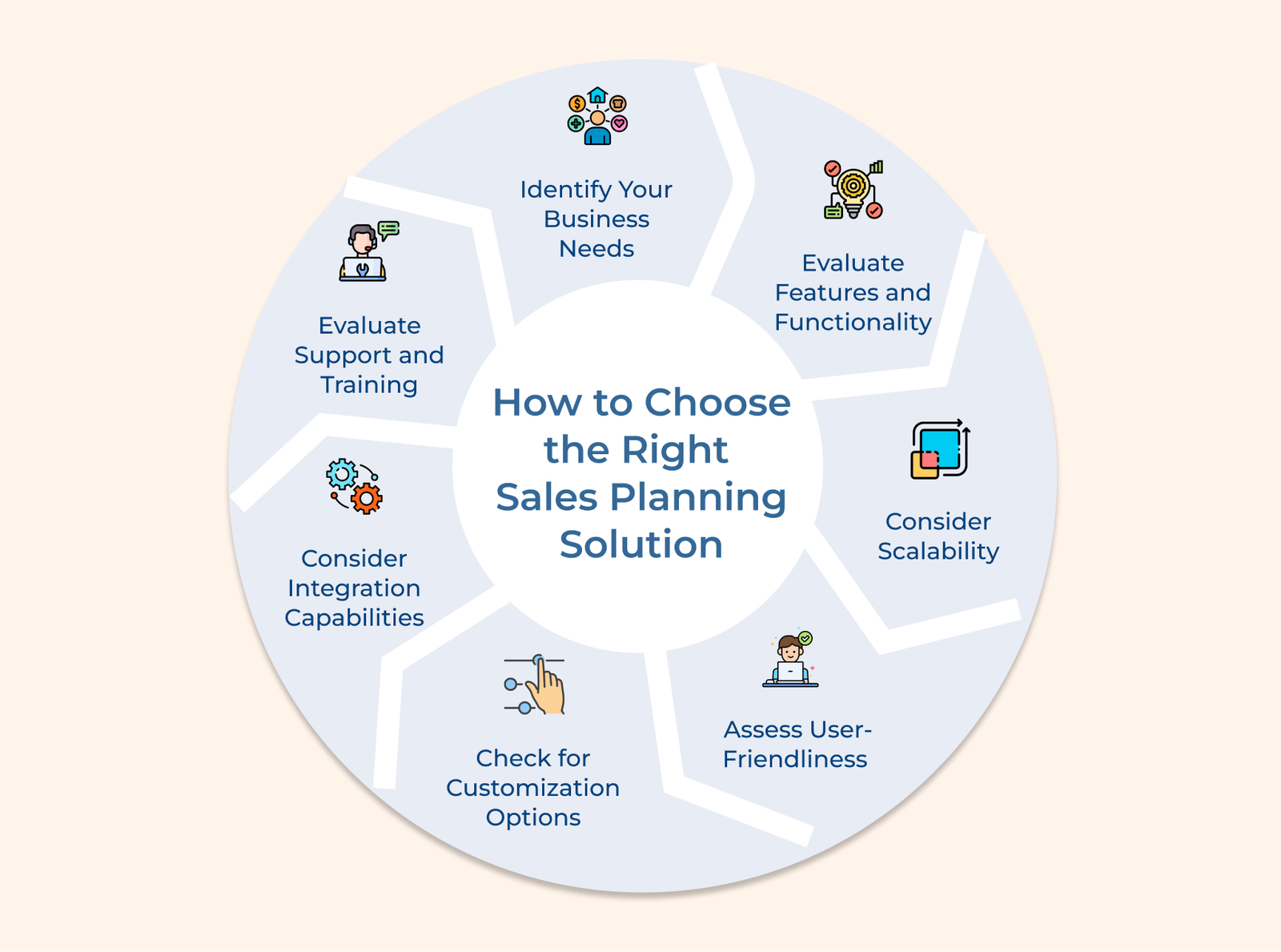
Before choosing a sales planning solution, it’s essential to identify the business needs.
Consider factors such as the size of the sales team, the complexity of the sales process and the level of customization required. Understanding the business requirements will help to narrow down the options and choose a solution that best aligns with the needs.
2. Evaluate Features and Functionality
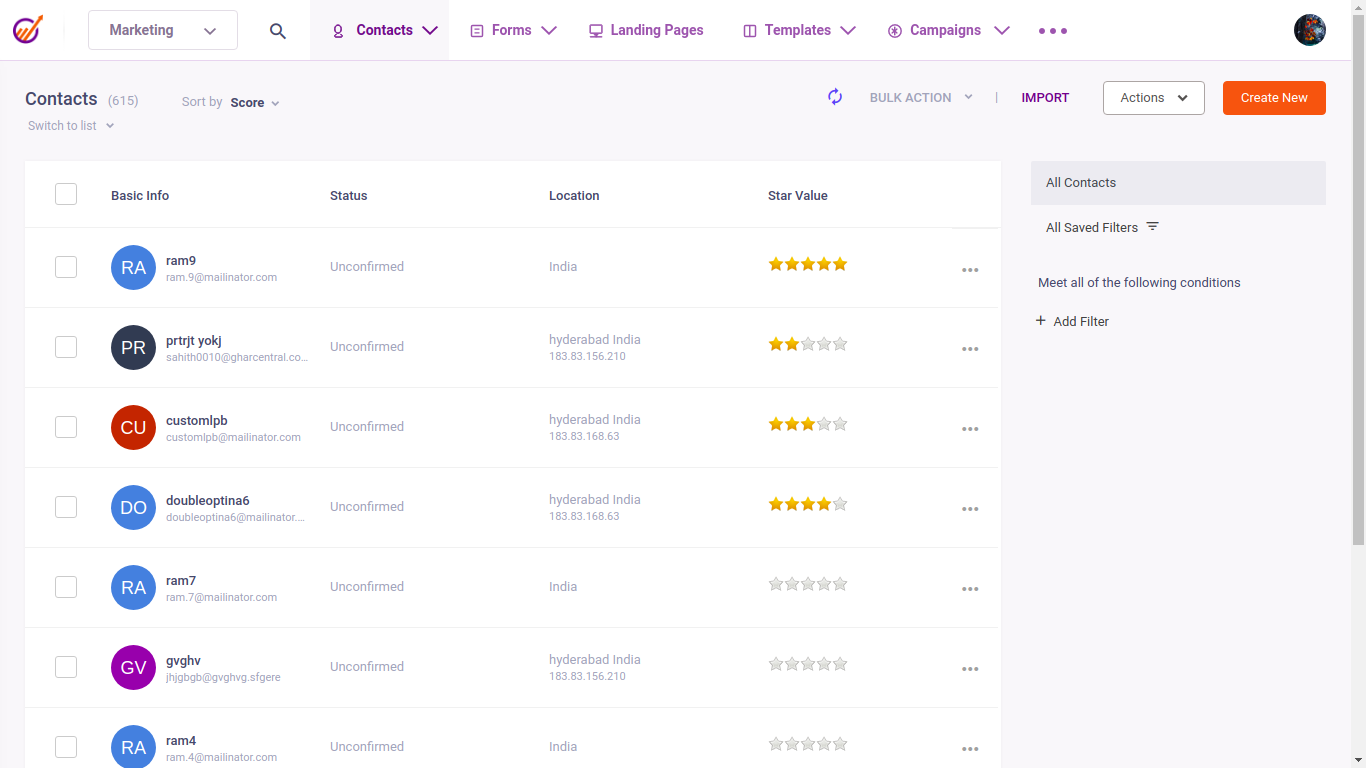
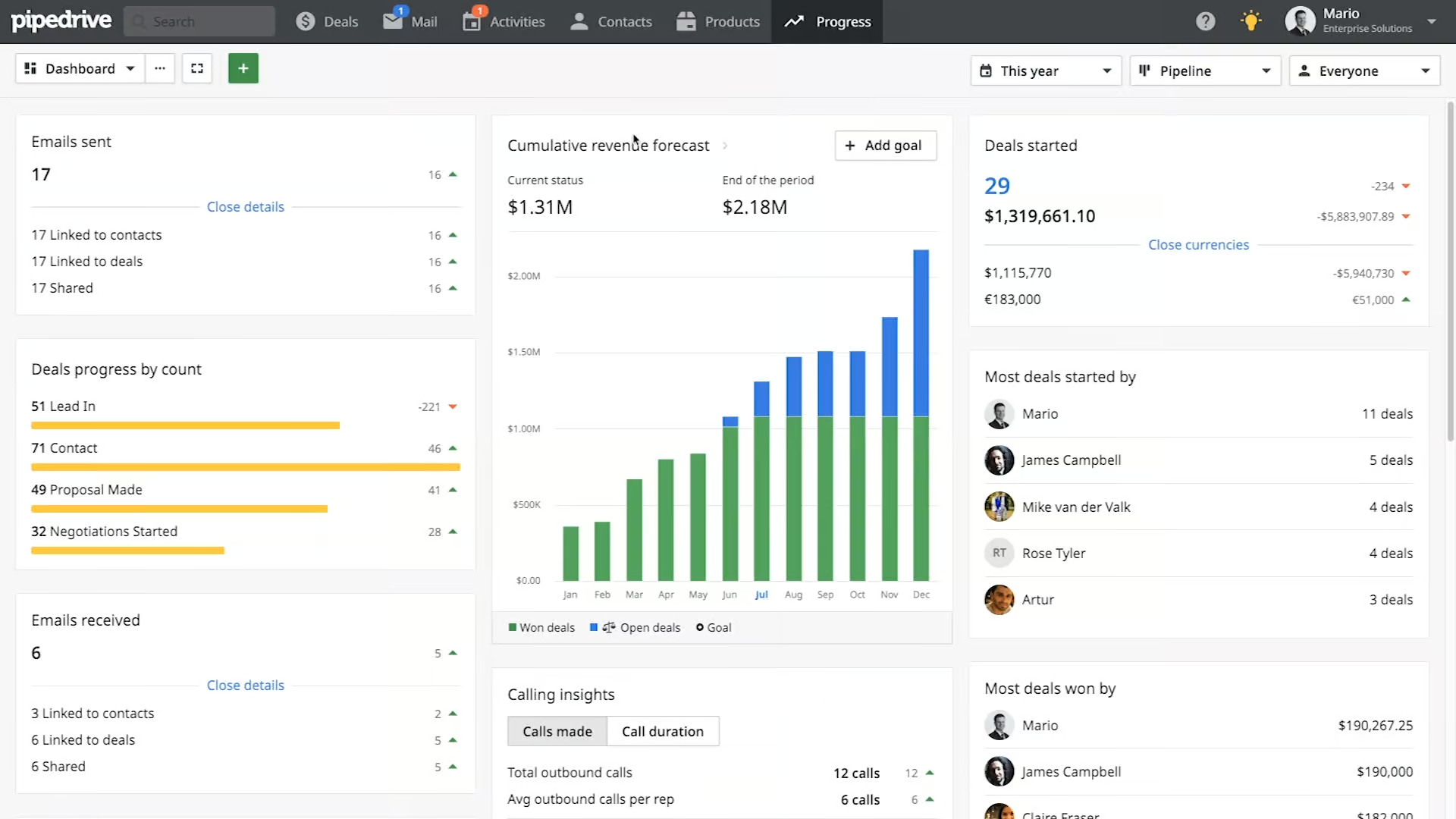
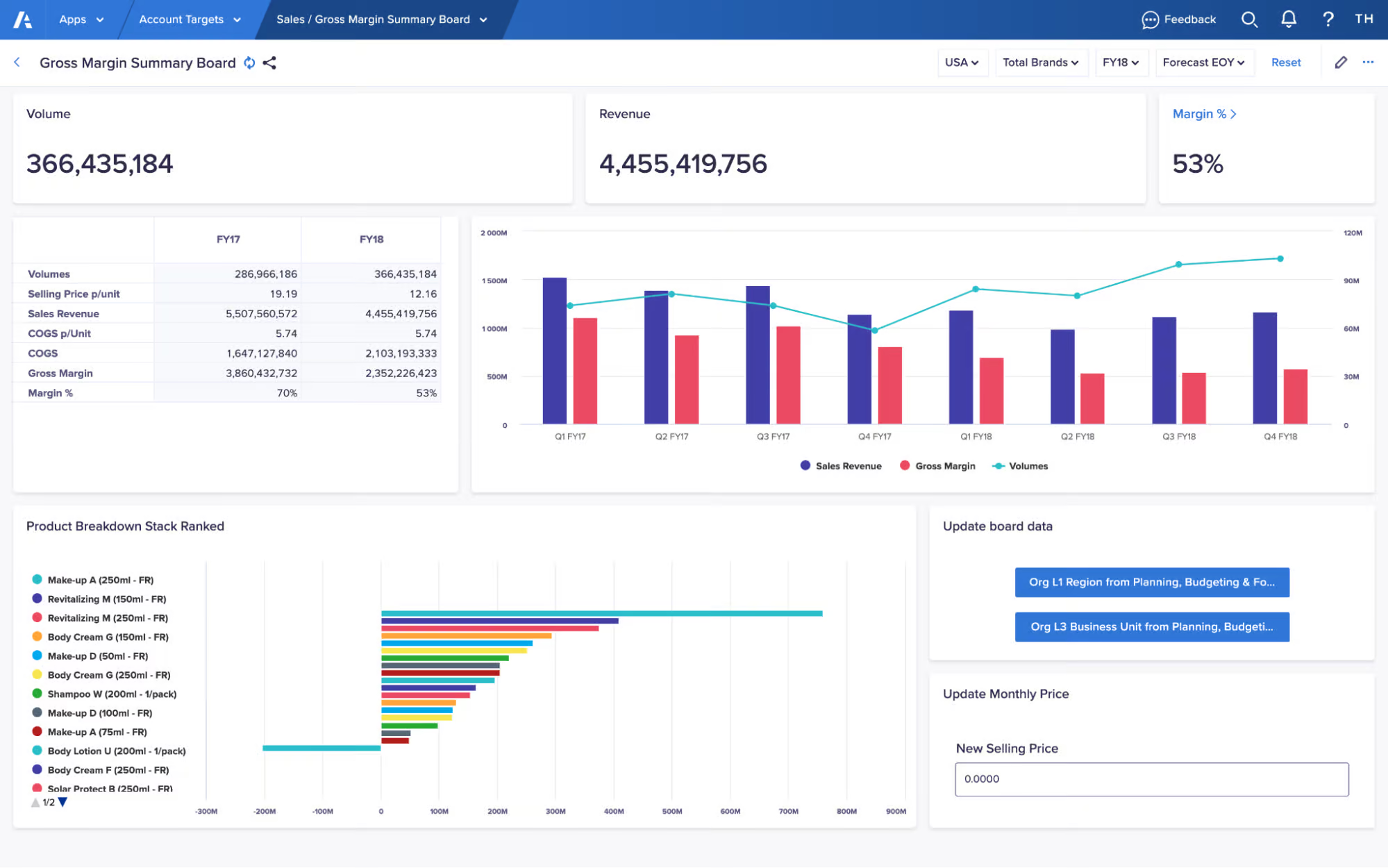
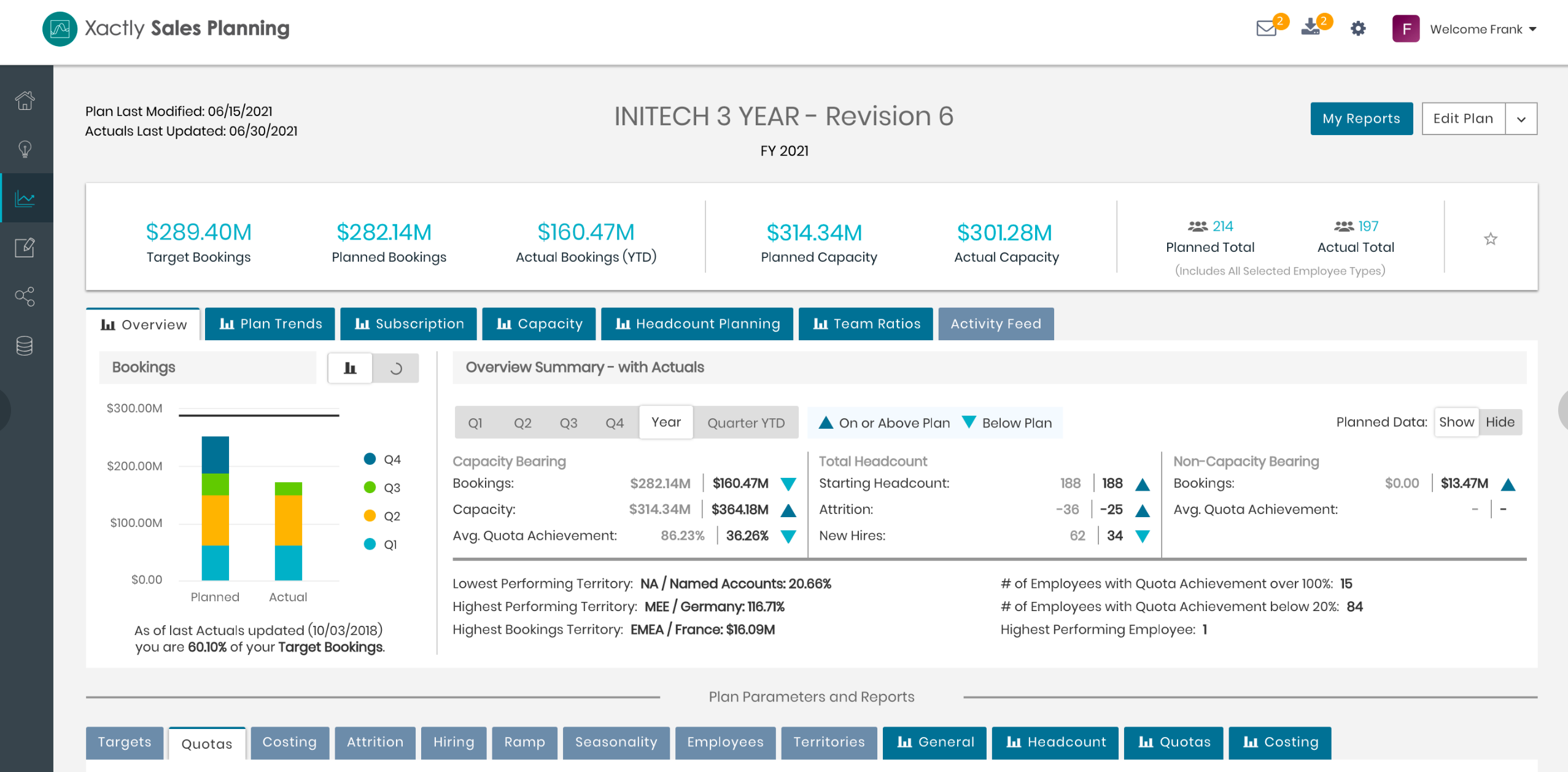
When selecting a sales planning solution, it’s vital to evaluate the features and functionality offered. Look for key features such as sales forecasting, goal setting, territory management and performance tracking. Consider if the solution integrates with the existing CRM system and other sales tools to ensure seamless workflow.
3. Consider Scalability
A sales planning solution that can scale with the business as it grows is important.
Consider if the solution can accommodate an increasing number of users, territories and sales targets. Scalability is essential to ensure that the sales planning software remains effective in the long term.
4. Assess User-Friendliness
The usability of the sales planning platform is another critical factor to consider.
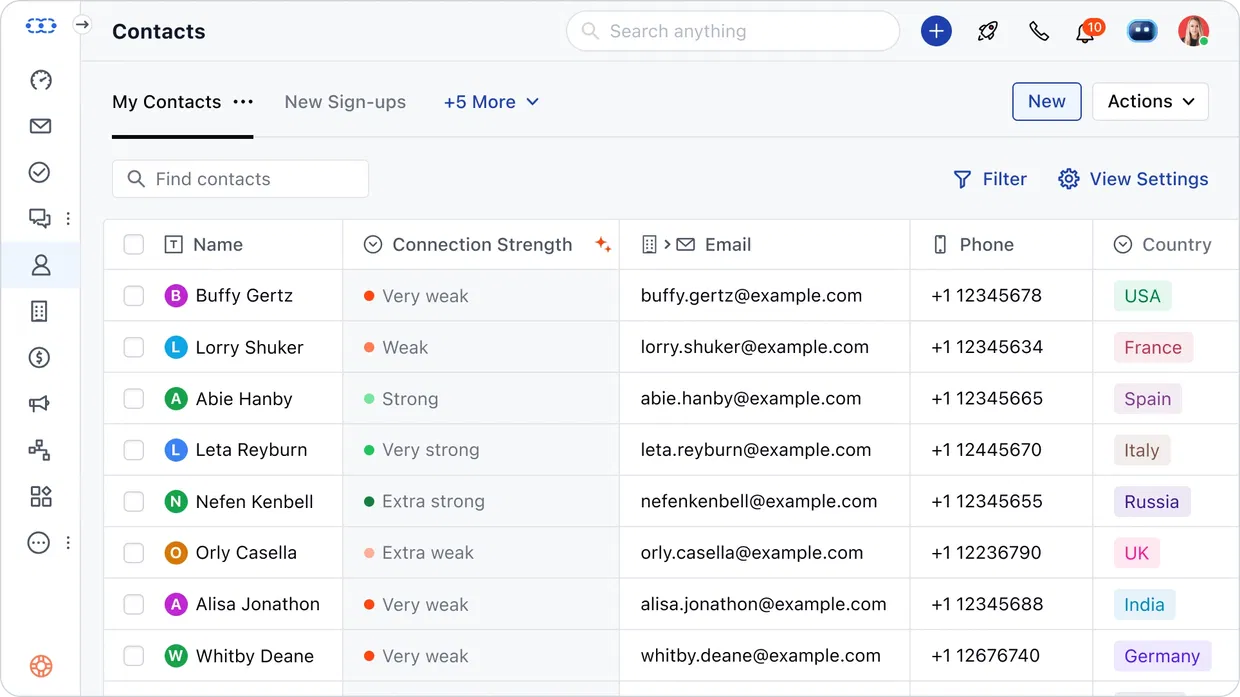
Look for a solution that is intuitive and easy to use, as this will encourage adoption among the sales team. A user-friendly interface will also reduce training time and ensure a smooth transition to the new system.
5. Check for Customization Options
Every business has unique sales processes and requirements, so it’s essential to choose a sales planning solution that offers customization options. Look for a solution that allows the business to tailor the system to meet the specific needs. It can be customizing fields, reports or workflows.
6. Consider Integration Capabilities
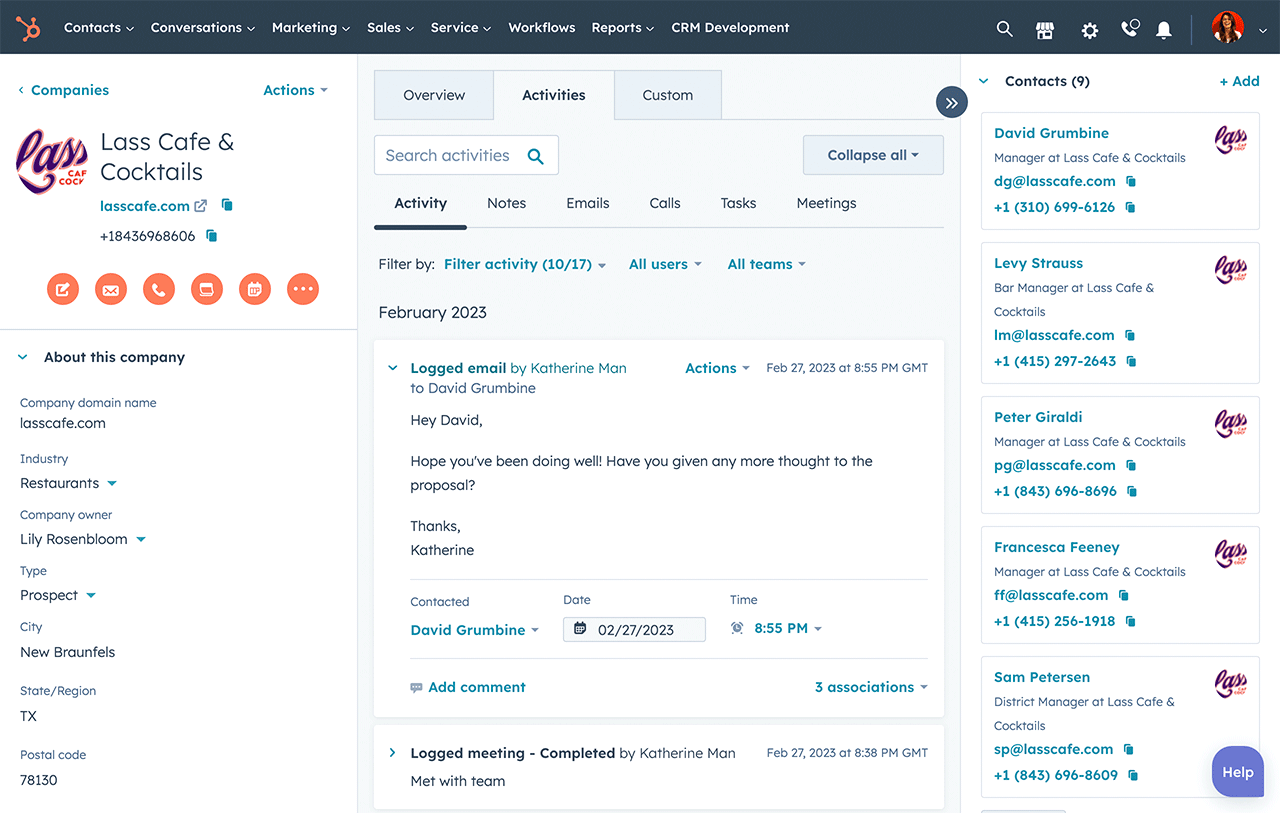
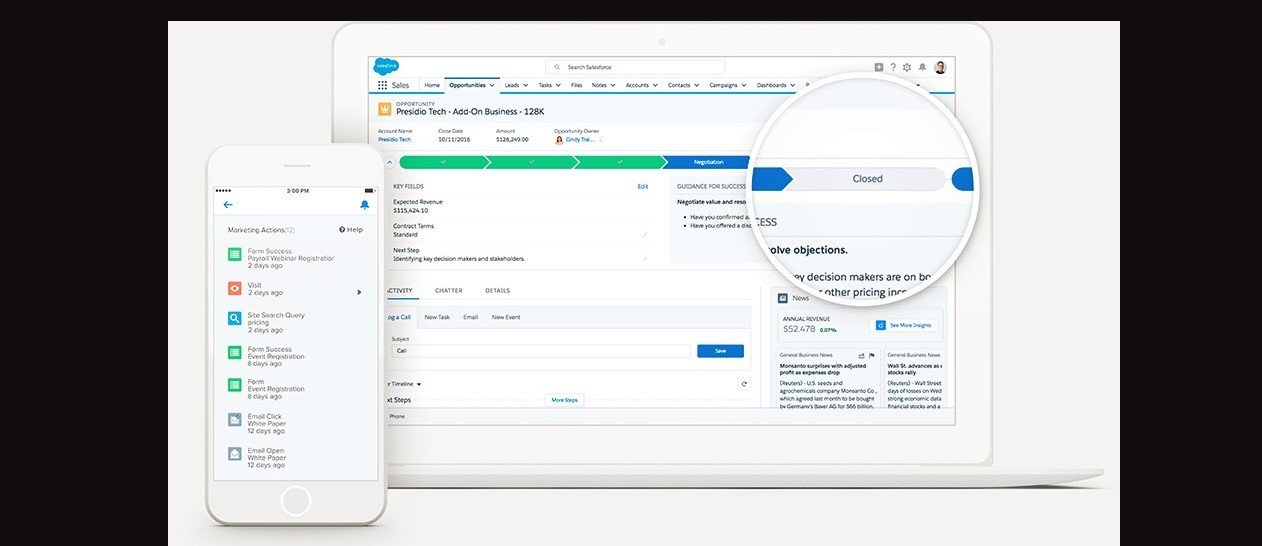
Integration with other sales and marketing tools is essential for a seamless sales planning process. Choose a sales solution that integrates with the CRM system, marketing automation platform and other relevant tools to ensure data consistency across teams.
7. Evaluate Support and Training
Consider the level of support and training offered by the sales planning solution provider. Ensure that the provider offers comprehensive training resources, ongoing support and regular updates to enhance the user experience. Address any issues promptly that may arise.