1. Build Strong Customer Relationships Through Personalization
Personalization turns routine interactions into more meaningful ones by matching each touchpoint to a customer’s preferences and needs. As users expect relevant experiences, thoughtful personalization helps boost satisfaction and long-term loyalty. Brands that excel at personalization are 71% more likely to report improved customer loyalty.
Design exclusive engagement touchpoints by analyzing customer behaviour, patterns and creating unique interaction opportunities. It means adjusting website content, app layouts and emails based on how someone has interacted before.
Best Practices:
- Analyze customer feedback patterns every quarter to refine personalization algorithms and improve recommendation accuracy.
- Map out customer emotion points throughout their journey and design personalized touchpoints for emotional moments.
2. Leverage Technology for Enhanced Customer Support
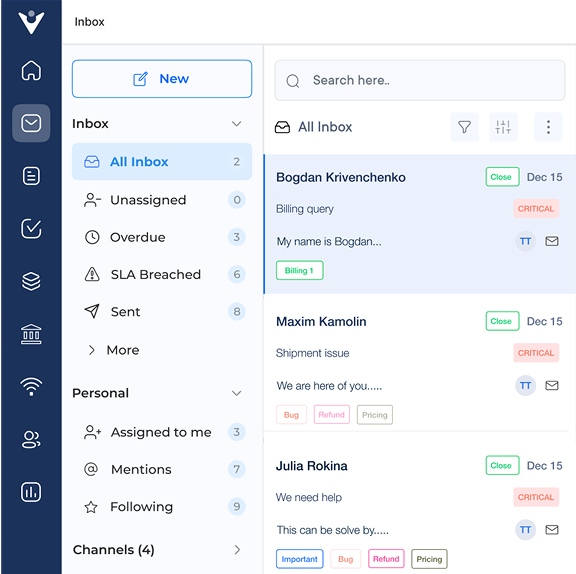
Modern customer support requires sophisticated technology solutions to meet rising customer expectations for quick and effective service. The approach uses technology to deliver faster support while keeping it personal. It helps teams manage more requests without losing quality.
AI-driven chatbots serve as the first line of support. They handle routine queries instantly and learn from each interaction. The systems can grasp context, keep the conversation on track and hand off more issues to human agents when needed.
Best Practices:
- Review chatbot conversation logs weekly to identify common customer frustrations and optimize response patterns.
- Set up real-time alerts for unusual patterns in customer behaviour that might indicate emerging issues.
3. Optimize Value-Driven Customer Loyalty Programs
Loyalty programs transform regular customers into brand advocates by offering meaningful rewards and exclusive benefits. These programs do more than just reward points. They cultivate emotional connections with customers by offering recognition and perks.
The point system structure reflects customer lifetime value, which rewards long-term commitment and engagement. Loyal customers enjoy faster rewards, exclusive opportunities and exclusive benefits tailored to their engagement.
Best Practices:
- Study your most loyal customers’ behaviour patterns and design reward tiers that mirror their natural purchasing cycles.
- Record which rewards generate the most excitement and redesign less popular benefits to match successful formats.
4. Personalize Customer Onboarding
A personalized onboarding experience helps new users get up to speed quickly, ensuring they understand and gain value from your product right away. The crucial first phase of the journey shapes their view of your brand and influences them to become loyal customers.
Customer journey mapping helps identify key interfaces where personalized guidance makes the biggest impact. Different client segments receive tailored welcome sequences that address their specific needs and goals.
Best Practices:
- Monitor where customers spend extra time during onboarding and add automated help triggers at those points.
- Keep a collection of customer success stories organized by segment to share during relevant onboarding stages.
5. Develop Educational Content and Resources
Educational content helps customers get the most out of your product, driving long-term engagement and empowering them to use it effectively. The strategy focuses on creating learning resources that address different styles and knowledge levels.
Interactive product tutorials and masterclasses provide hands-on learning experiences for users to develop product expertise. The sessions offer hands-on demonstrations and real-world examples, letting customers learn at their own pace. Expert webinars provide valuable industry insights, helping customers grasp the bigger picture.
Best Practices:
- Survey top-performing customers about their learning preferences and structure future content around their feedback.
- Review help center search patterns monthly to identify gaps in educational content coverage.
6. Maintain Consistent Brand Communication Strategy
Consistent brand communication creates trust and recognition by delivering a clear, unified message across every customer interaction. The strategy ensures customers receive brand experiences regardless of how they interact with your company. Strong brand consistency helps create emotional connections and strengthens customer loyalty.
Aligning your messaging tone ensures every interaction, be it through email, social media or support, reflects your brand’s personality. The consistency sets clear expectations for customers. Behind-the-scenes content, like product development insights, humanizes your brand and builds a deeper connection.
Best Practices:
- Create a visual diary of customer touchpoints to spot inconsistencies in brand presentation.
- Record customer service calls randomly to check for tone alignment with brand values.
7. Invest in Customer Success Programs
Customer success programs actively ensure that customers achieve their desired outcomes while using your products or services. The strategic approach shifts focus from reactive problem-solving to proactive value delivery. Focusing on customer success facilitates long-lasting relationships that drive higher customer retention rates and organic business growth.
Dedicated success managers work closely with key accounts to understand their goals and create personalized success plans. A skilled manager could assist a retail client in using a new management feature during peak season, while also offering targeted training for their staff. The hands-on approach ensures smooth adoption and maximum value realization.
Best Practices:
- Schedule quarterly business reviews that align customer goals with product capabilities and market trends.
- Document success stories from different customer segments to inspire similar customers on their journey.
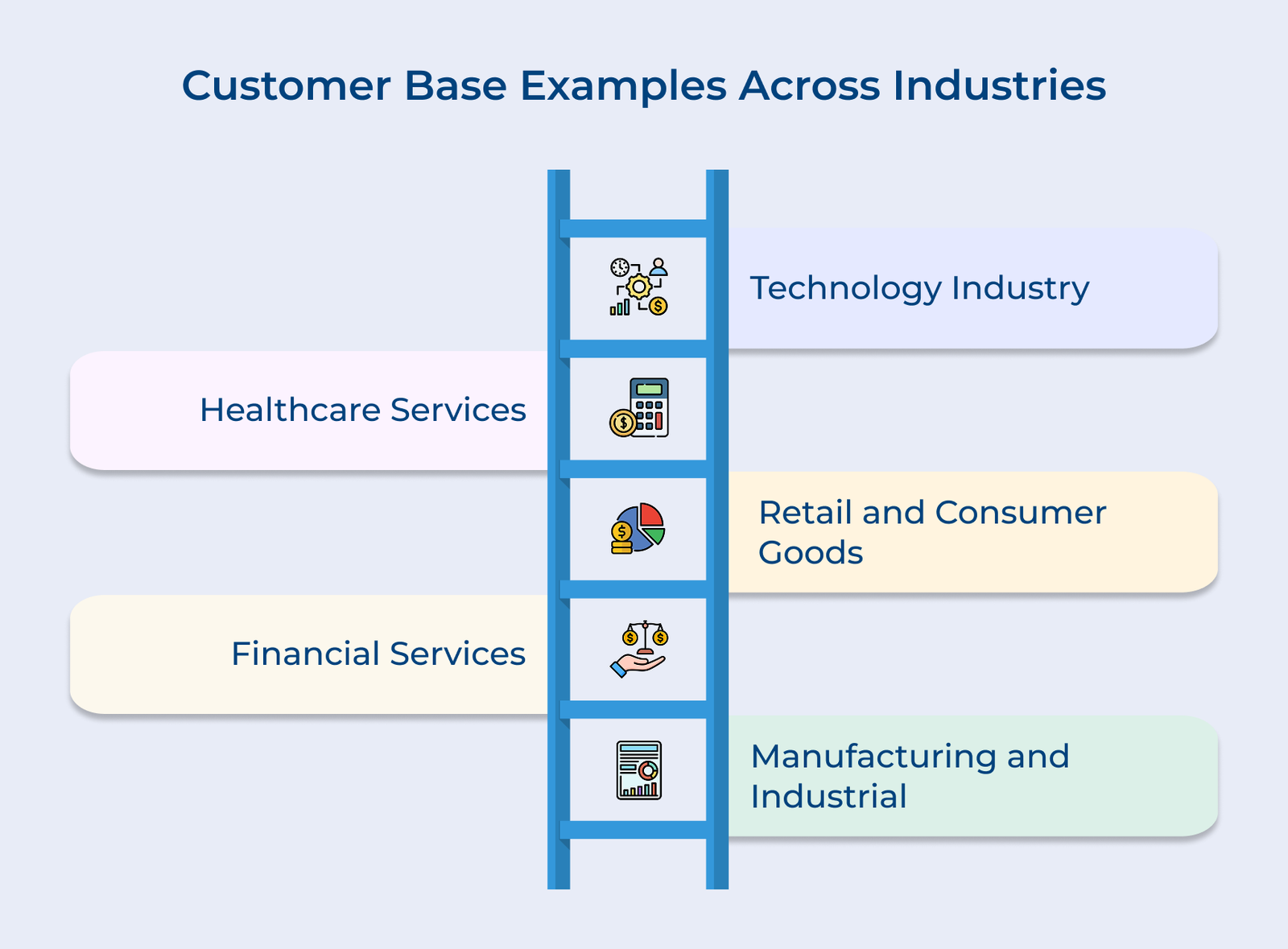
Customer Base Examples Across Industries
Get insights on how companies build and maintain relationships with their customers, influencing everything from communication approaches to service delivery methods.