1. Build a Unified Customer Data Foundation
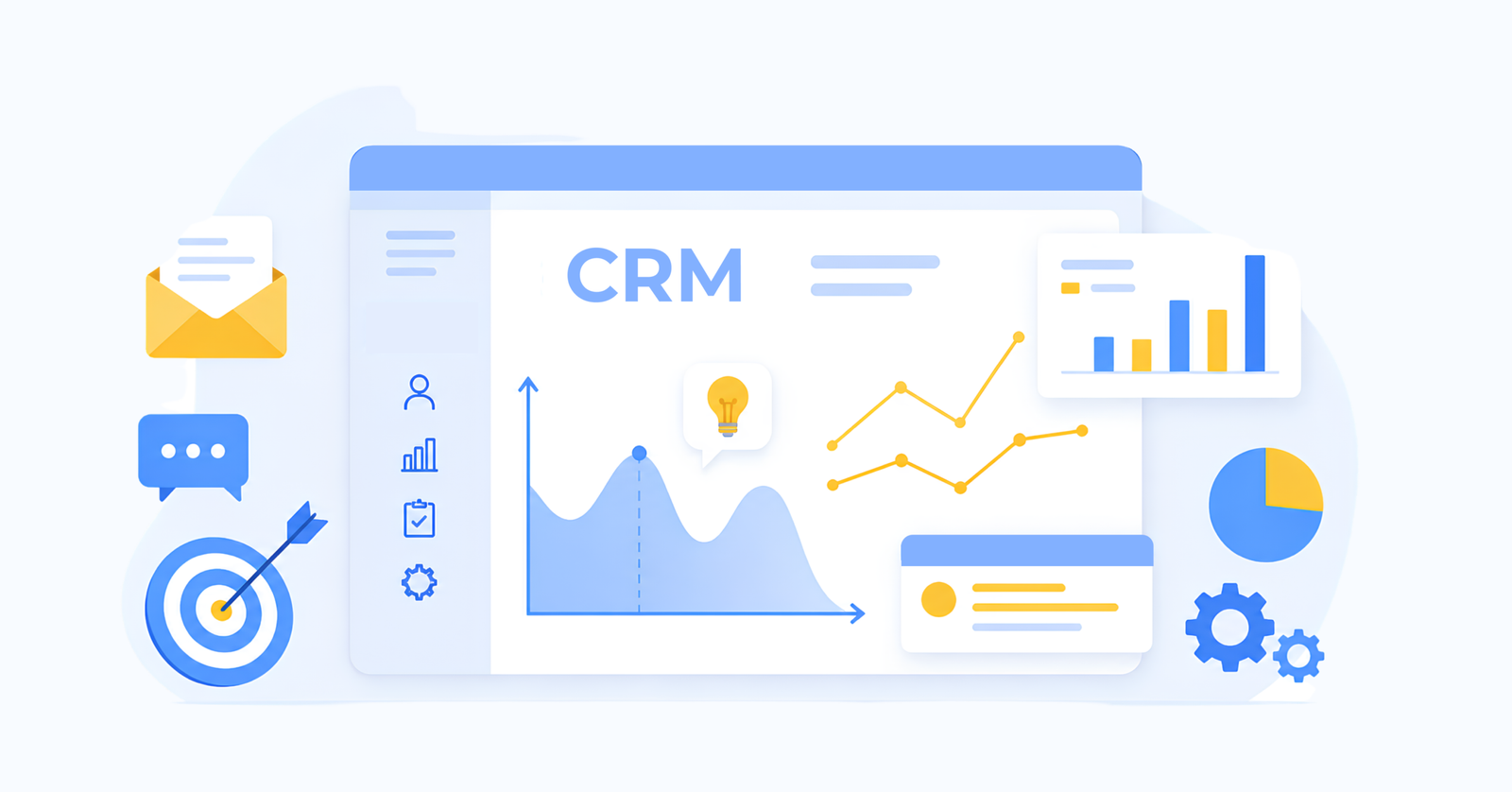
A strong data foundation brings every customer interaction into one CRM record that drives smarter decisions. Clear data helps teams make better decisions and keeps communication relevant.
Key ways:
- Connect all data sources into one CRM, so every team works with the same information.
- Clean up duplicate and outdated records regularly to keep data reliable.
- Capture useful data points like industry, product usage and last interaction to improve segmentation.
2. Segment Your Audience Beyond Basic Demographics
Segmenting by job title alone gives a surface-level view that rarely improves conversion rates meaningfully. What drives results is segmenting on behavior and buying journey positions inside the CRM.
Key factors:
- Behavioral signals like clicks, page visits and feature usage.
- Buying stage to match communication with current intent.
- Recent activity to understand readiness and priority.
Dynamic CRM marketing segments update automatically as contact behavior shifts without requiring any manual intervention from the team. A lead moving from awareness to evaluation gets re-bucketed instantly and receives the right message at the right moment.
Key categories:
- High-intent trial users who completed setup and explore pricing early.
- Re-engagement candidates who have not opened an email or logged in within the last 45 days.
- Pipeline-ready prospects with a high ICP fit score who have engaged with three or more campaign touchpoints.
- Expansion-ready customers using core features but not advanced options.
3. Automate Lifecycle-Based Customer Journeys
Lifecycle automation works best when it reflects where a person is in their journey. Timely responses reduce delays and help important interactions move forward without being missed. It keeps communication aligned and makes each step feel more relevant to the customer.
Map triggers to each stage carefully
A trigger mapped to the wrong lifecycle stage delivers the right message to the wrong audience entirely. Each stage from lead capture to post-purchase needs a defined trigger, like a form fill, a product action or a deal stage change that fires the correct workflow automatically.
Set clear exit conditions
Contacts should not keep receiving messages that no longer match their current situation inside the journey. A prospect who books a demo mid-nurture sequence must be pulled out instantly and moved into a pre-demo workflow instead.
Test timing before scaling
Sending the right message at the wrong time is equally damaging as sending the wrong message entirely. Testing message gaps and follow-up intervals on a smaller segment first helps refine the flow before wider use.
4. Personalize Outreach Using Real Behavioral Data
Personalization in CRM marketing means using what contacts have actually done on the website, inside the product or across campaigns to shape outreach. It goes far beyond inserting a first name into an email subject line.
Accurate data collection is essential. CRM systems should connect to every channel where contact behavior happens, including website analytics, email engagement and in-app events, so activity attaches to the contact record automatically.
Key ways:
- Website visit guide outreach based on page viewed and interest shown.
- Product usage triggers messages that highlight next steps or features.
- Email engagement shapes subject lines and CTA variation, tested against their specific engagement pattern.
Avoid personalization that feels forced. When a message references data points irrelevant to the contact’s current situation, it signals the brand is using data without understanding it. Sending a “we noticed you haven’t logged in” email to a daily active user because a CRM field was not updated correctly destroys trust faster than no personalization at all.
5. Align Sales and Marketing Around Shared CRM Data
Sales and marketing misalignment costs revenue because both teams operate on different definitions of a qualified lead. Shared CRM marketing data creates a clear and consistent view that both teams can rely on.
Key questions:
- Do both teams agree on what qualifies as a lead?
- Is campaign engagement data visible to sales inside the pipeline?
- Are handoff rules clearly defined and followed?
- Does marketing receive feedback on rejected leads?
- Are both teams measured on shared outcomes?
The questions force both teams to confront alignment gaps before they quietly kill pipeline velocity. A checklist-first approach ensures CRM setup reflects how both teams actually operate. When marketing runs a campaign, every engagement gets logged against the contact record so the sales rep already knows what the prospect consumed before the first call.
Pro tips:
- Give both teams visibility into the same pipeline metrics so neither operates in a reporting silo.
- When sales disqualifies a marketing lead, the reason gets logged in CRM and feeds back into campaign targeting.
6. Track and Score Leads to Prioritize Outreach
Lead scoring helps teams focus on the right prospects instead of working through a long list without direction. It brings clarity to where time and effort should go. It makes outreach more efficient and improves the chances of meaningful conversations.
Building a scoring model on fit or intent means assigning weighted values to both who the contact is and what they have done. A pricing page visitor who matches the ICP scores significantly higher than an ICP match who only opened one email.
Actionable tips:
- Behavioral signals like pricing page visits, demo requests or trial activity.
- Score reduction is applied automatically when a contact shows no activity beyond a defined time window.
Once the model is built, real-time behavior updates are what keep the scoring system accurate and actionable. Every new action a contact takes should automatically adjust their CRM score without any manual intervention from the team. The real-time scoring process directly sharpens how CRM marketing resources get allocated.
Key ways:
- Outreach prioritization: Sales reps work a ranked contact list rather than guessing who deserves attention first.
- Campaign retargeting: Low-scoring contacts get re-enrolled into nurture workflows until intent signals strengthen.
- Sales and marketing handoff: Leads only reach sales when they cross a defined score threshold agreed on by both teams.
7. Measure CRM Campaign Performance Beyond Open Rates
Open rates show initial interest but do not explain impact. Real insight comes from tracking how campaigns influence pipeline and revenue. It helps teams focus on what actually drives results instead of surface-level activity.
Key metrics:
- Pipeline influenced by marketing campaigns.
- Cost per qualified lead across channels and segments.
- Lead-to-opportunity conversion rate by source.
- Customer lifetime value by acquisition campaign.
Tracking the metrics inside the CRM connects activity to outcome. It becomes easier to see which messages and segments lead to real results. The clarity helps teams make better decisions and improve future campaigns.
Best practices:
- Decide if the CRM tracks first-touch, last-touch or multi-touch attribution upfront so revenue credit is assigned consistently.
- Analyze performance at the segment level to understand what worked and what did not.
CRM Marketing Examples
Check out the CRM marketing examples that show how businesses use customer data, automation and personalization to drive more consistent results.