1. Know Your Audience Before you Engage
Audience engagement plans fall apart when there is no real understanding of who you are speaking to. Clear audience insight is what turns content from something people scroll past into something they actually care about.
Pro tips:
- Age, location and professional role.
- Buying habits and how often they purchase.
- Where and how they consume content.
- Common challenges they deal with.
- Goals they are trying to achieve.
The patterns help you speak in a way that feels relevant and familiar. People respond more when they feel understood, not just approached. Data from your own platforms can take it further. Page visits, drop-offs and repeat interactions show what truly holds attention and what gets ignored.
2. Use Social Listening and AI Smartly
Real audience insight comes from paying attention to what people say and how they behave in real time. Ignoring these signals often leads to guesswork instead of clear direction. Clear signals help you respond with relevance instead of reacting too late.
Key ways:
- Track brand sentiment regularly: Listening tools reveal how people feel through their tone, helping you spot early signs of dissatisfaction before they grow.
- Spot relevant conversations in your space: AI highlights topics your audience is already discussing, so you can join in while the interest is still fresh.
- Understand what content works best: Past engagement data helps you see which formats and topics get attention, making it easier to plan what to share next.
3. Deliver Content that Feels Personal
Generic content gets ignored quickly. People pay attention when something feels relevant to their situation and reflects what they actually care about. Relevance makes the difference between passive scrolling and real engagement.
Start by grouping your audience based on what they do, not just who they are. Actions like pages visited, emails opened or resources downloaded give clear clues about intent and interest. The patterns help you respond with content that feels timely and relevant to their needs.
Key stages:
- Awareness stage: Simple, helpful content that addresses a real problem.
- Consideration stage: Comparison or case studies that help people weigh options.
- Decision stage: Testimonials or demos that reduce hesitation.
- Retention stage: Helpful guidance or insights that keep the relationship strong.
Content becomes more effective when it adapts to individual behavior. Showing the same message to everyone often leads to missed opportunities. Small changes based on user activity can make each interaction feel more relevant and engaging.
Key situations:
- Returning website visitor: Sees recently viewed items or picks up where they left off.
- First-time email subscriber: Receives a welcome series based on what caught their interest.
- Loyal repeat customer: Gets early access or updates that reflect their continued support.
- Inactive subscriber: Receives a message that connects with their past activity and gives a reason to come back.
4. Automate Touchpoints without Losing the Human Feel
Automation works best when it feels timely and relevant, not mechanical. Thoughtful timing and context make automated interactions feel more attentive than many manual ones. Relevance in the moment makes the interaction feel helpful rather than forced.
Automate follow-ups based on real actions
Messages sent right after a specific action feel natural because they match what the person just did. A quick, relevant response often gets more attention than a delayed generic message. Immediate context makes the message easier to notice and act on.
Set smart triggers for key engagement moments
Concentrating automation around high-intent moments, such as product page visits, resource downloads or abandoned checkouts, ensures effort lands where it actually influences decisions. Businesses that map trigger logic carefully create an engagement flow that feels genuinely thoughtful rather than automated.
Keep messages conversational and specific
Tone matters as much as timing. Messages should sound like a real person and clearly connect to the action that led to them. Small details like timing, tone and context turn automation into something that feels helpful rather than intrusive.
5. Make Every Experience Frictionless and Intuitive
Small obstacles can quickly push people away. Extra clicks, slow loading or unclear paths make even interested users lose patience and leave. A smooth experience keeps people engaged and makes it easier to return without hesitation. When everything feels simple and clear, trust builds naturally over time.
Key questions:
- Does each page load fast enough to keep attention?
- Can a first-time visitor find what they need without confusion?
- Does the mobile experience feel just as easy as a desktop?
- Are calls-to-action clear and easy to follow?
Honest answers to the questions highlight where people start dropping off. Many lose interest not because of poor content but because the experience feels difficult to navigate. Running the checklist across every touchpoint reveals where the experience works and where it quietly pushes audiences away. Fixing even two or three friction points produces a measurable improvement in return visits and overall engagement depth.
Best practices:
- Audience behavior evolves and what felt seamless six months ago may now be creating invisible friction worth addressing immediately.
- A significant portion of engagement happens on mobile and a clunky mobile experience directly undermines even the strongest content strategy.
6. Build Community Around Shared Interest
A strong brand community changes how people engage. Interaction no longer stays limited to the brand. People start connecting, which keeps the conversation active even without constant content. The ongoing interaction builds a sense of continuity that keeps people coming back.
Create spaces for your most loyal members
Loyal members engage significantly deeper when they feel they belong to something not everyone can access easily. Exclusive forums or members-only spaces signal that the brand values its commitment beyond just its transaction history.
Encourage conversations between members
Real engagement often happens when people share experiences and help each other. Spaces that support open discussion create a steady flow of interaction without relying on constant input from the brand. The exchange builds trust within the group and keeps conversations active.
Reward active contributors
People are more likely to participate when their efforts are noticed. Simple recognition or small perks can encourage them to stay active and motivate others to join in. Strong communities grow through shared participation. When people feel connected to each other, engagement becomes more natural and consistent over time.
7. Use Data to Continuously Refine Engagement
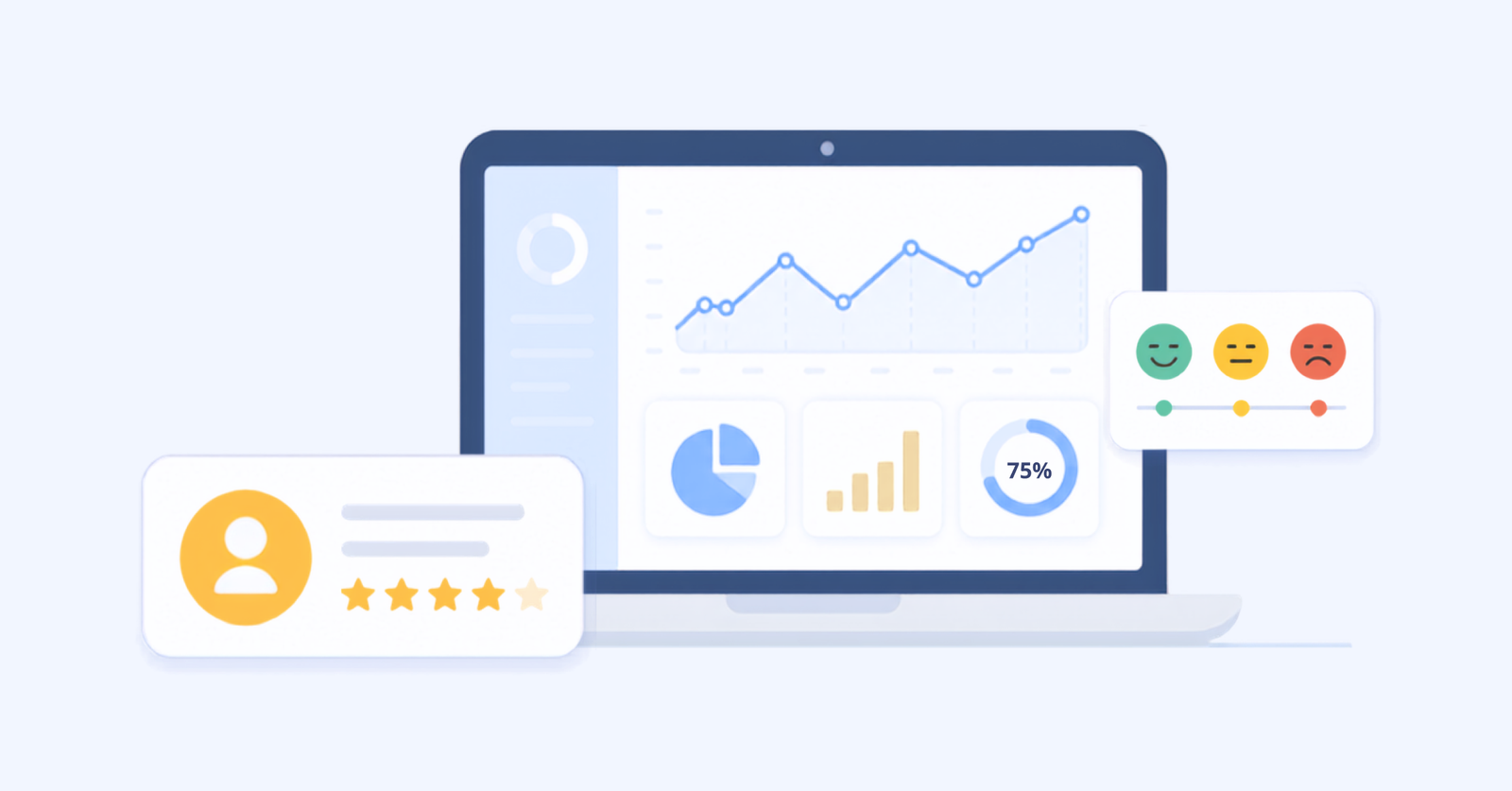
Audience engagement strategies running without consistent data analysis are essentially operating on assumptions rather than the audience’s reality. Businesses that treat data as a live feedback loop rather than a reporting formality are the ones that grow engagement sustainably.
Focusing on the right signals makes a big difference. A few meaningful refinement metrics give clearer direction than a long list that looks impressive but adds little value. Clear priorities make it easier to take action instead of getting lost in unnecessary data.
Key metrics:
- Engagement rate: Shows how actively people interact with your content.
- Time on page: Indicates how long attention is held.
- Return visitor rate: Reflects how often people come back on their own.
- Conversion rate by segment: Highlights which groups take meaningful action.
Start by identifying where audience engagement consistently drops off; that specific point always signals an unmet audience expectation worth investigating immediately. Test one targeted change at a time so the data clearly reveals what moved the needle rather than leaving results open to interpretation.
8. Close the Loop with Consistent Follow-Through
Engagement means little if people do not see any outcome from their input. Interest fades when feedback feels ignored or goes unanswered. Visible action reassures people that their voice actually matters.
Closing the loop is about acting on feedback visibly and communicating changes back to the exact audience that inspired them. When people see their input reflected in real decisions, their investment in the brand deepens in a way no campaign can manufacture artificially.
Key takeaways:
- A simple, thoughtful reply to a comment or survey tells the audience the brand treats them as real people worth engaging with seriously.
- When the audience sees their suggestions drive a real product or content change, it creates a powerful cycle of deeper trust and more honest future engagement.
How to Increase Audience Engagement?
Below are the practical ways to increase audience engagement. Let’s check them out in detail for a better understanding.