A. Problem Solving and Resolution
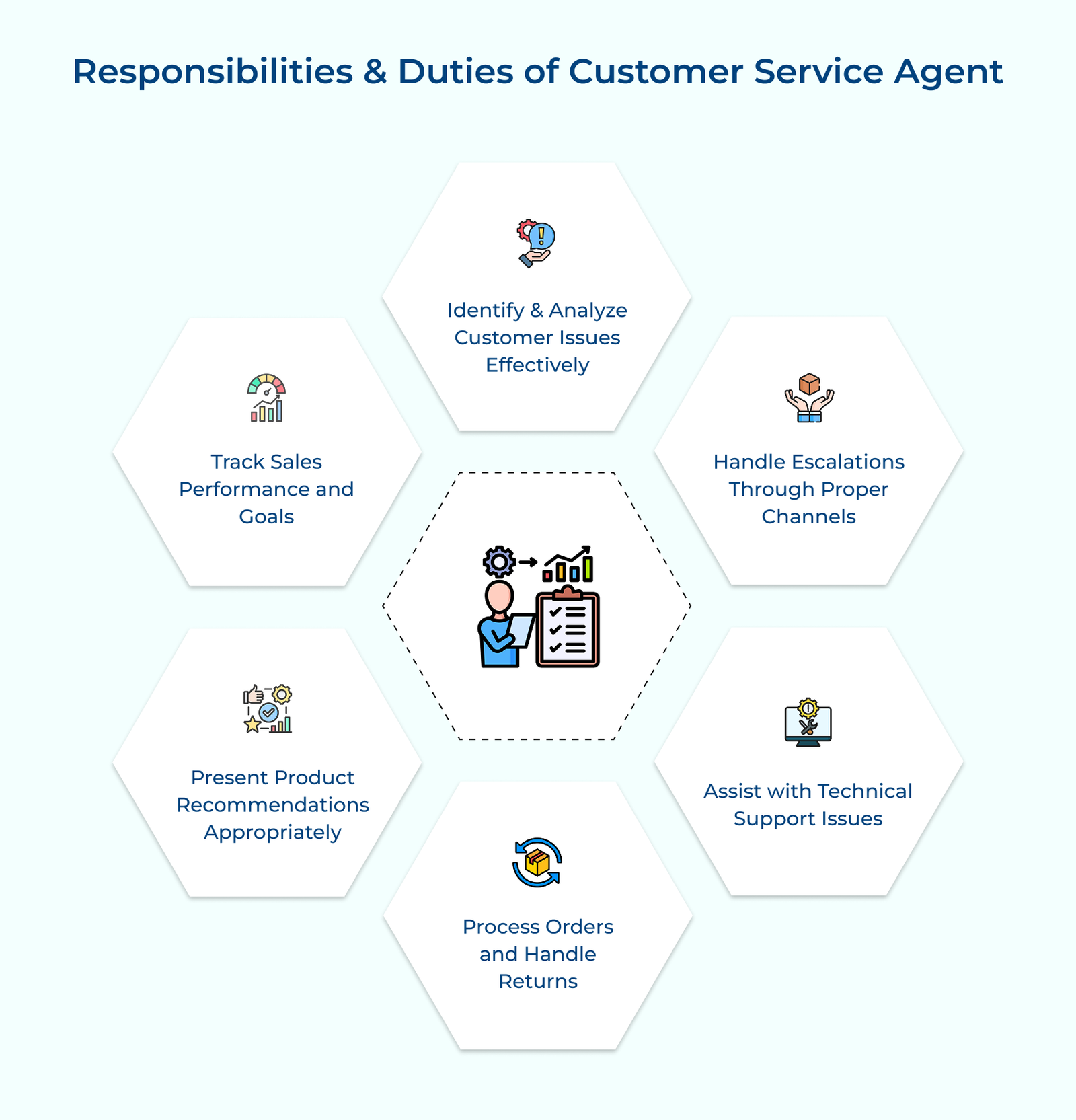
1. Identify and Analyze Customer Issues Effectively
Customer service representatives must be skilled at identifying and breaking down customer problems. It requires careful listening, thorough analysis and an understanding of both stated concerns as well as underlying issues.
Pro tips:
- Break problems down: Analyze technical issues by breaking them into smaller components. This helps in identifying the root cause and determining the best path to resolution.
- Review customer history: Looking at past interactions and transaction history can reveal patterns or recurring issues.
- Document everything: Keeping clear records of problems, their impact and steps taken ensures smoother resolution.
Strong problem analysis leads to faster resolutions, fewer recurring issues and a better overall customer experience.
2. Develop Solutions for Customer Complaints Promptly
Customer service representatives must think quickly and act decisively to resolve issues efficiently. A well-structured approach ensures that solutions address both immediate concerns and any underlying problems while staying within company policies.
Key takeaways:
- Create a clear plan: Outline actionable steps so both the customer and service team know what to expect.
- Evaluate solutions: Weigh company policies and customer needs to choose the best resolution.
- Act quickly: Implement solutions within set timeframes and keep customers updated on progress.
3. Handle Escalations Through Proper Omnichannel
Handling escalations effectively means knowing when a problem is beyond your authority or expertise and acting on it quickly. A smooth handoff to the right team can make all the difference in resolving the issue and keeping the customer’s trust.
Pro tips:
- Recognize when to escalate: Service reps must develop the judgment to spot issues that require higher-level support before they escalate into bigger problems.
- Connecting with the right departments: A strong understanding of internal teams and their expertise ensures that escalations go to the right place, reducing delays.
When done well, escalation isn’t just a way to fix problems—it’s an opportunity to show customers that their concerns matter. Handling tough situations with care and efficiency can turn a frustrated customer into a loyal one.
B. Customer Support and Information
4. Provide Accurate Product Knowledge and Details
Mattering product knowledge is essential for delivering great customer service. Customers rely on service representatives for accurate information, be it for making a purchase, troubleshooting an issue or learning how to use a product effectively.
Actionable tips:
- Research thoroughly: Service reps spend time studying product manuals, technical specs and feature lists. It helps in understanding how products work, their benefits and their limitations.
- Stay updated: Products evolve and so should a service rep’s knowledge. Keeping up with new features means regularly reviewing company announcements, technical bulletins and training materials.
- Build useful resources: A well-informed team is a stronger team. Reps develop FAQs, troubleshooting guides and step-by-step instructions based on real customer questions.
Service reps not only solve problems faster but also build trust with customers by staying informed and prepared.
5. Assist with Technical Support Issues
Technical support is more than just fixing problems, it’s about solving issues while keeping customers informed and confident. A great support representative combines technical expertise with clear, patient communication to assist users of all skill levels.
Pro tips:
- Systematic troubleshooting: Effective problem-solving starts with a structured approach. Reps begin with common causes, then work through more advanced diagnostics using logs, error reports and customer input.
- Guiding customers clearly: Not every customer speaks “tech,” so explaining solutions in simple, step-by-step terms is key. Reps adjust their language based on the customer’s familiarity with technical concepts, using visual aids or written instructions.
- Documenting solutions: Each resolved issue adds to a team’s knowledge. Reps log details of the problem, the steps taken and the final solution, creating a valuable resource for future troubleshooting.
Support teams can solve problems quickly while building trust with customers by combining technical know-how with clear communication and thorough documentation.
6. Process Orders and Handle Returns
Order processing and return management are critical to a smooth customer experience. Handling the tasks accurately helps prevent frustration, financial losses and damage to a company’s reputation. Mistakes in the area often lead to repeated customer complaints and lost business.
Key takeaways:
- Processing orders with precision: Representatives carefully review order details like product specifications, quantities and shipping information to ensure accuracy before fulfillment.
- Tracking shipments and resolving issues: Keeping customers informed about their order status is essential. Reps coordinate with shipping partners, address delivery problems quickly and provide clear updates to customers.
- Managing returns efficiently: When customers request returns, reps follow established policies, verify return reasons and process refunds or replacements accurately.
7. Maintain Customer Account Information Updated
Keeping customer account information accurate is essential for smooth transactions and personalized service. It requires regular updates, careful verification and strict adherence to data protection rules.
Actionable tips:
- Updating and verifying information: Reps routinely update customer details such as contact info, preferences and account settings, ensuring accuracy during every interaction.
- Keeping detailed records: Documenting customer interactions, purchase history and service preferences helps provide a seamless experience.
- Ensuring data security: Customer information must be complete, organized and handled with care. Reps follow strict data protection protocols to maintain privacy and prevent unauthorized access.
C. Communication and Customer Relationship Building
8. Build Strong Relationships Through Active Listening
Active listening is the foundation of great customer service. It’s not just about hearing words, but about fully understanding what the customer is saying (and not saying) while making them feel valued.
A customer’s tone, pauses and choice of words can reveal more than just their request. Reps pay attention to the cues, acknowledge emotions and use techniques like paraphrasing to confirm understanding. Good note-taking helps capture key details without interrupting the conversation.
Pro tips:
- Use silence effectively: A short pause after a customer speaks gives you time to process their words and respond thoughtfully.
- Master efficient note-taking: Develop a shorthand system so you can quickly document key details while staying engaged in the conversation.
When done well, active listening builds trust, reduces misunderstandings and makes every customer feel heard.
9. Maintain Professional Communication Standards
Clear, professional communication is the backbone of great customer service. It ensures consistency, builds trust and creates positive experiences in every interaction. The way something is said matters just as much as what is said.
Reps use respectful, empathetic language while adapting their communication style to match the customer’s comfort level. Different situations call for different approaches. Reps must know when to use formal or informal language, how to handle sensitive information and the proper way to document interactions across different platforms.
Pro tips:
- Reframe negative statements: Instead of saying, “That’s not possible,” try, “Here’s what we can do.” Focusing on solutions keeps conversations constructive.
- Review your own interactions: Listening to past calls or reading chat transcripts can help identify areas for improvement in tone, clarity and effectiveness.
Professional communication isn’t just about following rules—it’s about making every customer feel heard, respected and supported.
10. Respond to Customer Inquiries Promptly
Responding to customer inquiries quickly builds trust and improves satisfaction. A fast reply shows customers their time is valued, while a well-crafted response ensures they get the information they need without unnecessary delays.
Message acknowledgment requires setting up efficient systems for monitoring incoming communications across channels. A fast response means little if it doesn’t fully address the customer’s question. Reps should keep answers concise but complete, eliminating the need for multiple follow-ups.
Key takeaways:
- Use templates wisely: Pre-written responses can speed things up, but they should always be personalized to fit the customer’s specific situation.
- Follow the two-minute rule: If a response takes less than two minutes, handle it immediately instead of adding it to a queue. Small tasks done quickly prevent backlogs.
11. Handle Multiple Communication Channels Effectively
Managing multiple customer service channels effectively is essential for providing a smooth and consistent experience. Be it handling emails, chats, phone calls or social media messages, representatives must stay organized and responsive to prevent delays.
Pro tips:
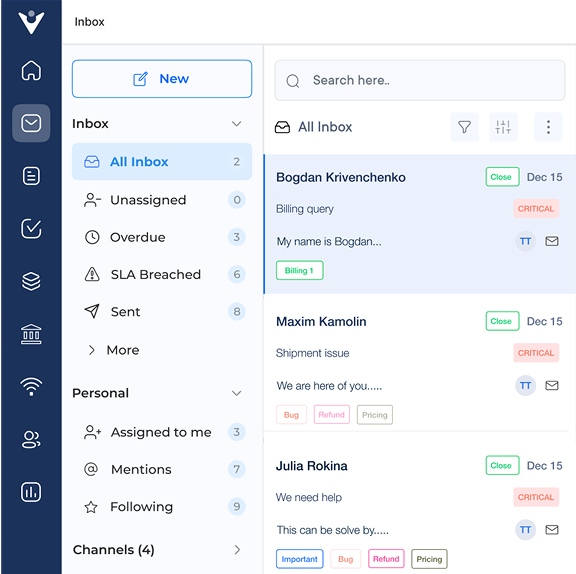
- Email and chat: Reps must monitor incoming messages, manage inboxes efficiently and follow response time protocols to ensure customers get timely, clear answers.
- Social media: Public interactions require extra care. Reps must balance quick responses with maintaining a professional and consistent brand voice while addressing customer concerns in a way that reflects well on the company.
- Phone support: Strong verbal communication is key. Reps should actively listen, document calls accurately and manage time effectively between conversations to keep service smooth.
Poor channel management leads to missed messages, delayed responses and inconsistent service, damaging customer trust. Negative experiences can quickly spread online, making effective communication across all platforms more important than ever.
D. Sales Cross-selling and Upselling
12. Present Product Recommendations Appropriately
Presenting recommendations isn’t about making a sale–it’s about offering solutions. A well-timed suggestion can genuinely help a customer by solving a problem or improving their experience.
When done right, it feels helpful, not pushy. Every recommendation should be tied to a specific customer problem or goal. Instead of just listing features, explain how a product or service can make their life easier. A good recommendation feels like personalized advice, not a sales pitch.
Actionable tips:
- Explain the value clearly: Don’t just describe what a product does—explain how it improves the customer’s experience or solves their problem.
- Make it personal: Tailor recommendations based on what the customer has shared, ensuring that suggestions feel relevant and meaningful.
13. Process Sales and Handle Transactions
Transaction processing is more than just completing a sale. It’s about ensuring accuracy, security and a smooth customer experience. Every step, from verifying details to finalizing payments, plays a crucial role in maintaining trust and preventing errors.
Double-check transaction details, including customer information, product selections and pricing, to prevent mistakes that could lead to delays or disputes. Understanding current offers and eligibility criteria ensures that discounts are applied properly, avoiding confusion or frustration. Handling financial information requires strict attention to security protocols.
Pro tips:
- Use a step-by-step approach: Develop a checklist to ensure all critical transaction steps are completed. Update it as needed based on real-world experience.
- Keep customers informed: Let customers know what to expect during the process and explain any issues or additional requirements clearly.
Accurate and secure transaction processing ensures smooth purchases, reduces errors and reinforces customer confidence in your service.
How do Customer Service Responsibilities Vary Between Different Industries?
Check out how customer service responsibilities differ across industries, each requiring unique skills, approaches and solutions to meet customer needs effectively.