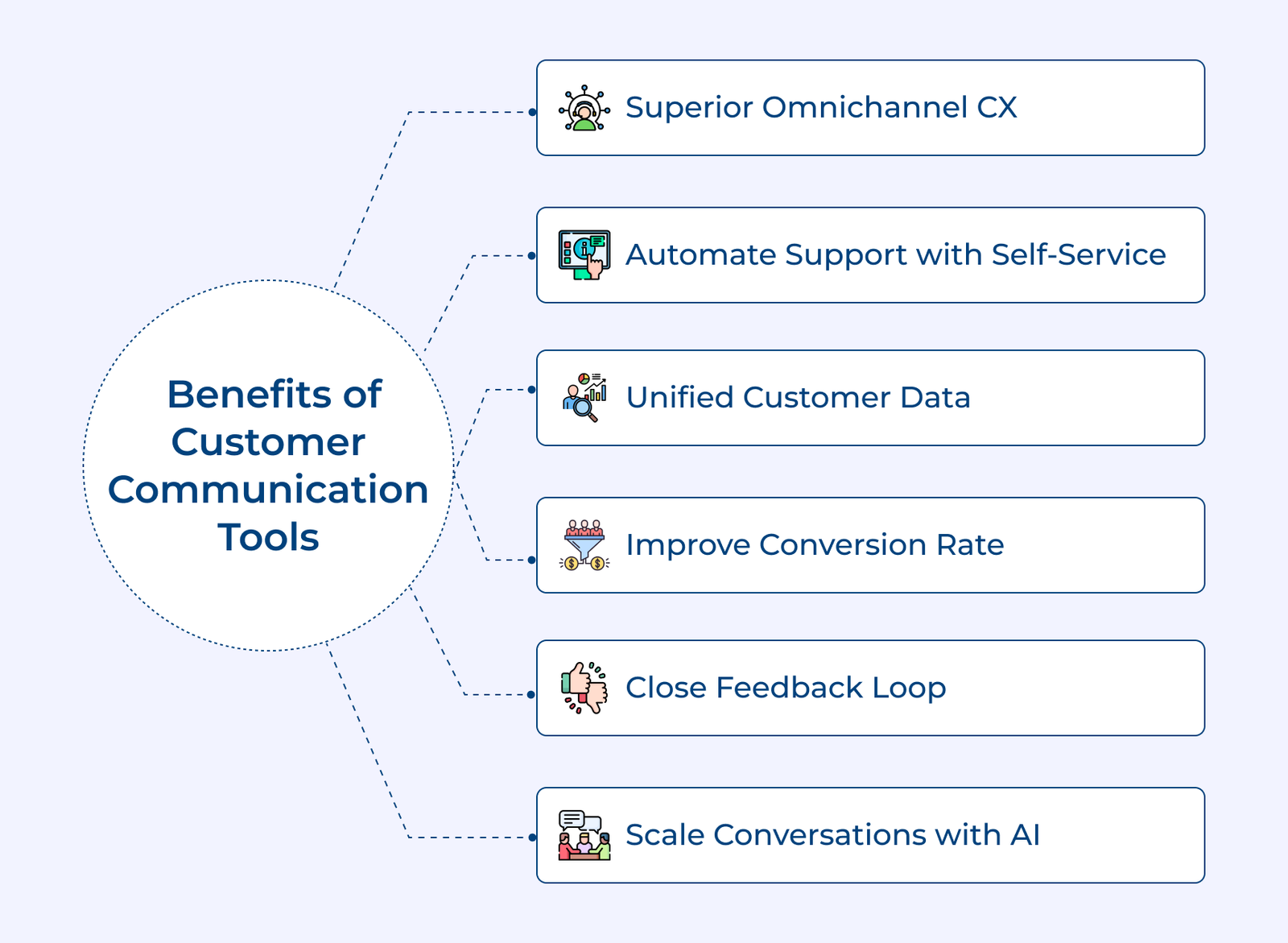
1. Superior Omnichannel Customer Experience
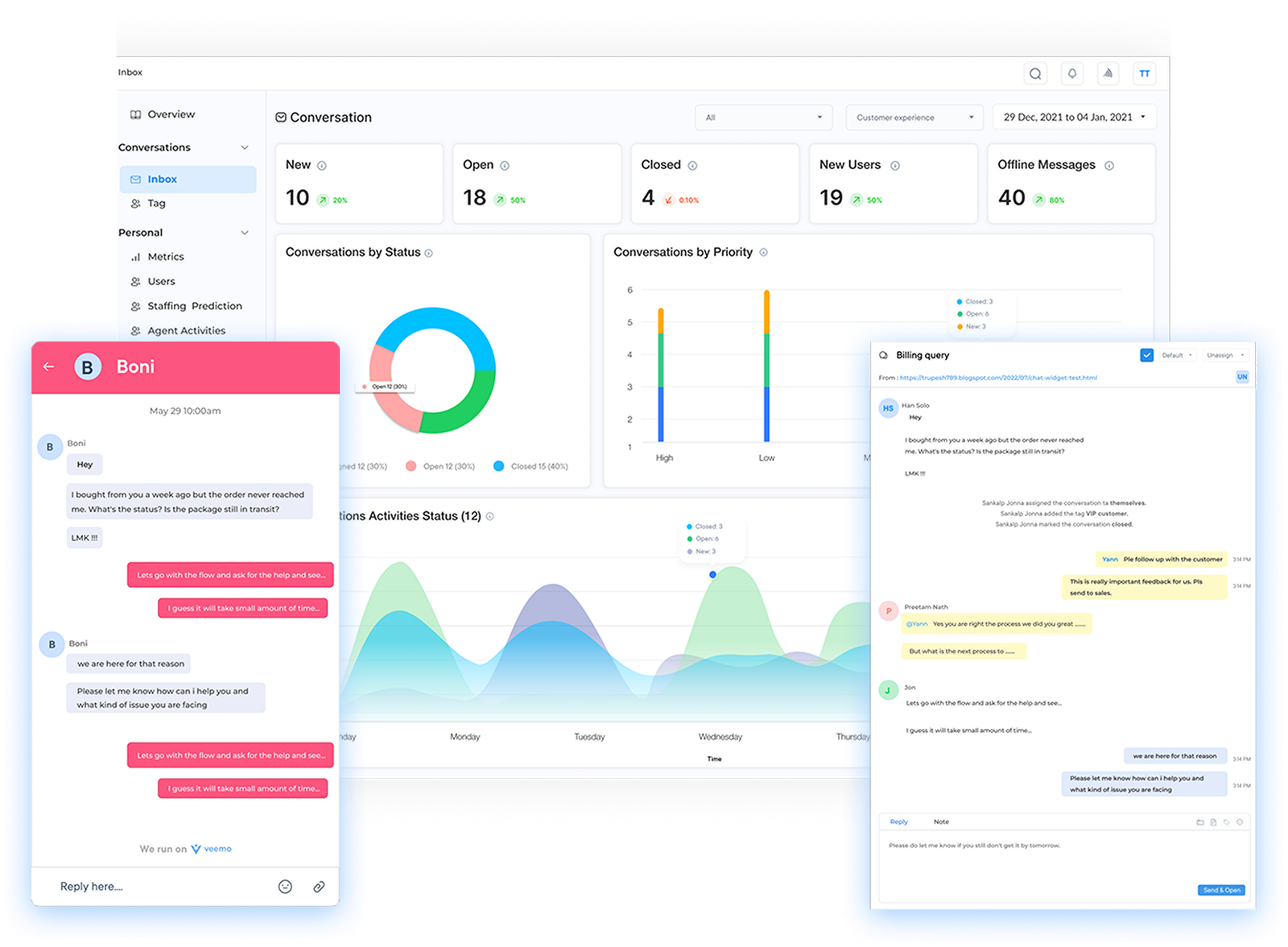
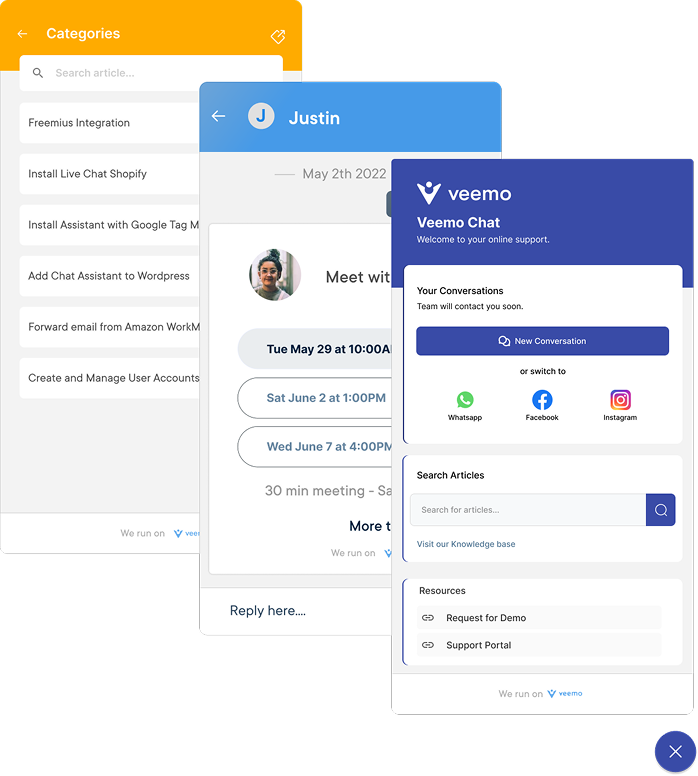
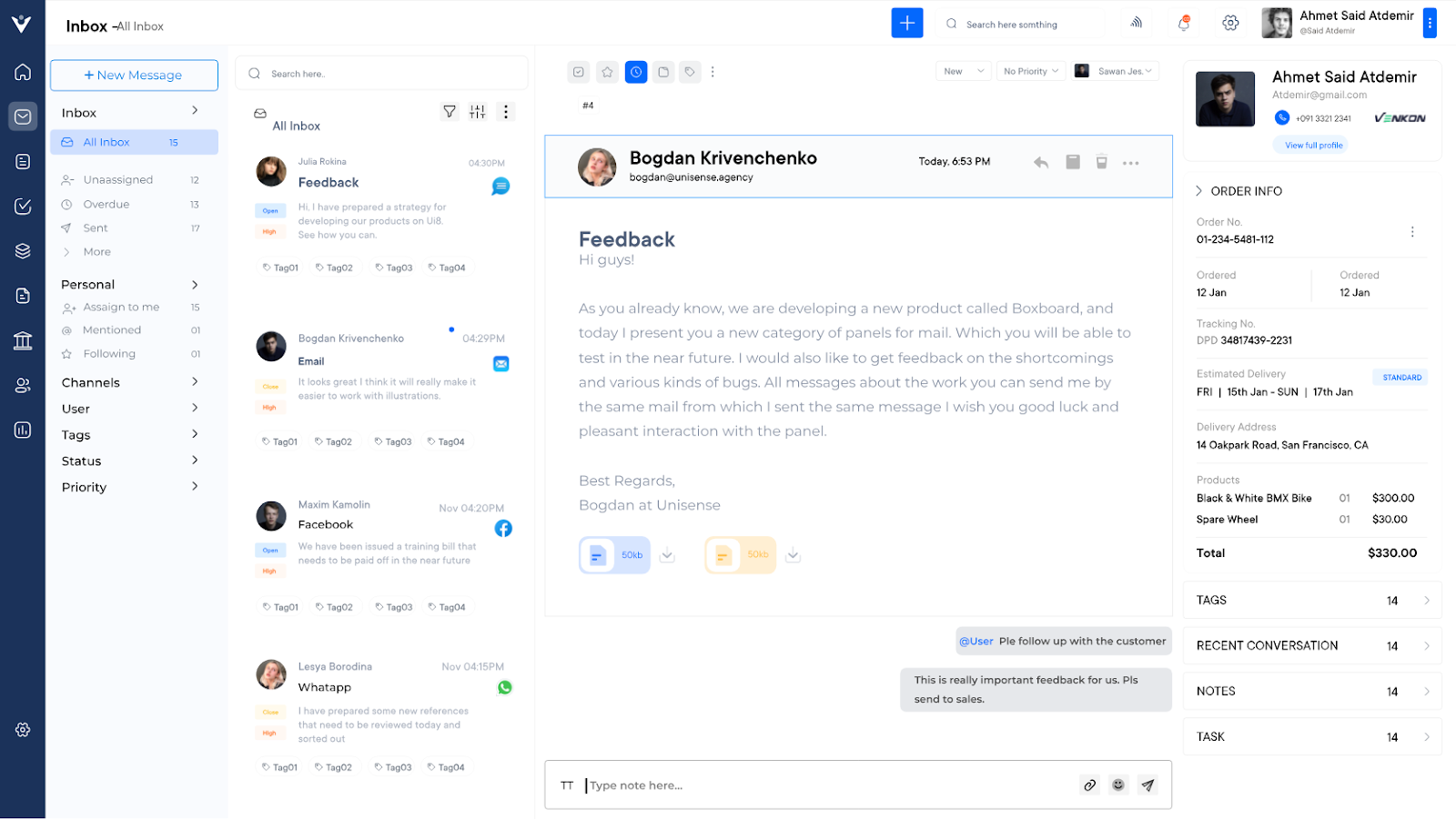
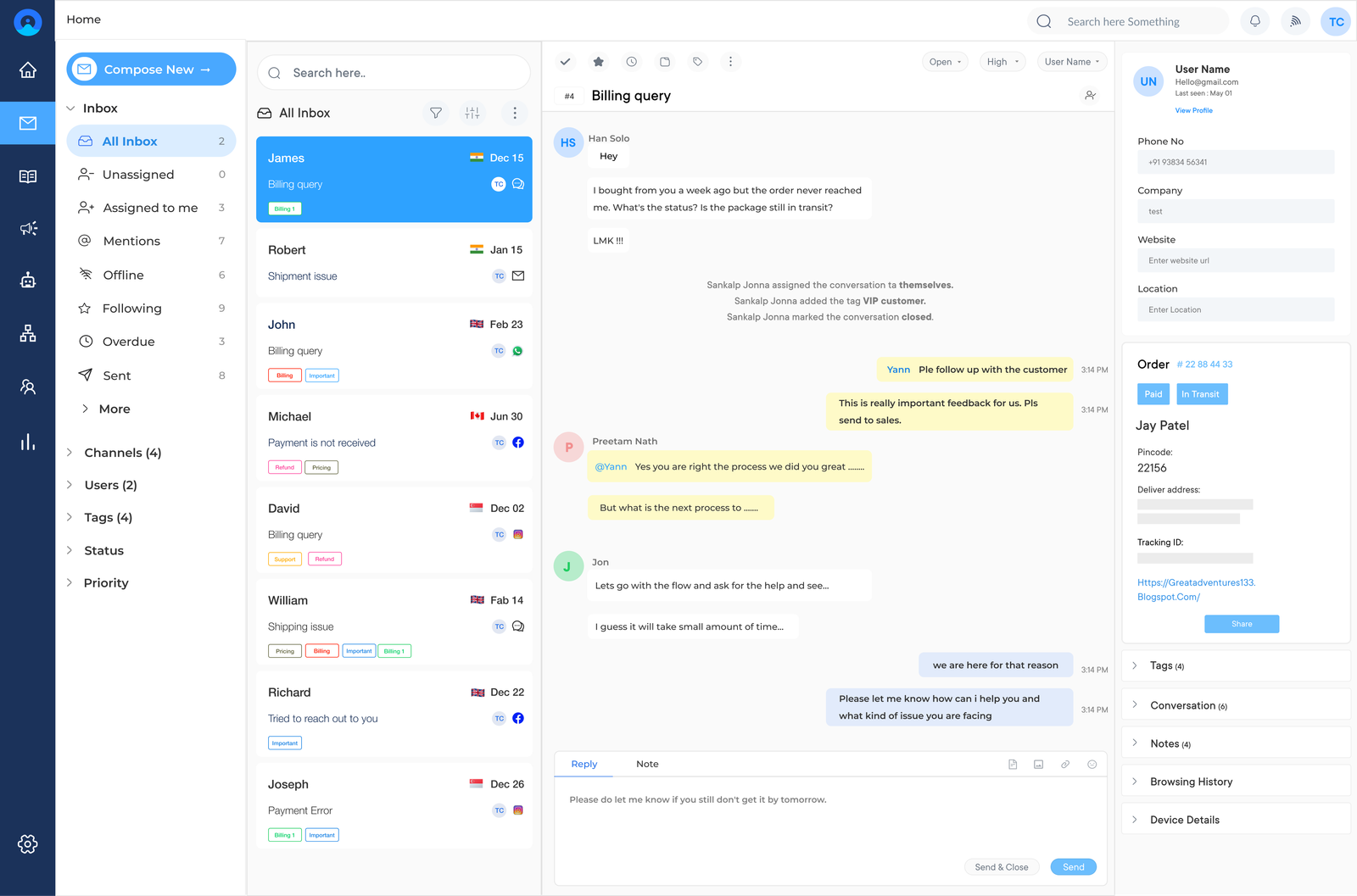
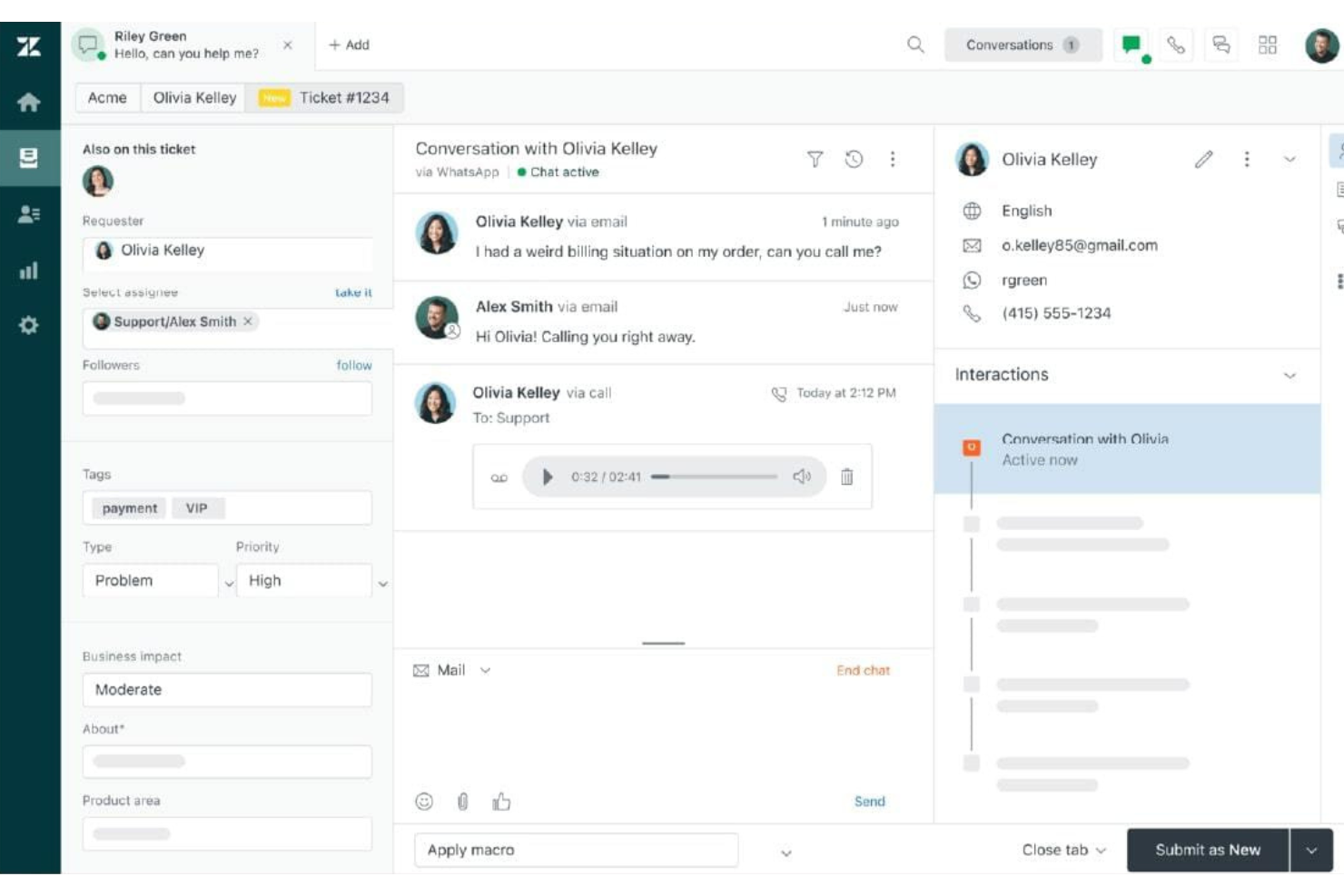
Customer communication tools enable businesses to provide a seamless, consistent experience across multiple channels. Brands deliver personalized experiences that meet modern consumers’ expectations by maintaining a unified view of customer interactions.
2. Automate Support with Self-Service Tools
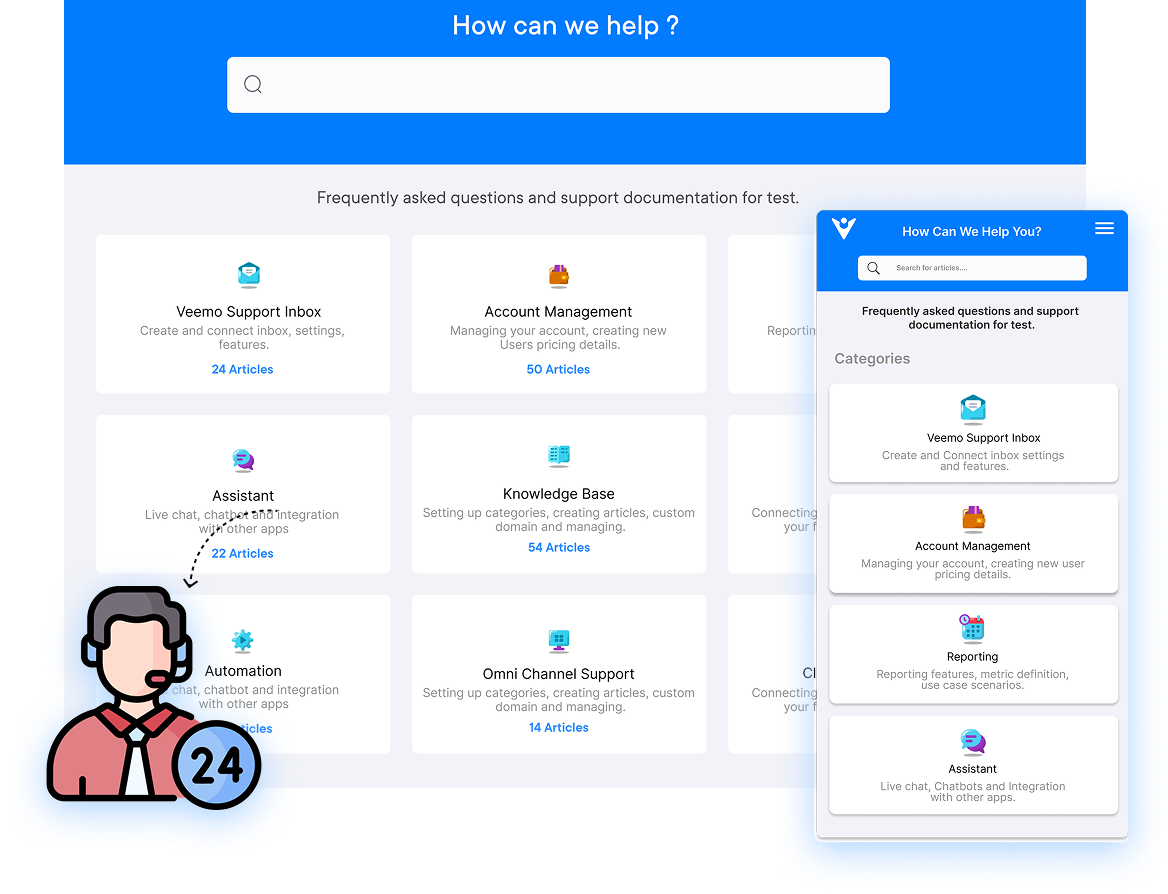
Tools like knowledge bases, FAQs, and AI-powered chatbots allow customers to quickly resolve simple issues without waiting for human assistance. As a result, support staff get to focus on more complex issues that require human intervention, improving overall efficiency and resource allocation.
3. Unified Customer Data
Customer communication tools centralize data from various touchpoints, creating a comprehensive profile for each customer to identify trends and make data-driven decisions. Brands can provide more personalized service with a solid customer history at their fingertips.
4. Improve Conversion Rates
Features like targeted messaging, personalized recommendations, and proactive engagement help businesses guide customers through the sales funnel more effectively. Some use cases include personalized recommendations, automated bookings or marketing automation, which can turn prospects into customers and one-time buyers into loyal repeat clients.
5. Close Feedback Loop
Businesses need to measure customer experience as well as gather useful insights through surveys, ratings, and direct follow-ups. These tools enable companies to identify promoters who can be turned into brand advocates or detractors who you can reach out to deliver constructive business outcomes.
6. Scale Conversations with AI
AI-powered chatbots can handle a large volume of customer inquiries, providing instant responses. Automating routine tasks and providing quick resolutions allows human agents to focus on more complex issues. The scalability ensures that businesses can maintain high-quality customer service without proportionally increasing costs.