1. Contact Management
A strong contact management system is the foundation of any sales software. It helps the team store, organize and access customer information in a centralized database. The system typically includes contact details, interaction history, notes and custom fields.
2. Lead Scoring
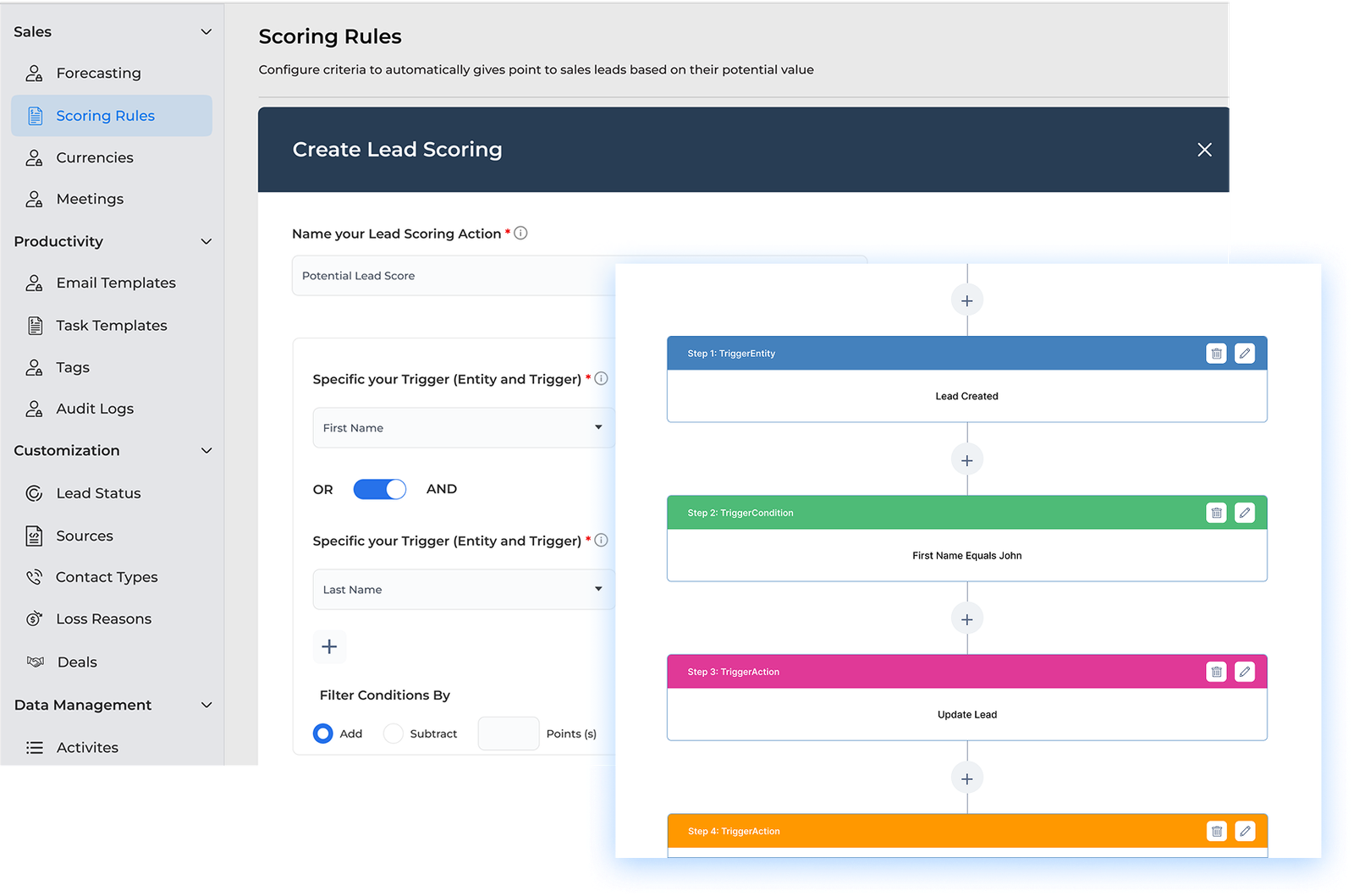
Lead scoring is a crucial feature that helps sales teams prioritize their efforts. Numerical values are assigned to leads based on various criteria such as demographics, online behavior and engagement level. Some systems use AI to continuously refine scoring models based on historical data and outcomes.
3. Sales Pipeline Visualization
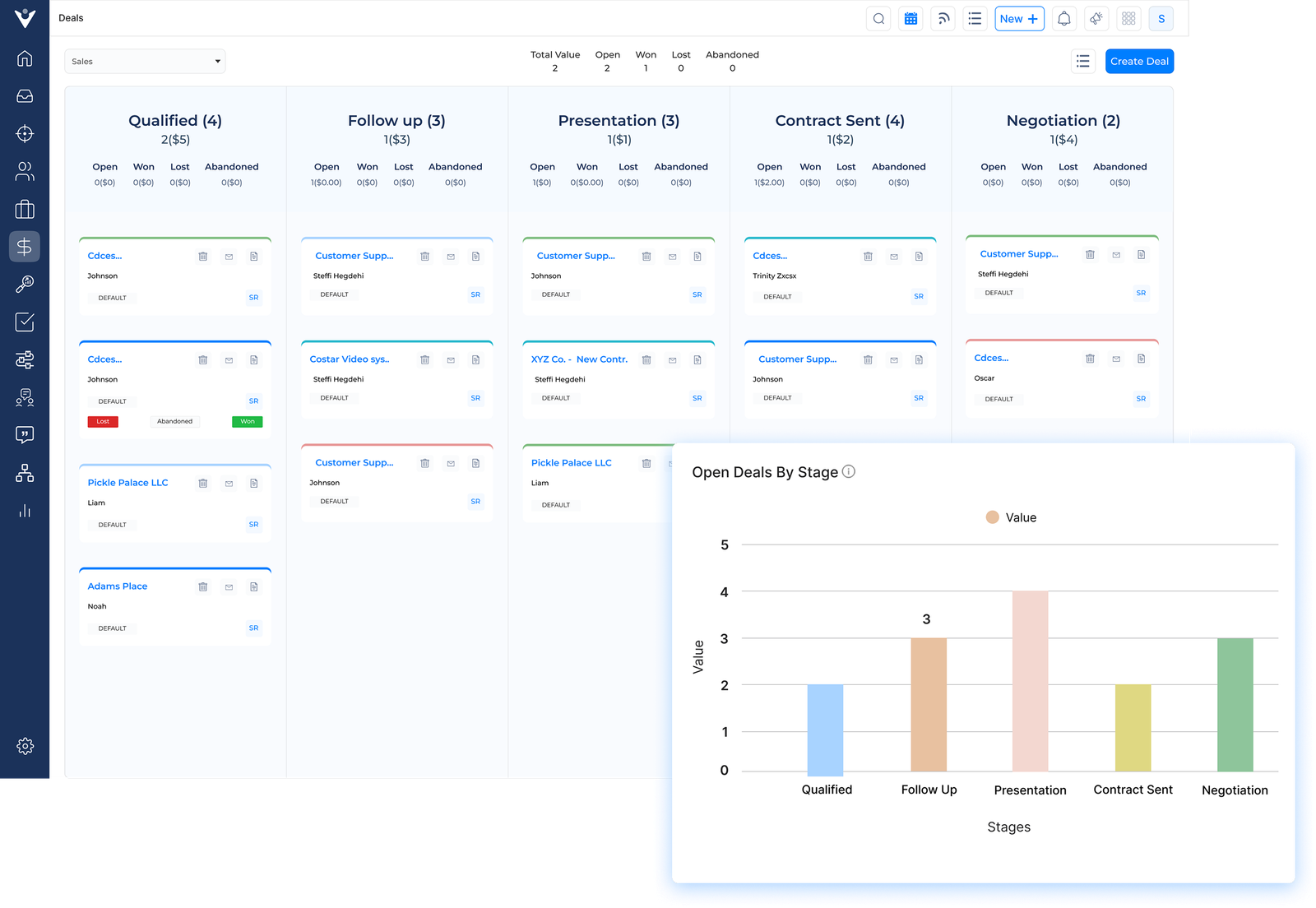
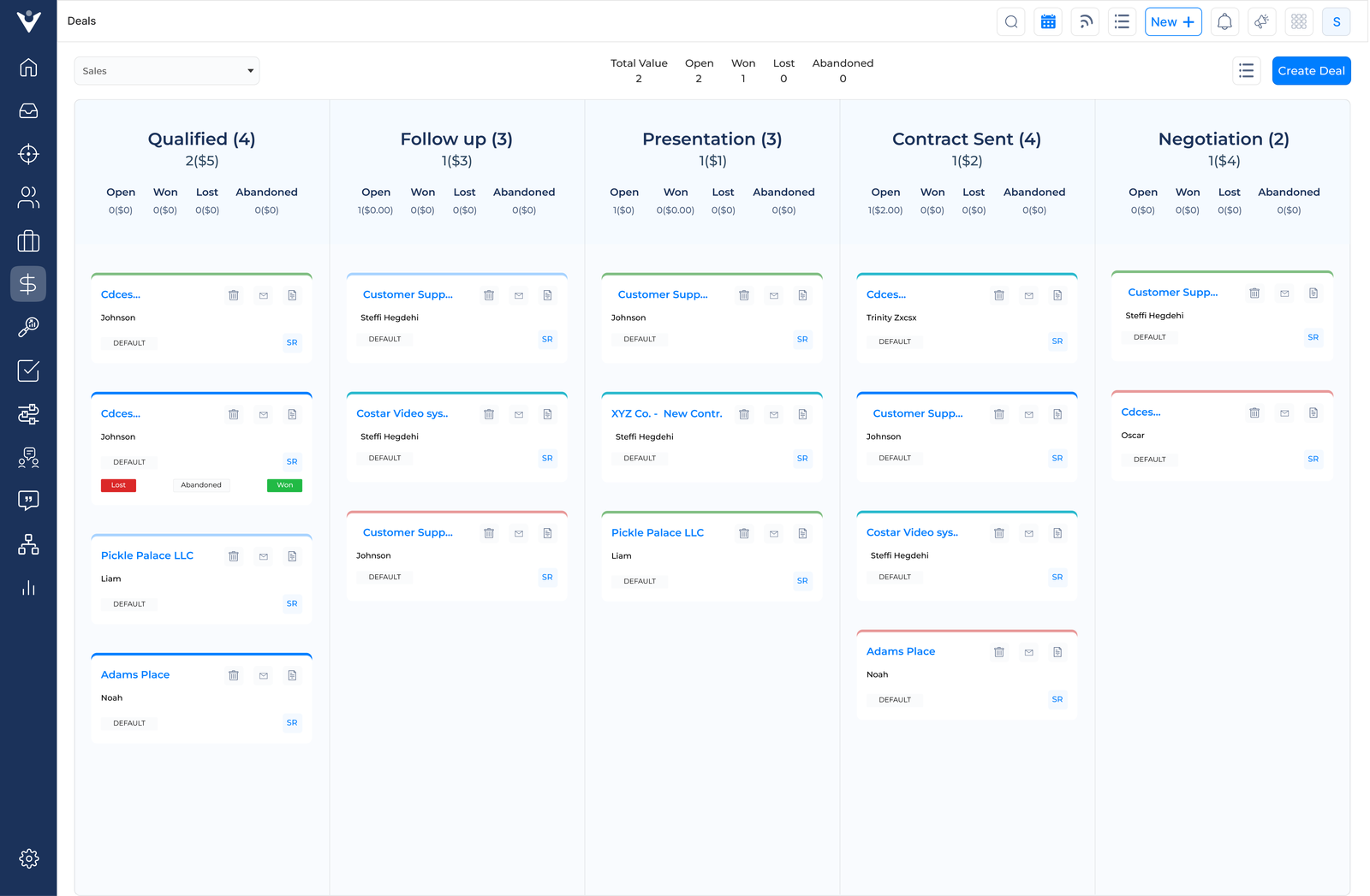
When there’s a visual representation of the sales pipeline, the team gets a clear, at-a-glance overview of where every deal stands across different stages. A single, reliable view replaces guesswork, scattered spreadsheets and disconnected status updates.
Here’s what the visibility helps the sales teams with:
- Customizable, drag-and-drop interface that lets reps move deals between stages effortlessly.
- Instant visibility into pipeline health, showing which deals are progressing and which are stalling.
- Better resource allocation, as teams can prioritize deals that are most likely to close.
4. Sales Inbox
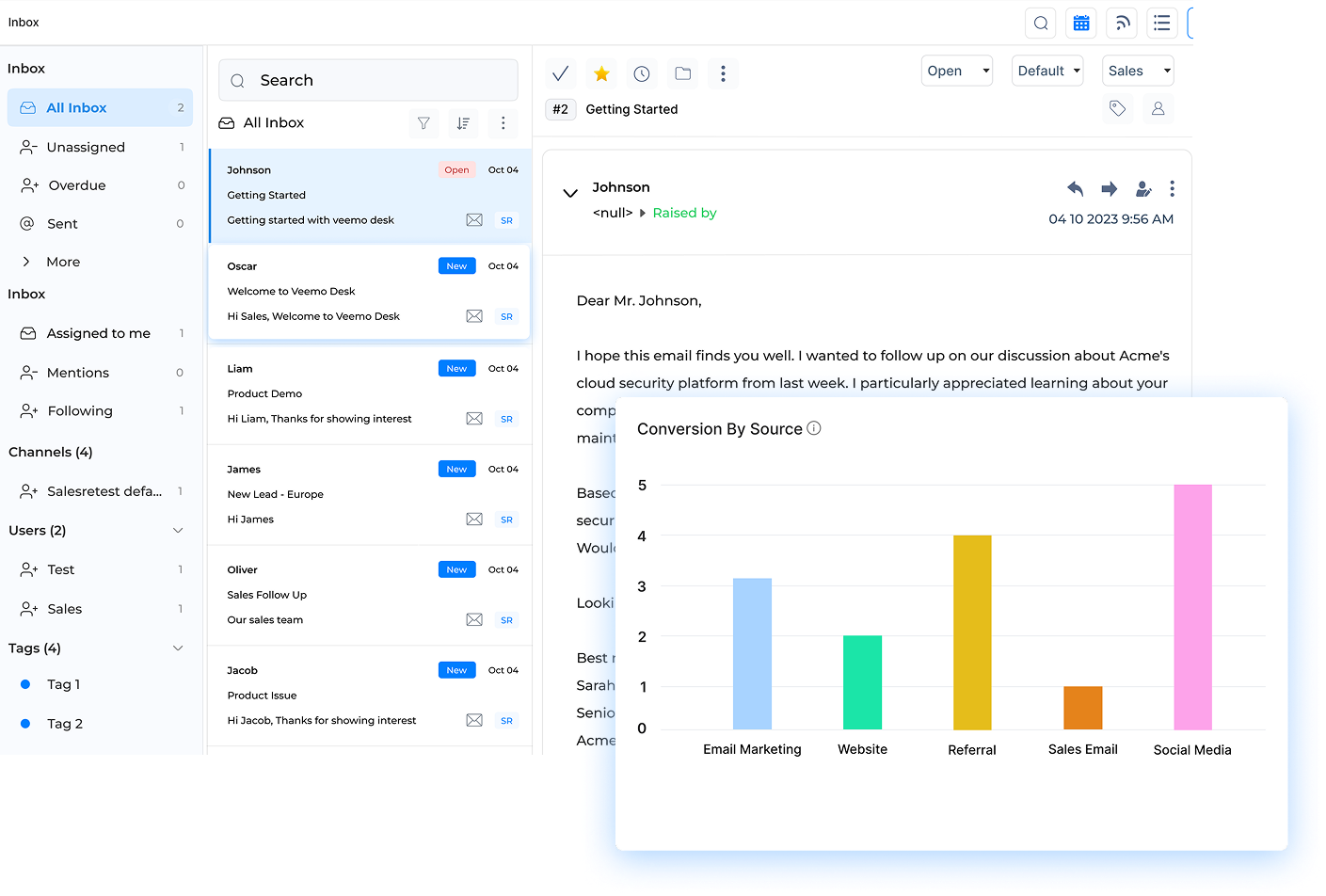
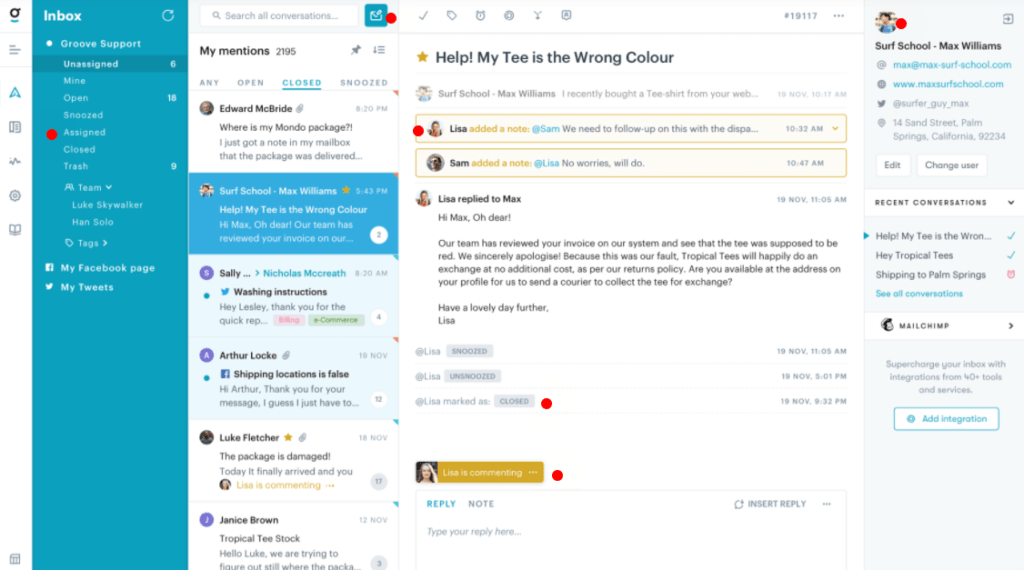
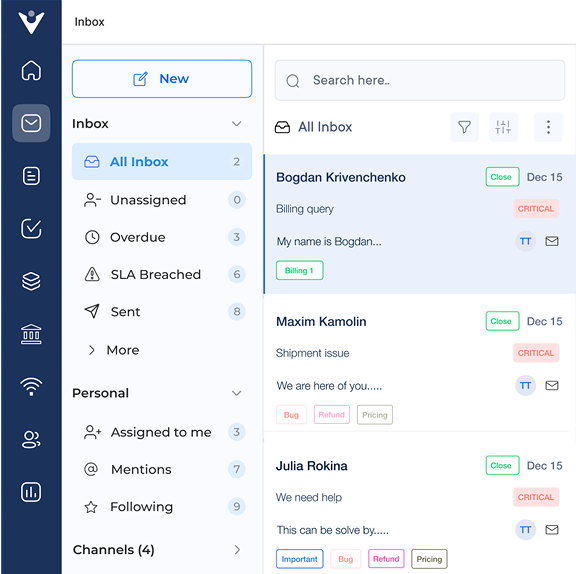
A sales inbox integrates email communication directly into the sales software. It often includes features like email tracking, templates and scheduling tools. The integration ensures that all customer communications are logged and accessible within the CRM. It provides a complete interaction history and eliminates the need to switch between multiple applications.
5. Workflow Automation
Workflow automation streamlines repetitive tasks and processes, handling things like automatic lead assignment, triggering follow-up actions, and updating records without manual input. This frees reps from routine busywork so they can focus on higher-value selling activities.
The feature also ensures there’s consistency across the sales process. Every lead follows the same defined steps regardless of who’s handling it. It minimizes the odds of human error and keeps the entire pipeline running predictably.
6. Automated Sequences
Automated sequences, also known as drip campaigns, allow sales teams to create a predefined series of touchpoints with prospects. It consists of emails, phone calls, or other actions triggered at specific intervals or based on prospect behavior. The feature ensures consistent follow-up and nurturing of leads without requiring manual intervention for each step.
7. Multichannel Lead Capture
Modern sales platforms often include the ability to capture leads from various channels such as web forms, social media, email, phone calls and chatbots. The feature automatically creates new contact records or updates existing ones. It ensures that no potential opportunity is missed and that all lead sources are tracked for analysis.
8. Reporting & Analytics
Comprehensive reporting and analytics tools are paramount for gaining valuable insights. The feature typically includes:
- Customizable dashboards
- Standard reports
- Data visualization tools.
Advanced systems may incorporate AI-driven analytics to uncover trends, predict outcomes and provide actionable recommendations.
9. Sales Forecasting
Sales forecasting features use historical data, pipeline information and often AI algorithms to predict future sales performance. It can include revenue projections, win probability calculations and trend analysis. Accurate forecasting is crucial for strategic planning, resource allocation and setting realistic targets for sales teams.