1. Define the Ideal Customer Profile
Defining the ideal customer profile is a crucial first step in the lead qualification process. It involves analyzing the existing successful customers to identify patterns and commonalities. The analysis helps uncover key characteristics such as company size, industry, pain points and purchasing behavior. Businesses can create a clear picture of the types of customers most likely to benefit from the product or service by identifying the common traits.
The next step is to create detailed buyer personas based on the information. The personas should include demographic data, professional roles, challenges and decision-making processes. The comprehensive view of the ideal customer allows businesses to tailor their marketing and sales efforts more effectively.
Pro tips:
- Use data analytics tools to identify trends among the top customers.
- Conduct surveys or interviews with successful clients to gain deeper insights.
- Regularly review and update the ideal customer profile as the business evolves.
2. Decide on Lead Scoring Criteria
Deciding on lead scoring criteria is a crucial step in the lead evaluation process. It involves determining key attributes that indicate a lead’s potential value and likelihood to convert. The criteria may include demographic information, company characteristics, engagement levels and specific actions taken.
Once identified, point values are assigned to each criterion based on their relative importance. Let’s assume that downloading a product brochure might be worth more points than simply visiting the website. Threshold scores are set to categorize leads into different qualification levels, such as cold, warm and hot. It helps prioritize follow-up actions and allocate resources effectively.
Pro tips:
- Regularly review and adjust scoring criteria based on actual conversion data to improve accuracy.
- Collaborate with both sales and marketing teams to ensure alignment on what constitutes a qualified lead.
- Use automation tools to track and score leads in real-time, enabling prompt follow-up on high-scoring leads.
3. Gather leads
Gathering leads is a crucial step in the lead qualification process. It involves implementing diverse lead generation strategies to attract potential customers. Companies utilize multiple channels such as their website, social media platforms and events to cast a wide net. The channels serve as touchpoints where prospects can engage with the brand and express interest.
Collecting key contact information from leads is essential. It typically includes name, email address, phone number, company name and job title. The data forms the foundation for further qualification and nurturing efforts.
Pro tips:
- Optimize landing pages with clear value propositions and strong calls-to-action to increase conversion rates.
- Leverage content marketing by creating valuable, relevant content that addresses the target audience’s pain points and encourages them to share their information.
- Implement lead magnets such as e-books, webinars, or free trials to incentivize prospects to provide their contact details.
4. Research Leads
Researching leads is a crucial step in the lead qualification process, providing valuable insights that inform decision-making and strategy. The stage involves gathering detailed information about potential customers, their companies and their specific needs. It’s important because it helps sales teams understand the context of each lead.
The research phase has several use cases and implications. It enables sales reps to tailor their approach, anticipate objections and identify potential pain points. The information can guide conversation topics, product positioning and sales strategy. Thorough research can reveal if a lead truly fits the ideal customer profile, saving time and resources on unqualified prospects.
Pro tips:
- Leverage social media platforms to gain insights into a lead’s professional background and interests.
- Utilize company websites and financial reports to understand the lead’s business context.
- Implement a centralized database or CRM system to store and easily access research findings for each lead.
5. Select the Appropriate Framework
Selecting the appropriate framework is a crucial step in the lead qualification process. It involves choosing a structured approach that best fits the organization’s needs and sales strategy. Common frameworks include BANT (Budget, Authority, Need, Timeline), CHAMP (Challenges, Authority, Money, Prioritization and MEDDIC (Metrics, Economic Buyer, Decision Criteria, Decision Process, Identify Pain, Champion).
Once the framework is chosen, it’s essential to align it with the existing sales process.
The alignment ensures that the qualification criteria seamlessly integrate with the team’s workflow and support the sales objectives.
Best practices:
- Customize the chosen framework to reflect the industry-specific nuances and buyer behaviors.
- Train the sales team thoroughly on the framework, emphasizing its importance and practical application.
- Regularly adjust the framework based on feedback and performance data to ensure ongoing effectiveness.
6. Ask Qualification Questions
Asking qualification questions is a crucial step in the lead assessment process. It involves developing a list of targeted questions based on the chosen framework, such as BANT or CHAMP. The questions should be designed to uncover key information about the lead’s needs, decision-making process and potential fit with the offering.
Once prepared, conduct discovery calls or meetings with leads to ask the questions. During the interactions, focus on gathering detailed information about their specific needs, available budget and project timeline. It helps businesses assess the lead’s readiness to purchase and their alignment with the ideal customer profile.
Pro tips:
- Use open-ended questions to encourage detailed responses and uncover hidden insights.
- Practice active listening to pick up on subtle cues and ask relevant follow-up questions.
- Tailor the questions to each lead’s industry to demonstrate understanding and build rapport.
7. Score Leads
Scoring leads is a crucial step in the lead qualification process. It involves applying predefined criteria to the information gathered about each lead. The criteria may include demographic data, engagement levels and behavioral indicators. Companies can calculate a score for each lead by assigning point values to various attributes and actions.
Once scored, leads are categorized based on their total points. Common categories include “hot” (highly qualified and likely to convert), “warm” (showing potential but may need nurturing and “cold” (unlikely to convert in the near term). The categorization helps prioritize follow-up actions and allocate resources effectively.
Best practices:
- Regularly review and adjust scoring criteria based on actual conversion data to improve accuracy.
- Implement automated scoring systems to ensure consistency and real-time updates.
- Align scoring thresholds with sales team capacity to maintain an optimal balance of lead quality and quantity.
8. Review Lead Data and Refine
Reviewing lead data and refining the process is a crucial step in lead qualification.
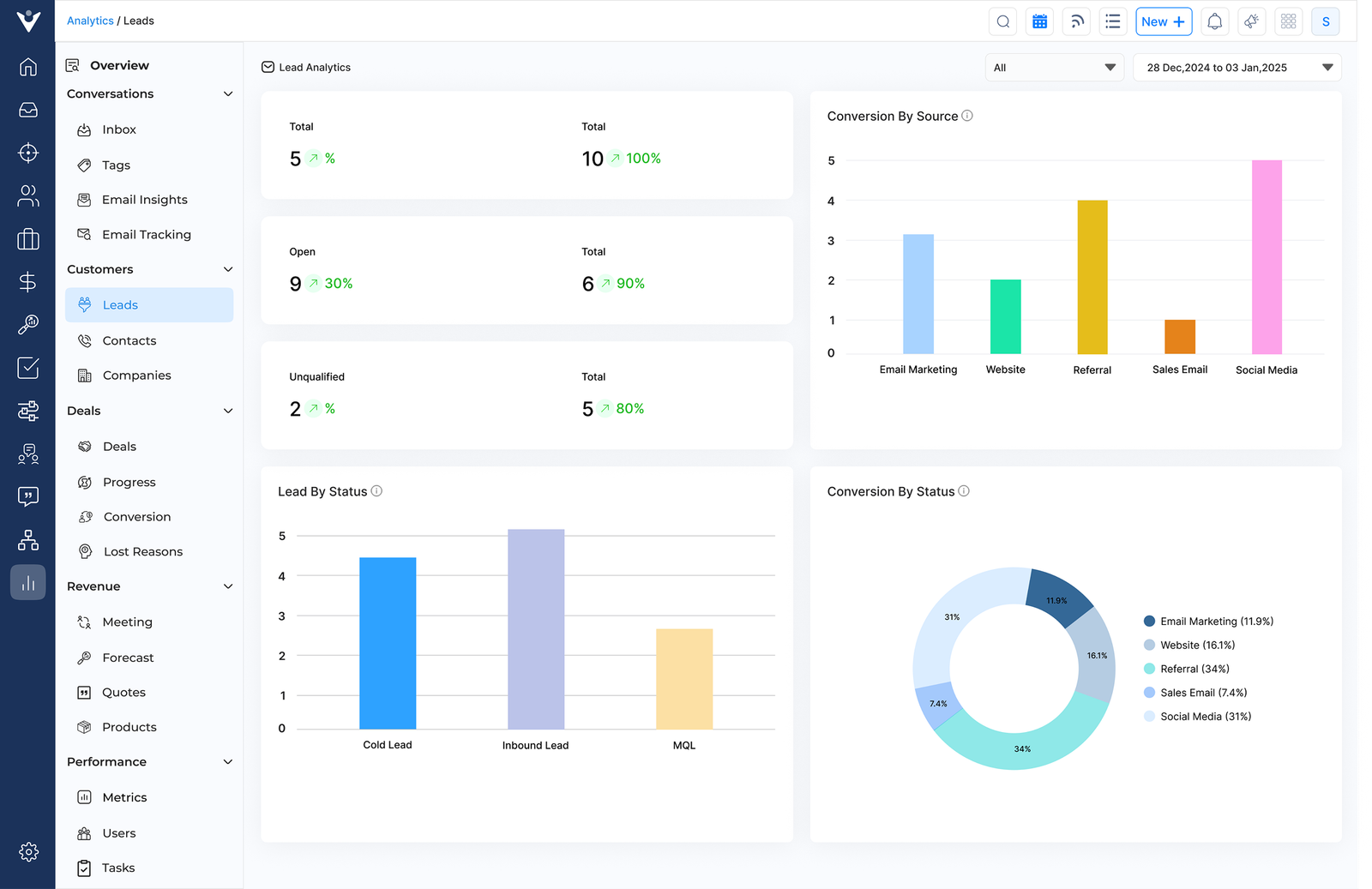
The stage involves analyzing the conversion rates of qualified leads to assess the effectiveness of the current criteria and methods.
Businesses can identify patterns in successful conversions by examining which leads successfully convert and which don’t. The analysis helps uncover common characteristics, behaviors, or interactions that indicate a higher likelihood of closing a deal.
Pro tips:
- Implement a robust CRM system to track lead progression and conversion data accurately.
- Conduct regular team meetings to discuss insights from lead data and brainstorm refinement ideas.
- Use A/B testing on qualification criteria to compare different approaches and optimize the process.