1. Personalize Every Step of the Customer Journey
Personalization isn’t about using a customer’s first name in an email. It’s about making every interaction feel relevant and intentional. When people feel like your business understands their needs, they’re more likely to stick around. 76% of the customers express frustration when they don’t receive them.
Customize Customer Touchpoints Through Behavior
Pay attention to how people interact with your business. What pages they visit, what they’ve bought before and how often they engage with your emails or support team. Use the information to adjust what you show them, when you reach out and how you communicate.
Design Individual Communication Programs
Generic emails and broad promotions rarely work. Instead, send messages that actually match what someone has shown interest in. Recommend products they’re likely to care about. Offer deals based on what they’ve bought in the past. The more relevant your outreach, the stronger the connection you’ll build.
2. Build a Multi-Channel Customer Support System
Customers don’t all want to reach out the same way. Some prefer email, others want a quick chat response and some still pick up the phone. A solid support setup gives people options, without making them repeat themselves or wait too long.
Connect Different Communication Platforms
Your support tools, like email, chat, phone and social media, should talk to each other. When someone switches from a chat to an email, your team should already know what’s going on. Smooth transitions between channels mean faster, more helpful responses.
Keep Service Quality Across Channels
No matter how someone contacts you, they should get clear, helpful answers. It takes more than good intentions. You need shared response standards, team training across platforms and systems that make it easy for support agents to stay on the same page.
3. Create Value-Based Customer Reward Programs
A value-based reward program is a practical way to recognize loyal customers by offering benefits that matter to them. Instead of just handing out points, the approach gives people real reasons to stay connected with your brand. When customers see something useful in return for their loyalty, they’re more likely to keep coming back.
Implementation steps:
- Design your program structure: Start by creating tier levels based on how much customers spend or how often they interact with your brand. Every tier should offer better perks than the one before, giving customers a reason to stay active and move up. Make sure the structure is simple enough to understand at a glance.
- Establish clear value propositions: Define rewards that your customers actually care about. It could be early access to products, quicker support or special invitations to events. They aren’t just bonuses—they’re a way to make customers feel seen and prioritized.
- Create technology infrastructure: Set up a system to track purchases, point balances and redemptions without hassle. Customers should be able to check their rewards easily and your team should have access to the tools they need to manage everything in the background without confusion or delay.
- Monitor and optimize performance: Don’t just set it and forget it. Keep an eye on how the program is doing—track how many people are engaging, what rewards are being used, and what’s being ignored. Use the information to make the program better over time.
A well-run rewards program isn’t just about giving things away. It’s about encouraging better habits, increasing how often people buy from you and building trust over time. If it’s done right, customers feel recognized and they’re more likely to recommend your brand to others.
4. Implement Proactive Customer Issue Resolution
Proactive issue resolution means spotting problems before they affect the customer. Instead of waiting for complaints, the goal is to fix things before they’re noticed. It not only reduces frustration but also builds trust by showing customers you’re paying attention.
A solid proactive approach uses your CRM tools to track customer behavior, identify patterns and flag issues early. It’s about understanding where problems tend to happen and putting systems in place to handle them ahead of time. When done right, it keeps things running smoothly and prevents small issues from turning into bigger ones.
Best practices:
- Set up early warning systems: Use your CRM to monitor key signals like delayed orders, repeated help requests or sudden drops in engagement. Set clear thresholds that tell your team when to act so potential problems don’t slip through the cracks.
- Create response playbooks: Build clear, step-by-step guides for handling the most common issues. Your team knows exactly what to do and customers get consistent support no matter who they talk to.
5. Establish Two-Way Customer Feedback Loops
Two-way feedback loops create a real conversation between your business and customers. Instead of just collecting feedback and moving on, the approach shows customers that their input drives changes. When people see their suggestions put into action, they feel heard and become more connected to your brand.
You can collect feedback through multiple channels like surveys, email forms, social media and in-app tools. Each one gives different insights and appeals to different customer preferences. The main goal is to make it easy for customers to share feedback in the way that works best for them.
Key takeaways:
- Initial feedback collection: Create clear, simple ways for customers to share their experiences. Make sure it’s not a chore—if giving feedback feels easy, you’ll get better responses.
- Analysis and prioritization: Review feedback regularly. Sort it by theme, find patterns and focus on the changes that will make the biggest difference.
- Action planning and implementation: Turn feedback into concrete steps. Assign tasks to the right teams and set clear deadlines so things don’t get lost or delayed.
- Communication and follow-up: Let customers know what’s been changed as a result of their input. Then ask for their thoughts again—it shows you’re listening and willing to improve.
6. Develop Customer Education and Empowerment
Educating and empowering customers means providing them with the tools to maximize the value of what you offer. It’s not just about answering questions, it’s about helping customers feel confident, capable and in control. When they know how to use your product well, they stick around longer and are more likely to recommend you to others.
Build Comprehensive Knowledge Resources
Create a well-organized knowledge base that covers common questions, detailed how-tos and troubleshooting tips. Go beyond text, include videos, step-by-step walkthroughs and downloadable guides to support different learning styles.
Schedule Regular Training Sessions
Offer ongoing learning opportunities, especially for complex or evolving products. It can be live webinars, recorded tutorials or one-on-one sessions – anything that helps customers build deeper knowledge and stay up to date.
Share Valuable Industry Knowledge
Keep customers informed about what’s happening in your industry. Share practical insights through blog posts, newsletters or interviews with experts. When customers see you as a reliable source of useful information, they’re more likely to turn to you for guidance, not just products.
7. Enhance Customer Community and Connection
Building a strong customer community is a key part of customer relationship management. It gives people a place to connect, share experiences and learn from one another. When customers feel like they’re part of something bigger, their connection to your brand grows deeper.
Create Online Discussion Spaces
Set up spaces where customers can talk to each other—forums, discussion boards or dedicated social media groups. The platforms allow people to ask questions, share tips and help each other out. Over time, they become trusted spaces for honest conversation and support.
Organize Regular Community Events
Hold events that bring your customers together. It could mean virtual Q&As, workshops or local meetups. The goal is to create chances for customers to connect face-to-face, share what they’ve learned and build relationships with each other—not just your brand.
Customer Management Tools
The following are the leading customer management software solutions that help businesses streamline their customer relationships and enhance service delivery:
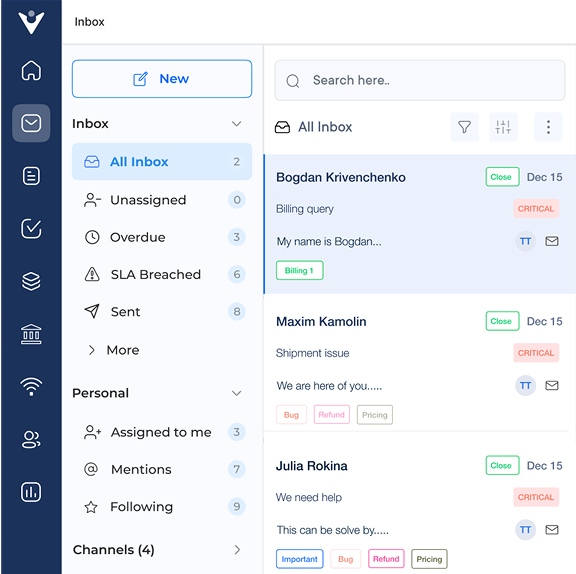
1. Veemo Sales