8 Sales Tracking Templates for Businesses in 2026
Explore the practical sales tracking templates that help businesses monitor performance and forecast revenue. It also helps streamline sales processes for better decision-making and growth.
Explore the practical sales tracking templates that help businesses monitor performance and forecast revenue. It also helps streamline sales processes for better decision-making and growth.
Keeping up with team performance, customer interactions, and deal progress can get messy fast. Many sales managers end up juggling scattered spreadsheets, missing key insights, and losing track of promising leads. Without a structured way to monitor and analyze sales activity, important details fall through the cracks.
It doesn’t have to be that way. With the right sales tracking templates, you can turn scattered data into a clear direction. These tools don’t just record numbers; they show you what’s working, what’s stalling and where to focus next. You get a clear view of your team’s progress and can make smarter decisions without second-guessing.
A sales tracking template refers to a practical tool that helps teams stay organized and focused throughout the sales process. It’s usually a spreadsheet or document designed to keep tabs on sales activities, key metrics and customer interactions – all in one place. Teams can clearly see what’s happening in their pipeline and where deals stand, making it easier to stay on track.
The template works by breaking down sales data into easy-to-understand categories. Sales reps log details like lead names, contact info, deal value, sales stage and estimated close dates. The template can automatically show useful stats, like how quickly deals are moving, how many are closing and the average deal size, giving you a clear snapshot of performance without needing complex tools.
Key principles:
Let’s go through the key benefits of sales tracking templates and how they can elevate your business to new heights.
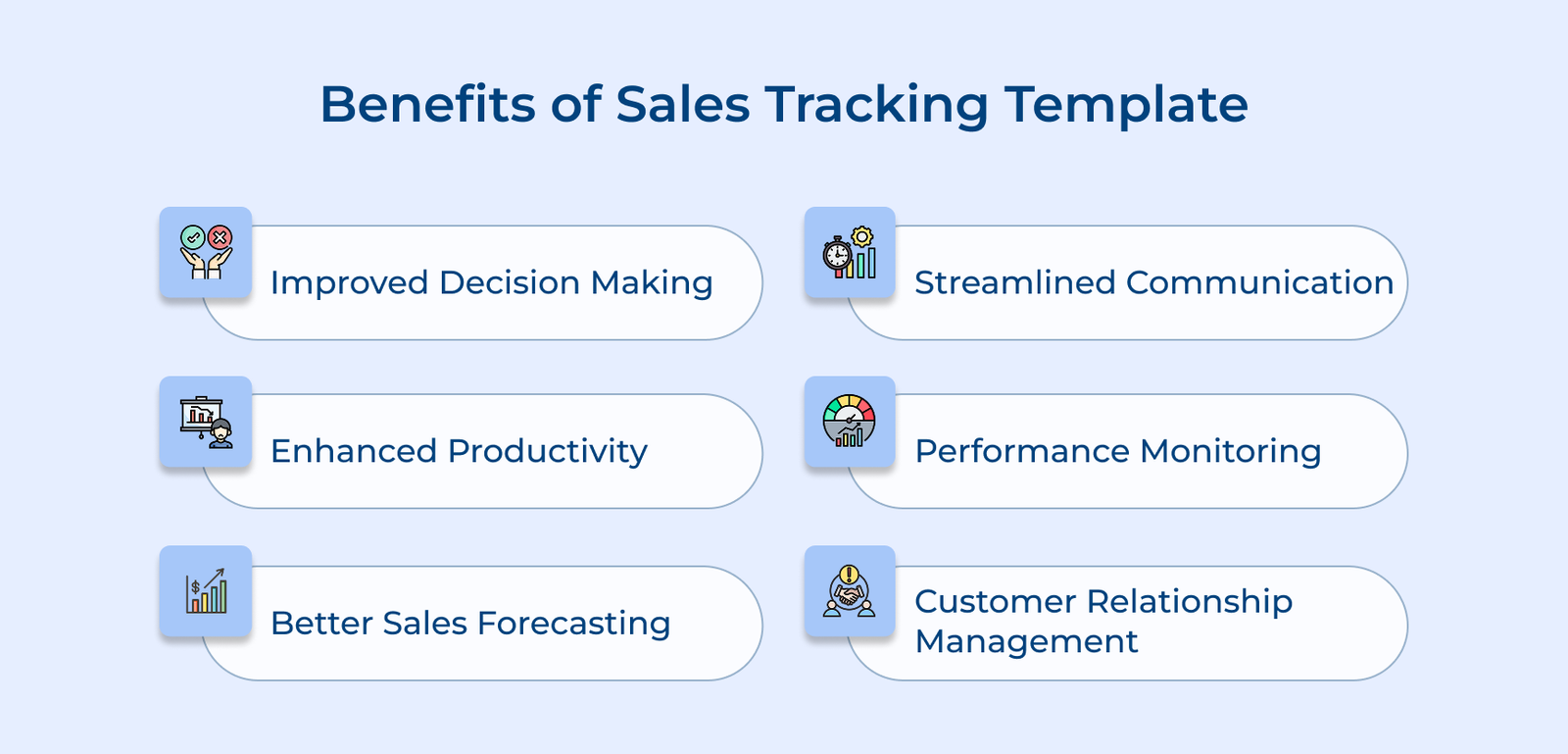
A sales tracking template gives you a clear picture of what’s working and what’s not. You can quickly see which products are in demand, which reps are closing deals and which strategies bring results. Instead of relying on guesswork, you’re making choices based on real patterns in your sales data.
When your team has a simple, consistent way to track their work, they spend less time buried in paperwork. A template removes the need for scattered notes and manual updates. Everything is in one place, making it easier to stay focused and close more deals.
Looking back at past sales helps you plan for what’s ahead. You can spot seasonal dips, busy periods or changing customer habits with a sales tracker. It means you can set realistic targets, prepare your inventory and avoid last-minute surprises.
When everyone’s using the same system, it’s easier to stay on the same page. Be it someone checking in on a lead or handing off a deal, the template makes sure the information is clear and accessible. Fewer misunderstandings, smoother teamwork.
Think of the template as your team’s scoreboard. You can see who’s hitting targets, where deals tend to stall and where support might be needed. It gives managers a way to offer meaningful feedback and helps reps track their progress.
Keeping detailed notes on each customer means you can offer more than just a sale, you can offer a personal experience. The template helps you track conversations, preferences and past purchases, making it easier to build real connections over time.
Below are the key types of information that can empower your team to close more deals and achieve the ambitious targets.
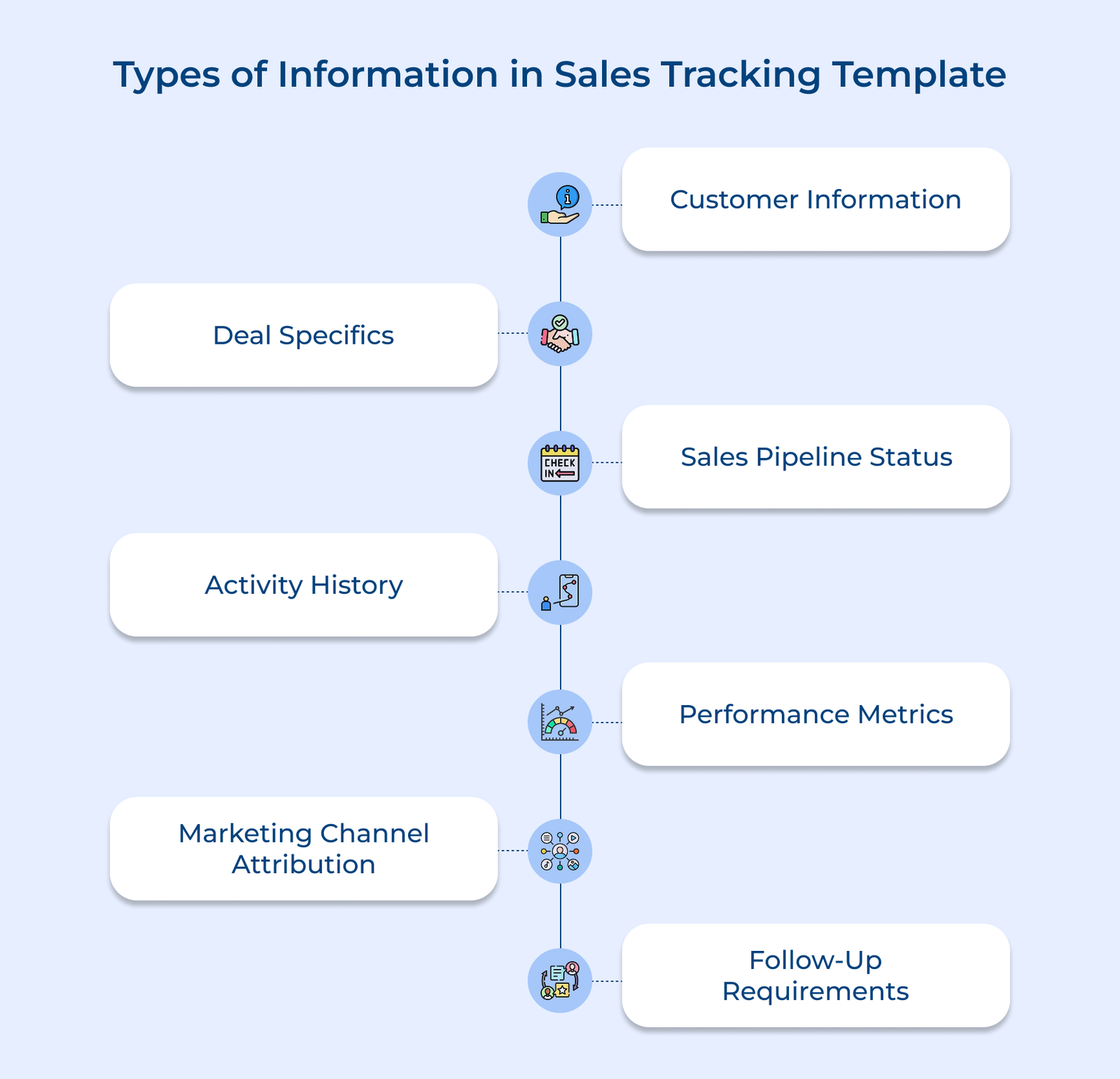
Customer Information
Start with the basics, but don’t stop there. Go beyond names and phone numbers. Make a note of job titles, preferred ways to communicate and the role they play in purchase decisions. The details help you connect more personally and speak to what matters to them.
Deal Specifics
Make every sale count by recording the full picture. Capture the value of the deal, any discounts applied, payment terms and what exactly is being sold. When the information is easy to find, you get a clearer view of what’s bringing in the most revenue and where you might need to adjust your approach.
Sales Pipeline Status
Knowing where each deal stands helps you focus your efforts. Track which stage the opportunity is in, what’s been done so far and what’s left to close. Include estimated close dates and any concerns that could delay progress. It helps you stay proactive and keeps your pipeline moving.
Activity History
Keep a running log of every interaction like the sales calls, emails, meetings and follow-ups. Include what was discussed, how the customer responded and any action items. The ongoing record gives context to your future conversations and helps you spot what approaches tend to work best.
Performance Metrics
You need to know what’s working to improve your sales process. Monitor conversion rates at each stage, average time to close and why deals are won or lost. The numbers tell you where your team is strong and where there’s room to sharpen your strategy.
Marketing Channel Attribution
Figure out how your best leads find you. Logging the information helps you see which marketing efforts are worth the time and budget and which ones aren’t. Over time, the data guides smarter decisions about where to focus.
Follow-up Requirements
Never let a good lead go cold. Track upcoming check-ins, promised follow-ups and important dates like renewals. Include anything that makes the relationship smoother—preferences, previous concerns or requests. The attention to detail builds stronger connections and keeps you top of mind.
Check out a list of the essential sales tracking templates that can revolutionize your approach and help you attain your goals with ease.
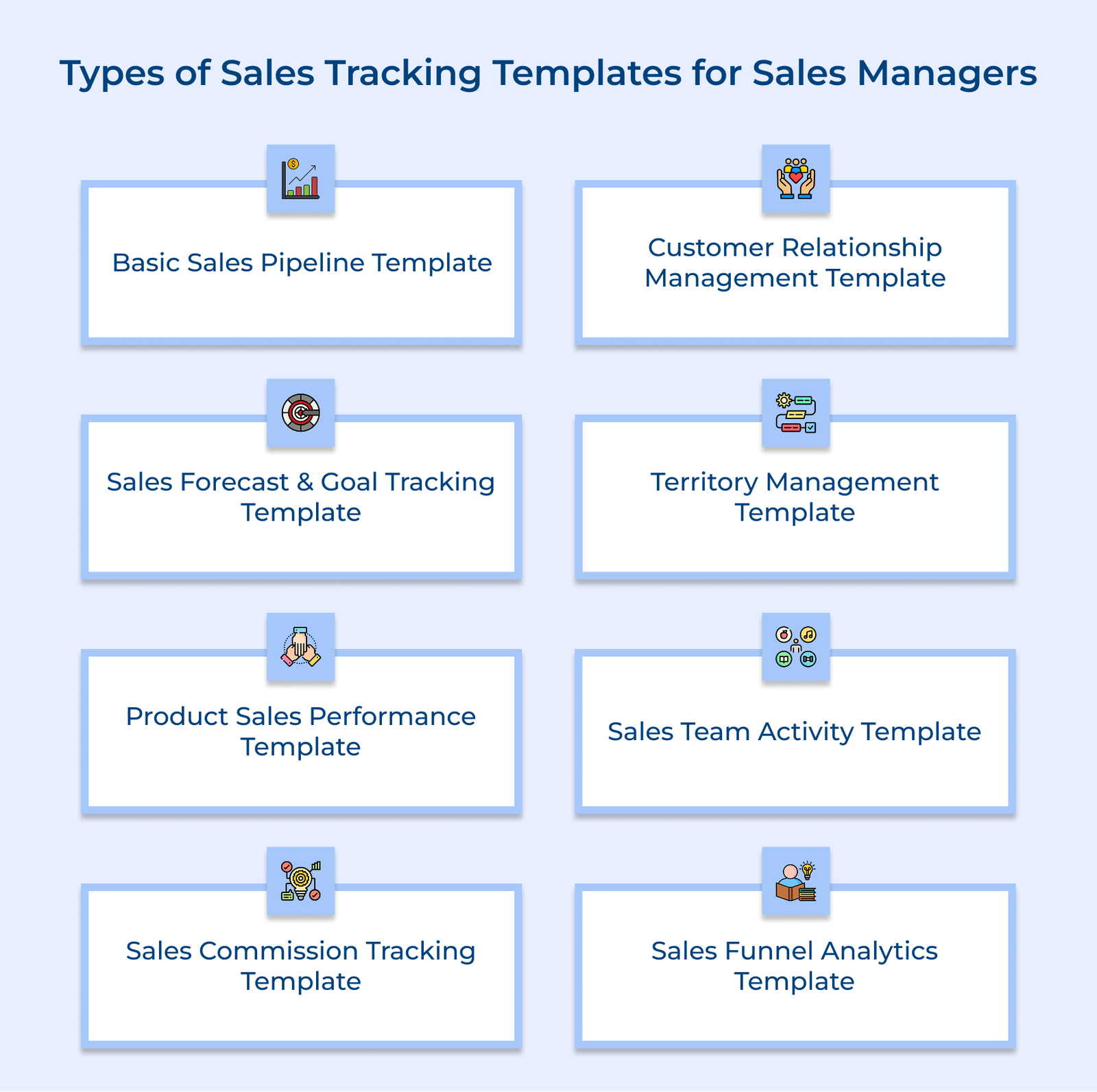
The template gives you a simple, structured way to track where each lead stands in your sales process. It’s designed to help you see progress at a glance and spot where deals may be stalling. It’s a practical starting point for any sales team. Begin by mapping out the key stages of your pipeline, from first contact to final decision.
Add new leads as they come in, then update their status as they move forward. You can sort deals by value, close date or priority. Use color coding to flag deals that need follow-up or are slipping behind schedule.
Pro tips:
The sales project tracking template works like a running logbook for every customer you’re managing, keeping all your notes, updates and history in one clear, accessible place. When you’re juggling multiple clients, it helps you stay organized, responsive and consistent without missing a beat.
Each time someone on your team connects with a customer, they log what happened and what’s next. The template builds a timeline of interactions and follow-ups, with reminders to keep communication on track. It also shows customer activity over time, helping you prepare before meetings and catch any early signs of disengagement.
Actionable tips:
The template helps you plan ahead with more clarity by using your past sales data to predict future outcomes and set achievable sales goals. Instead of relying on gut instinct or vague estimates, you get a structured view of what’s realistic, based on real numbers. It’s especially useful when you’re trying to manage resources, prepare for demand or steer your team toward steady growth.
Let’s say you’re planning next quarter’s sales targets. Last year in Q3, your team closed 50 deals. The template might suggest aiming for 60 deals with a larger team and a more refined process. It then divides that into monthly goals so each team member knows what to aim for.
The sales tracking template helps sales leaders stay organized across different regions and make sure each area gets the attention it deserves. When you’re managing multiple territories, it’s easy for some to become overloaded while others are overlooked. The template gives you a structured way to balance your team’s efforts, uncover market gaps and make smarter decisions about where to focus next.
The template tracks regional revenue trends, rep performance and customer acquisition costs by area. It also monitors your market share in each territory and how well your team is covering their assigned regions.
The template helps you keep a close eye on how each product in your lineup performs over time. When you’re juggling multiple offerings, it’s easy to lose track of which ones are driving profit and which ones are dragging down your margins. The tool gives you a clear, organized way to evaluate product-level performance and make smarter decisions about what to stock, promote or improve.
Monitor individual product performance metrics
Each product has its own section where you track key figures—units sold, total revenue and actual profit after costs. It doesn’t just show you what’s selling; it shows what’s working. You can factor in things like shipping costs, returns and production expenses to get a realistic view of how much each product contributes to your bottom line.
Track product mix and combinations
The template also reveals how your products work together. You’ll see what items are frequently bought in the same cart and which pairings tend to increase the total order size. It helps you create better bundles, offer smarter upsells and make more relevant recommendations to customers.
Analyze seasonal product trends
The template tracks how demand for each product changes throughout the year. Maybe one item surges during the holidays while another slows down in the summer. Having the insight means you can prep your inventory ahead of time.
The template acts as your daily window into how your sales team spends its time. When you need to dig deeper than just closed deals and understand what’s driving results, the tool becomes essential. It helps you spot what’s working, where time might be slipping away and how to support your team in being more focused.
Record daily sales activities
The template gives your team a simple structure to record every key sales task—calls, meetings, emails, demos and follow-ups. Each entry includes who it was with, what was discussed, what the outcome was and what happens next. The running log helps show the connection between everyday actions and overall sales performance.
Track individual productivity metrics
You’ll get a breakdown of each team member’s daily and weekly activity levels. The template tracks numbers like how many calls they made, how many meetings they booked and how far deals moved as a result. It makes it easier to spot who’s hitting their stride and who might need help.
Monitor meeting effectiveness rates
The system goes beyond simply counting meetings. It tracks what kind of meetings are happening, how long they last, how prepared the rep was and what actions followed. The goal is to figure out which types of meetings move the needle and which ones are just taking up time. The insight helps your team make the most of every client conversation.
A sales commission tracking template helps you manage and calculate commission payments accurately for your sales team. The template becomes crucial when you have multiple commission structures and need to ensure fair, transparent compensation. It helps prevent payment disputes and keeps your team informed about how their earnings are calculated.
Calculate commission rates automatically
The template uses your sales data to apply predefined commission rules to each sale. It processes every deal based on your set tiers and includes any bonus structures you’ve defined. No matter if the commission varies by product type, deal size or client type, the system adjusts calculations automatically, so you don’t have to do it manually.
Track individual commission earnings
Each team member has their own tracking sheet that logs all commission-related earnings. You’ll see base commissions, additional bonuses and any incentives in one place. The template also tracks how close each rep is to hitting the next tier, so they always know where they stand.
Monitor commission distribution patterns
The template provides a clear picture of how commissions are spread across the team. It shows which types of deals or products generate the most commission and highlights patterns in selling behavior. It helps you evaluate if your current commission plan is encouraging the right kind of sales.
A sales funnel analytics sales activity tracker template provides deep insights into how effectively you’re converting prospects into customers. The template becomes essential when you need to understand where potential deals get stuck or drop out of your sales process. It helps optimize your entire sales funnel for better conversion rates.
Measure lead quality and sources
The template evaluates incoming leads using a simple scoring system based on criteria like budget, authority and timeline. It also logs where each lead came from referral, campaign or cold outreach. It helps you focus your time on the leads most likely to convert and gives a clear picture of which sources bring in the strongest opportunities.
Track conversion rates by stage
The template follows each lead as it moves from one stage of your sales funnel to the next. It shows the percentage of leads that progress and where most of them drop off. If a large number stalls at the proposal stage, for example, it points to a specific part of your process that may need fixing.
Monitor sales cycle length trends
The tracker logs how long deals spend in each funnel stage. It reveals patterns like if the negotiation typically drags out or if qualification takes too long. It also shows which types of deals tend to close quickly and which take more time, helping you plan your follow-ups more effectively.
Below are some real-world examples of how different brands have transformed their sales processes using specialized sales tracking templates.
Amazon
Amazon uses a detailed product tracking system that monitors millions of items across all its categories. They don’t just track numbers, they also watch how often items are browsed, how well they’re rated by customers and how quickly inventory moves. It lets them see which products need more promotion and when it makes sense to adjust pricing.
Their tracking system plays a key role in how they run their business. It allows for real-time pricing changes, smarter inventory decisions and better demand forecasting. As a result, they’re able to keep popular items in stock and stay ahead of competitors.
Netflix
Netflix tracks what people watch, how long they watch it and if they finish a show or not. Their system also records viewer preferences and content performance across different user segments.
All of the data helps them understand what kinds of shows and movies people engage with the most. It has changed the way they do business. Their tracking system helps them decide what content to invest in, what to recommend to viewers and how to reduce cancellations. It also improves how they market their content to different audiences.
Starbucks
Starbucks tracks which drinks and food items sell best, when they sell and where. Their system picks up on seasonal favorites, regional trends and how promotions affect sales. It also records how people customize their orders and which combinations of items tend to sell together. The tracking helps them fine-tune their menu.
They know when to introduce new items, how to adapt offerings in different regions and which popular products to keep in stock. It helps them stay relevant to customers while regularly updating their lineup.
Nike
Nike keeps a close eye on how products perform across their own stores and through retail partners. They track everything from which sizes are most popular to what styles work in certain regions. It helps them figure out what to stock where and how to adjust their collections.
The approach has improved how they manage retail. They’re able to predict what products will be in demand, reduce unsold inventory and catch new style trends earlier. It’s helped them keep their stores efficient and stay on top of market shifts.
Coca-Cola
Coca-Cola tracks the day-to-day activities of its sales teams across its distribution network. They monitor store visits, promotional displays and how their products are set up at retail locations. It helps ensure their products are placed well and their brand is consistently represented.
The tracking has improved how their teams work with retailers. It ensures better visibility for their products, faster responses to market needs and stronger retailer relationships. It keeps their presence strong no matter where the product is being sold.
A sales tracking template is your guide through the everyday realities of running a sales operation. It turns scattered data into clear insights that help you refine your process, support your team, and make better decisions. Think of it as a control center that shows what’s working, what’s lagging, and where to focus next.
What makes these templates valuable is how they bring everything together. Whether you’re tracking deals in your pipeline, managing territories, or calculating commissions, each template tackles a specific piece of the puzzle. Used together, they give you a complete view of your sales performance and make it easier to spot areas that need attention.
More than a tool for organization, the right template improves communication, promotes consistency and helps your team make smarter decisions. Choosing the right set for your business builds a reliable system that keeps your sales operation steady, efficient, and ready to grow.

A CRM sales tracking system turns scattered customer data into something useful. It looks at customer behavior, like past purchases and communication habits, to help you figure out what makes them buy. You can reach out at the right time and tailor your pitch to match their needs. Over time, it also shows you where there are opportunities to upsell or cross-sell by tracking each step of the customer journey.
Sales activity tracking keeps a detailed record of what your sales team is doing each day. It includes things like calls made, emails sent, meetings booked and follow-ups completed. It’s a way to see which actions are helping close deals and where your team is spending their time. When used regularly, it gives you a clearer picture of what’s working in your sales process and what isn’t.
Start by picking the metrics that matter most like lead status, deal size or activity type. Set up sections for contact info, deal stages and notes on activities. You can use a spreadsheet or a CRM tool, depending on what works best for your team. Add simple formulas to track totals or calculate conversion rates. Keep the layout easy to follow and test it with a small group before rolling it out to everyone else.
A daily sales tracker lists what your team does each day in order. It should include leads contacted, follow-ups done, deals closed and tasks that still need attention. Each entry should have the customer’s name, deal amount and what’s next. The goal is to make it quick to fill out and easy to scan at the end of the day to see how much progress was made.
Consistency is key. Make sure every activity and deal update is logged the same way, every time. Set a routine for reviewing the data like a weekly check-in to spot trends and problem areas. Use tools that automate repetitive work, like logging emails or scheduling follow-ups. Always make sure your tracker reflects your current sales goals, adjust it if your strategy changes.
Focus on the basics that drive decisions: who your customer is, what stage their deal is in, how much it’s worth and what interactions have happened. Keep track of how quickly deals move through the pipeline and how many convert. Also monitor each rep’s activity levels and results. Notes on customer pain points and preferences are especially useful when it’s time to close.
Grow Customer Relationships and stronger team collaboration with our range of products across the Conversational Engagement Suite.
Omnichannel Customer Support & Help Desk Software
AI Enabled Business Messaging and Chatbot Software
Sales Engagement & CRM Software
Call Center Software & Virtual Phone System
Product Marketing & Experience Platform
Customer Experience & Feedback Management Software

 What is Business Text Messaging? The Complete Guide
Scroll to top
What is Business Text Messaging? The Complete Guide
Scroll to top