1. Strategic Planning for Long-Term Success
Strategic planning gives your business a long-term sense of direction. It helps ensure that daily decisions and short-term efforts contribute to broader goals, rather than just reacting to immediate demands. Without a clear plan, it’s easy for organizations to stay busy without making meaningful progress.
Netflix offers a strong example of strategic planning in action. The company didn’t switch from DVDs to streaming overnight. It followed a step-by-step approach: developing streaming capabilities, investing in original content and gradually expanding to global markets. Every quarter, they focused on specific goals like subscriber growth or securing new content rights that moved the larger strategy forward.
Pro tips:
- Review your strategy every quarter. Markets shift quickly and updating your plan regularly helps you stay on track without losing flexibility.
- Involve different departments. A cross-functional planning team brings in varied perspectives and helps build plans that are both realistic and widely supported.
2. Building Strong Cross-Functional Collaboration
Strong collaboration between departments is essential to how well an organization functions. When teams work in isolation, it leads to miscommunication, duplication of effort and slower progress. A more coordinated approach allows everyone to move toward shared goals more efficiently.
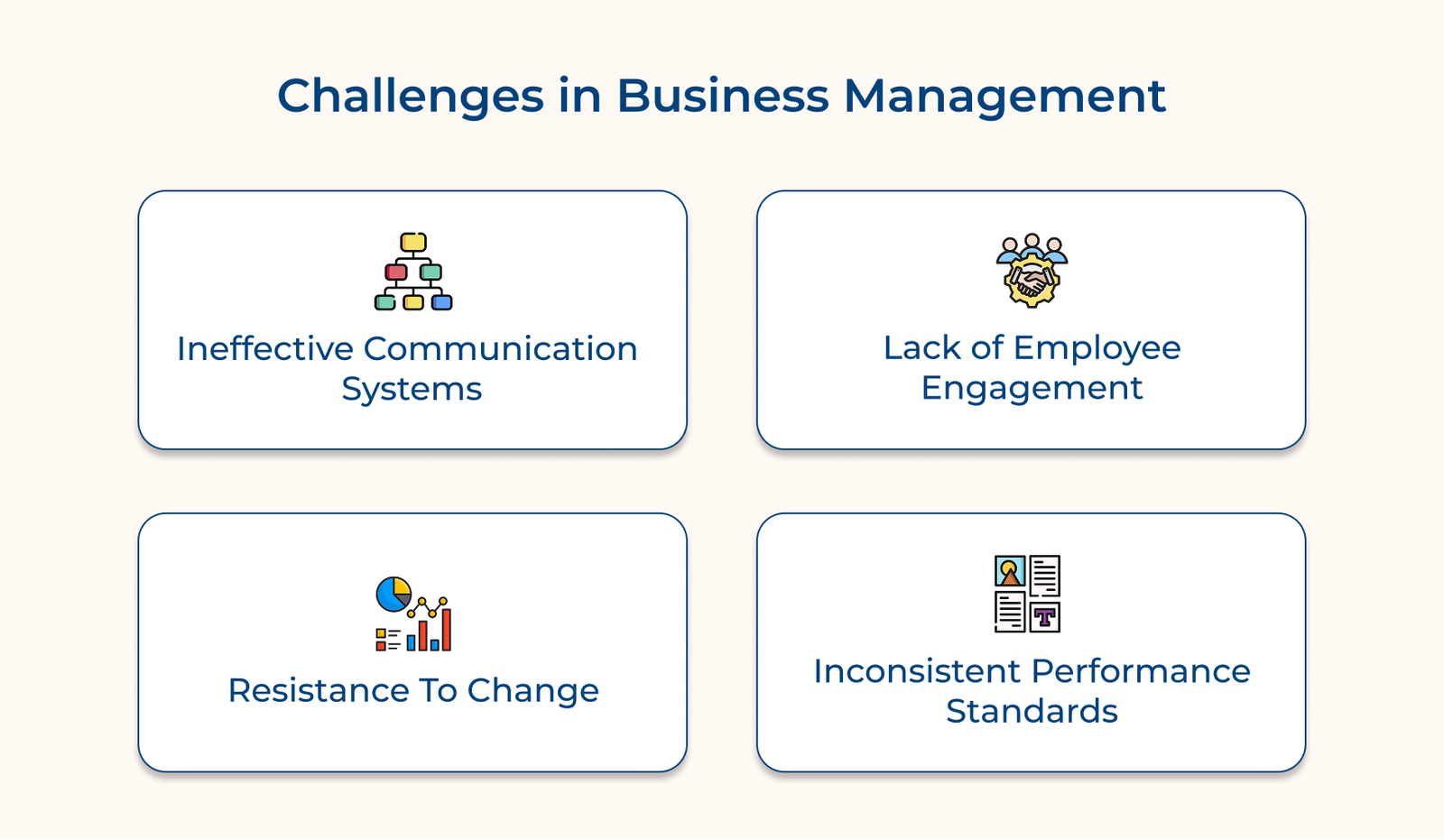
Create effective communication systems
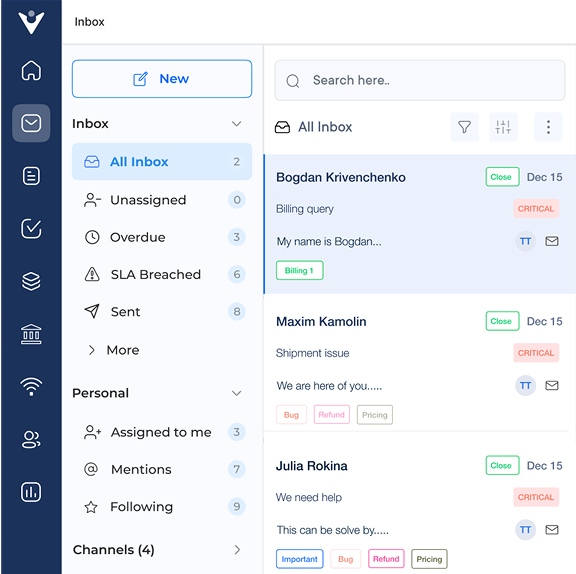
The first step is making it easy for teams to stay in sync. Regular check-ins, shared updates and accessible communication tools help departments stay informed. It might include scheduled cross-team meetings, shared dashboards or a simple group chat where updates and blockers can be addressed quickly.
Set a clear accountability framework
Collaboration works best when everyone knows their role. Each person should understand their specific tasks, how their work fits into the bigger picture and who to go to when issues come up. Clear decision-making processes and escalation paths prevent confusion when quick choices are needed.
Design a collaborative workflow structure
A consistent system for how teams work together can reduce errors and save time. It means agreeing on project timelines, using shared templates for deliverables and tracking progress through simple tools like checklists or status boards. When everyone follows the same process, it’s easier to keep things on track.
3. Data-Driven Decision-Making Implementation
Using data to guide business decisions helps remove guesswork and improves the chances of making effective, measurable choices. Rather than relying on instinct or assumptions, the approach uses real evidence to steer strategy and day-to-day operations.
Build comprehensive data collection systems
Start by deciding what information matters most. Identify the key metrics that reflect performance, customer behavior or operational efficiency. Then, set up tools and systems that track this data consistently. The goal is to gather complete and reliable information, not just scattered numbers.
Structure regular analysis methods
Data only helps if you examine it often. Set a routine for reviewing your key metrics and looking for patterns or unexpected changes. Be it the weekly sales figures or monthly customer feedback, regular analysis allows teams to catch problems early and spot opportunities for improvement.
Implement data-based operational changes
The most important step is applying what you learn. Use insights to make specific changes like adjusting pricing, streamlining a process or shifting resources. Start small by testing the change, tracking its effect and if it works, roll it out more broadly. It creates a feedback loop where each decision is informed by actual results.
4. Customer-Centric Growth Strategy Development
Putting customers at the center of your decision-making helps build stronger relationships and long-term business stability. When companies focus on what customers actually need rather than what they assume they want, they’re better positioned to earn trust and loyalty in a crowded market.
Design customer feedback systems
Understanding your customers starts with listening. Create simple, consistent ways to gather input like surveys, support call logs and direct conversations. Focus on collecting feedback that reveals real problems and preferences, not just general satisfaction scores.
Create service enhancement programs
Once you have input, use it to make specific changes that matter to your customers. It could mean fixing a confusing part of your website, speeding up delivery times or adjusting product features. Prioritize changes based on what’s most important to customers and track if those changes actually improve their experience.
Build personalized experience frameworks
Tailoring your approach to different customer needs shows that you’re paying attention. Use the data you’ve collected to understand patterns like who prefers what types of services or how different groups use your product. Build flexible systems that can adapt to these differences without overcomplicating the process.
5. Continuous Process Improvement Methods
Continuous process improvement is about constantly finding smarter, simpler ways to get work done. It keeps teams efficient, cuts waste, and helps organizations adapt before problems pile up. The idea isn’t to wait for a crisis but to make steady, practical tweaks that add up over time.
Start by mapping out how a process actually runs. Spot the bottlenecks, the repeated mistakes and the steps that don’t add value. Test small fixes through pilot runs instead of overhauling everything at once. If they work, apply them more widely. Keep measuring results so you can keep refining because improvement isn’t a one-time task; it’s a habit.
Key takeaways:
- Create a simple way for employees to suggest improvements. People closest to the work often spot the best solutions.
- Keep clear records of process updates. It helps build long-term knowledge and makes it easier to repeat successful changes in other departments.
6. Resource Optimization Planning
Making the most of limited resources can define how efficiently a business runs. Smart resource planning keeps teams aligned, minimizes waste, and supports long-term goals, especially when every asset counts.
Create priority-based resource systems
Start by clearly identifying which activities or departments deliver the most value. Use the understanding to build a system for allocating resources based on business priorities. It ensures your time, staff and budget are supporting the work that drives results and not just what’s loudest or most urgent.
Monitor resource usage patterns
Regularly monitor how resources are used across teams. It includes tracking staff workload, budget usage, equipment downtime and material consumption. Look for patterns that suggest overuse, underuse or inefficiencies and use the data to guide adjustments.
Build flexible distribution methods
Conditions change and your resource plan should be able to change with them. Set up simple processes that allow you to reassign resources when priorities shift, like moving staff between projects or redirecting budget to urgent needs. Flexibility prevents bottlenecks and helps keep momentum across the business.
7. Risk Management Framework Development
Risk management is about preparing for what could go wrong, before it does. A solid framework helps organizations spot potential threats, reduce exposure and respond effectively when disruptions occur. Without it, even a minor issue can snowball into serious damage.
A retail company identifies possible supply chain risks such as delayed shipments, supplier issues and quality problems. They prepare by lining up backup vendors, setting alternate delivery routes and adding extra quality checks. When a key supplier suddenly shuts down, the plan goes into action. Orders are redirected, operations continue smoothly, and customers remain unaffected.
Pro tips:
- Use a risk matrix to rate threats by likelihood and impact. It helps focus attention and resources where they matter most.
- Hold quarterly risk reviews with key team members. It’s an easy way to spot new risks early and ensure existing plans are still effective.
Skills Successful Business Managers Must Have
Below are the key business management skills for how decisions are made and how well the business grows. Here’s a look at the key abilities that set great managers apart.