1. Define Your Target Audience Segments
Target audience segmentation means grouping contacts who share similar needs, behaviors or goals. One message rarely fits everyone isn’t it? So clear segments help each follow-up feel relevant instead of generic.
Key ways:
- Look at existing customer data to spot common traits among people who convert.
- Create simple buyer profiles that reflect real goals, challenges and questions.
- Place new leads into the right group based on their initial engagement with your brand.
Before implementing segmentation, ensure your data is clean and up-to-date. Start with broad segments and refine them as you learn what drives response rates. Getting segmentation right saves you from rebuilding your entire automation system later. The clearer your segments are now, the more effective your follow-up sequences will be.
2. Map Out Your Customer Journey
Customer journey mapping means laying out each step a prospect takes from first awareness to a final decision. It matters because people need different information at each phase. Understanding the journey helps you send the right message at the right moment.
Start by outlining how people usually move from curiosity to comparison and finally to choosing a solution. Questions tend to repeat at each stage. Spotting the patterns allows follow-ups to feel timely and relevant.
Pro tips:
- Map the typical progression from initial awareness through research and evaluation to vendor selection.
- Talk with your sales team about the questions they hear most often.
- Review closed deals to see how long prospects stayed in each phase.
Understanding objections helps you address concerns before they derail a sale. When your automated emails anticipate the hesitations, you keep the conversation moving forward naturally.
Common objections:
- Awareness stage: “I’m not sure we actually have this problem or if it’s worth solving.”
- Consideration stage: “I see many options and feel unsure which approach makes sense.”
- Decision stage: “The cost feels high and implementation seems time-consuming.”
Knowing the typical timeline prevents you from rushing prospects or leaving them waiting too long. Your automation timing should mirror how people actually make decisions in your industry.
3. Choose Your Email Automation Platform
Choosing a dedicated platform for automated follow-up emails is important as it will make your follow-up system super effective. The right choice makes your system easy to manage. The wrong one creates limits you feel every day.
Key factors:
- Ease of use: The interface should be simple enough for your team to build and adjust sequences without technical help.
- Deliverability rates: Strong infrastructure ensures your emails reach inboxes instead of spam folders.
- Reporting clarity: Clear reports show who opens, clicks and replies so you know what drives progress.
- Scalability: The platform should handle your current volume while supporting growth to ten times that size.
- Support quality: Responsive customer service becomes critical when you need help under deadline pressure.
Switching platforms later means migrating data and rebuilding sequences, which disrupts campaigns. Take time now to evaluate options thoroughly rather than picking based on price alone.
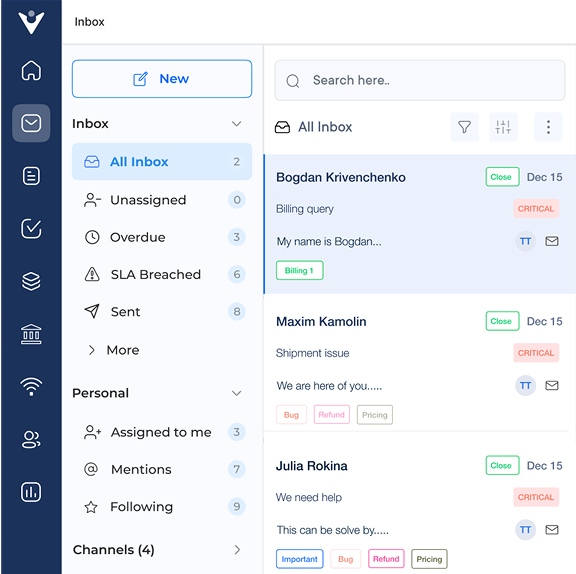
Popular tools include Veemo Sales for its CRM integration and user-friendly builder. Mailchimp works well for smaller teams starting with automation. ActiveCampaign offers sophisticated logic at mid-market pricing. Salesforce Pardot serves enterprise teams needing deep sales process integration.
4. Craft Your Email Sequence Content
Crafting email sequence content means writing the messages that will nurture prospects through your sales process. It determines if the recipients engage with your outreach or hit delete.
Key approaches:
- Load with curiosity, not a pitch: The first email should sound human and relevant. Mention a situation they recognize or a change you noticed. Messages that jump straight into selling usually get skipped.
- Layer value progressively: Each email should offer something useful, be it a case study or framework. The third email might share how similar companies approached the problem, while the fifth offers a diagnostic tool.
- End with one clear action: Tell recipients exactly what action you want using simple language. “Book a 15-minute demo here” removes friction and drives outcomes you can measure.
Pushy sequences create quick unsubscribes and hurt trust. A simple check helps avoid that. Read each email and ask if it would feel helpful to receive. Rewrite anything that does not pass that test.
5. Determine Your Ideal Email Frequency
Email frequency sets the pace of your follow-ups. Too many messages feel intrusive. Too few make people forget the conversation. The right rhythm keeps you visible without becoming a nuisance.
You apply it by testing different intervals to see what generates responses without causing drop-offs. Start with wider gaps like five to seven days then gradually tighten if client engagement stays strong. Watch your unsubscribe rates as they signal when you’ve crossed into pushy territory.
Actionable tips:
- B2B enterprise sales need longer gaps, while e-commerce can follow up faster.
- Let engagement guide frequency so active prospects hear from you more often than silent ones.
6. Personalize Using Dynamic Fields
Dynamic fields let you add personal details that make an email feel written for one person, not a list. It becomes especially important in sales and marketing because generic mass emails get ignored while personalized ones build a genuine connection. People respond when they feel you actually understand their situation.
The key consideration is ensuring your database contains accurate and complete information for each contact. Missing or outdated data creates embarrassing situations like addressing someone by the wrong name. Clean your data thoroughly before turning on any personalization features.
Key ways:
- First name: Use it naturally in the greeting and once in the message body.
- Company name: Reference their organization to show the email is meant for them.
- Job role: Speak to the challenges tied to their position so the message feels relevant.
- Past actions: Call back to specific actions they took, like downloading a guide or attending your webinar.
- Industry language: Use terminology and examples that resonate with their particular sector.
Start with basic personalization like their name and company, then gather more information progressively. Every form they fill out gives you additional details to make future messages more relevant.
7. Add Clear Call-to-Actions and Value Proposition
Adding clear call-to-actions and value propositions means telling recipients exactly what benefit they’ll get as well as what step to take. The step drives actual results because confused prospects simply move on without responding. Clarity transforms passive readers into active participants.
Explain the Benefit Upfront
Every call-to-action needs a compelling reason that answers “what’s in it for me.” Instead of vague benefits like “learn more,” be concrete: “See how three companies cut onboarding time by 40%” gives them a clear picture of value.
Make the Next Step Obvious
The path forward should require zero mental effort to understand what happens when they click. Simple instructions like “Click here to grab your free template” remove all friction from the decision.
Match the Offer to Their Stage
Early-stage prospects aren’t ready for sales demos while late-stage prospects don’t need introductory content. Someone just discovering your brand should get an ungated resource, while someone who’s engaged five times deserves a direct conversation.
8. Monitor Performance and Optimize Continuously
Monitoring performance and optimizing continuously means checking how your automated sequences are actually performing. Then they are supposed to be improved based on real results. Automation is not something you set up once and forget. People change, inbox behavior changes and messages that worked a few months ago can quietly stop working.
Without ongoing optimization, you’re running the same email campaign forever, regardless of whether it still delivers results. Markets shift and buyer preferences change, which means your messaging needs to adapt accordingly.
Key metrics:
- Open rates show how appealing your subject lines are.
- Click-through rates reveal if your content motivates action.
- Reply rates show if prospects feel motivated to respond.
- Conversion rates measure how many recipients complete your desired goal.
The metrics reveal exactly which parts of your sequence work well and which need improvement. A strong open rate but weak click rate means your subject lines succeed, but your content falls flat. High clicks but low conversions suggest your landing page needs work.
Based on the data, you optimize by testing variations of underperforming elements while keeping what works. Try three different subject lines on your lowest-opening email and promote the winner. Rewrite calls-to-action that get ignored and swap out case studies that don’t generate clicks.
Best Practices for Effective Follow-up Email Automation
Below are the proven practices that separate effective automated follow-ups from spam that damages your reputation.