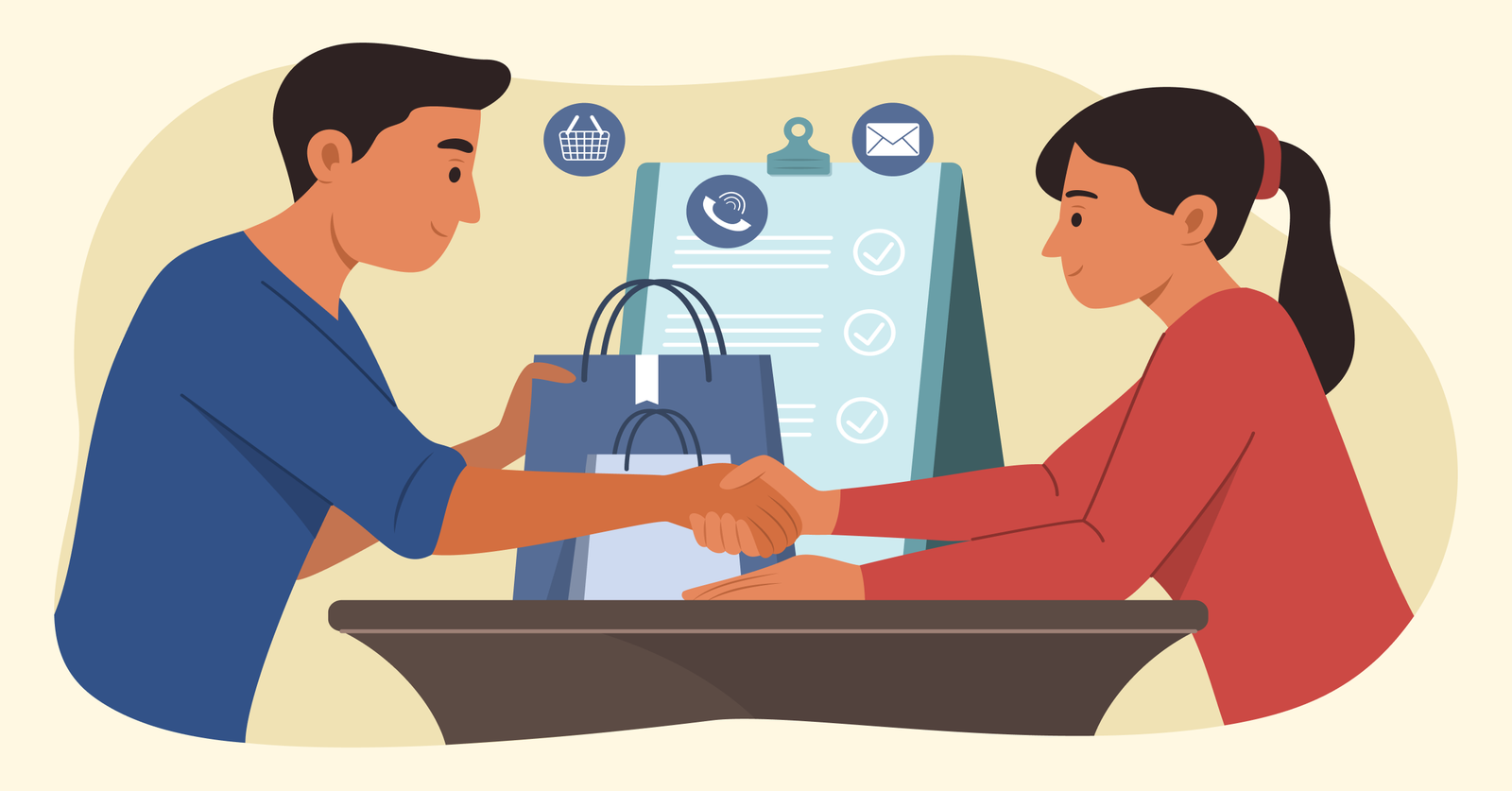
1. Retail Bots
Retail bots help customers shop without waiting or getting stuck. They answer questions, guide decisions and make the buying process feel smooth.
People expect quick help while shopping online. Retail bots step in at the right moment and keep things moving, from browsing to checkout. Online stores use these bots to help customers find what they need faster. A clothing store bot can ask about style, size and occasion, then suggest options that actually fit.
Key ways:
- Improved customer service: Customers get quick answers and clear guidance, which makes the shopping experience easier.
- Increased sales: The bot supports customers through each step, helping them move from interest to purchase.
- Personalized recommendations: The bot analyzes customer preferences and suggests products that match their specific needs.
- Order tracking: Customers can check updates on their orders without reaching out to support.
2. Marketing Chatbots
Marketing chatbots help you start conversations and keep them going without constant manual effort. They interact with visitors across your website, social media platforms and messaging apps in a way that feels relevant.
Pro tips:
- Website welcome assistant: The bot greets visitors, answers basic questions and collects contact details for follow-ups.
- Social media engagement tool: Use the chatbot across AI tools to respond to customer inquiries and recommend products based on preferences.
- Lead nurturing system: The bot follows up with potential customers and helps them move forward step by step.
A marketing chatbot can welcome website visitors and recommend services based on their browsing behavior. It collects valuable data while creating interactive experiences that keep customers engaged with your brand.
Key takeaways:
- Lead generation: Collects contact details so you can reach out later with relevant information.
- Customer engagement: Provides instant responses to inquiries and creates interactive experiences that satisfy user expectations better.
- Content distribution: Shares useful content based on what the visitor is interested in.
- Campaign tracking: Shows which messages people respond to so you can improve over time.
3. Real Estate Bots
Real estate bots make property search and communication easier. They handle routine queries, share listings and help people move faster without waiting for an agent. Buyers and renters often need quick answers before making decisions. The bots respond instantly and keep the process moving at any time of the day.
Key questions:
- How can a real estate bot help buyers find properties faster?
- Can the chatbots schedule viewings automatically?
- What details do real estate bots share about listings?
The bots save time for both agents and clients by providing personalized product recommendations instantly. They work around the clock and assist busy individuals who cannot speak with agents during regular hours.
Key ways:
- Property listing: Show available properties with images, videos and clear details so people can explore options easily.
- Scheduling: Books site visits and meetings without manual coordination.
- Mortgage calculations: Offer preliminary payment estimates based on property prices and help clients understand their budget options.
4. Restaurant Chatbots
Restaurant chatbots help customers get what they need without waiting. They handle questions, bookings and orders while keeping the experience smooth. The chatbots greet visitors on websites or social media and handle reservation requests efficiently. They provide menu details and accommodate special dietary requirements without requiring staff intervention.
Let’s consider that a restaurant bot can welcome website visitors and ask if they want to make reservations. It shares information about menu specials and assists with dietary restrictions or specific preferences customers might have.
Key ways:
- Taking reservations: Customers can book tables directly without calling or waiting.
- Providing menu information: The bot shows dishes, prices and key details so customers can decide faster.
- Order placement: Users can place takeaway or delivery orders and stay updated on their status.
5. Booking Chatbots
Booking chatbots make scheduling quick and hassle-free. They help customers book services in minutes without calls or back-and-forth messages. Hair salons can implement booking chatbots on their platforms to let customers schedule appointments instantly. It improves customer experience and frees up staff time for providing quality services instead of answering calls.
The chatbot shows real-time availability so customers can pick a time without waiting for confirmation. It can also handle payments and complete the booking in one flow, making the entire process easier for users.
6. Medical Chatbots
Medical chatbots provide health advice and schedule appointments while offering support to patients remotely. Healthcare clinics use them to streamline patient communication and respond quickly to common medical queries.
Key questions:
- What are my symptoms indicating?
- Can I book an appointment now?
- When should I take my medication today?
The chatbot lets users enter their symptoms and get general information that helps them decide their next step. It also allows patients to book appointments directly without going through calls or emails.
7. FAQ Chatbots
FAQ bots handle common questions without making customers wait. They give quick, clear answers and reduce the load on support teams. Online stores benefit greatly from FAQ chatbots because customers have numerous questions about products. The chatbot provides instant answers about shipping, returns and product details without human intervention required.
Let’s assume that a clothing brand’s website can use an FAQ chatbot for sizing and material questions. Customers receive immediate responses about care instructions without waiting for customer service representatives to become available.
Actionable tips:
- Automate responses: Handles repeated questions so teams can focus on more important issues.
- Knowledge base updates: Learn from new questions and expand the response database to handle more queries over time.
- Multilingual support: Respond in different languages and make support accessible to more customers.
8. Event Reminders and Updates
Event reminder chatbots send notifications and updates to users about upcoming events and schedule changes. Event planners and businesses that host regular events use them to keep attendees informed automatically.
Pro tips:
- Personalized reminders: Sends reminders based on user preferences and past activity.
- Updates: Shares real-time changes like delays or cancellations so attendees stay informed.
- Exclusive offers: Notifies users about special deals to encourage participation.
- Ticket management: Let users book or transfer tickets directly within the chat.
9. Interactive Product Demos
Interactive product demo chatbots help people understand a product or service in personalized and engaging ways. They guide users through features in a simple and hands-on way. People often want to try something before they decide. The bots make that possible through guided conversations that feel easy to follow.
Key questions:
- How does the virtual demo work?
- Can I try features before buying?
- What makes it different from videos?
Tech gadget sellers can implement interactive demo chatbots on their websites for virtual product interactions. Customers explore products before purchasing and make more informed buying decisions through conversational AI interfaces.
Pro tips:
- Provide step-by-step walkthroughs of the product to help new users understand all available features.
- Offer interactive feature demos that let users explore key functions inside the chat.
- Arrange meetings with support teams to gain in-depth knowledge of the product and its technical specifications.
10. Lead Generation Bots
Lead generation bots help turn visitors into potential customers through simple conversations. They ask the right questions, collect details and guide people without needing constant human input.
Key ways:
- Website visitor engagement: The bot greets visitors, asks a few simple questions and collects contact details for follow-up.
- Sales funnel guidance: Program the chatbot to guide prospects through product information and pass qualified leads to sales teams.
- Multi-channel presence: The bot works across platforms like messaging apps and social media, so you can capture interest wherever it shows up.
The bots provide personalized interactions with potential customers at all hours of the day. They answer questions, share useful details and make it easier to turn interest into real opportunities.
Potential Challenges When Implementing Chatbot Ideas in a Business Setting
The following are the potential challenges and solutions businesses must consider when implementing chatbot ideas.