1. Make it Easy for Customers to Provide Feedback
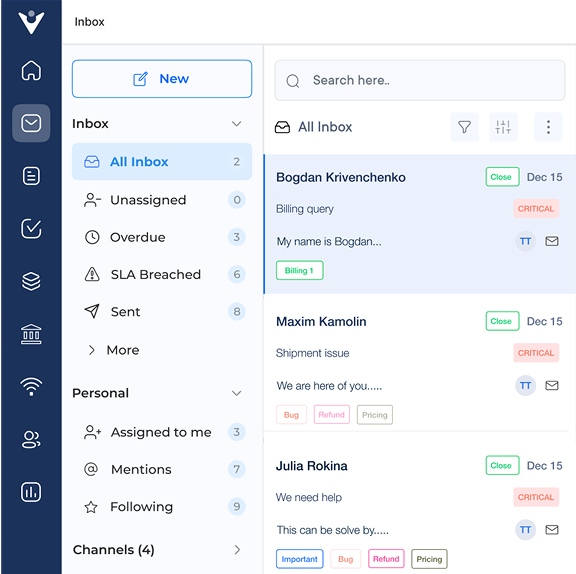
Making it easy for B2B customers to share feedback ensures you get frequent, honest insights without disrupting their workflow. If the process is complicated or time-consuming, busy professionals won’t bother, leading to missed opportunities for improvement.
Design feedback tools that work effortlessly across devices, from mobile apps to desktop systems. Embed feedback buttons directly within your product interfaces, keeping them accessible without being intrusive. Simple, one-click surveys or quick rating options encourage participation without adding extra effort.
Pro tips:
- Position feedback buttons in noticeable yet non-disruptive locations, using subtle design cues like contrasting colors.
- Analyze user workflows to embed feedback options at points where they naturally pause or transition between tasks.
2. Respond to Feedback Promptly
Responding quickly to customer feedback shows that you’re listening and genuinely care about their experience. A timely response builds trust, encourages ongoing conversations and reinforces your commitment to continuous improvement.
Set up automated acknowledgments to let customers know their feedback has been received, along with an estimated response timeline. Don’t just collect feedback, make sure to follow up. Share regular updates on how their input has influenced product improvements, service enhancements or policy changes.
Best practices:
- Implement a tiered response system where critical issues trigger immediate alerts to relevant teams.
- Schedule one-on-one follow-ups with customers who provide in-depth feedback to gain deeper insights.
3. Personalize Feedback Collection Methods
Personalization feedback collection respects customer preferences, making it easier for them to share insights. When businesses adapt their approach to match communication styles, response rates improve and feedback becomes more meaningful.
Some customers prefer quick digital surveys, while others appreciate in-depth conversations. New customers might be asked about onboarding, while long-term clients can provide insights on strategic alignment. Adjusting questions based on customer journey stages ensures relevant and actionable feedback.
Pro tips:
- Plot your customers’ preferred communication channels on their account profiles for quick reference.
- Match feedback collection timing with your customers’ business cycles and peak activity periods.
4. Train Teams in Feedback Management
Training your team to handle customer feedback effectively ensures a consistent, thoughtful approach across all customer interactions. A well-designed program equips teams with the skills to recognize, process and respond to different types of feedback, making it an integral part of business improvement.
Advanced training goes beyond basic response techniques by focusing on emotional intelligence and cultural awareness. Teams learn to identify unspoken concerns, interpret feedback within different business contexts and communicate effectively across diverse customer segments. Structured documentation and internal knowledge-sharing ensure that valuable insights are acted upon rather than overlooked.
Actionable tips:
- Record successful feedback-handling sessions and use them as training materials for new hires.
- Pair experienced team members with newcomers for hands-on learning and real-world practice.
5. Integrate Feedback Across Business Functions
Integrating customer feedback across all departments ensures that valuable insights don’t get stuck in silos but instead drive meaningful improvements across the business. Companies can make informed, customer-driven decisions by sharing feedback with teams beyond customer service such as product development, marketing and sales.
A structured approach, such as forming cross-department feedback committees, ensures accountability and consistent follow-through. The committees analyze trends, set priorities and align improvements with overall business objectives. A centralized feedback system makes insights accessible to all teams, streamlining communication and enhancing collaboration.
Best practices:
- Host monthly “voice of the customer” sessions where different departments present key feedback insights.
- Maintain a shared feedback database where teams can track, contribute to and act on customer input.
Examples of B2B Customer Feedback
Check out some leading brands that have leveraged B2B customer feedback to enhance their business relationships and drive improvements.
Amazon
Amazon Business gathers B2B feedback through multiple channels, ensuring it captures insights from every stage of the customer journey. After every transaction, automated surveys collect immediate feedback, while dedicated account managers conduct regular account health checks to understand long-term needs.
Amazon has redefined its fulfillment services, bulk ordering options and procurement tools to better serve business buyers by actively incorporating client input. The continuous feedback loop has allowed them to expand their B2B marketplace in ways that directly align with customer needs, making it more efficient and adaptable for companies of all sizes.
Coca-Cola
Coca-Cola collects B2B feedback through a strong network of distribution partners, combining digital tools with direct conversations. Regular bottler surveys provide structured input on operational challenges, while field service teams maintain ongoing discussions with retailers to address day-to-day concerns.
The structured approach has helped Coca-Cola strengthen its distribution network and improve its operations. They have streamlined supply chain processes and introduced packaging innovations that better suit retailers’ needs by acting on distributor insights. It allowed them to adapt to different markets more effectively.
Zappos
Zappos takes a hands-on approach to B2B feedback through its corporate programs team, which enhances direct relationships with business clients. A dedicated portal allows business customers to share real-time feedback, while corporate account managers conduct regular check-ins, carefully tracking client needs and suggestions.
Zappos has refined its corporate ordering system and introduced customized delivery options by listening closely to business clients. The enhancements have made bulk footwear purchases more seamless, strengthening their reputation as a reliable partner for companies with large-scale ordering needs.
Puma
Puma gathers B2B feedback through a structured approach that keeps retail partners actively engaged. Their retail partner portal serves as a central hub for ongoing communication, while digital surveys after major shipments provide immediate insights.
The continuous feedback loop has led to tangible improvements in Puma’s wholesale operations and retail support systems. They’ve fine-tuned inventory management, introduced better merchandising tools and strengthened their market presence by acting on partner input.
Smart Questions for B2B Feedback
The following are the essential questions that can help businesses gather meaningful feedback from their B2B clients. Let’s check them out.
1. How well does our solution address your core business challenges?
The question invites clients to reflect on if your product or service truly addresses their core business challenges. Their answers reveal not just functionality but real-world impact, helping you gauge if your solution delivers meaningful results beyond its technical features.
2. What aspects of our service delivery could be improved to better support your operations?
The question explores how well your service fits into your client’s daily operations. It highlights any disconnect between expectations and reality, uncovering areas where your support or processes could be more effective.
3. How would you describe the value our solution brings to your organization?
The question reveals how clients assess the impact of your solution on their business. It helps you understand if they view it as an essential investment, driving results or just another expense.
4. What additional features or services would make our solution more valuable to your business?
The question uncovers unmet needs and future expectations, giving you a clearer picture of how your solution can evolve. It helps you stay ahead by understanding what improvements or innovations would bring the most value to your clients.
5. How would you rate the quality of support you receive from our team?
The question focuses on the quality of client interactions with your support team. It reveals if the customers feel heard, valued and supported.
6. What factors influenced your decision to choose our solution over competitors?
The question uncovers what sets you apart in the eyes of your clients. Their insights can highlight your strongest assets while revealing areas where you need to stay ahead or step up your game.
7. How well do we understand your industry-specific challenges and requirements?
The question measures how well your team understands the industry and delivers solutions that truly fit the client’s needs. It also highlights any gaps where deeper expertise could make a difference.
8. What would make you more likely to recommend our solution to other businesses?
The question uncovers what truly stands out in your service and what would motivate clients to recommend you. It helps pinpoint the experiences, features or support that transform satisfied customers into enthusiastic advocates.
Transform Feedback into Growth with B2B Customer Feedback
B2B customer feedback, when collected and acted upon effectively, becomes a catalyst for business growth. Companies can uncover hidden opportunities, fine-tune their offerings and build stronger, more collaborative relationships by consistently gathering insights from business clients.
Success comes from establishing a continuous feedback loop where insights drive meaningful changes and those improvements, in turn, generate even richer feedback. Businesses that embrace the cycle not only stay ahead of industry shifts but also enhance trust and loyalty among their clients.
Key takeaways:
- Thoughtful feedback collection helps uncover valuable insights that might otherwise be missed in everyday operations.
- Turning client input into concrete improvements ensures feedback leads to real impact rather than just discussion.
- Keeping clients informed about changes made based on their feedback builds trust and encourages open, ongoing conversations.