1. Define your Objectives and Goals
Before implementing an omnichannel chat widget, define your objectives and goals clearly from the very start of planning. Decide your business needs, such as if you want improved customer satisfaction, increased sales conversions or meaningfully lower support costs.
Define clear goals early to choose the right success indicators later:
- Timeline clarity: Set a realistic rollout schedule with review checkpoints.
- Stakeholder alignment: Get buy-in from sales, support, and marketing teams.
- Budget scope: Define spending limits before evaluating platform options.
2. Choose the Right Omnichannel Platform
A deep dive into the implementation process means starting right from selecting the most suitable platform for your team. Large organizations can use dedicated enterprise live chat software to offer deeper integrations, scalability and advanced support features for high-volume teams.
Consider key factors such as ease of use, customization options and integration capabilities before committing to any single provider. The right platform should align closely with your business’s specific operational needs and long-term growth plans.
A few practical considerations often get overlooked during selection:
- Vendor support: Availability of onboarding help and ongoing technical assistance.
- Data security: Compliance certifications and encryption standards offered by the vendor.
- Pricing model: Per-agent, per-conversation or tiered pricing structures compared.
3. Design a User-Friendly Interface
A user-friendly interface is essential for successful chat widget implementation and long-term adoption. Design the widget to be visually appealing, intuitive, and genuinely easy for visitors to navigate.
Consider the proper placement and size of widget carefully so it remains accessible without changing important page content. A well-placed call-to-action button lets users start a chat session effortlessly and without delay.
4. Integrate Across Multiple Channels
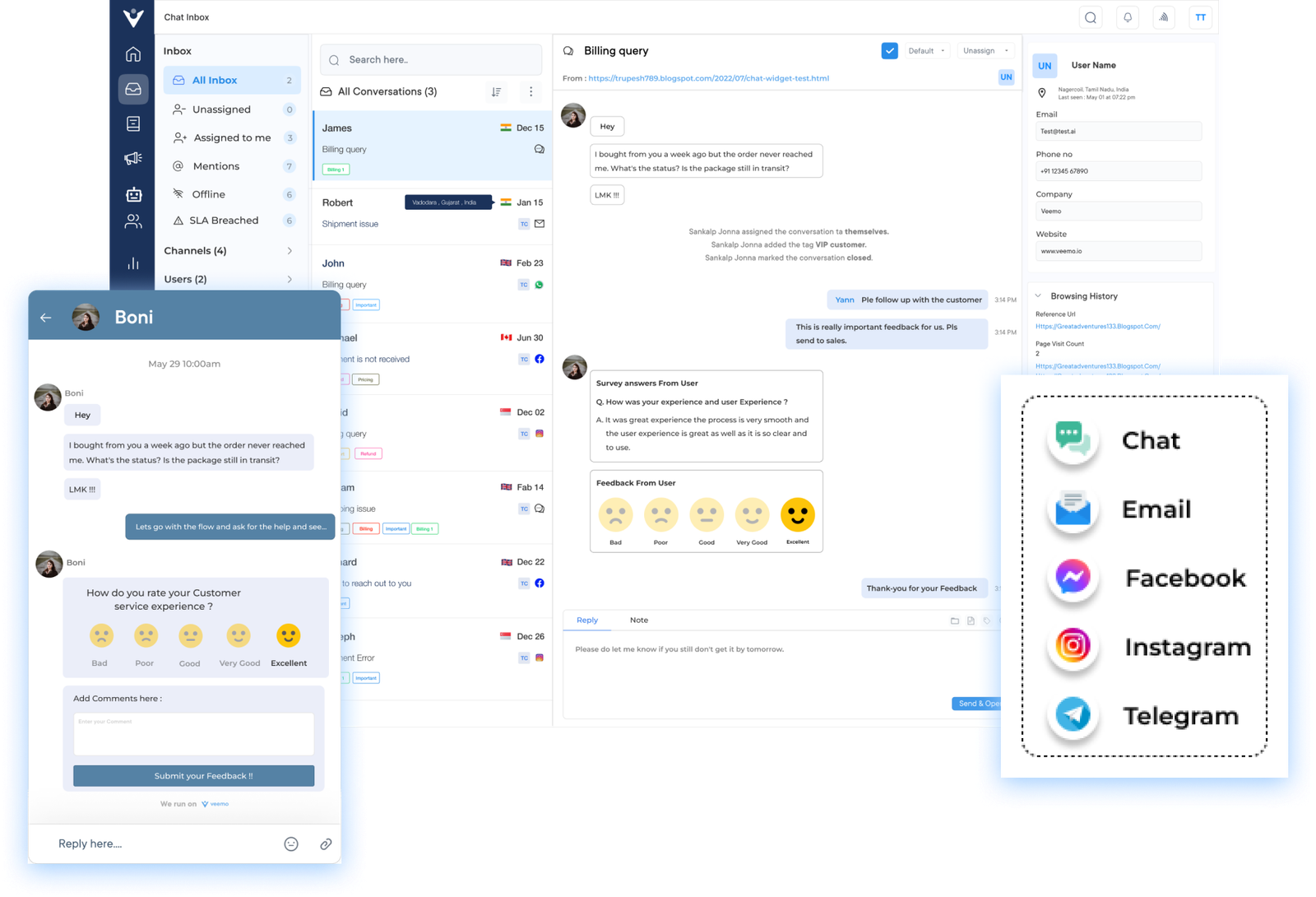
Your chat widget should be integrated across multiple channels to achieve a truly omnichannel customer service experience. This integration allows customers to enjoy consistent experiences across all channels, boosting convenience and overall satisfaction.
A unified setup also reduces internal duplication of effort across support teams:
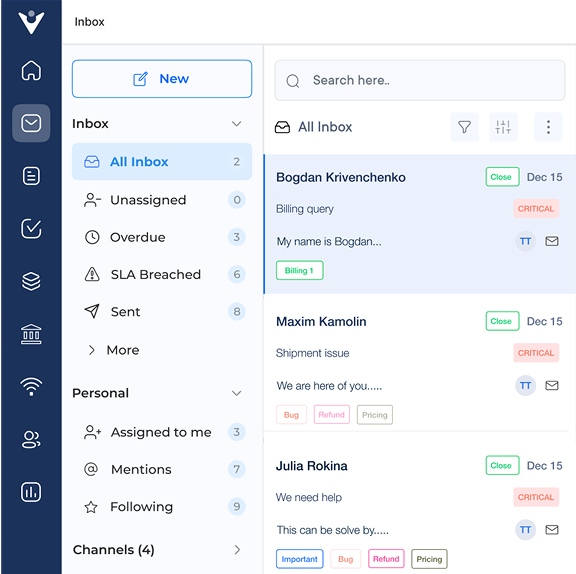
- Unified inbox: All channel conversations managed from a single dashboard.
- Consistent branding: Same tone and visuals maintained across every platform.
- Channel-specific rules: Different response workflows set per platform as needed.
5. Personalize the Chatbot Experience
Utilize personalized chatbots to enhance the quality of every customer interaction across your channels. Incorporate AI-powered bots that understand basic queries and handle simple requests independently and efficiently.
Thoughtful personalization design also depends on a few operational safeguards working correctly:
- Fallback handling: Clear responses when the bot can’t understand a query.
- Tone matching: Bot language reflecting your brand’s voice and personality.
- Continuous training: Regularly updating bot knowledge based on new queries.
Strike a careful balance between automation and genuine human support wherever possible. It is also recommended to provide a clear option to escalate conversations to a live agent for a more personalized touch.
6. Implement Proactive Chat
Proactive chat is a valuable strategy that enhances customer engagement across the customer journey. Use visitor tracking and behavior analysis tools to identify when a user might need assistance.
Initiate proactive chats at strategic points in the customer journey to offer help, answer questions or guide purchases. This proactive approach improves overall user satisfaction and builds long-term trust.
- Frequency control: Avoid overwhelming visitors with repeated proactive prompts.
- A/B testing: Compare different trigger messages to see what converts better.
- Segmentation: Tailor proactive messages based on new versus returning visitors.
7. Enable Message Continuity
Maintain message continuity across channels to provide a seamless, frustration-free customer experience at every touchpoint. Customers should be able to continue conversations across channels without repeating information.
A few practices that help continuity function smoothly behind the scenes:
- Unique customer ID: Track individual customers consistently across every channel used.
- Agent notes: Internal context notes shared during conversation handoffs between teams.
- Time-stamped logs: Maintain accurate records of when each message occurred.
8. Monitor and Analyze Performance
Monitor and analyze your chat widget’s performance to drive long-term improvement across your support operations. Track metrics such as:
- Response time
- Satisfaction ratings
- Chat duration
- Conversion rates.
Use this data to identify improvement areas and refine your chat strategy over time. Ongoing optimization ensures your widget delivers measurable value as expectations evolve.