1. Listen Actively to the Customer’s Every Word
Real connection begins with paying full attention. Active listening means understanding not just what a customer says, but how they feel and why it matters. It builds trust and shows customers that their concerns are taken seriously.
Focus Fully on The Conversation
Good listening starts with being present. Train your team to give customers their full attention—no multitasking, no interrupting. Let the customer speak freely and show you’re engaged by asking thoughtful follow-up questions.
Record What Matters
Have a simple system for taking notes during customer interactions. Capture the main issues, any promises made and useful suggestions. The notes help track recurring problems and make sure nothing falls through the cracks.
Always Follow-Up
Don’t let conversations end without action. Check in after an issue is resolved, follow up on earlier concerns and show that the customer’s experience still matters. The follow-through builds lasting respect and loyalty.
2. Personalize Every Interaction with Your Brand
Treating customers like individuals, not case numbers, goes a long way. Personalized service makes people feel recognized and respected, turning routine exchanges into lasting relationships.
Design Individual Communication Approaches
Use flexible templates, not scripts. Train your team to adapt their tone, level of detail and pace based on the customer’s preferences. A natural, thoughtful exchange feels more human and less mechanical.
Build Comprehensive Customer History Systems
Maintain a shared system that logs previous conversations, preferences and purchases. It helps teams pick up where the last person left off, creating a sense of continuity and care.
Develop Customized Solution Frameworks
Encourage your team to offer solutions that fit the customer’s specific situation, even if it means adjusting a policy or going off-script. The flexibility shows customers they matter.
3. Respond Quickly Across All Contact Channels
When customers reach out, they expect answers, not delays. Be it on the email, social media, chat or phone, fast responses show customers you respect their time and take their concerns seriously.
Define response goals based on urgency. Aim to reply to general questions within a day and critical issues within an hour. Train your team to recognize priority levels and escalate when needed.
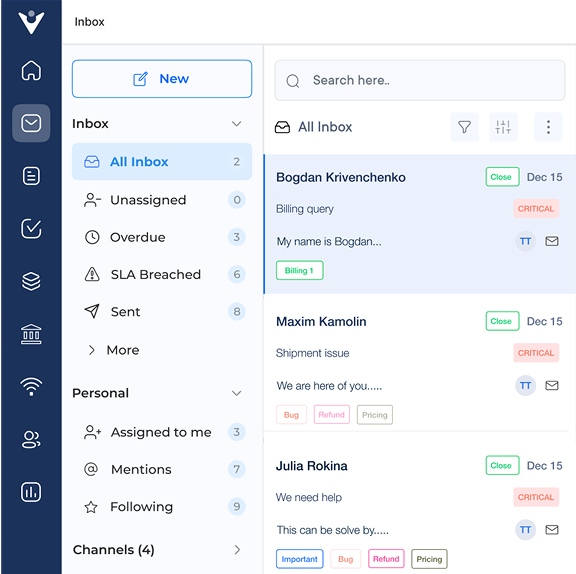
- Email: Use auto-replies to confirm receipt, then follow up within 24 hours. Track response times with email management tools so nothing falls through the cracks.
- Social media: Monitor mentions and messages throughout the day. Respond publicly when needed and move the conversation to private channels for deeper support.
- Live chat: Staff your chat during peak hours. Use bots outside business hours to greet users, gather basic details, and set expectations.
- Phone support: Set limits on hold times and offer callbacks. Use call tracking data to adjust staffing and avoid long waits during high-volume periods.
4. Share Stories That Build Emotional Bonds
Storytelling builds strong emotional bonds between customers and businesses by making brands feel real, not just transactional. When you share honest stories about customer challenges, internal team moments or lessons learned, you invite people to connect with your values, not just your product.
The stories act as touchpoints that help customers see your business as approachable, thoughtful and driven by more than just sales. Airbnb often shares stories from hosts and travelers that go beyond simple bookings. One standout story featured a host who took in a stranded traveler during a snowstorm. What could’ve been a ruined trip turned into a moment of kindness and connection – something no discount code or ad could replicate.
Pro tips:
- Always prioritize genuine stories over polished marketing narratives. People connect with genuine emotion, not perfection.
- Choose stories that reflect what matters most to your customers. It creates a powerful combination of emotional connection and practical relevance to your potential customers.
5. Offer Customer Self-Service Solutions Effectively
Self-service tools give customers the ability to solve problems on their own, without feeling like they are on their own. When built well, the tools save time for both customers and support teams. Customers get answers faster and your team can focus on the tough problems that need a human touch.
Create a Comprehensive Knowledge Resources Library
Start by documenting the most common questions and issues. Break things down into clear steps. Include FAQs, how-to articles and troubleshooting tips. Make sure the content stays current..
Build User-Friendly Navigation Systems
Your self-service site should feel easy from the first click. Group content into clear categories. Use smart search so people can quickly find what they need, even if they don’t use the exact terms. Add helpful features like breadcrumbs, filters and links to related articles so users don’t get lost.
Maintain an Updated Video Tutorial Collection
Sometimes, a short video can explain more than a long article. Create quick tutorials that walk through common issues or features. Keep them focused—one topic per video. Add captions and break longer topics into smaller parts so they’re easier to watch or rewatch.
6. Anticipate and Prevent Customer Pain Points
Waiting for problems to happen before responding can strain customer relationships. A proactive approach helps you stay ahead of issues, ease frustration and show customers you’re paying attention.
Key takeaways:
- Data analysis and monitoring: Use data to spot patterns in customer behavior and feedback. Set up alerts or dashboards that highlight trends before they become widespread problems.
- Communication systems development: When you see something coming, reach out before customers hit a wall. Have clear, calm templates ready to explain what’s going on, what you’re doing about it and what they should expect. The goal is to inform, not alarm.
- Response protocol creation: Create simple response guides for the most likely issues. Train your team to notice early warning signs and give them the authority to act quickly. It keeps small issues from turning into bigger ones.
Let’s assume there’s a software company that realizes its updates are often confused. So instead of waiting for tickets to roll in, they made a change. Before each major update, they sent short tutorial videos, opened temporary chat support channels and personally checked in with key users.
7. Build Community Around Brand Values
A strong community doesn’t just boost engagement, but it creates lasting relationships. When customers feel like they’re part of something bigger, they’re more likely to stay involved and speak positively about your brand. The key is to bring people together not just around your product, but around shared goals, interests and values.
Actionable tips:
- Event planning and execution: Host events that reflect what your community cares about. The goal is simple to give people a reason to connect in a way that feels meaningful, not just promotional.
- Choose the right platform: Where your community gathers is just as important as what they do there. Pick a platform that fits your audience’s habits. Then set clear guidelines to keep conversations respectful and useful.
- Content creation strategy: Post things that spark interest and invite responses. Think beyond announcements—ask questions, share tips, highlight member stories or explore topics your audience cares about.
8. Demonstrate Long-Term Commitment to Relationships
Building long-term relationships means showing up for the long haul, not just during the sale, but well after. When people see that you’re genuinely invested in their success and satisfaction, trust grows. The trust isn’t built on flashy gestures, but on consistent actions: useful check-ins, thoughtful support and experiences that reflect an understanding of who they are or what they need. Loyalty deepens when customers feel valued, not targeted.
American Express does it well by treating long-term customers like more than just account holders. They make it clear that continued loyalty matters through rewards that grow over time, personalized financial support and access to unique positive experiences. Their approach is less about perks and more about staying present at every stage of the customer journey.
Best practices:
- Lead with value in every interaction. Offer help, insight or acknowledgement before asking for anything in return.
- Celebrate loyalty milestones with simple, thoughtful gestures like thank-you notes, personalized rewards or exclusive access that reflects the customer’s history with your brand.
9. Leverage Strategic Email Marketing Campaigns
Email is still one of the most effective ways to stay in touch with your customers. Done well, it’s not just a broadcast tool but a way to build ongoing conversations that feel personal, useful and timely. The key is to send the right message at the right moment, not just push offers.
Design Engaging Email Journey Maps
Start by mapping out the different stages your customers go through and create email sequences that match those moments. They should respond to real behavior, not just dates on a calendar.
• Set up a warm, helpful welcome series to new subscribers.
• Reach out to re-engage people who haven’t interacted in a while.
• Follow up after purchases with tips, guides or simple thank-you.
Develop Value-Rich Educational Content
Your emails shouldn’t just sell, they should teach, inspire or solve a problem. Content that earns attention keeps people opening your emails even when they’re not ready to buy.
- Offer clear, useful how-to guides.
- Share tips, checklists or short explainers on common issues.
- Create and send resources your customers won’t find elsewhere.
Educational content positions your brand as a trusted advisor. It builds credibility and keeps customers engaged between purchases. Remember to make content easily digestible and actionable. Break down complex topics into manageable pieces.
Track Engagement For Better Results
Use your email data to spot what’s working and what’s not. Don’t just chase open rates, look for patterns. Adjust your content, timing and approach based on those insights. Email strategy isn’t set-and-forget, it’s something you fine-tune over time.
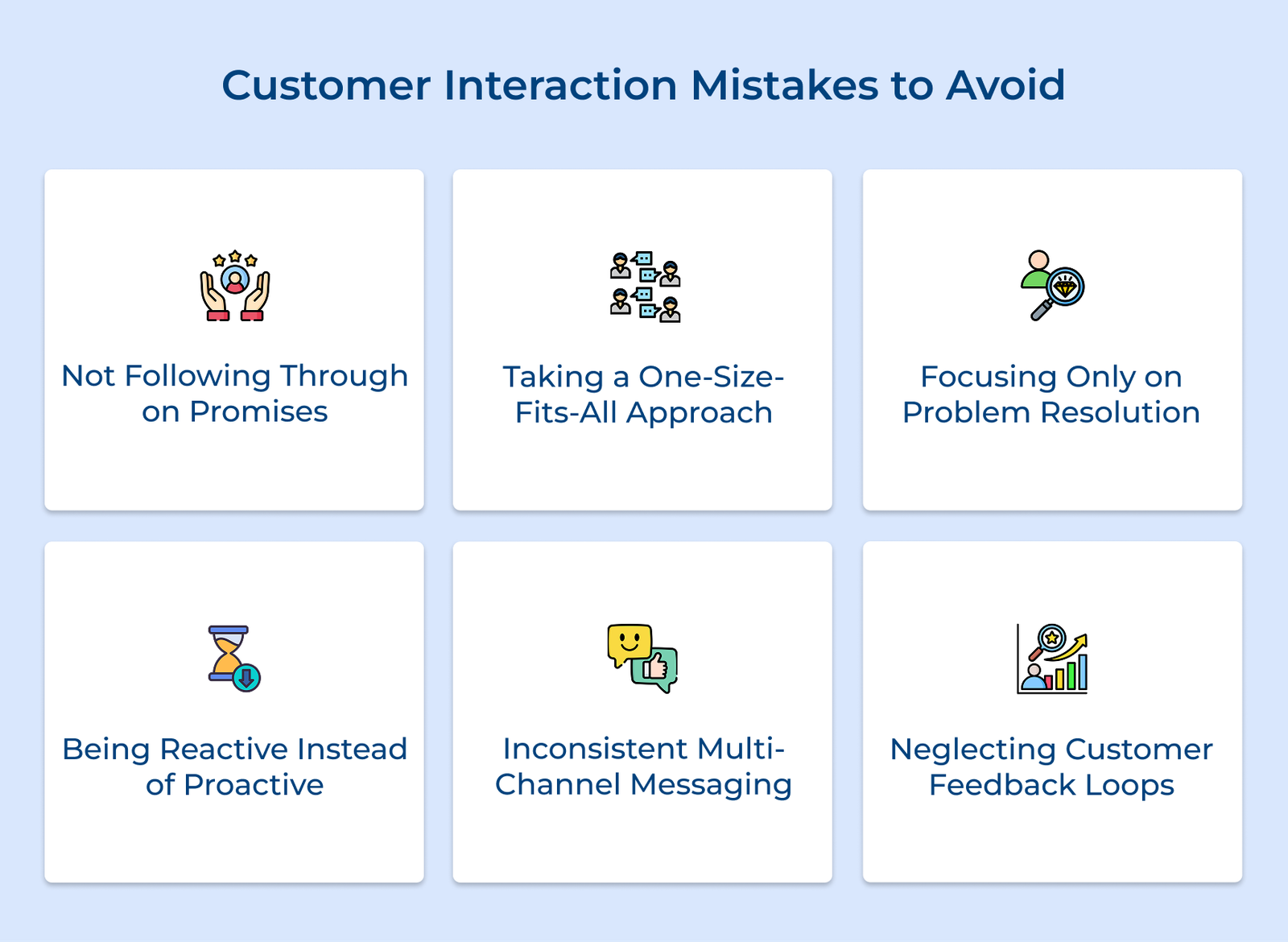
Mistakes to Avoid when Interacting with Customers
Let’s go through the common missteps that can damage trust or frustrate your audience, small mistakes that often go unnoticed but make a big difference in customer interactions.