1. Build a High-Quality Opt-In Subscriber List
A strong subscriber list is the foundation of successful text message marketing. Businesses with permission-based lists usually see higher engagement, better response rates and fewer unsubscribes because customers actually want to receive the messages.
Key ways:
- Leverage multi-sign-up channels: Collect phone numbers across different customer touchpoints instead of relying on one source alone. Website pop-ups, checkout pages, landing pages and social profiles all create opportunities to grow the list consistently.
- Offer a clear reason to subscribe: A discount code or early sale access gives customers a clear reason to share their number with you. Businesses offering value at opt-in build lists that are 3x more responsive than those that don’t.
- Use keyword-based opt-ins for offline traffic: Retail stores, restaurants and event businesses can encourage customers to text a keyword like “JOIN” to subscribe instantly. The approach works especially well in locations with strong foot traffic.
A mid-sized e-commerce brand added an exit-intent pop-up offering 10% off in exchange for a phone number and grew their SMS list by 40% in 60 days. That list alone generated more repeat purchases than their entire email retargeting campaign that quarter.
2. Define Your Campaign Goal Before Writing a Single Text
Most text message marketing campaigns underperform, not because of poor writing but because the goal was never clearly defined before drafting. When you know exactly what outcome you are driving, such as a purchase, a booking or a click, every word earns its place.
Key questions:
- What exact action should the customer take after reading this message?
- Which customer segment is the campaign meant for?
- What metric will I use to measure campaign success?
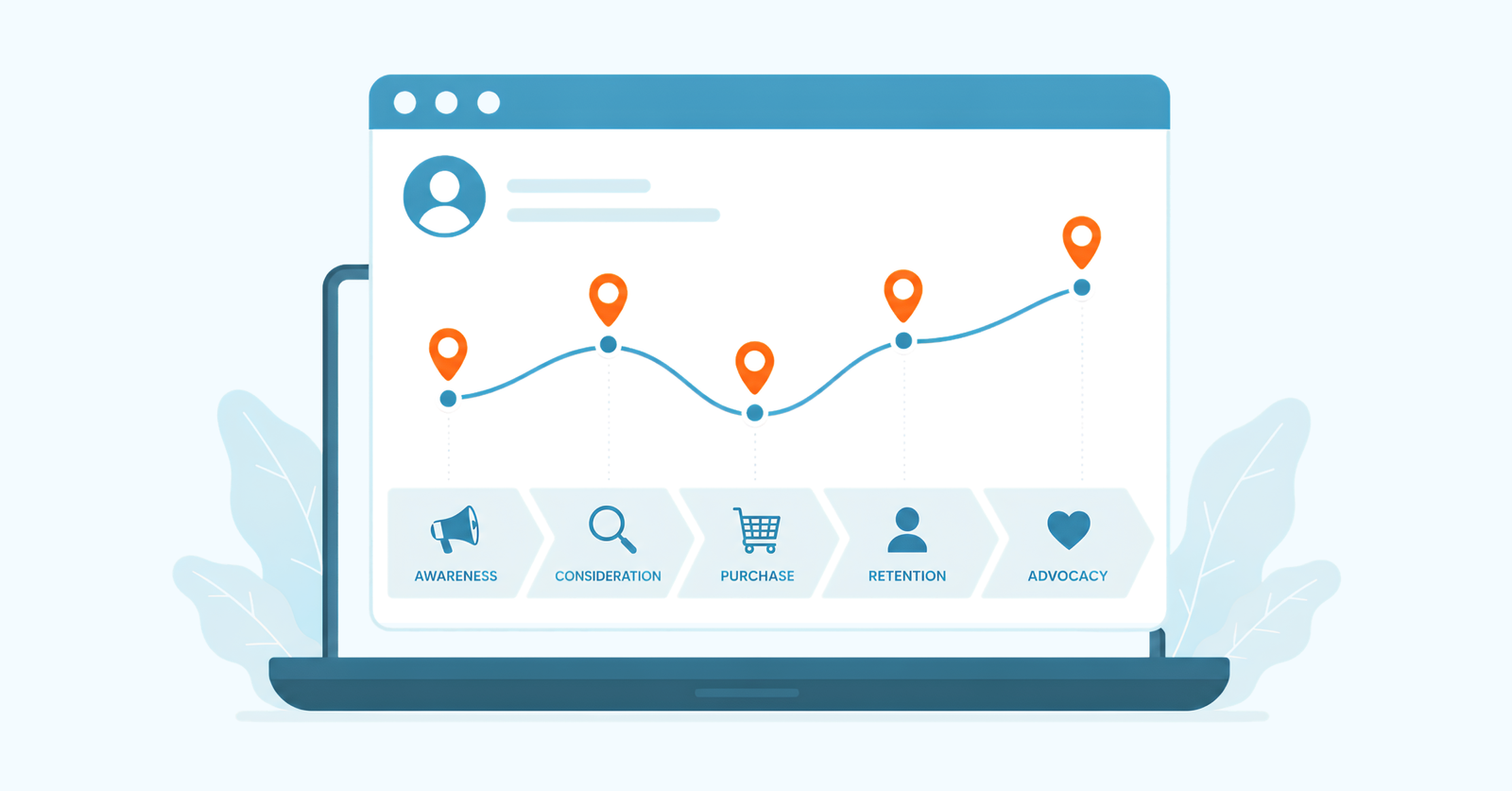
- Does the message align with where the customer is in their buying journey?
The process keeps campaigns focused and prevents messages from feeling random or disconnected. Customers respond better when the message feels timely, specific and directly relevant to them.
Pro tips:
- Keep one campaign focused on one objective instead of combining multiple goals into the same message.
- Connect every campaign goal to a measurable business outcome like purchases, bookings, clicks or repeat orders.
3. Time Your Messages Around Customer Behavior Patterns
Message timing plays a major role in SMS campaign performance. Effective timing comes from understanding when your audience is most likely to pay attention and take action. Different industries and customer groups respond differently depending on their daily habits or routines.
Study peak engagement times for your industry
Customer behavior changes across industries and timing should reflect that. A restaurant’s best send window is between 11 am and 1 pm when customers are actively thinking about food. An e-commerce brand targeting working professionals sees far stronger results between 7 pm and 9 pm when purchase decisions happen during personal time.
Avoid sending messages too early or too late
Sending promotional messages before 9 am or after 8 pm does not just hurt conversion rates; it actively damages your brand relationship with the customer. Customers who feel their personal time is being invaded will opt out faster than any other trigger you can create.
Use A/B testing to find your best send window
General benchmarks are helpful, but audience behavior varies from one business to another. Split your audience into separate groups and send the same message at different times to identify which window drives stronger engagement for your specific audience.
4. Craft Messages That Demand Immediate Action
Every text message marketing competes with constant notifications and on a customer’s phone. Messages that fail to capture attention quickly are often ignored within seconds. Strong SMS campaigns create a clear reason to act immediately. A combination of relevance, value and urgency usually performs better than long explanations or vague messaging.
Customers respond faster when the message communicates a real benefit and a limited window to act. A message like “Your 20% discount ends tonight” creates a stronger response because the customer understands both the value and the deadline instantly.
Use cases:
- Flash sale alerts: Drive immediate traffic with a time-bound offer that expires within 24 hours.
- Abandoned cart recovery: Reconnect with customers who left products in their cart and include a direct purchase link to reduce friction.
- Event or webinar reminders: Push last-minute registrations with a single frictionless CTA link.
- Low stock notifications: Alert customers when popular products are close to selling out to encourage faster purchase decisions.
The biggest challenge here is balancing urgency with authenticity because customers today instantly detect manufactured scarcity. Ensure every deadline or stock claim in your message is real, like a fake “limited offer” might drive one conversion but permanently damage subscriber trust.
5. Personalize Beyond Just the First Name
Most businesses stop at “Hi [First Name],” but that barely scratches the surface of what text message marketing personalization can actually achieve. Real personalization reflects what the customer bought, browsed or ignored and that relevance is what separates a 2% conversion rate from a 12% one.
Key ways:
- Use purchase history to recommend relevant products: Customers respond better to recommendations connected to past purchases. Someone who recently bought fitness equipment is more likely to engage with workout accessories than unrelated product categories.
- Trigger Messages based on customer actions: When a customer browses a product page twice without buying, that is a signal, not silence. A triggered SMS sent within 2 hours of that behavior converts far better than any scheduled broadcast campaign.
- Adjust message frequency based on engagement: Sending five messages a week to a subscriber who only engages once a month is the fastest way to lose them. Analyze engagement patterns at the individual level and adjust frequency so passive subscribers are never pushed toward opting out.
A fashion retailer segmented subscribers based on average order value and sent personalized restock alerts only to high-value buyers, resulting in a 28% conversion rate compared to their usual 6%. The message did not change dramatically, but the audience targeting made all the difference.
6. Use Automated SMS Sequences to Nurture Customers
Automation helps businesses deliver timely communication without manually sending every message. Brands that win at text message marketing long-term build smart sequences that work in the background while their team focuses on strategy.
Key questions:
- What customer action will trigger the sequence?
- How many messages are actually needed before the customer makes a decision?
- What timing should exist between each message?
- Does each message in the sequence serve a distinct purpose?
Answering the questions keeps automation focused and prevents customers from receiving unnecessary messages. A well-structured sequence feels like a natural conversation to the customer, even though it runs entirely without human intervention.
Actionable tips:
- Match the sequence to the customer journey stage so the communication feels relevant and timely.
- Create clear exit conditions so customers stop receiving nurture messages once they purchase, book or complete the intended action.
7. Integrate SMS With Your Existing Marketing Funnel
Text message marketing works hardest when it operates as an active layer within your broader marketing funnel rather than a standalone channel. Brands generating the strongest SMS ROI connect it directly to their email workflows, retargeting ads and CRM data to create a seamless customer experience.
Connected communication creates a smoother customer experience because every channel works together instead of sending disconnected or repetitive messages. Customers receive more relevant communication based on where they are in the buying journey.
Key ways:
- Cart abandonment recovery: Trigger an SMS within 30 minutes of abandonment when the email has already gone unopened. SMS catches what email consistently misses.
- Post-purchase upsell sequences: Connect your order management system to your SMS platform so upsell messages fire automatically based on what the customer just bought.
- Re-engagement for inactive subscribers: When a subscriber has not opened an email in 90 days, shift them into an SMS re-engagement sequence before removing them from your list.
The most common challenge with SMS funnel integration is data silos, where your SMS platform and CRM do not communicate in real time. Prioritize platforms with native integrations over manual exports that delay campaigns and create costly audience overlap issues.
Use Cases of SMS Marketing Across Different Industries
The following are the industries where SMS delivers measurable and consistent results. Let’s check them out in more detail.