1. Define and Segment Your Target Audience with Precision
Many ecommerce sales funnels fail because they target the wrong audience entirely. Clarity on who you are trying to reach shapes every decision that follows. It ensures your efforts are focused on people who are more likely to buy, not just browse.
Key questions:
- Who is facing the problem your product solves right now?
- What has stopped them from solving it so far?
- Where do they spend time when looking for solutions?
- What would make them choose your product over others?
The questions expose the real motivations and friction points your funnel must address at every stage. When you build around the answers, your messaging stops feeling like marketing and starts feeling like the buyer is being genuinely understood.
Key categories:
- Behavior-based: Group buyers based on pages visited, products viewed and time spent
- Intent-based: Separate high-intent visitors from those still exploring
- Purchase history: Segment customers by past purchases, frequency and order value
- Engagement level: Identify active users versus those who need re-engagement
A fashion brand can treat new visitors and repeat buyers differently. First-time visitors may respond to a welcome offer, while repeat buyers may value loyalty rewards. The simple shift can improve conversions without increasing traffic.
2. Create Stage-Specific Content That Moves Buyers Forward
Content works only when it matches where the buyer is in their journey. Each piece should help them take the next step instead of adding more noise. It keeps the experience focused and makes it easier for buyers to move forward with confidence.
A common mistake that brands often make is pushing the same promotional message at every stage, regardless of where the buyer actually is in their decision journey. Buyers need different information at different points, not the same pitch repeated.
Key examples:
- Awareness stage: SEO blogs, short videos and problem-focused posts that introduce the topic
- Interest stage: Comparison guides, explainers and email welcome sequences that build understanding
- Consideration stage: Detailed product pages, reviews and case studies that answer doubts
- Intent stage: Offers, free shipping prompts and cart reminders that encourage action
- Retention stage: Post-purchase thank-you emails, loyalty updates and reorder reminders
Most brands start strong at awareness, but content quality drops sharply as you move toward the purchase stage. Build a simple content matrix mapping every format to a funnel stage before creating a single piece of content.
3. Build a High-Converting Traffic Acquisition Strategy
Traffic alone does not drive sales. Results come from bringing in visitors who are likely to buy, not just browse. Strong acquisition starts with knowing which channels bring real buyers. Some sources drive intent, while others create early interest. Treating them the same reduces conversion.
Key ways:
- Combine paid and organic: Paid channels bring quick visibility, while organic SEO builds steady traffic over time and reduces long-term costs.
- Match channels to intent: Search traffic often comes with purchase intent, while social media traffic needs more context and softer messaging.
- Use retargeting at each stage: Show different messages to blog readers, product viewers and cart abandoners based on where they dropped off.
Brands that perform well treat acquisition as one connected system and not a series of isolated campaigns running in parallel. Each channel supports the next step, making the funnel more efficient and lowering acquisition costs over time.
4. Optimize Every Landing Page for a Single Conversion Goal
A landing page trying to do multiple things simultaneously ends up doing none of them well enough to convert. One page, one goal, one CTA, that is the non-negotiable standard every high-performing e-commerce funnel operates by.
Pro tips:
- Single CTA: One clear action that stands out and is easy to follow.
- Message-match: Headline and offer should reflect what brought the visitor there.
- Trust signals: Show reviews, ratings, security badge, and guarantees early on the page.
- Remove distractions: Remove navigation menus, unrelated links and every element pulling the visitor away from the conversion path.
Brands applying the checklist consistently see conversion rate improvements without increasing traffic spend by a single rupee. The landing page becomes a conversion asset when every element has a deliberate and measurable role to play.
Best practices:
- Align landing page content with the exact ad or search intent.
- Test one element at a time, like headline, CTA or hero image, to understand what improves results.
5. Design a Frictionless and Trust-Driven Checkout Experience
Checkout is where your entire funnel’s work either converts into revenue or silently collapses under friction you never audited. Small issues at this stage can undo everything that worked earlier in the funnel. A simple and clear flow keeps the process moving. Fewer steps mean fewer chances for hesitation.
Remove every unnecessary step at checkout
Every additional step between cart and payment confirmation is a live decision point where a committed buyer can walk away. Brands that ruthlessly reduced checkout to three steps or fewer have consistently reported double-digit lifts in completed transaction rates.
Display security badges and clear return policies
A customer at checkout is making a financial commitment and visible trust signals are what convert hesitation into action. Displaying SSL certificates, money-back guarantees and transparent return terms directly at the payment stage removes the final layer of doubt that kills otherwise ready sales.
Offer multiple payment options including BNPL
Payment flexibility is a direct conversion lever and brands that ignore it are leaving a measurable percentage of completed sales on the table. A buyer whose preferred payment method is absent at checkout will abandon the transaction even when their purchase intent was completely decided.
6. Build Automated Nurture Sequences for Every Drop-off Point
Customers who leave the funnel drop-off points are rarely gone permanently. It is recoverable with the right automated sequence delivered at the right moment. Brands that build deliberate nurture flows for every exit point consistently recover 15 to 25 percent of revenue that would otherwise never return.
Triggering cart abandonment emails within 60 minutes is the single highest-ROI automation any e-commerce business can deploy immediately. The buyer’s intent at this window is still warm and a precisely crafted message can recover a sale that every other brand would have written off entirely.
Key sequence:
- Email one: Send within 60 minutes, featuring the exact abandoned product with a direct return-to-cart CTA.
- Email two: Send at 24 hours with product-specific social proof like verified reviews and customer ratings.
- Email three: Send at 48 hours with a limited-time incentive like free shipping to close the hesitant buyer.
Sending the same generic email to a premium skincare browser and a budget kitchen tools shopper is exactly why most nurture sequences underperform their actual revenue potential. Tailored messaging based on product category makes the communication more relevant and improves the chances of conversion.
Key steps:
- Show reviews from similar products in the same category.
- Suggest related items that fit the original interest.
- Use urgency only for the products the customer explored.
7. Measure, Audit and Continuously Optimize Funnel Performance
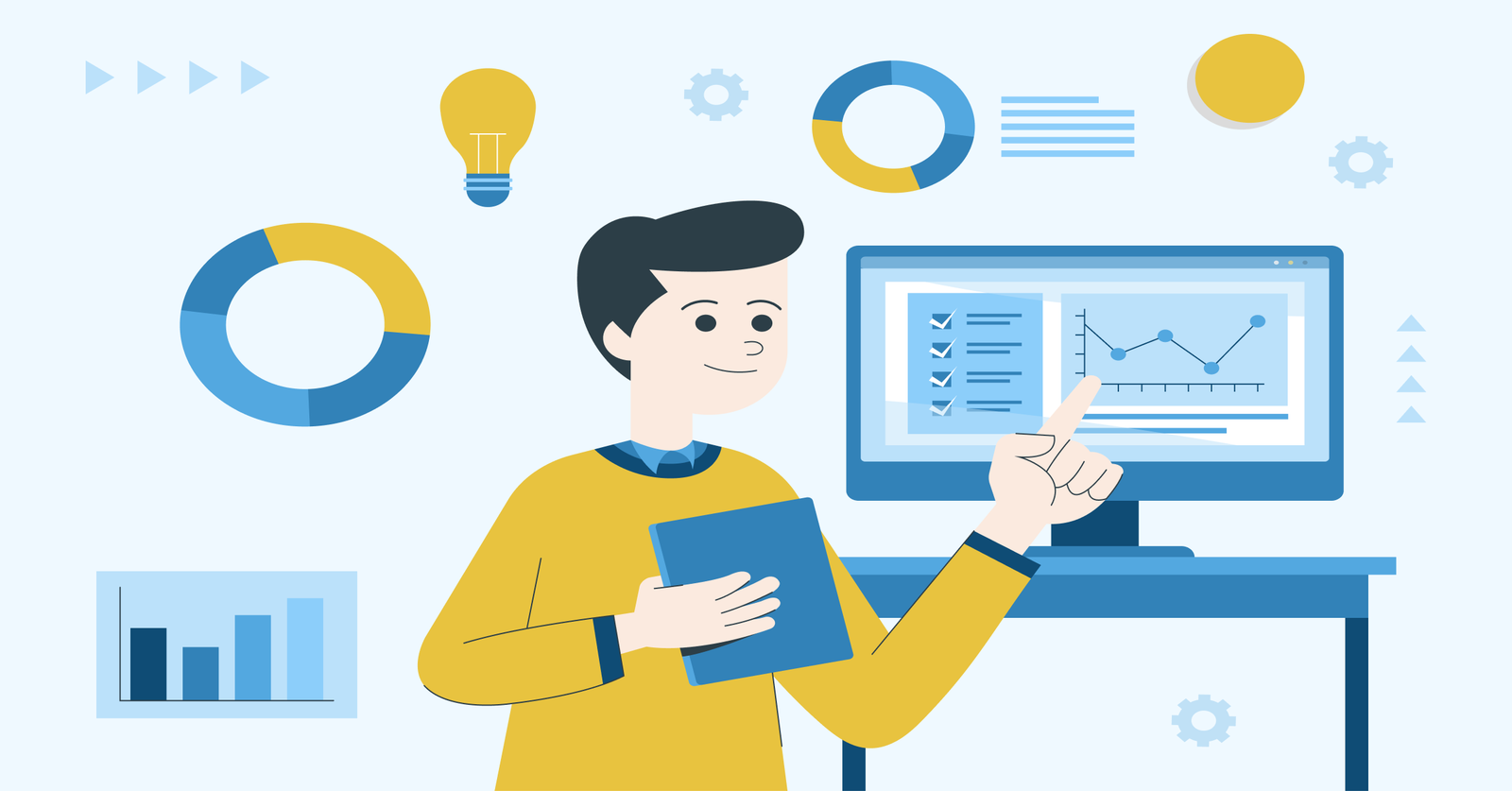
A funnel that is not measured cannot improve. Clear data helps identify what is working and what needs attention. Strong teams rely on numbers to guide decisions. Looking at the right metrics shows where customers move forward and where they drop off.
Key metrics:
- Stage-wise conversion rate
- Cart abandonment rate
- Customer acquisition cost (CAC)
- Customer lifetime value (CLV)
Tracking the four metrics together reveals exactly where your funnel is healthy and where it is quietly destroying margin. Most brands diagnose the wrong problem because they look at total revenue instead of stage-level conversion data that shows the precise point where buyers are exiting.
Actionable tips:
- Focus on fixing your highest drop-off stage first before touching any other funnel variable for maximum revenue recovery.
- Test one change at a time to understand what drives improvement.
How to Optimize an E-commerce Sales Funnel? Best Practices
Let’s go through the best practices to optimize an ecommerce sales funnel, focusing on improving each stage to drive more consistent revenue from existing traffic.