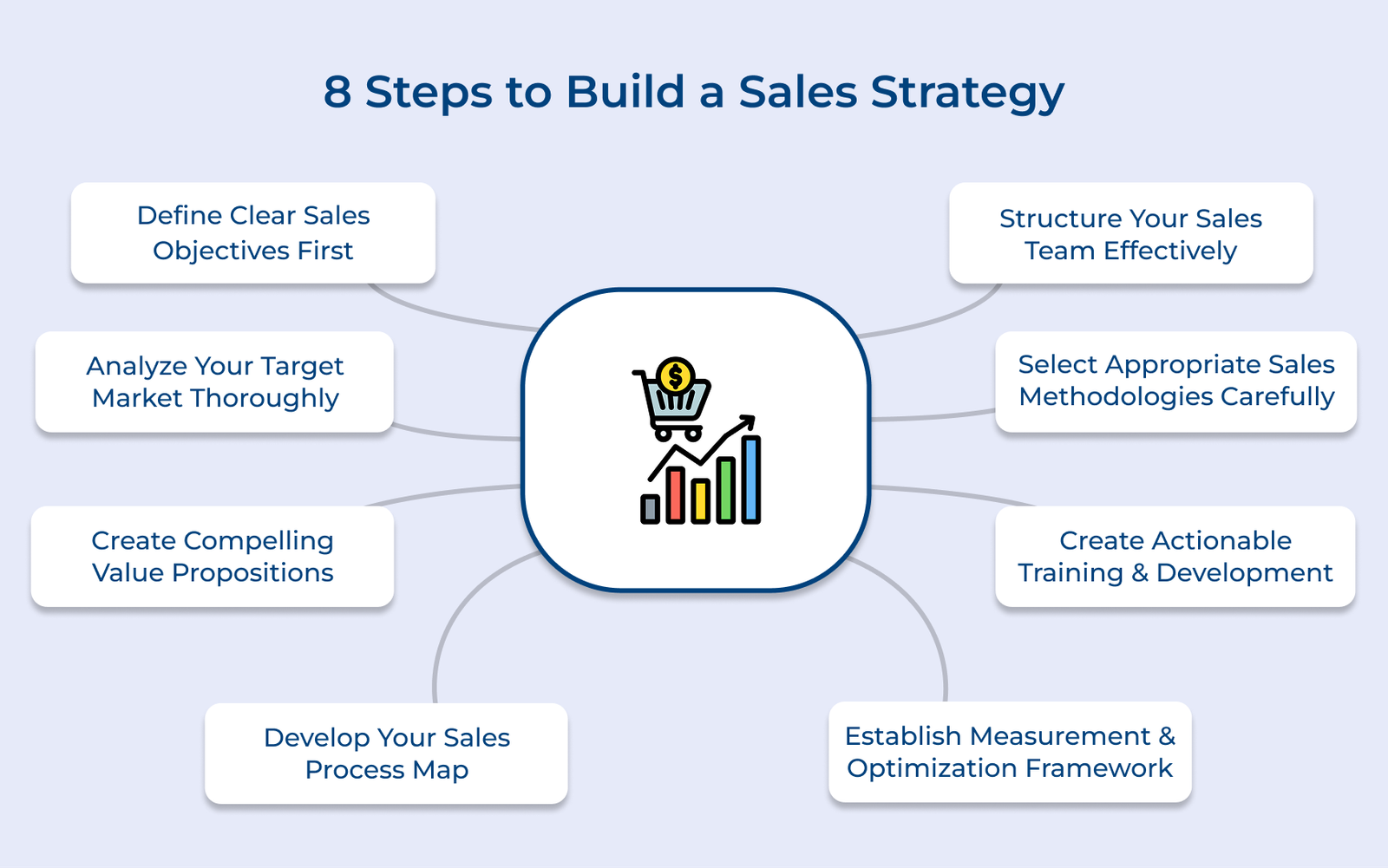
1. Define Clear Sales Objectives First
Setting clear sales objectives means identifying concrete, measurable goals your sales team will work toward. It’s not just a formality—it’s what gives your entire sales effort focus. Without defined targets, salespeople are left guessing where to spend their time and you’re left without a way to measure progress. Start by reviewing past performance and market conditions.
Use the data to set goals that are realistic but still push your team forward. Then break down your targets, as in the yearly goals, should become quarterly and monthly milestones that guide daily activities.
Pro tips:
- Salespeople know the market realities. Involving them builds commitment and ensures the targets aren’t just top-down guesses.
- Make sure each objective is Specific, Measurable, Achievable, Relevant and Time-bound. Vague goals help no one.
2. Analyze Your Target Market Thoroughly
Market analysis is about figuring out exactly who your ideal customers are and, just as importantly, who they aren’t. It ensures your sales team is spending time on the right prospects with messages that land. Without it, sales efforts are scattered and opportunities slip through the cracks.
- Size: Look at your total addressable market to understand revenue potential and assess if your current sales capacity can effectively serve the market without compromising quality or response time.
- Region: Pinpoint where your best-fit customers are located. It helps with smarter territory planning and reveals regional factors like local regulations or buying behaviors that should shape how you sell.
- Industry: Explore which industries benefit most from your offering. Understanding their specific challenges lets your team tailor messaging and demonstrate how your solution solves real problems within that context.
- Product: Analyze how different types of customers use your product. Use the insight to shape sales conversations around what each segment values.
Strong market analysis turns your sales strategy from a guessing game into a focused plan. Your team speaks directly to real needs, pursues the right prospects and wastes less time. It results in better conversion rates, faster sales cycles and more reliable growth.
3. Create Compelling Value Propositions
A strong value proposition is essential to any sales strategy. It tells potential customers, in plain terms, why they should choose your solution over others. Without one, sales conversations tend to drift and buyers walk away unclear about what makes your offer worth their time or money.
Articulate Unique Selling Points
Skip the vague claims. Instead, identify specific features or capabilities that competitors don’t offer or don’t do well and explain how those translate into real advantages for the customer.
Address Specific Customer Problems
The most convincing value propositions speak directly to what your customers are struggling with. List common challenges your ideal buyers face, then show how your product or service directly addresses those issues.
Quantify Tangible Business Benefits
Turn abstract value claims into concrete outcomes that customers can expect after implementing your solution. Calculate potential cost savings, productivity improvements, revenue increases or risk reductions whenever possible.
4. Develop Your Sales Process Map
A sales process map lays out each step your team takes from first contact with a prospect to long-term customer success. It replaces guesswork with a clear, repeatable system—making sales more consistent, easier to manage and more predictable. Without it, teams improvise, leading to uneven results and missed opportunities.
Factors influencing sales process stages
Your sales stages should reflect how your buyers actually make decisions. Factors like product complexity, the length of your sales cycle, deal size and the number of stakeholders all influence how many steps your process needs.
- Lead qualification: Start by screening leads for key criteria – budget, authority, need and timeline (BANT). The step filters out unfit prospects early.
- Discovery meeting: Hold a focused conversation to understand the prospect’s business problems, goals and existing systems. It builds trust and reveals what matters most to the buyer.
- Solution presentation: Present a tailored demo that connects directly to the issues raised during discovery. Emphasize outcomes, not features.
- Technical evaluation: Allow the prospect’s IT team to review security, integration and scalability concerns. Bring in technical specialists to answer questions clearly and avoid surprises later.
- Proposal/negotiation: Deliver a clear, detailed proposal including pricing, timeline and ROI. Be ready to adjust terms based on stakeholder feedback without losing sight of the project’s goals.
- Closing: Secure final approvals, confirm contract terms, and set clear expectations for implementation. Don’t treat the signature as the finish line.
- Onboarding: Ensure a smooth handoff to customer success. Early training, check-ins and quick wins help build long-term value.
A defined sales process gives your team direction and your leaders real data to work with. You can spot bottlenecks, test improvements and build a strategy that adapts—not just reacts.
5. Structure Your Sales Team Effectively
How your sales team is structured directly affects how well your strategy works. Without a clear setup, tasks overlap, prospects fall through the cracks and performance is difficult to track. A strong team structure sets clear roles, avoids internal conflict and ensures your team covers the market effectively.
Define Territory Management Approach
Start by deciding how you’ll divide your market by region, industry or account size. It gives each team member a clear area of focus and responsibility. It prevents duplication of effort, reduces confusion and helps your team build expertise in their assigned segment.
Establish Clear Role Responsibilities
Different sales activities require different skills. Divide responsibilities accordingly, like one person should be focused on prospecting, another handles demos and follow-ups and a third closes deals. It lets each team member master their role instead of juggling too much.
Create Accountability Measurement Systems
Set clear performance expectations tied to each role and territory. Use measurable indicators such as qualified leads generated, deals closed or customer retention rates to track progress. Regular check-ins help catch problems early and identify where support or adjustments are needed.
6. Select Appropriate Sales Methodologies Carefully
Sales methodologies are the playbooks your team follows when working with prospects. They shape how your reps hold conversations, address concerns and guide deals through the pipeline. Without one, every rep improvises, leading to confusion, inconsistent outcomes and weak coaching.
Does it Align with your Customers’ Buying Process?
Don’t force a method onto your customers – follow their lead. Look at how your target audience researches solutions, who gets involved in decisions and how long they take to choose. Your methodology should reflect this process, not work against it.
Does it Work for your Product Complexity Level?
A simple product doesn’t need a complex process. But for technical or multi-layered solutions, you’ll need a method that supports deep discovery, multiple conversations and tailored presentations.
Can your Current Team Implement it Effectively?
No methodology works if your team can’t apply it. Consider their current skills, time and sales experience. A complicated method might sound great on paper, but if it takes months of training and slows everyone down, it won’t help.
Does it Support your Sales Cycle Length?
Some methods are built for long cycles with multiple touchpoints and ongoing stakeholder management. Others focus on speed and efficiency. Choose one that supports the rhythm of your typical deal flow.
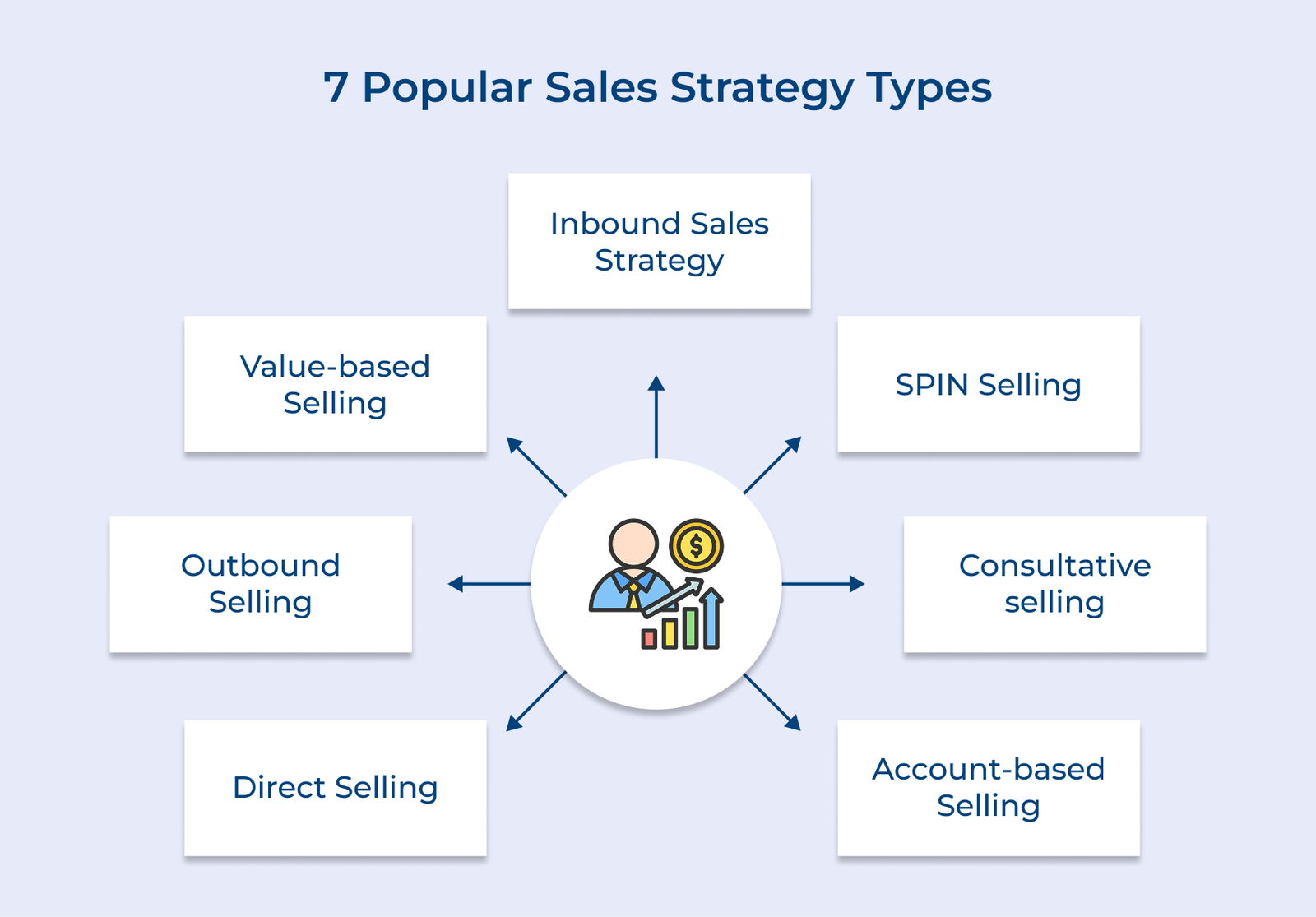
Let’s consider that a SaaS company might use consultative selling for complex platform sales where multiple departments are involved, but switch to a simple, transactional method when upselling small add-ons to existing users. Tailoring the approach to the deal makes the sales process more natural and more effective.
7. Create Actionable Training And Development
Sales training isn’t just a box to check, it’s how your team turns strategy into action. Without it, even the best sales plan will fall flat the moment reps start talking to customers. Training gives your team the tools they need to confidently explain your solution, navigate the sales process and handle real objections in the moment.
Let’s assume that a medical device company implements a three-tiered training program starting with product knowledge essentials, advancing to consultative selling techniques for hospital administrators and culminating in role-specific certification. Each agent completes 40 hours of baseline training, followed by quarterly skill reinforcement sessions or weekly team huddles where successful approaches are shared and challenges workshopped collectively.
Best practices:
- Create measurable learning objectives for each training component so you can evaluate effectiveness beyond participant satisfaction, focusing instead on behavior changes and performance improvements that directly impact sales results.
- Record calls and presentations. Review them together. It gives reps a chance to self-assess and identify things they wouldn’t notice in the moment like unclear messaging or missed buying signals.
8. Establish Measurement And Optimization Framework
A great sales strategy isn’t “set and forget.” It needs a steady flow of feedback to stay effective. It’s where a solid measurement and optimization system comes in, it helps you see what’s working, what isn’t and where to adjust before problems spread. Without clear metrics and regular reviews, your team risks running blind while customer needs shift around them.
Begin by selecting leading indicators (activity metrics that predict future success) and lagging indicators (outcome metrics that confirm results) aligned with your objectives. Implement regular review cycles at different organizational levels. Have it daily for individuals, weekly for teams, monthly for sales managers and quarterly for executives.
Key takeaways:
- Include metrics like acquisition cost, retention rates, rep productivity and lifetime value to get a full picture, not just a short-term win.
- When adjusting strategy, start with a small pilot group. Watch the results. Roll out broader changes only if the early data support it.
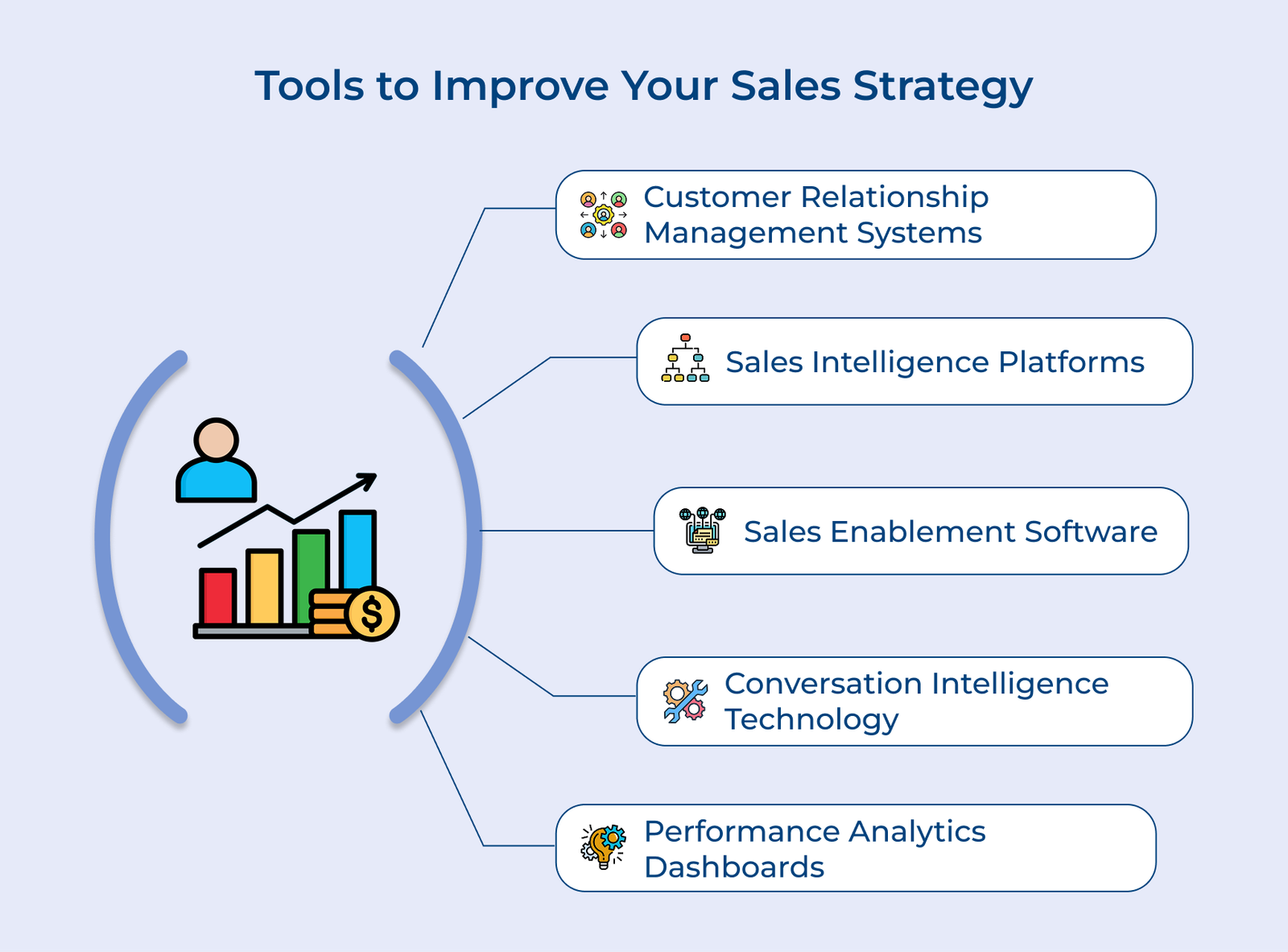
Tools to Improve Your Sales Strategy
Check out the essential tools that can elevate your sales strategy and drive meaningful results, empowering you to close deals.