Sales Enablement Guide: Importance, Principles & Tools
Discover the ultimate sales enablement guide to learn about its importance, core principles, and essential tools to empower your sales team.
No credit card required. Easy setup
Discover the ultimate sales enablement guide to learn about its importance, core principles, and essential tools to empower your sales team.
No credit card required. Easy setup
Boost your sales game with enablement strategies! Discover how simplifying the sales process leads to amplified success and empowers your team to close more deals.
Eliminate confusion with a single, easily accessible repository for all training materials, tools and sales content. Equip your team to work smarter, boost productivity and deliver consistent performance effortlessly.
Deliver impactful, tailored training programs to onboard new reps faster and ensure your team stays ahead of the curve. Ongoing, focused skill development keeps your salesforce sharp, confident and ready to win.
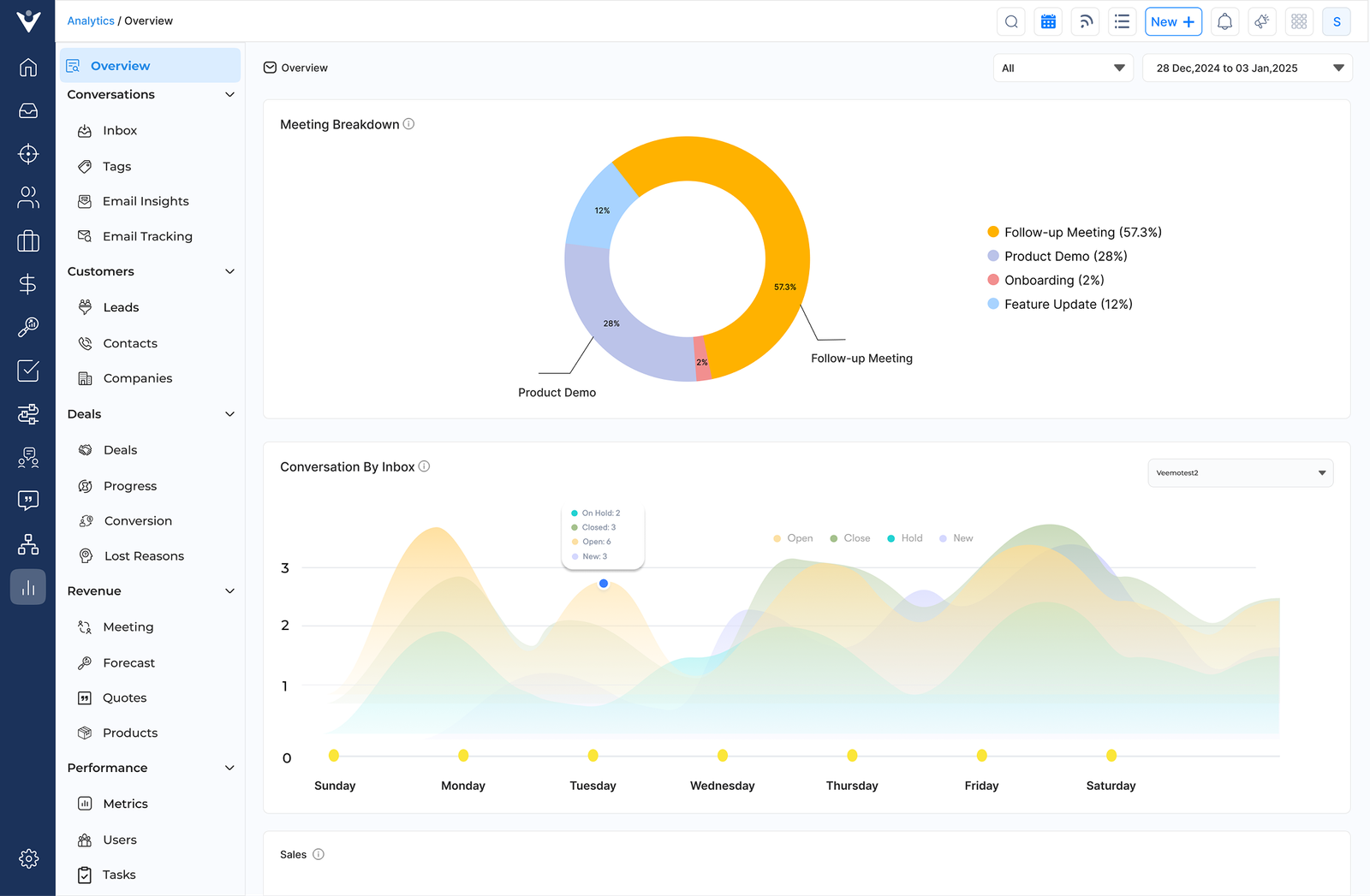
Leverage advanced analytics to uncover actionable insights and refine your sales strategies. Empower your team to adapt, innovate and achieve continuous improvement through informed data-backed decisions.
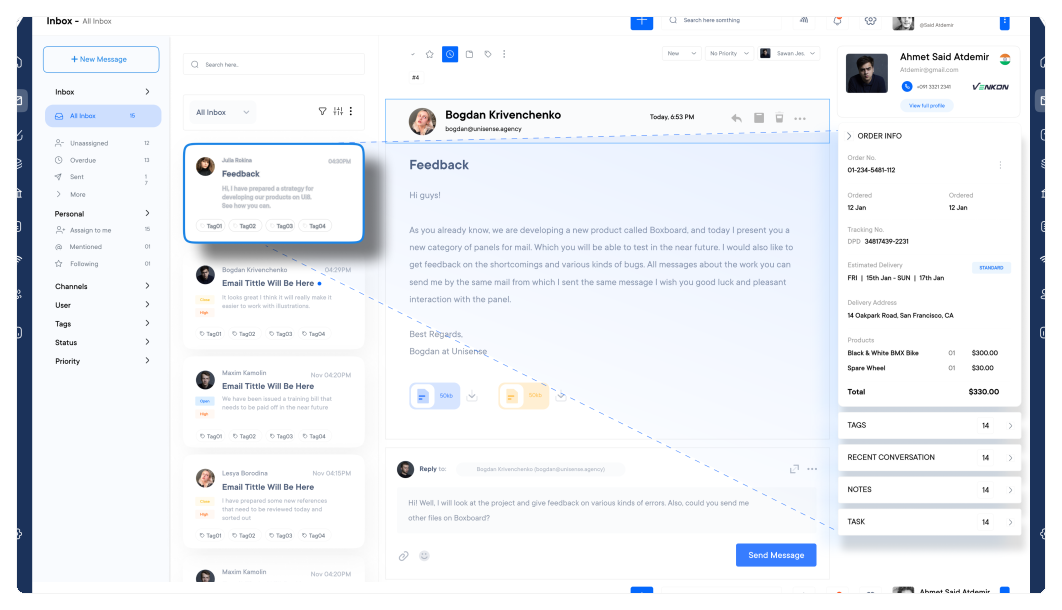
Break down silos and facilitate seamless collaboration across your team. The improved internal communication empowers your salesforce to align efforts, share knowledge and maintain a unified voice for greater success.
Equip your team with customizable content and dynamic messaging to create personalized interactions for every customer. Boost engagement, build stronger connections and leave a lasting impact.
Free your team from tedious, repetitive tasks with automated workflows that streamline processes and reduce admin time. Empower reps to focus on high-value activities, like closing deals and building relationships.
Frustrated by missed sales targets and lost opportunities? You’re not alone. Sales teams often struggle to meet quotas, leaving companies searching for solutions to boost their performance. It is where sales enablement comes in – a game-changing approach that’s revolutionizing how businesses close deals.
Sales enablement is the strategic process of equipping sales teams with the tools, content and knowledge they need to engage buyers effectively. We’ll dive deep into the world of sales enablement, exploring its definition, benefits, key strategies and best practices. Discover how the approach can transform sales operations.
Sales enablement refers to a strategic approach aimed at equipping sales teams with the tools, resources and knowledge they need to effectively engage with customers. It involves providing salespeople with the right content and technology, including AI sales enablement solutions, to improve their performance and drive results.
The process works by aligning various departments within an organization, particularly marketing and sales, to create a seamless flow of information. The collaboration ensures that salespeople have access to up-to-date product information and relevant marketing materials. Sales enablement platforms often centralize the resources, making them easily accessible to the sales team.
The importance of sales enablement lies in its ability to enhance sales productivity, improve customer interactions and increase revenue. They can more effectively address customer needs and move prospects through the sales funnel by providing salespeople with the right tools. Sales enablement helps organizations adapt to changing market conditions and customer expectations.
Key objectives:
We will delve into the numerous advantages of implementing a robust sales enablement program. Let’s explore the benefits of sales enablement.
1. Increased Sales Productivity
Sales enablement provides sales teams with streamlined processes, centralized resources and efficient tools. Salespeople can spend less time searching for information or creating materials, and more time engaging with prospects. The tool significantly boosts productivity by automating routine tasks and providing quick access to relevant content.
2. Improved Customer Engagement
Salespeople can engage in more meaningful conversations with prospects with access to up-to-date product information, customer insights and tailored content. Sales enablement equips them to address customer pain points more effectively, provide relevant solutions and communicate value propositions. It leads to better customer experiences, stronger relationships and increased trust, improving conversion rates.
3. Faster Onboarding and Continuous Learning
Sales enablement accelerates the onboarding process for new hires by providing structured training programs and easy access to essential resources. It also supports continuous learning for experienced salespeople, keeping them updated on new products and best practices. The ongoing development ensures that the entire sales team remains competent and confident, adapting quickly to changes in the market or product offerings.
4. Better Alignment Between Sales and Marketing
Sales enablement enhances collaboration between teams by creating a shared understanding of customer needs, messaging and goals. The alignment ensures that marketing efforts directly support sales objectives and that sales teams effectively utilize marketing-generated content. The result is a more cohesive buyer journey, consistent messaging across touchpoints and improved organizational efficiency.
5. Data-driven Decision Making
Sales enablement platforms often include analytics capabilities that provide valuable insights into sales performance, content effectiveness and customer interactions. Organizations can identify successful strategies, pinpoint areas for improvement and make informed decisions about resource allocation. Companies can continuously optimize their sales processes and adapt to changing market conditions by leveraging the insights.
Sed ut perspiciatis unde omnis iste natus error sit voluptatem accusantium doloremque laudantium, totam rem aperiam, eaque ipsa quae ab illo inventore veritatis et quasi architecto beatae vitae dicta sunt explicabo.
Let’s dive into the five defining principles that will transform the sales enablement strategy.
Successful enablement of sales requires a structured, ongoing process rather than a one-time initiative. Organizations must commit to implementing and maintaining a comprehensive sales enablement strategy. It involves creating a dedicated team for sales enablement, establishing clear goals and continuously refining the process based on feedback. The commitment should come from all levels of the organization, especially leadership, to ensure its effectiveness and longevity.
Understanding the unique needs, challenges and preferences of the sales team is crucial for effective sales enablement. Regularly engage with salespeople to gather insights about their pain points, the tools they find most useful and the areas where they need support. Involve them in the development and selection of enablement tools. The collaborative approach ensures that the resources provided are relevant and aligned with the team’s actual needs.
The core principle of sales enablement is that better-equipped and engaged salespeople drive more revenue. Focus on creating resources and implementing tools that genuinely enhance the sales team’s ability to engage with prospects. It could include interactive presentations, personalized content, or AI-powered insights. The goal is to empower salespeople to have more meaningful, value-driven conversations that resonate with customers and move them through the sales funnel more effectively.
Content is a cornerstone of sales enablement, but its effectiveness depends on delivering the right content at the right time in the buyer’s journey. Develop a strategic content plan that maps different types of content to specific stages of the sales process. Ensure that salespeople can easily customize the content based on the prospect’s needs and stage in the buying journey. The principle also involves regularly updating and refining content based on feedback from the sales team.
Effective sales enablement relies on both qualitative and quantitative data to drive continuous improvement. Implement systems to track key metrics such as content usage, sales cycle length, win rates and revenue impact. Complement it with qualitative feedback from salespeople and customers. Regularly analyze the data to identify trends, measure the effectiveness of enablement initiatives and make data-driven decisions. The approach allows for ongoing optimization of the sales enablement strategy, ensuring it remains aligned with organizational goals.
Here are the essential steps to building a comprehensive sales enablement framework that delivers results for your business.
Evaluating the current marketing and sales process is a crucial first step in building an effective sales enablement strategy. It involves a thorough assessment of existing workflows, including how leads are generated, nurtured and handed off between teams. It’s essential to identify gaps in the processes, such as communication breakdowns or underutilized resources.
Businesses can pinpoint areas where sales enablement can have the most significant impact by critically examining their current operations. The evaluation provides a baseline for measuring future improvements and helps prioritize which aspects of the strategy to focus on first.
Pro tips:
Defining roles and responsibilities is a crucial step in building an effective sales enablement strategy. Start by establishing a dedicated team or appointing a leader to oversee the initiative. It ensures there’s a central point of accountability and coordination for all enablement efforts.
Delineate roles within both sales and marketing teams. Specify who is responsible for content creation, tool management, training and performance analysis. Set clear expectations for cross-functional collaboration between sales, marketing and other relevant departments. Define how the teams should work together, share information and contribute to the sales enablement goals.
Pro tips:
Understanding the target market is a crucial step in building an effective sales enablement strategy. The process begins with developing detailed buyer personas, which are semi-fictional representations of the ideal customers. The personas should include demographic information, job roles, goals, challenges and buying behaviors.
Businesses equip their sales team with a clear understanding of who they’re selling to and how to approach them by creating profiles. Equally important is researching industry trends and challenges. It involves staying updated on market dynamics and regulatory changes that affect the target audience. Businesses can tailor their sales approach to address current and future customer needs by understanding the factors.
Pro tips:
Mapping content to the customer journey is a crucial step in building an effective sales enablement strategy. The process begins by identifying the key stages in the buying process, typically including awareness, consideration, decision and post-purchase phases. Create targeted content for each stage that addresses the specific needs, questions and concerns of prospects at that point in their journey. It might include educational blog posts for the awareness stage, comparison guides and case studies for the decision stage.
Ensure that all content aligns with the overall sales messaging and value proposition.
The consistency reinforces the brand and helps salespeople deliver a cohesive narrative throughout the sales process.
Pro tips:
Getting to know the top performers is a crucial step in building an effective sales enablement strategy. Businesses can replicate their strategies across the entire team by understanding what makes the best salespeople successful. The approach helps elevate performance and ensures the enablement efforts are grounded in proven tactics.
Identifying high-performing salespeople involves analyzing sales data, customer feedback and peer recognition. Once identified, study their approaches, communication styles and problem-solving techniques. Incorporating the best practices into the enablement materials can create resources that are both practical and effective, based on real-world success within the organization.
Pro tips:
Providing effective sales onboarding, training programs and ongoing support is crucial for building a successful sales enablement strategy. The step ensures that new hires quickly become productive and existing team members continually improve their skills. A comprehensive onboarding process accelerates the integration of new salespeople, familiarizing them with products, processes and company culture.
Ongoing training initiatives keep the entire team updated on industry trends and sales techniques. Create a structured program that covers all essential aspects of the role, from product knowledge to CRM usage. Implement ongoing training initiatives through regular workshops, e-learning modules and sales simulations to reinforce skills.
Pro tips:
Establishing metrics to measure success is a crucial step in building an effective sales enablement strategy. Begin by defining KPIs that align with the overall business objectives. It may include metrics such as sales cycle length, win rates, revenue per sales rep, content usage and customer engagement levels. Implement systems to track these KPIs consistently and accurately.
Regularly review the data collected and use it to adjust the strategy. The ongoing analysis helps identify what’s working well and where improvements are needed. It also allows businesses to demonstrate the ROI of their sales enablement efforts to stakeholders.
Pro tips:
Selecting the right sales enablement tool is a crucial step in building an effective sales enablement strategy. Begin by thoroughly assessing the team’s needs, considering factors such as current pain points, desired functionalities and workflow preferences.
Research available solutions in the market, focusing on tools that align with the identified needs and have positive reviews from similar organizations. Evaluate potential tools based on their features, integration capabilities with the existing tech stack and scalability to accommodate future growth. Consider aspects like content management, analytics, CRM integration and mobile accessibility.
Pro tips:
Here are five of the best sales enablement software tools that can help businesses drive success for their sales team.
Best sales enablement tool for defined sales processes
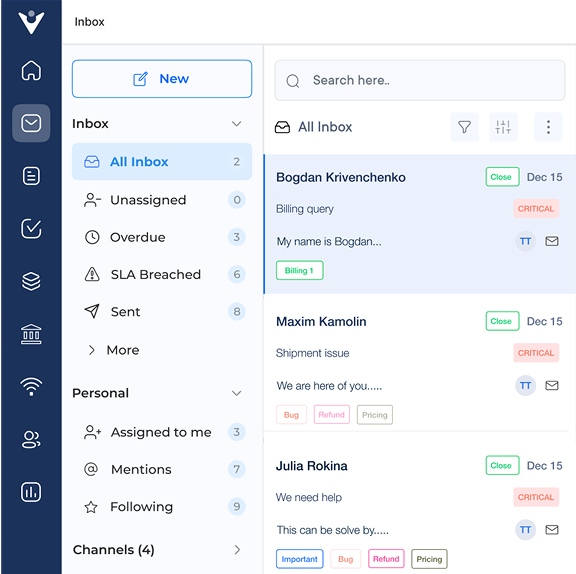
Veemo Sales is an AI-powered sales enablement platform designed to empower sales teams with the tools, content and insights they need to close deals more effectively. The comprehensive solution streamlines the sales process, enhances collaboration between departments and provides valuable analytics to drive performance improvements.
Key Features:
Pricing: The Growth plan costs $29/user/month with 3 inboxes, 1 knowledge base and omnichannel support. The Team plan is $69/user/month with 10 inboxes, 3 knowledge bases and a support widget. The Enterprise plan is $129/user/month with unlimited inboxes, a client portal and advanced asset management. Visit Veemo’s pricing page for more details.
HubSpot is a cloud based sales enablement platform that empowers sales teams to boost productivity and close deals efficiently. It integrates CRM, marketing and customer service tools into a unified ecosystem, providing a 360-degree view of customer interactions.
HubSpot consists of customizable dashboards, email tracking, meeting scheduling and pipeline management. Its USP lies in its all-in-one approach, offering seamless integration between sales, marketing and service functions. The cohesion enables data-driven decision-making and a consistent customer experience across all touchpoints.
Salesforce, a leading CRM platform, offers robust sales enablement capabilities. It provides a comprehensive ecosystem for managing customer relationships, automating sales processes and driving growth. The platform integrates customer data, analytics and collaboration tools to empower sales teams.
Key elements include AI-powered insights, customizable dashboards and mobile accessibility. Salesforce’s unique selling proposition lies in its scalability and extensive app marketplace, allowing businesses to tailor the platform to their specific needs. Its cloud-based architecture ensures real-time updates and seamless integration with other business systems.
Highspot is a leading sales enablement platform that empowers sales teams to engage buyers effectively and drive revenue growth. The platform combines content management, training and analytics in a unified solution, helping organizations streamline their sales processes.
The essential attributes of Highspot include AI-powered content recommendations, interactive guided selling and robust analytics. Its USP lies in its intuitive interface and seamless integration capabilities with existing tools. Highspot stands out for its ability to provide real-time insights, personalized coaching and content effectiveness tracking, enabling sales teams to optimize their strategies.
Seismic is a leading sales enablement platform that empowers sales teams to engage buyers more effectively. The platform centralizes content management, automates personalization and provides real-time analytics to optimize sales processes.
The solution offers AI-powered content recommendations, interactive presentation tools and robust analytics. Seismic’s USP lies in its ability to seamlessly integrate with existing CRM systems, advanced machine learning and its comprehensive approach to the entire sales lifecycle.
Sales enablement is more than just a tool for boosting revenue—it’s a transformative approach that is known for revolutionising business operations in the following ways:
1. Centralized content management: Provides easy access to up-to-date sales materials, ensuring consistency in messaging and reducing time spent searching for information.
2. Sales training and onboarding: Accelerates the ramp-up time for new hires and keeps existing reps updated on product knowledge.
3. Analytics and performance tracking: Offers insights into sales activities, enabling data-driven decision-making and strategy refinement.
4. Automated workflow management: Streamlines repetitive tasks, allowing sales reps to focus more on high-value activities like building customer relationships.
5. Personalized customer engagement: Enables tailored interactions based on customer data and preferences, improving the buyer’s experience.
Let us go through the essential sales enablement best practices that will help businesses elevate their sales game and drive greater revenue growth.
1. Embrace New Selling Strategies
Organizations must adapt to evolving buyer behaviors and preferences. It involves adopting modern selling techniques such as social selling and account-based marketing. Sales enablement should focus on equipping reps with the skills and tools needed for the strategies. It includes training on digital engagement platforms, providing guidelines for effective social media use and developing resources for personalized communication.
2. Understand the Needs of the Sales Team
Effective sales enablement starts with a deep understanding of the sales team’s challenges and requirements. Regular feedback sessions, surveys and performance analytics can provide valuable insights into areas where reps need support. It might include identifying knowledge gaps, pinpointing bottlenecks, or recognizing tool deficiencies. Sales enablement can provide targeted solutions that directly impact sales performance and efficiency by addressing the specific needs.
3. Bring Marketing and Sales Together to Develop Content
Collaboration between sales and marketing is crucial for creating impactful sales content. Marketing brings expertise in messaging, while sales provides insights into customer pain points and objections encountered during the sales process. Regular joint meetings, shared content calendars and collaborative content creation workshops can enhance the partnership. The result is more relevant, practical sales collateral that resonates with prospects and supports the sales team’s efforts effectively.
4. Create Content that Combines Reps’ First-Hand Experience with Sales Conversations
Leveraging the front-line experiences of sales reps can significantly enhance the quality and relevance of sales enablement content. Encourage reps to share successful pitches, common customer objections and effective responses. The real-world input can be used to create case studies, objection-handling guides and best practice documents. Consider implementing a system for reps to easily submit feedback on existing content and suggest new topics based on their interactions with prospects.
5. Make Technology Investments a Priority
Investing in the right technology is crucial for modern sales enablement. It includes robust CRM systems, sales engagement platforms and analytics tools. Prioritize solutions that integrate seamlessly with existing workflows and provide clear ROI. Focus on technologies that automate repetitive tasks, provide actionable insights and enhance the sales process. Regular evaluation of the tech stack ensures that the sales team always has access to the most effective tools for their needs.
Let’s delve into some challenges that organizations face in optimizing their sales enablement practices.
1. Fragmented Sales Approach
A fragmented sales approach occurs when different team members or departments use inconsistent methods, tools, or messaging in their sales activities. The lack of cohesion can lead to confusion for both sales reps and customers, resulting in inefficiencies. Implement a unified sales methodology across the organization.
Develop standardized processes and training programs that align with the company’s sales strategy. Utilize a centralized sales enablement platform to ensure all team members have access to the same resources and follow consistent best practices.
2. Inconsistencies Across Departments
When different departments (e.g., sales, marketing, product) operate in silos or have misaligned goals, it creates inconsistencies that hinder effective sales enablement. Conflicting messages to customers and missed opportunities for cross-functional collaboration.
Enhance cross-departmental alignment through regular inter-team meetings, shared KPIs and collaborative projects. Implement a centralized communication platform to facilitate information sharing. Develop integrated content strategies that involve input from all relevant departments to ensure consistency in messaging and approach.
3. Lack of Sales Enablement Strategy
Many organizations implement sales enablement tools or programs without a comprehensive, well-defined strategy, leading to disjointed efforts. Ineffective use of resources, difficulty in measuring ROI and failure to address core sales challenges. Develop a clear, data-driven sales enablement strategy aligned with business objectives.
Start by assessing current sales performance, identifying key pain points and setting specific, measurable goals. Create a roadmap that outlines the necessary tools, processes and training initiatives to achieve the goals.
4. Checkbox Activity
Sales enablement initiatives sometimes devolve into mere checkbox activities, where the focus is on completing tasks rather than driving meaningful results. Wasted resources, lack of engagement from sales teams and failure to improve sales performance. Shift the focus from activity completion to outcome-based metrics.
Tie sales enablement initiatives directly to KPIs such as win rates, deal sizes, or sales cycle length. Implement continuous feedback loops to gather input from sales reps on the effectiveness of enablement resources. Regularly assess and optimize programs based on their impact on sales results, not just participation rates.
Let’s delve into the essential ways to measure the effectiveness of the sales enablement strategy.
The metric measures the percentage of opportunities that result in closed deals. An effective sales enablement strategy should lead to an increase in win rates over time. Track the metric before and after implementing new enablement initiatives to gauge their impact. Compare win rates across different teams, products, or market segments to identify areas of success and those needing improvement.
Measure the average time it takes to close a deal from initial contact to signing. A successful sales enablement strategy should help shorten the sales cycle by providing reps with the right tools to move prospects through the pipeline more efficiently. Monitor the metric to ensure the enablement efforts are streamlining the sales process.
The measures how quickly new sales reps become fully productive. Effective sales enablement should reduce ramp-up time by providing comprehensive onboarding and training programs. Track the time it takes for new hires to achieve their first deal and reach full quota attainment.
Measure how often sales reps use enablement content and its impact on sales outcomes.
Track metrics such as content usage rates, engagement levels and the correlation between content use or deal progression. It helps identify which resources are most valuable and where gaps may exist.
Monitor changes in the average value of closed deals. A strong sales enablement strategy should equip reps to handle more complex sales and add more value to each deal. Analyze the metric alongside win rates to ensure that larger deals aren’t coming at the expense of success rates.
Sales enablement is the key to closing deals faster because it equips sales teams with the tools, knowledge and resources they need to engage prospects effectively. It’s no longer enough to rely solely on individual sales skills. The approach bridges the gap between potential and performance by streamlining processes and providing data-driven insights. It’s necessary because it addresses evolving challenges, such as increasingly informed buyers and the need for personalized engagement.
Organizations can reduce sales cycles, improve win rates and increase deal sizes by implementing a robust sales enablement strategy. Sales enablement is not just a support function but a critical driver of revenue growth and business success.
Sales enablement is a team effort involving various departments. While the sales team plays a crucial role in utilizing tools provided, marketing ensures alignment with brand messaging. Training and development teams also contribute by providing ongoing support. The approach is a shared responsibility among sales, marketing and training departments to ensure success.
The goal of the approach is to provide sales teams with the tools, resources and training necessary to effectively sell products or services. It includes equipping them with the right information, support to engage with potential customers to address their needs. Sales enablement aims to improve sales productivity, performance and success.
B2B sales enablement is the process of providing sales teams with the tools, resources and information they need to effectively sell products or services to other businesses. It includes training, content, technology and support to help sales enablement professionals engage with potential clients.
Implementing a successful sales enablement program requires aligning sales and marketing strategies, providing regular training, utilizing technology and enhancing collaboration. Continuous data analysis is also essential for fine-tuning the program and ensuring it meets the needs of the sales team.
Sales enablement benefits organizations by providing sales teams with the tools, resources and information they need to effectively engage with customers. It leads to increased productivity, higher sales conversion rates and higher revenue for the organization. Sales enablement helps align efforts, improves communication and ensures a consistent sales process.