10 Best Hubspot Service Hub Alternatives & Competitors for 2026

Discover the top HubSpot Service Hub Alternatives in our detailed guide. Compare features, pricing and functionalities to find the best customer service tools to meet your business needs.

No credit card required. Easy setup

Hubspot Serivce Hub Alternatives

Trusted By Leading Brands

HubSpot Service Hub’s high costs often overwhelm smaller teams, turning day-to-day ticket management into a frustrating. As support volumes grow, the complexity risks slower response times and strained customer relationships.

A good HubSpot Service Hub alternative offers comparable automation and reporting capabilities at more accessible pricing. Compares the best platforms based on features, pricing, and use-case. Find the right solution based on your business needs.

Why Businesses Look for HubSpot Service Hub Alternatives?

We’ll delve into the key reasons businesses should be looking out for HubSpot Service Hub alternatives to ensure their choice leads them to success.

1. Cost-effective: HubSpot Service Hub can be expensive, especially for small to medium-sized businesses. When companies expand and seek additional features, costs can rise rapidly. Exploring alternatives may reveal more competitive pricing or enhanced value tailored to specific needs..

2. Limited Customization: While HubSpot offers many features, some businesses find its customization options restrictive. Some industries or unique business models need more flexible solutions tailored to their specific workflows and processes.

3. Complexity: HubSpot’s comprehensive suite of tools can be overwhelming for teams that only need basic customer service functionality. Simpler alternatives can offer a more streamlined experience by focusing on essential features without the extras.

4. Vendor with Broader HubSpot Ecosystem: HubSpot Service Hub works best when bundled with HubSpot’s CRM. Businesses using a different CRM often find themselves paying for ecosystem-wide integration instead of a standalone support tool that fits the setup.

5. Slower Innovation on Support-Specific Features: Updates to service-specific tools such as ticketing or automation can lag behind dedicated help desk providers. Businesses prioritizing support features might find alternatives evolve faster to meet their needs.

Comparison of HubSpot Service Hub Alternatives

Below is a detailed comparison chart of HubSpot Service Hub alternatives, highlighting their key features and benefits

Software Key Features
Best For
Veemo Support
  • Team Inbox
  • Knowledge Base
  • Workflow Rules
  • Intelligent Routing
  • SLA Management and Audit Logs
Small to medium-sized businesses looking for an AI-driven support solution
Omni24
  • Omnichannel Inbox
  • Knowledge Base
  • Workflow Automation
  • Chat Messenger
  • Feedback Surveys
Businesses seeking a comprehensive customer service platform with strong automation features
Help Scout
  • Shared inbox
  • Knowledge base
  • Live chat
Businesses prioritizing ease of use
SupportBee
  • Shared inbox
  • Ticket assignment
  • Canned responses
Small teams needing an email support solution
Zendesk Support
  • Ticketing system
  • Omnichannel support
  • AI-powered bot
Enterprises seeking a customizable support platform
LiveAgent
  • Live chat
  • Ticketing
  • Customer portal
Businesses focused on real-time interactions
Gorgias
  • E-commerce integrations
  • Automated responses
  • Centralized customer information
E-commerce businesses looking for a support platform

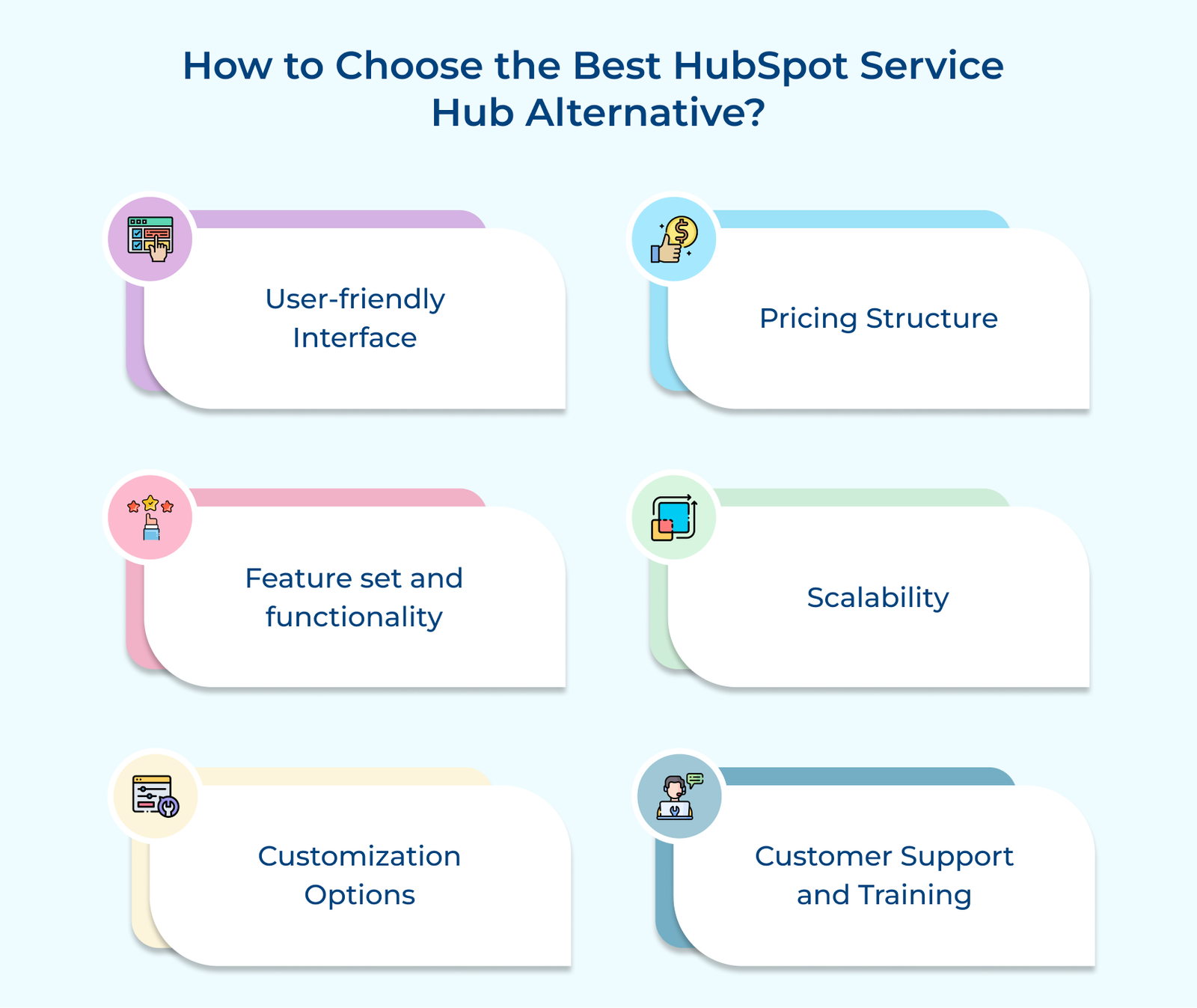
How to Choose the Best HubSpot Service Hub Competitors?

Let us go through the key considerations to help you with essential criteria to select the service platform that will empower the team and elevate your customer service to new heights.

How to Choose the Best Hubspot Service Hub Alternative

1. User-friendly Interface: Look for a platform with an intuitive design that minimizes the learning curve. An organized dashboard and easy navigation are essential for effective daily use. Test the interface through free trials or demos to ensure it aligns with the team’s workflow.

2. Pricing Structure: Compare pricing tiers, included features and user limits. Evaluate if the pricing model aligns with your business needs or budget. Look for hidden costs such as onboarding fees or additional charges for integrations.

3. Feature Set and Functionality: Identify the core features your team requires, such as ticketing systems, knowledge bases and customer feedback tools. Focus on alternatives that provide comprehensive solutions tailored to your specific needs, avoiding unnecessary bloat.

4. Scalability: Choose a platform that can grow with the business. Ensure it can handle increasing customer volumes, expanding team sizes and evolving service requirements. Seek flexible plans that enable seamless upgrades as your needs evolve.

5. Customization Options: Seek alternatives that offer robust customization capabilities. Customizing workflows and creating tailored fields can greatly enhance the team’s efficiency, enabling you to adapt the platform to fit your unique business processes.

6. Customer Support and Training: Evaluate the quality and availability of customer support. Seek providers that offer thorough onboarding, continuous training resources and responsive support channels.

10 Best HubSpot Service Hub Alternatives & Competitors

We’ll explore the 10 best HubSpot Service Hub alternatives and competitors, helping you make an informed decision that enhances the customer service strategy.

1. Veemo Support

Best HubSpot Service Hub alternative to improve customer service

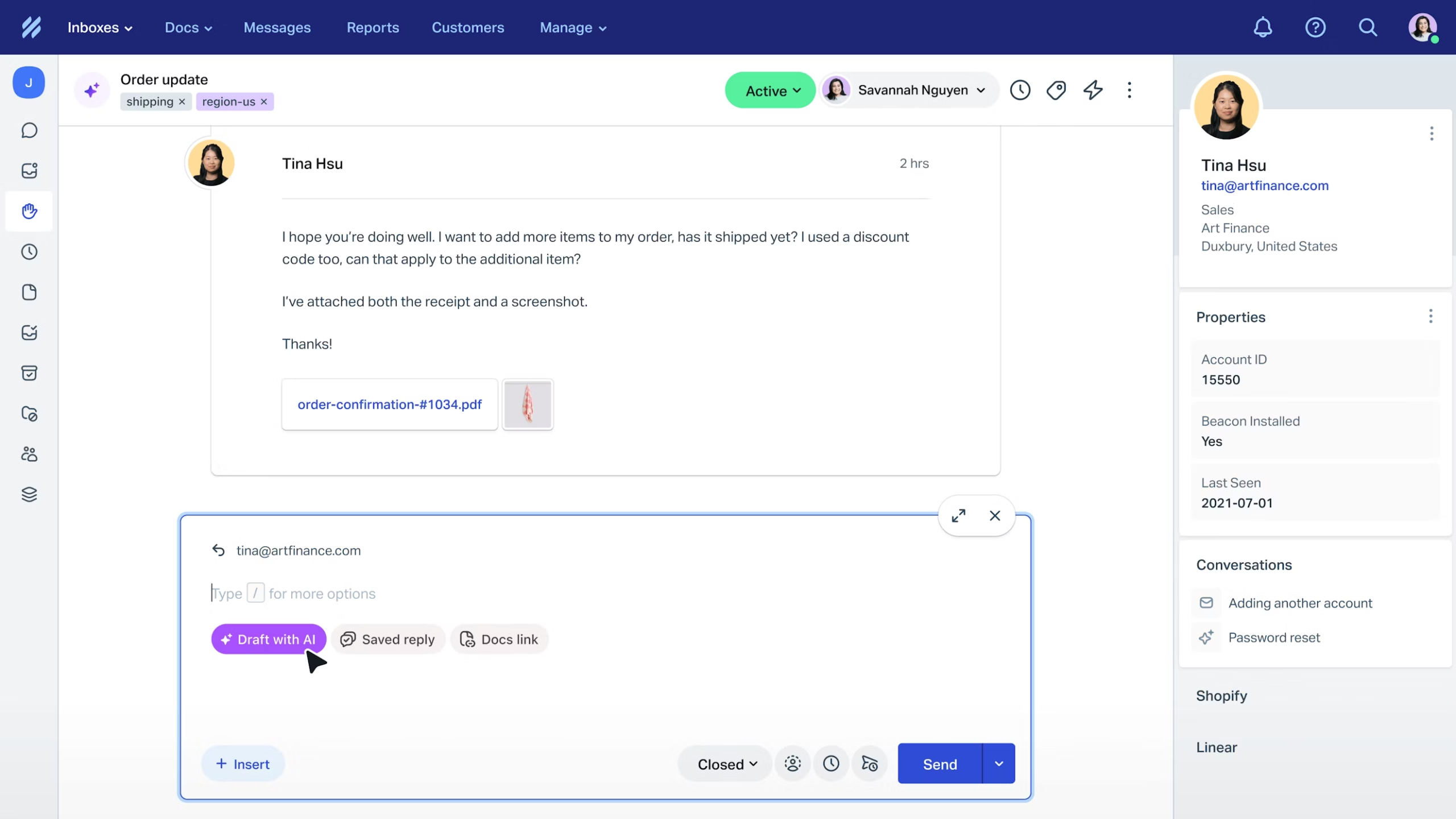
Veemo Dashboard

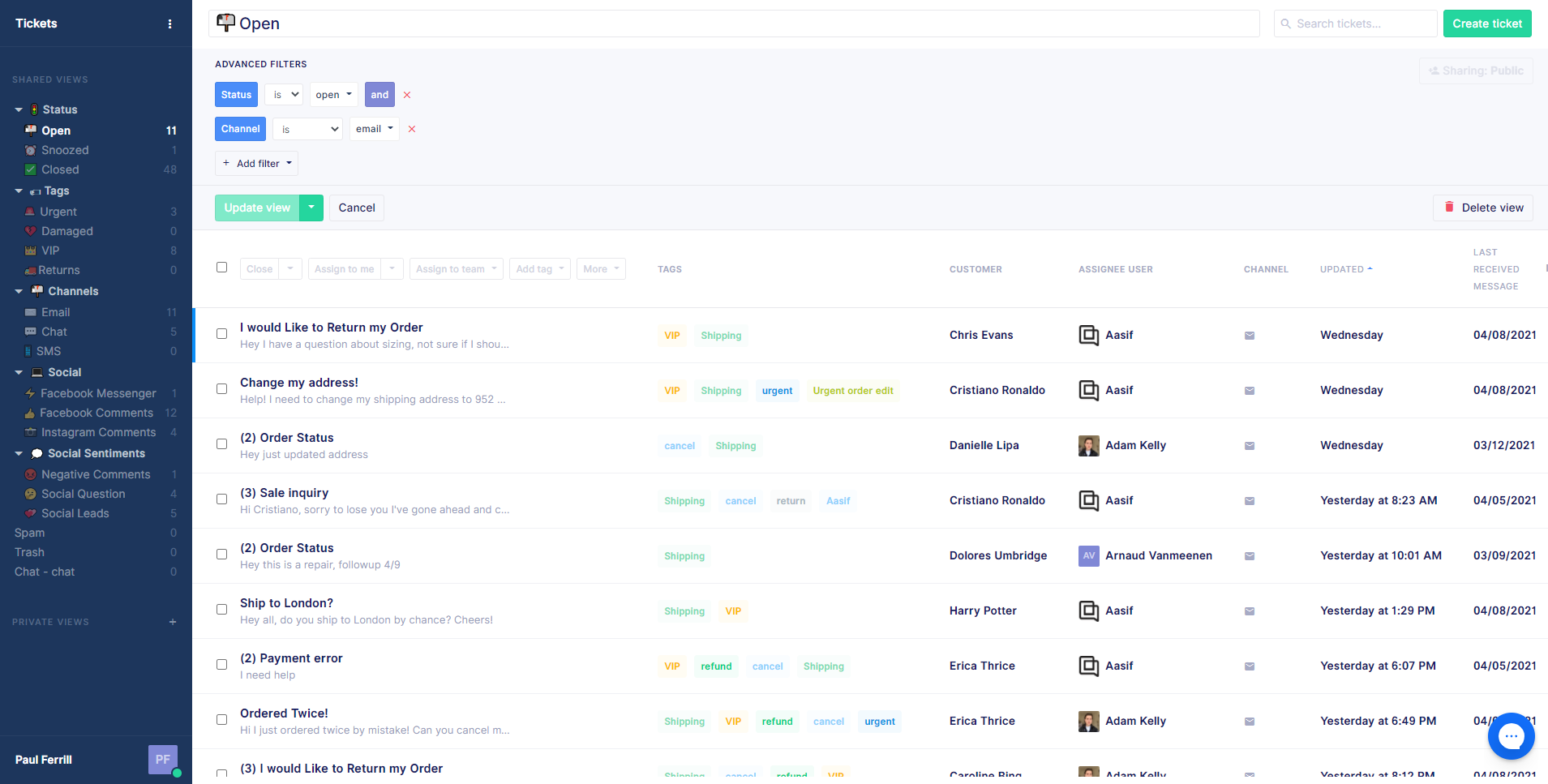
Veemo Support is a cloud-based customer support platform designed to streamline communication for businesses of all sizes. Veemo Support is a part of Veemo’s AI-powered customer engagement suite, designed to help businesses manage sales, marketing, and support operations.

Veemo Support’s AI-powered automation capabilities intelligently route tickets, suggest solutions and provide real-time insights. The smart technology with customizable workflows allows businesses to deliver exceptional customer experiences while maximizing agent productivity.

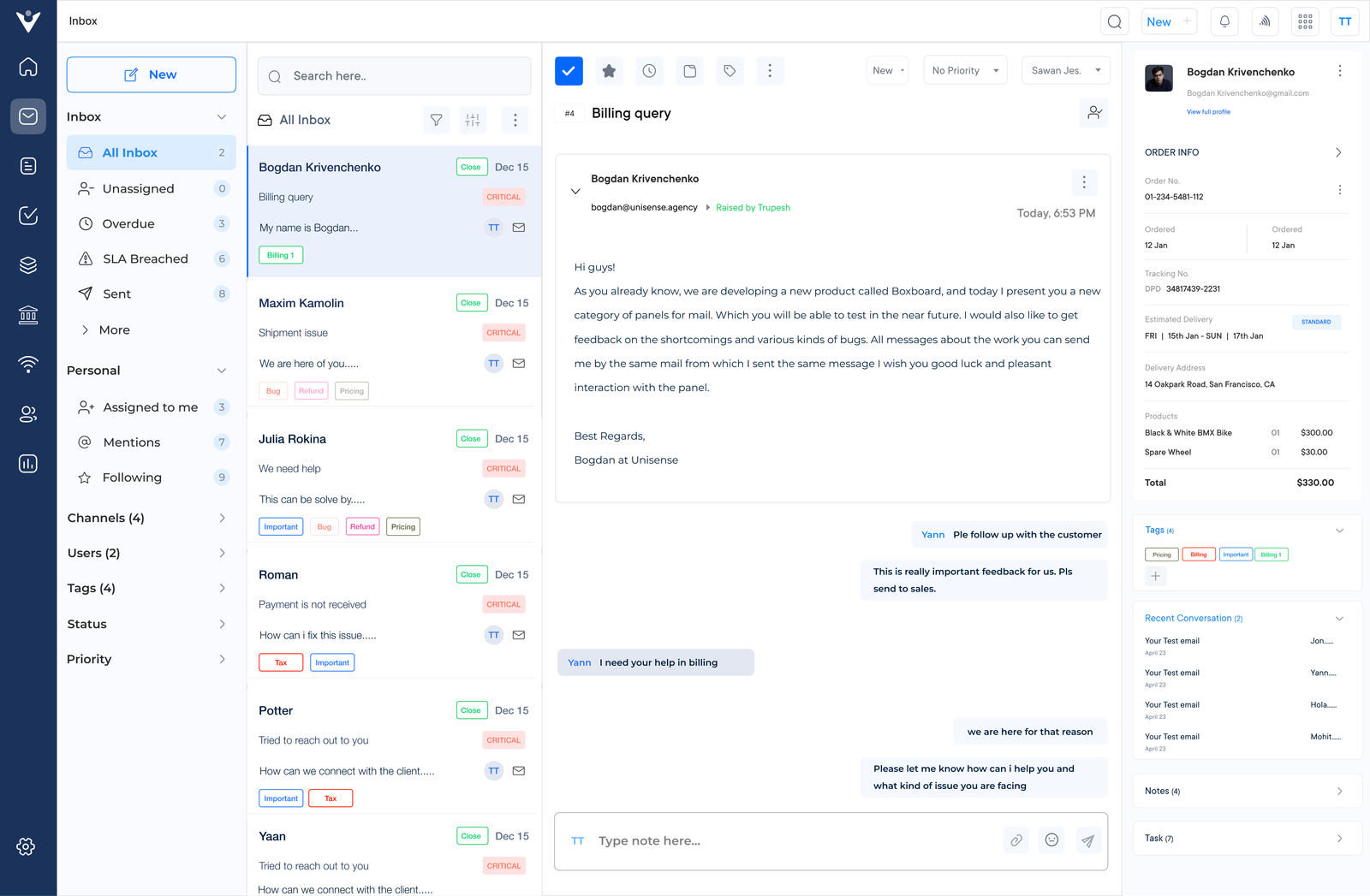
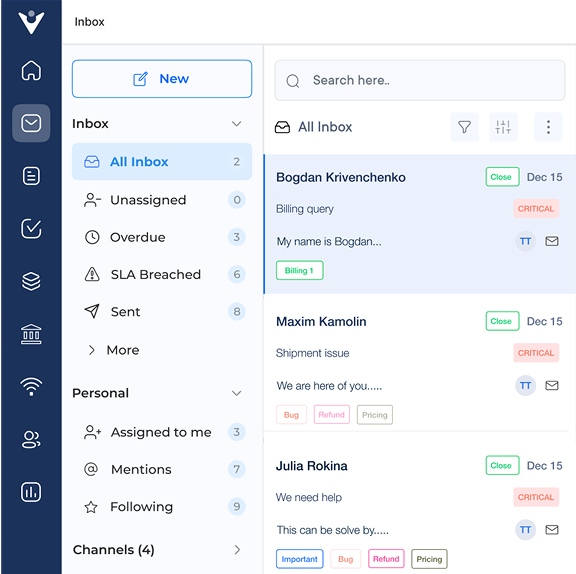
Veemo Support Inbox

Key features:

Team Inbox
A centralized hub where all customer inquiries from various channels are consolidated into one inbox. Support agents ensure that every query is addressed. The inbox typically includes features like ticket assignment, internal notes and status tracking.

Knowledge Base
A self-service repository of articles, FAQs and guides that customers can access to find answers independently. The most effective knowledge bases are searchable, well-categorized and frequently updated to address common issues.

Workflow Rules
Automated processes can revolutionize your support operations by streamlining ticket management. Implementing smart rules ensures that tickets are automatically categorized, prioritized or assigned according to predefined criteria.

Intelligent Routing
An AI-driven feature that directs inquiries to the most suitable agent based on factors like expertise, workload and availability. It improves response times and ensures customers receive the most qualified assistance for their specific issues.

SLA Management and Audit Logs
Businesses can easily maintain consistency in response times and resolution rates. Audit logs provide a comprehensive history of all actions taken on a ticket, enhancing accountability and facilitating performance reviews.

Reporting and Analytics
Comprehensive data analysis tools that offer insights into support team performance, customer satisfaction and common issues. The features often include customizable dashboards, trend analysis and the capability to generate detailed reports.

Pricing: Veemo offers four different plans – The Growth plan consists of 3 inboxes and costs $29. The team plan consists of 10 inboxes and costs $59 while the Enterprise plan is for $129 and consists of unlimited inboxes. Visit Veemo’s pricing page for more details.

2. Omni24

Top HubSpot Service Hub alternative to improve customer experience (CX)

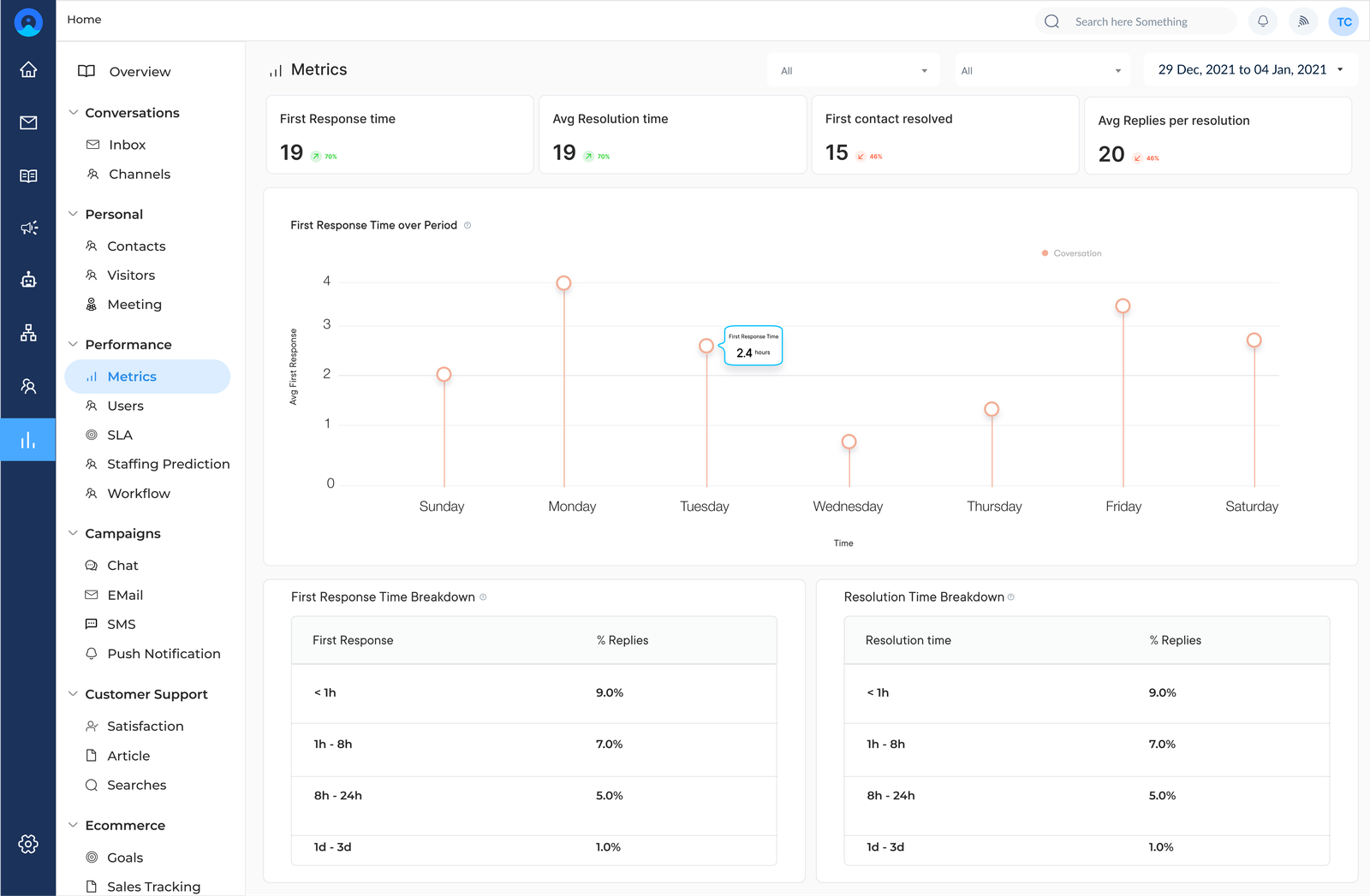
Omni Report Metrics 2

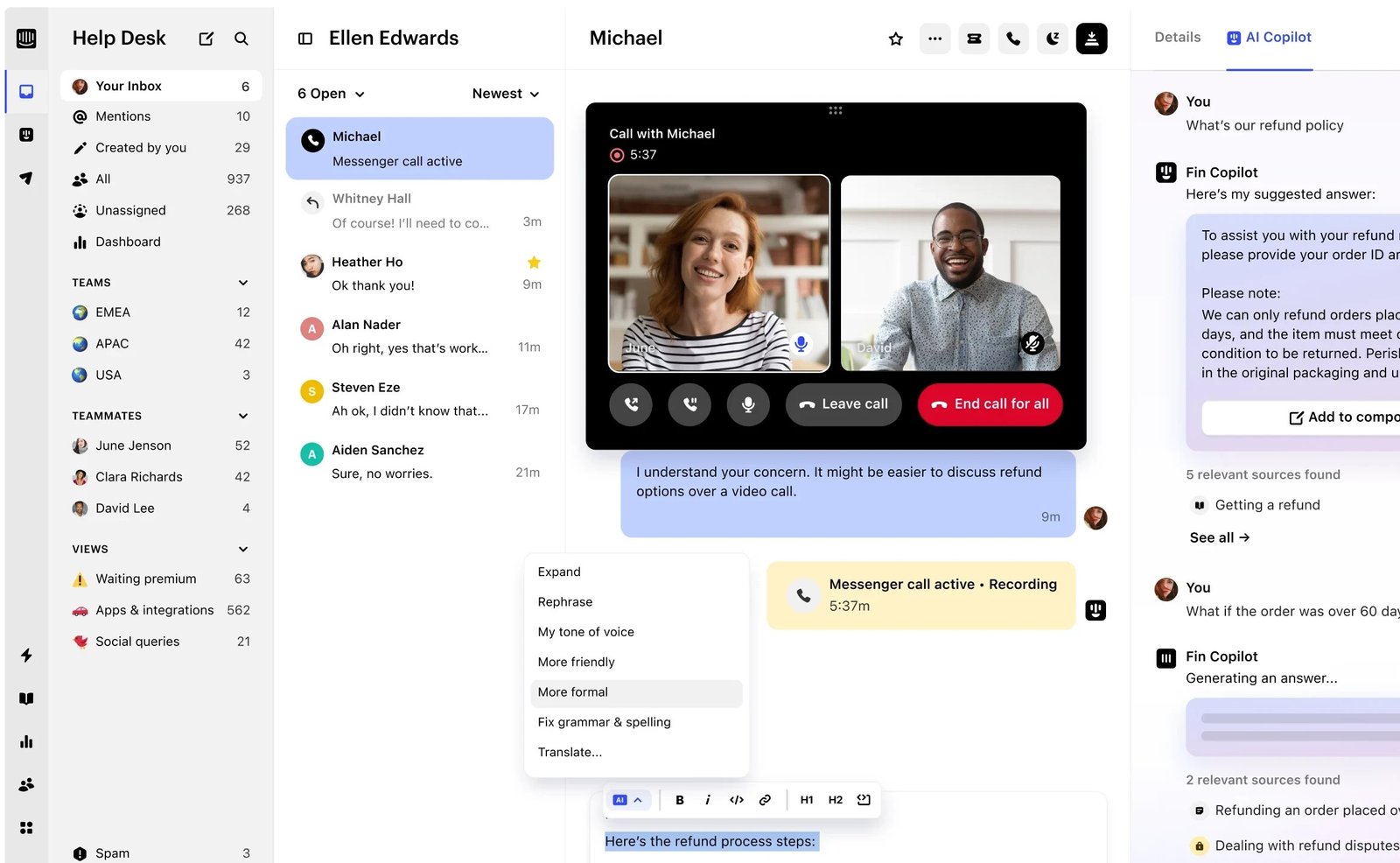
Omni24 is a powerful customer engagement platform that combines support, sales, and marketing in the same interface. It is built for teams who’d rather manage one connected system than stitch several disconnected tools across departments.

HubSpot Service Hub is priced around HubSpot’s broader CRM, which means deeper support features often require higher-tier plans. Omni24 takes a flatter approach where chatbots, routing and a knowledge base come built in, so businesses aren’t paying more just to unlock capabilities that should be standard.

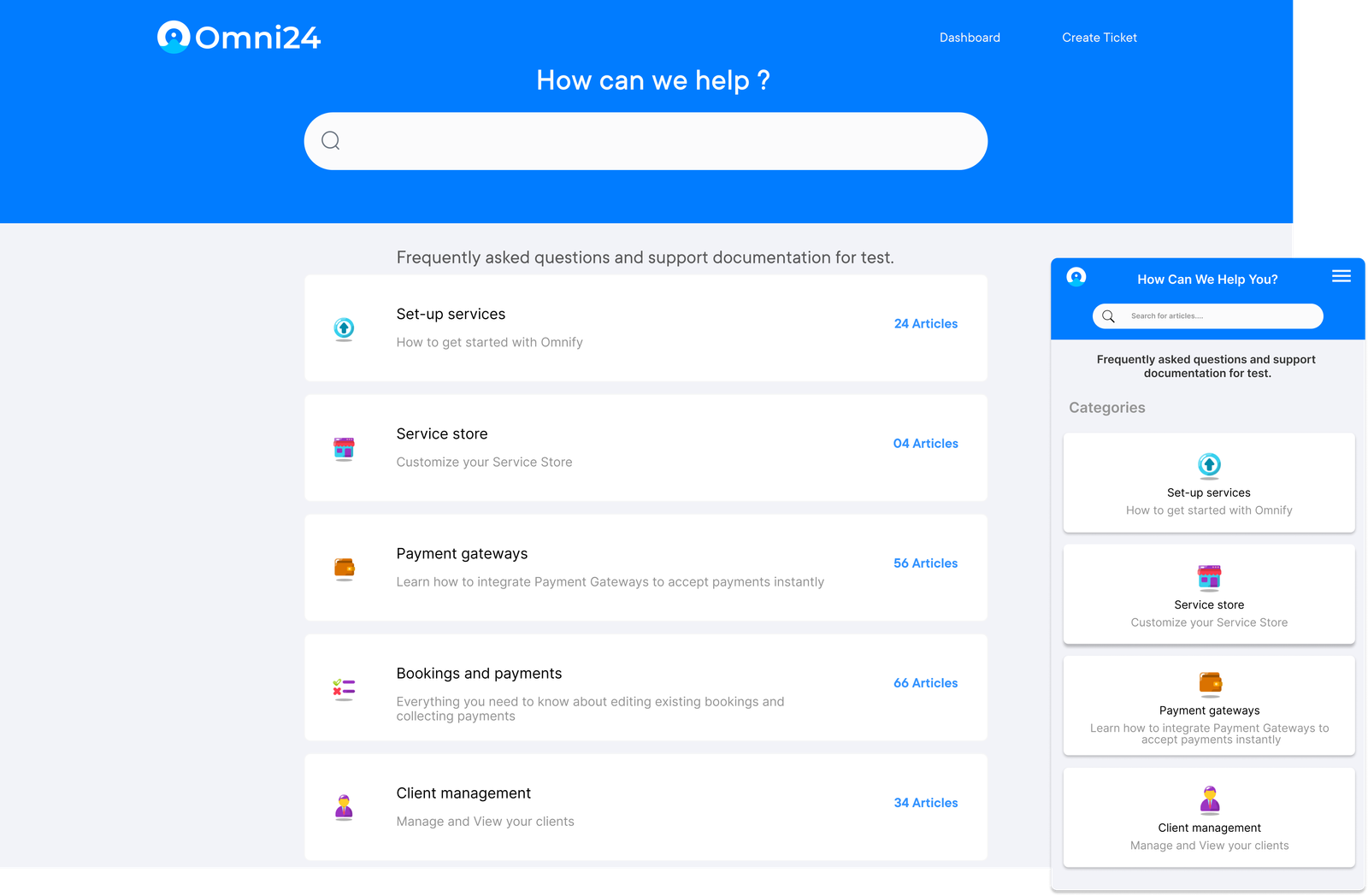
Omni24

Key features:

Omnichannel Inbox: Centralizes customer interactions from various channels (email, social media, phone, chat) into a single interface. Agents can efficiently address all inquiries while maintaining context across channels, ensuring consistent communication.

Knowledge Base: A comprehensive repository of information about products, services and common issues. It enables self-service for customers and equips agents with quick access to accurate information, improving response times.

Workflow Automation: Streamlines repetitive tasks and processes. Automatically directs inquiries to the right agents, sends follow-up messages and triggers actions based on established rules. It increases efficiency and ensures timely responses to customer queries.

Chat Messenger: Provides real-time communication with customers through website or mobile app interfaces. Features may include chatbots for initial triage, live agent takeover and multimedia-sharing capabilities. It enables quick problem resolution and enhances customer engagement.

Feedback Surveys: Businesses can gather customer opinions and measure satisfaction levels. It can be automatically triggered after interactions or sent periodically. The collected data helps pinpoint areas for improvement in products, services and support processes, enhancing customer loyalty.

Pricing: The Standard Plan is priced at $29 per user per month, providing essential features for effective communication and support. More advanced needs are better suited to the Pro Plan, which is available at $149 per user per month, offering additional tools and capabilities. Visit their pricing page for further details.
3. Help Scout

HelpScout

Help Scout is a customer service platform that offers a simpler, more focused alternative to HubSpot Service Hub. The tool provides essential tools for managing customer communications and support efficiently.

Key attributes include a shared inbox, knowledge base and live chat. Help Scout’s unique selling point is its user-friendly interface and emphasis on personal, human-centric support. It integrates well with popular business tools and offers robust reporting capabilities.

4. SupportBee

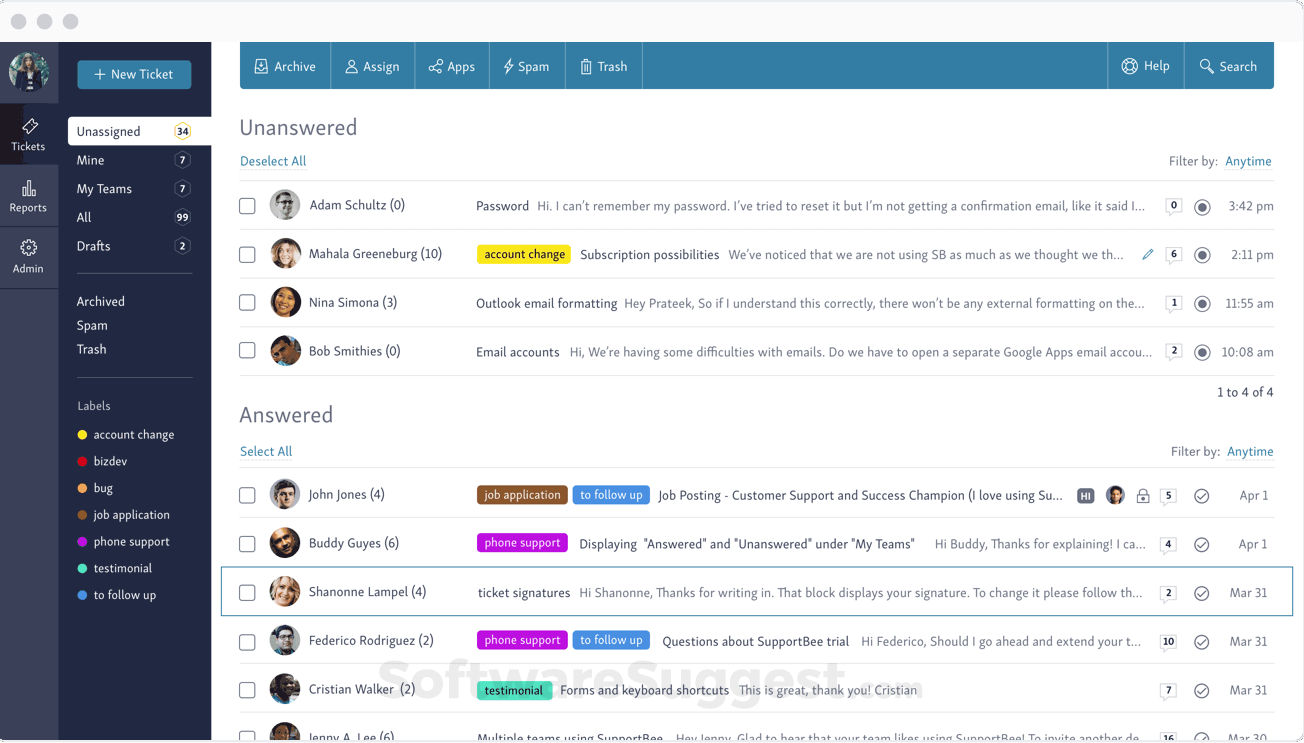
SupportBee

SupportBee is a customer support platform that offers a streamlined alternative to HubSpot Service Hub. It provides a user-friendly interface for managing customer interactions and supports tickets efficiently.

The platform offers shared inboxes, automation tools and customizable workflows. SupportBee’s USP is its simplicity and focus on core support functions, making it ideal for small to medium-sized businesses seeking a less complex solution.

5. Zendesk Support

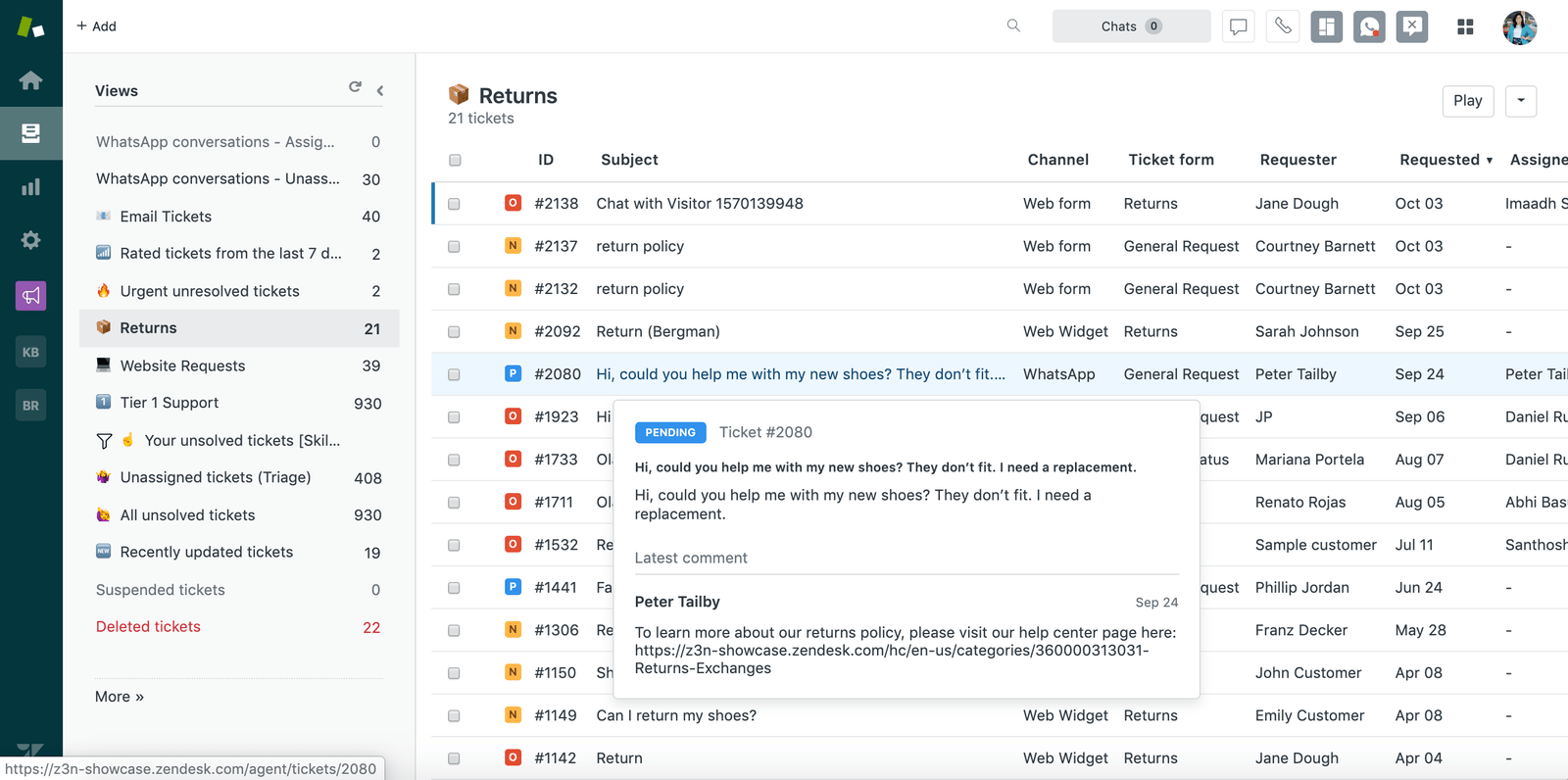
Zendesk Support

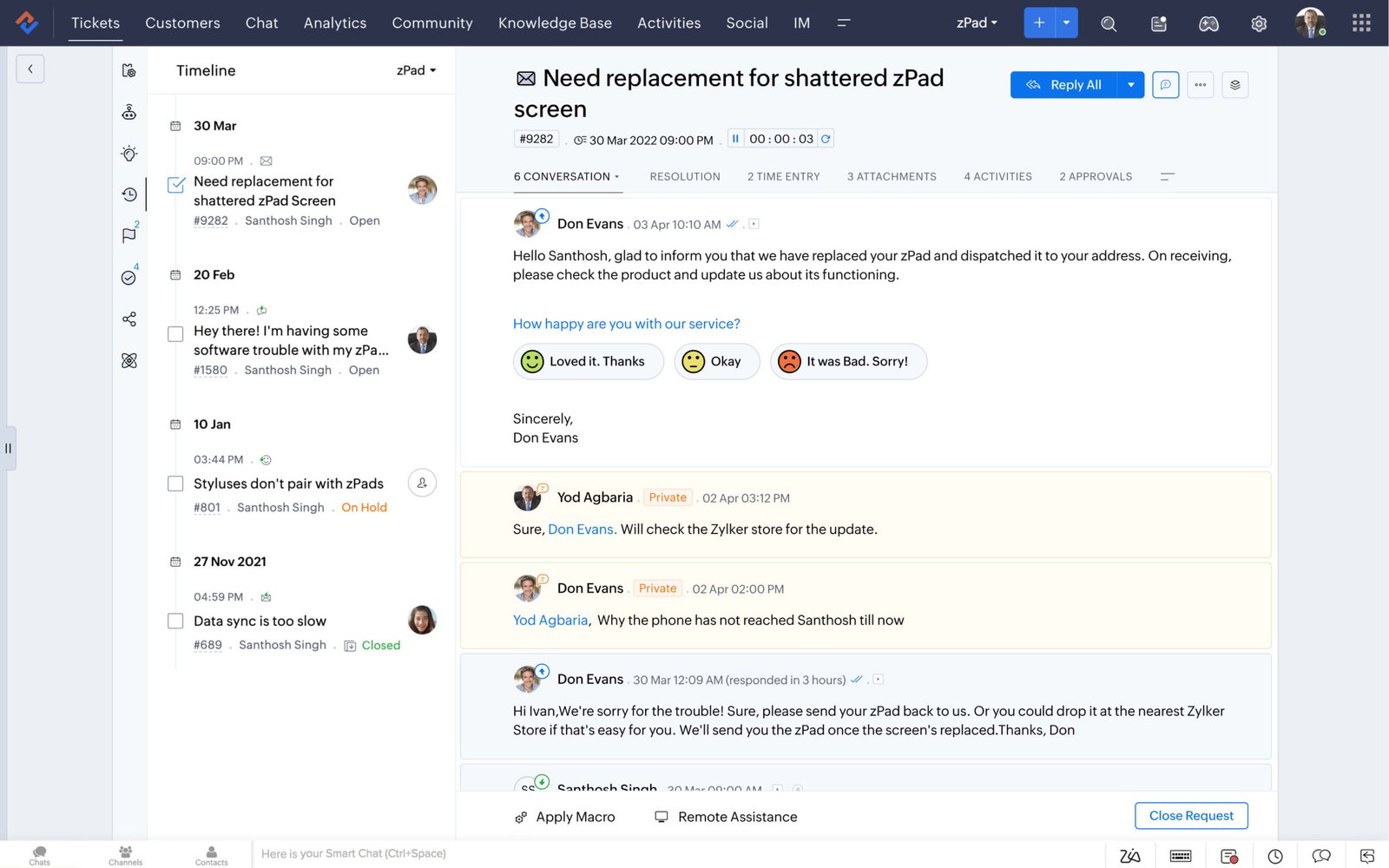
Zendesk Support is a cloud-based customer service platform that centralizes customer interactions across multiple channels. Businesses are enabled to efficiently manage and resolve customer inquiries through a unified interface, improving response times.

Zendesk Support consists of customizable ticket views, automated workflows and detailed analytics. The unique selling point is its seamless integration with other business tools and its ability to scale with growing companies, making it suitable for businesses of all sizes.

6. LiveAgent

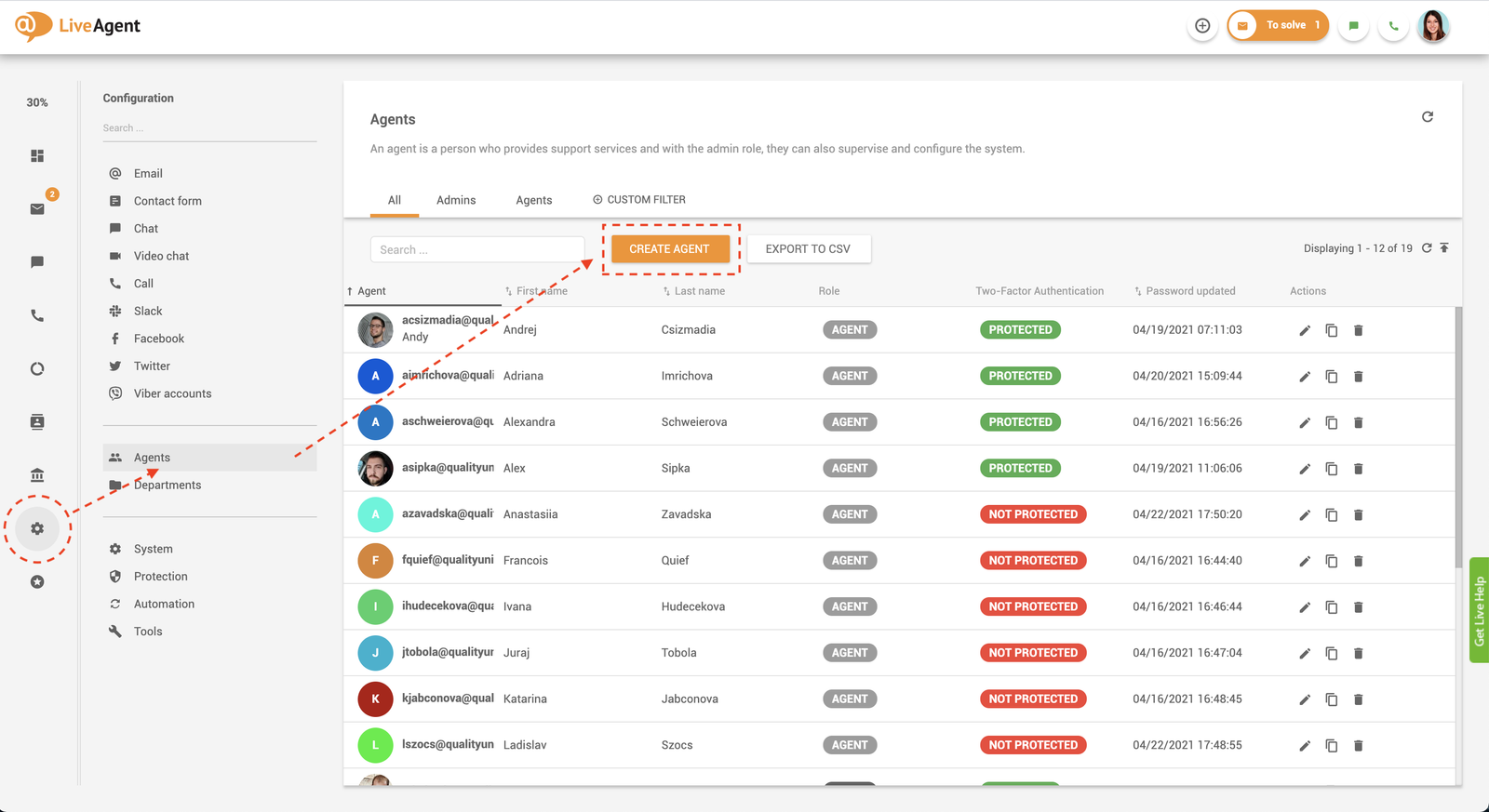
live Agent

LiveAgent is an AI-powered customer support software that offers a viable alternative to HubSpot Service Hub. It provides a unified platform for managing customer interactions across multiple channels, including email, live chat, social media and phone support.

The primary abilities of LiveAgent include a universal inbox, customizable ticketing system, robust automation tools and detailed analytics. Its USP is the seamless integration of live chat and help desk functionalities, offering a more streamlined experience compared to HubSpot Service Hub.

7. Gorgias

Gorgias

Gorgias is a customer service platform designed specifically for e-commerce businesses, offering a compelling alternative to HubSpot Service Hub. The platform centralizes customer interactions across various channels, including email, social media and live chat, into a single dashboard.

Key features of Gorgias include AI-powered automation, custom macros for quick responses and seamless integration with popular e-commerce platforms. Its unique selling point is its focus on e-commerce, providing order management and revenue statistics directly within the help desk interface. Read more: A breakdown of best Gorgias alternatives worth considering.

8. Intercom

Intercom

Intercom is a well-known customer communication platform that centralizes customer interactions across various channels. It includes live chat, email and social media, providing businesses with a unified interface to manage customer support.

The platform offers its AI-powered chatbot, customizable messaging campaigns and detailed customer data insights. Its USP lies in its ability to seamlessly blend marketing, sales and support functions, allowing for more personalized customer interactions throughout the entire lifecycle.

9. Zoho Desk

Zoho Desk

Zoho Desk is a powerful customer support software designed to streamline and enhance customer service operations. The cloud-based platform offers a comprehensive suite of tools to manage support tickets, automate workflows and improve customer satisfaction. The tool serves businesses of all sizes, offering a centralized hub for customer interactions across various channels.

Zoho Desk consists of multi-channel support, AI-powered assistance, customizable self-service portals and advanced analytics. The unique selling point is its seamless integration with other Zoho products, creating a unified ecosystem for businesses. It also offers industry-specific solutions, adapting to diverse business needs and enhancing its versatility. Explore here: Top Zoho Desk competitors and how they stack up.

10. Front

Front

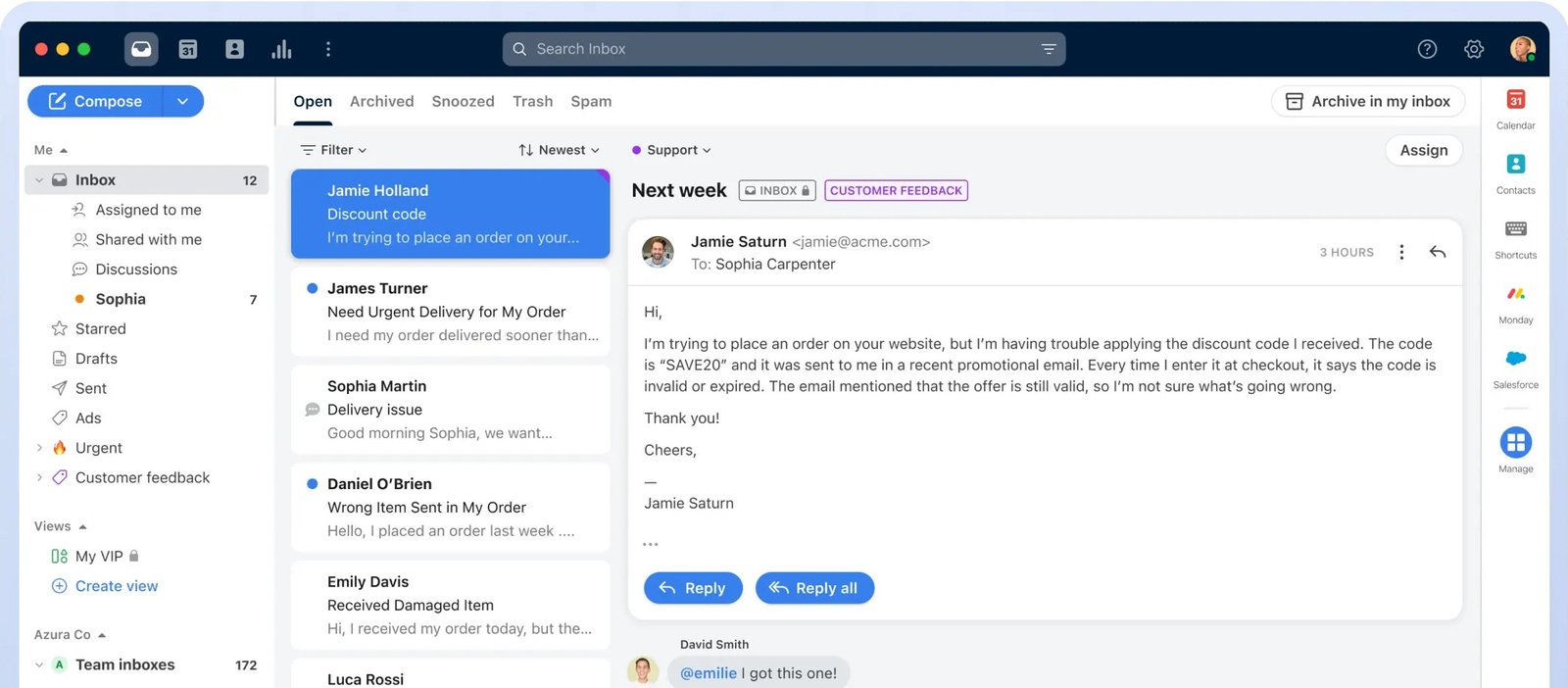
Front is a customer support software that reimagines email as a collaborative platform for teams. It unifies various communication channels into a single inbox, enabling seamless customer interactions and internal team collaboration.

Key attributes of Front include shared inboxes, automated workflows and advanced analytics. The unique selling point is the ability to turn email into a powerful teamwork tool, allowing multiple team members to work on the same conversation simultaneously. Front also offers integrations with popular business tools, enhancing productivity and streamlining workflows. Explore this overview of notable Front competitors.

Evaluating the Best HubSpot Service Hub Alternative for Support

Businesses seeking HubSpot Service Hub alternatives should prioritize features that align with their support needs. Some of the key considerations include scalability, integration capabilities, customization options and cost-effectiveness. The ideal solution should provide a strong ticketing system, knowledge base capabilities and automation tools to optimize support processes.

Veemo Support is an alternative, offering a suite of features tailored to diverse support needs. Businesses can provide personalized customer service using its ticketing system, customizable knowledge base and advanced automation tools.

FAQs about HubSpot Service Hub Competitors & Alternatives

Teams that are still not using HubSpot’s CRM often find standalone platforms such as Veemo Support or Freshdesk a better fit than Service Hub. These tools focus purely on customer service without adoption of HubSpot’s broader suite.

  • Avoids paying for bundled CRM and marketing tools
  • Integrates flexibly with your existing tech stack
  • Focuses on support-specific functionality
  • Often more cost-effective for standalone support needs

Veemo Support is a popular alternative, known for its robust ticketing system and extensive customization options. It offers a wider range of integrations and is often preferred by larger enterprises. Veemo Support is easier to set up and offers cost-effective options for smaller businesses.

Pricing structures for alternatives depend significantly, ranging from free plans to tiered pricing for advanced features. The flexibility allows businesses of any size to find a plan that matches budget and support needs. 

  • Includes free tiers suited for smaller teams
  • Offers tiered plans as feature needs grow
  • Scales pricing alongside automation and channel support
  • Accommodates businesses of nearly any size or budget

While HubSpot provides robust omnichannel capabilities, alternatives like Veemo Support excel in offering seamless integration across various channels—email, social media, live chat and phone. The flexibility allows teams to deliver consistent and personalized customer interactions, no matter which platform customers choose to use.

Yes, most HubSpot Service Hub support advanced integrations with CRM systems, eCommerce platforms and other existing business tools. For example Salesforce Service Cloud facilitates seamless data synchronization to keep customer service aligned with business strategy. 

  • Enables seamless data synchronization across systems
  • Salesforce Service Cloud offers particularly strong CRM alignment
  • Keeps customer service data-driven and strategy-aligned
  • Reduces silos between support and other departments