1. Seamless Digital Onboarding and Integration Processes
Digital onboarding is the critical first interaction between a B2B vendor and a new client. A streamlined onboarding process reduces time-to-value, minimizes friction and sets the stage for long-term success.
Automated workflow wizards guide clients through configuration steps, while platforms like Salesforce and HubSpot offer intuitive setups tailored to business needs. Interactive training modules provide on-demand resources and real-time progress tracking keeps all stakeholders informed, helping to avoid bottlenecks.
Pro tips:
- Hold brief daily stand-ups with the client’s team for quick resolution of questions.
- Create a shared digital workspace for clients to track progress and access resources.
2. Proactive Account Management and Advisory Services
Proactive account management turns vendor-client relationships into strategic partnerships by anticipating client needs and offering guidance before issues arise. The approach positions the vendor as a trusted advisor rather than just a service provider.
Regular business reviews help assess performance and align on strategic goals. Adobe’s Enterprise Account Management program, for instance, includes quarterly reviews and strategic sessions that uncover growth opportunities. Strategic roadmaps ensure both parties are aligned on future objectives, with account managers adapting strategies that meet evolving business needs.
Actionable tips:
- Host monthly “innovation sessions” with clients to explore industry trends and growth opportunities.
- Create customized success metrics dashboards to track progress against client goals.
3. Knowledge Sharing and Industry Practices
Knowledge-sharing platforms empower B2B clients with valuable insights and best practices, transforming standard support into a comprehensive learning ecosystem. The platforms help clients maximize their investment by offering customized resource libraries based on industry and use cases
HubSpot Academy is a prime example, providing industry-specific certifications and learning paths. Their peer networking communities enhance valuable exchanges, while regular reports and expert webinars offer market insights to inform strategic decisions. The proactive approach strengthens client relationships and ensures they remain competitive.
Best practices:
- Host monthly expert roundtables for top clients to share success stories.
- Organize your resource library like a university curriculum with basic to advanced learning paths.
4. Collecting and Acting on Feedback to Improve Services
A strong feedback system is essential for continuous service improvement in B2B relationships. Organizations can adapt their offerings and demonstrate a commitment to client success by analyzing client input.
An effective tracking system closes the feedback loop by showing clients how their input leads to tangible improvements, enhancing trust and encouraging ongoing engagement. Regular updates keep clients informed on how their suggestions are shaping service enhancements.
Pro tips:
- Establish a quarterly client advisory board to review feedback themes and solutions.
- Create a public feedback implementation roadmap to allow clients to track progress on suggested improvements.
5. Dedicated Technical Support and Problem Resolution
B2B technical support requires a sophisticated, proactive approach that goes beyond standard helpdesk services. A robust support system combines rapid response with continuous monitoring to minimize disruptions and ensure smooth operation for enterprise clients.
24/7 specialized support ensures that technical issues are handled by experts familiar with both the technology and the client’s business context. Major cloud service providers, for instance, offer dedicated support teams with expertise in specific industry verticals and technical domains.
Key takeaways:
- Create a VIP support channel for urgent, mission-critical issues.
- Establish a “tech buddy” system where clients have direct access to a designated expert.
6. Mapping the Customer Journey to Identify Pain Points
Journey mapping in B2B reveals the intricate interactions among multiple stakeholders over extended periods. The strategic process helps organizations optimize every touchpoint from initial contact to long-term partnership.
Organizations gain insights into how various roles within client companies experience their services by analyzing each interaction from different perspectives. Cross-functional workshops unite sales, support, implementation and account management teams to identify areas for improvement.
Pro tips:
- Shadow key client stakeholders to understand their journey firsthand.
- Create interactive journey maps that clients can update in real time.
7. Data-Driven Insights and Performance Reporting
Data-driven insights turn raw metrics into actionable intelligence in modern B2B businesses. Organizations need advanced analytics tools to help clients understand performance patterns and uncover opportunities.
Customizable dashboards empower clients to focus on their most important KPIs, with intuitive visualization tools and advanced filtering capabilities. Predictive modeling takes reporting a step further, providing forward-looking insights to help clients anticipate trends and make proactive decisions. ROI tracking connects metrics to business value, demonstrating the tangible impact of investments.
Actionable tips:
- Hold quarterly “data deep-dive” sessions to explore trends and opportunities.
- Create a peer benchmarking program for clients to anonymously compare their performance.
8. Supply Chain Optimization and Management
Supply chain optimization is crucial in B2B relationships, where efficient inventory management and timely delivery are key to business success. Modern solutions integrate real-time monitoring, advanced analytics and predictive tools to prevent disruptions.
Real-time inventory tracking offers visibility into stock levels, movement patterns and supply chain health. The systems automatically monitor inventory across multiple locations and generate instant alerts when stock reaches predetermined thresholds. The automation extends to reordering processes where smart algorithms analyze historical data and seasonal trends.
Actionable tips:
- Conduct monthly supply chain health reviews to assess operational metrics and emerging risks.
- Launch a supplier diversity program to ensure backup vendors for critical components, with ongoing performance monitoring.
9. Collaborative Product Development and Feedback
Collaborative product development turns vendor-client relationships into true innovation partnerships, leveraging clients’ insights to create more relevant solutions. Involving clients early in the development process strengthens bonds and ensures better alignment with market needs.
Beta testing programs give select clients early access to new features, allowing them to provide feedback, report bugs and suggest improvements. Feature request management systems prioritize client input, while co-creation workshops bring clients and development teams together to brainstorm solutions.
Pro tips:
- Hold quarterly innovation sprints to focus on top-client-requested features.
- Launch a “Product Champions” program, offering influential clients exclusive access to product teams.
Digital Tools Enhancing B2B Customer Experience
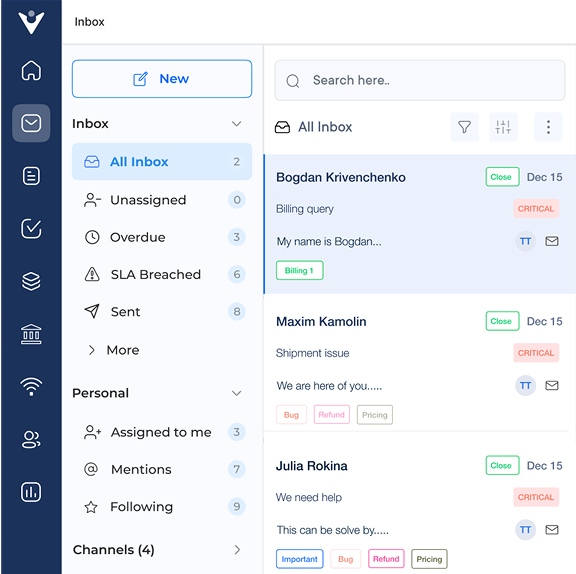
Below are the digital tools transforming the B2B customer experience, empowering businesses to streamline processes and deliver seamless interactions that drive long-term success.