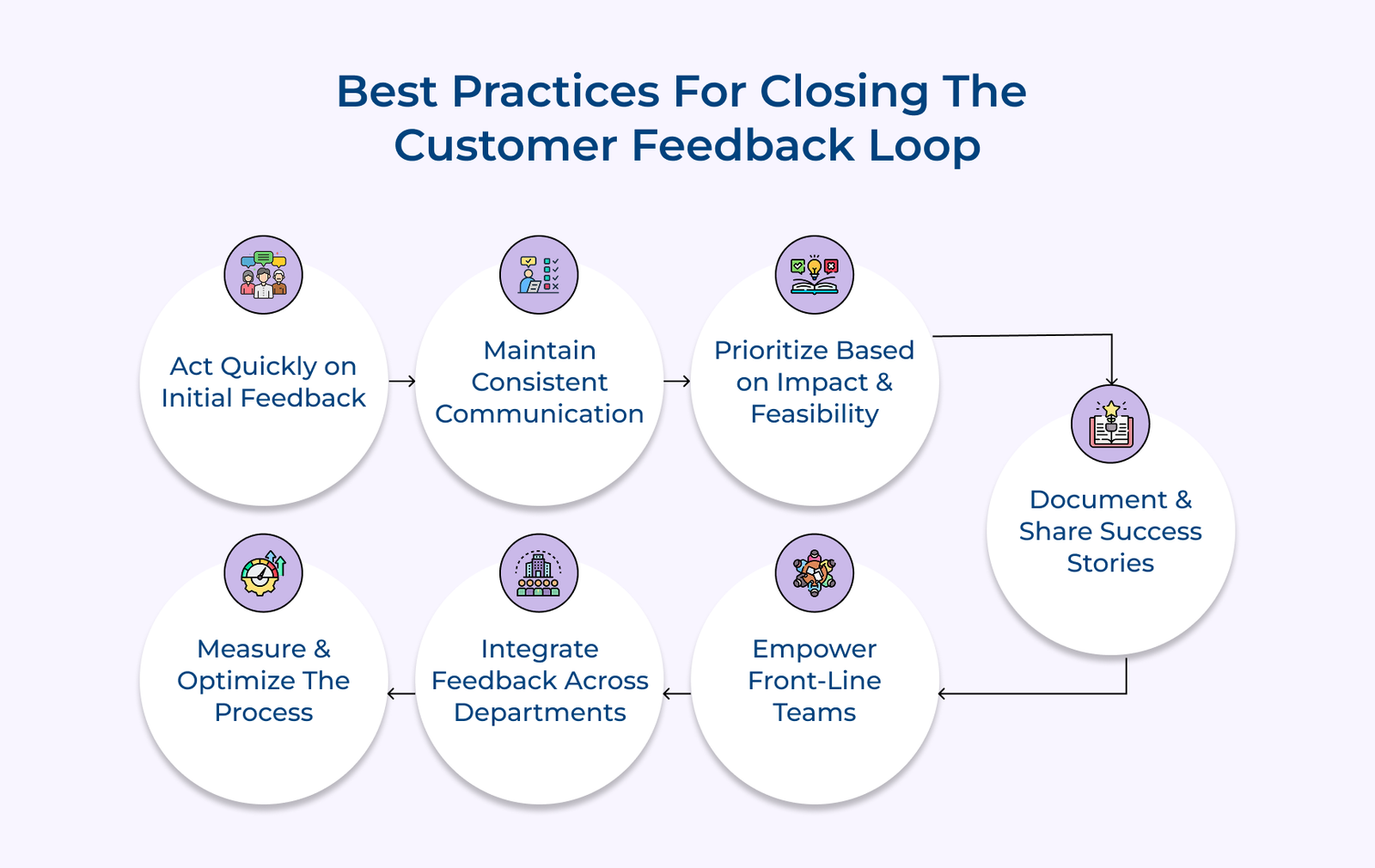
Act Quickly on Initial Feedback
Start by sending an automatic reply to let customers know their feedback was received, then follow up with a personal response within 24 hours. Be clear about when they can expect a full update. Quick, honest replies show respect for their time and help build trust.
Maintain Consistent Communication
Keep customers in the loop throughout the resolution process. Even if solving the issue takes time, share regular updates. Let them know what’s being done and why. Honest communication shows their feedback matters and helps keep trust intact.
Prioritize Based on Impact and Feasibility
Look at feedback through two lenses: how much it matters to customers and how realistic it is to act on. Start with quick wins that make a noticeable difference. Set up a simple, transparent way to prioritize feedback that respects both customer needs and business limits. It keeps improvements focused and practical.
Document and Share Success Stories
When feedback drives change, let people know. Follow up with those who shared the feedback and share the story more widely. Show exactly how their input led to real improvements. It not only gives credit where it’s due but it also encourages others to speak up.
Empower Front-Line Teams
Let customer-facing teams handle common feedback directly within clear limits. Give them the tools and guidance they need to respond quickly. Make sure there’s an easy path to escalate for bigger issues. It helps solve problems faster and keeps customers satisfied.
Integrate Feedback Across Departments
Make sure feedback gets to the right teams- not just support but also product, operations and leadership. Set up simple ways to share insights across departments so they can shape product updates, process improvements and long-term planning. It helps turn customer input into real change.
Measure and Optimize the Process
Check in regularly on how well your feedback progress is working. Track things like how fast you respond, how often issues get resolved and how satisfied customers are with the follow-up. Ask for feedback on the process itself and use that to make it better. Small, steady improvements go a long way.
Examples of Closed Feedback Loop
Below are some real-life examples of how different brands have implemented closed feedback loop systems to improve their customer experience.
Apple Retail Stores
Apple uses closed-loop feedback by reaching out to customers after purchases or service visits. Each store visit triggers a short survey about the experience. Store managers review the feedback daily and personally follow up with anyone who had a negative experience–listening, addressing concerns and offering solutions.
The hands-on approach has helped Apple improve its retail experience. Feedback is used to adjust staff training, fine-tune store layouts and improve how products are presented. The direct follow-up with dissatisfied customers often transforms critics into loyal brand advocates.
Uber
Uber’s feedback system runs in real-time through the app. After every trip, both riders and drivers rate each other and can leave specific comments. The system flags serious issues right away and sends them to the right team for follow-up.
The setup helps Uber quickly spot safety concerns and take action. It also gives the company a steady stream of input to improve driver training, helping to keep the ride experience consistent across different cities and countries.
Marriott Hotels
Marriott collects feedback through multiple channels during and after guest stays. They use AI to scan comments for urgent issues and flag them for quick action. Staff can respond in real-time through the mobile app, often while the guest is still on the property.
Marriott improves the guest experience by resolving problems before checkout and following up after the stay. The approach has helped increase satisfaction, loyalty and repeat visits.
Amazon
Amazon uses customer reviews and support interactions to close the feedback loop. Automated systems sort and send feedback to the right teams, whether it’s about a product, delivery or seller. Reviews also impact inventory decisions and seller ratings.
Amazon keeps its marketplace running smoothly and earns customer trust by acting quickly on negative feedback. The steady flow of input helps them fine-tune both products and services at scale.
Delta Airlines
Delta collects feedback in real time through its app and post-flight surveys. They focus on responding to negative experiences within 24 hours and give front-line staff the authority to resolve issues on the spot. Feedback is used to guide service updates and policy changes.
Delta has improved service reliability and strengthened relationships with frequent flyers by acting consistently on customer input. The approach has helped them stand out in a highly competitive industry.
Elevate CX With Closed Loop Customer Feedback
Implementing a closed-loop customer feedback system changes the way businesses listen to and respond to their customers. It’s not just about collecting comments—it’s about creating a consistent cycle where feedback leads to real improvements. Companies strengthen relationships and build a foundation for long-term growth by acting on what customers share.
What makes the approach powerful is the trust it builds. When customers see their input taken seriously and see real changes happen because of it, they’re more likely to stay loyal and even recommend the brand to others. It’s a practical way to stay in tune with customer needs and keep improving.
Key takeaways:
- A strong closed-loop feedback system relies on clear communication, transparency and quick action across all parts of the business.
- Success comes from combining the right tools, smart processes and teams that are empowered to act.
- Done well, closed-loop feedback creates a cycle: better experience leads to more engaged customers who provide even more useful feedback.