A Detailed Guide on B2C Customer Experience in 2026
Explore the key strategies to enhance the B2C customer experience. It covers personalization, omnichannel engagement, customer feedback and technology use to drive long-term business growth.
Explore the key strategies to enhance the B2C customer experience. It covers personalization, omnichannel engagement, customer feedback and technology use to drive long-term business growth.
Delivering a good customer experience isn’t easy anymore. People expect quick, personal and effortless interactions no matter how they reach you. When that doesn’t happen, they move on, often to a competitor who does it better. 43% of consumers would pay more for greater convenience, 42% would pay more for a friendly, welcoming experience.
The good news? Turning customer experience into your advantage is possible. It starts with understanding what your customers actually need and building systems that meet those needs consistently. Below, we will be going through the practical ways to strengthen your B2C customer experience. You’ll learn how to use data to personalize interactions, make service smoother with the right tools, and build moments that keep people coming back.
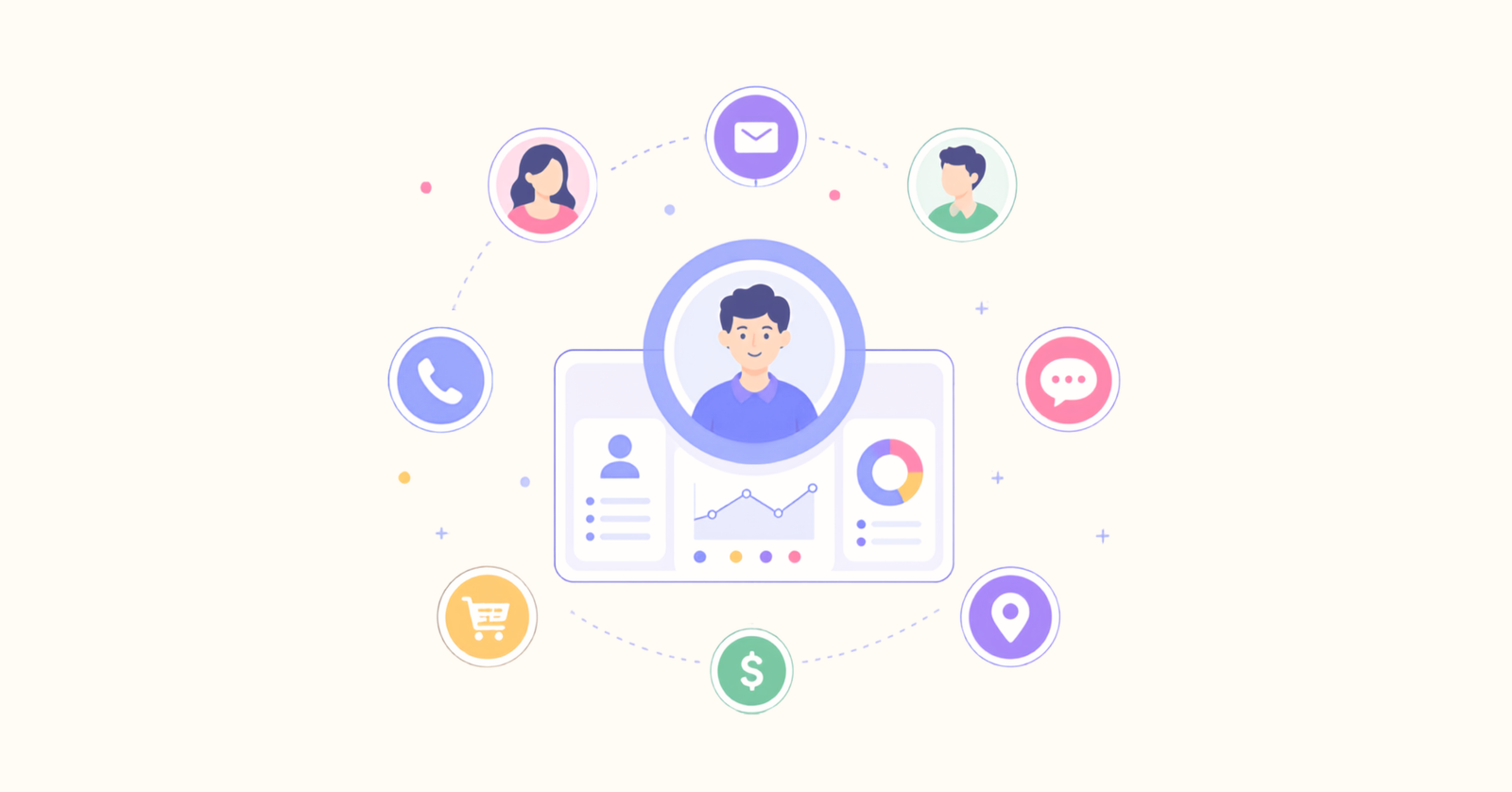
B2C customer experience refers to the full journey a consumer has with a brand, from first hearing about it to getting support after a purchase. It includes every step, interaction and impression that shapes how people feel about a company’s products or services in the direct-to-consumer market.
The experience plays out across many connected channels. A customer might discover a brand on social media, check out its website, read reviews and chat with a support bot. Then comes the purchase – navigating the checkout and payment process, followed by tracking delivery, using the product or possibly reaching out for help. Each moment, big or small, contributes to the customer’s overall view of the brand.
Key principles:
Let’s go through the key components that can elevate your customer experience strategy and help you forge lasting connections with your audience.
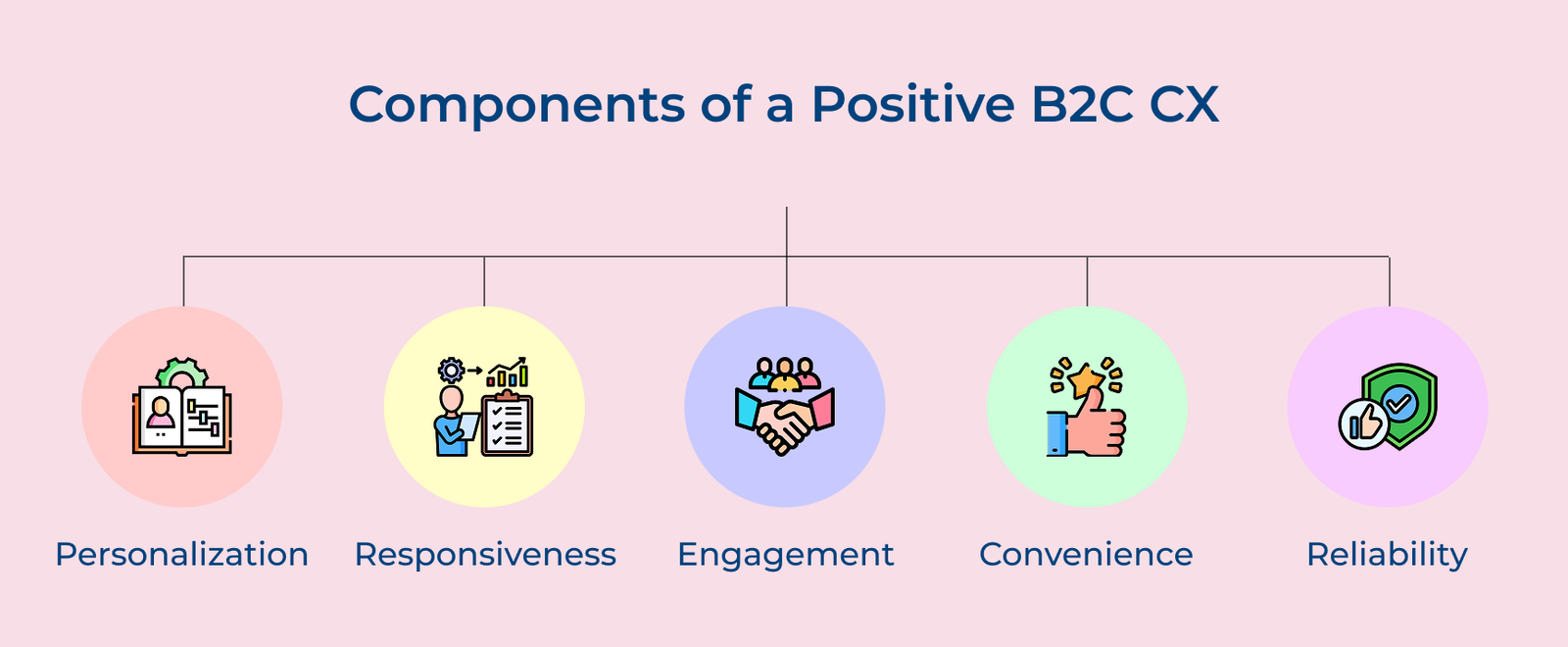
Customers expect businesses to recognize them, not just as buyers, but as individuals. It means using what you know about their preferences to offer relevant products, send timely messages and speak to them in a way that feels personal. 96% of businesses agree that personalization is key to providing high-quality digital customer experiences.
When customers reach out with a question or problem, they want answers fast. Being responsive means offering help across multiple channels, like phone, email, chat and social media, with consistently fast response times. It also means giving support teams the tools and freedom they need to solve problems right away, without passing customers around or making them wait.
Good customer relationships don’t end at checkout. Staying in touch through honest, two-way communication helps build trust. It could mean asking for feedback, sharing useful content, replying to comments on social media or inviting people to events. The goal is to make customers feel like part of something, not just a sale.
People won’t stick around if it’s hard to do business with you. Everything from your website layout to your checkout process should be easy to use. Let customers pay how they want, find what they need quickly, and get help when they need it. Make sure your site works well on phones, too as more people shop there than ever before.
People trust companies that do what they say they will. It means delivering on time, keeping your systems running and providing consistent service. It also means being upfront about pricing, having clear return policies and not making promises you can’t keep. When customers know they can count on you, they’re more likely to come back.
Below are the key reasons why investing in a good B2C customer experience is essential for long-term business success.
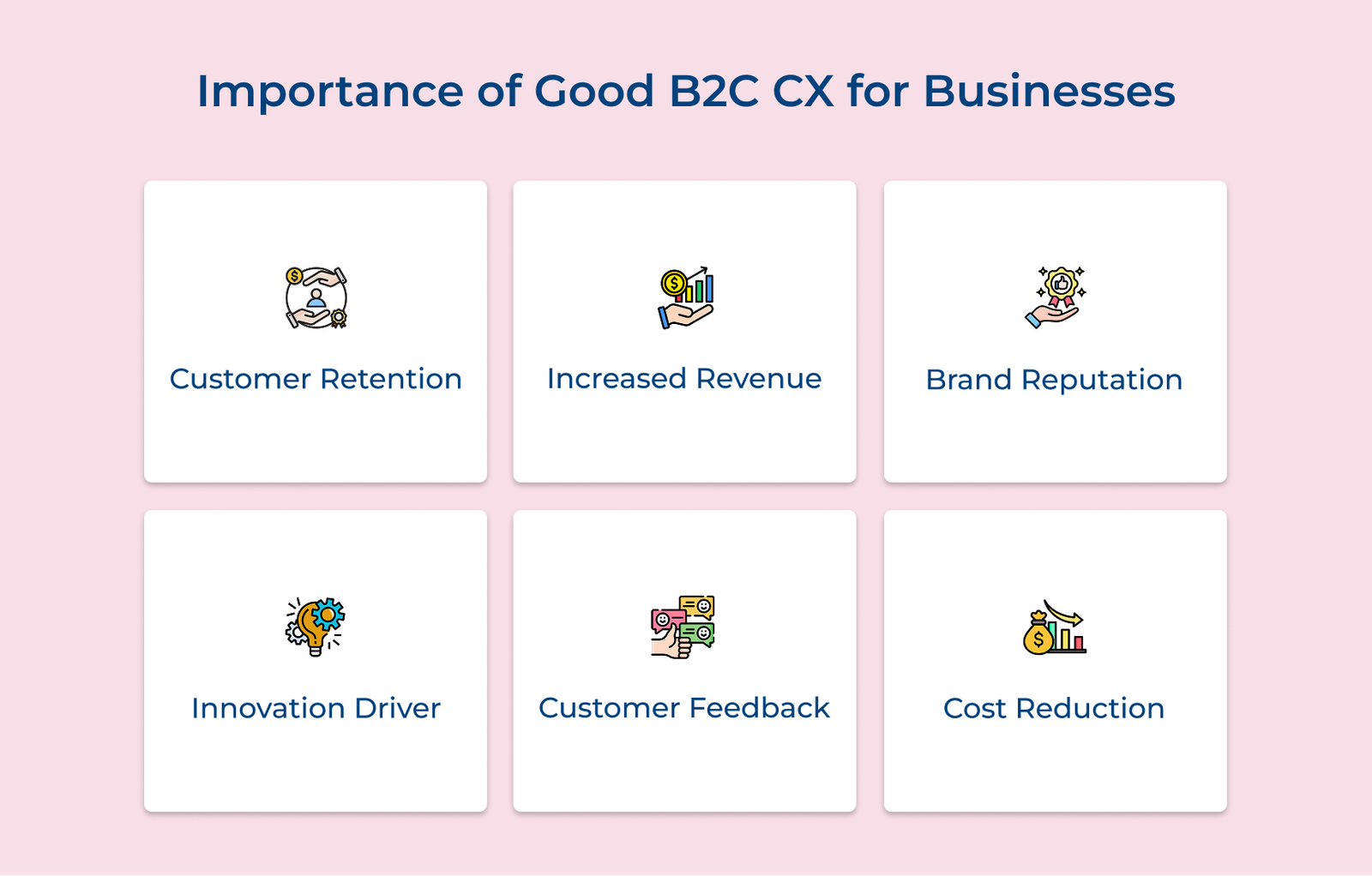
Customer Retention
When people have a good experience with your business, they’re more likely to come back. Keeping existing customers is not only easier but also cheaper than trying to win over new ones. A smooth, satisfying experience gives them a reason to stick around and make repeat purchases.
Increased Revenue
Customers who enjoy buying from you often buy more. They’re more willing to try different products and spend more per order. A reliable customer experience can lead to more frequent purchases and higher overall value from each customer over time.
Brand Reputation
How you treat your customers shapes what people say about you. Positive experiences get shared online, in reviews or in conversations. The trust and word-of-mouth can attract new customers more effectively than any ad campaign.
Innovation Driver
Customer experience isn’t just about service, it’s also a great way to spot what needs fixing or improving. Complaints, questions and suggestions reveal where your products or services fall short. If you listen carefully, your customers will help you figure out what to build next.
Customer Feedback
When people feel heard and respected, they’re more likely to share their opinions. Encouraging honest feedback helps you understand what’s working and what isn’t. It also allows you to stay in step with customer expectations as they evolve.
Cost Reduction
Happy customers don’t need as much hand-holding. They return fewer products, file fewer complaints and don’t take up as much of your support team’s time. It frees up resources you can use elsewhere, like improving your product or expanding your business.
The following are the key distinctions between B2C customer experience and B2B customer experience. Check them out to uncover the insights that will help you tailor your approach.
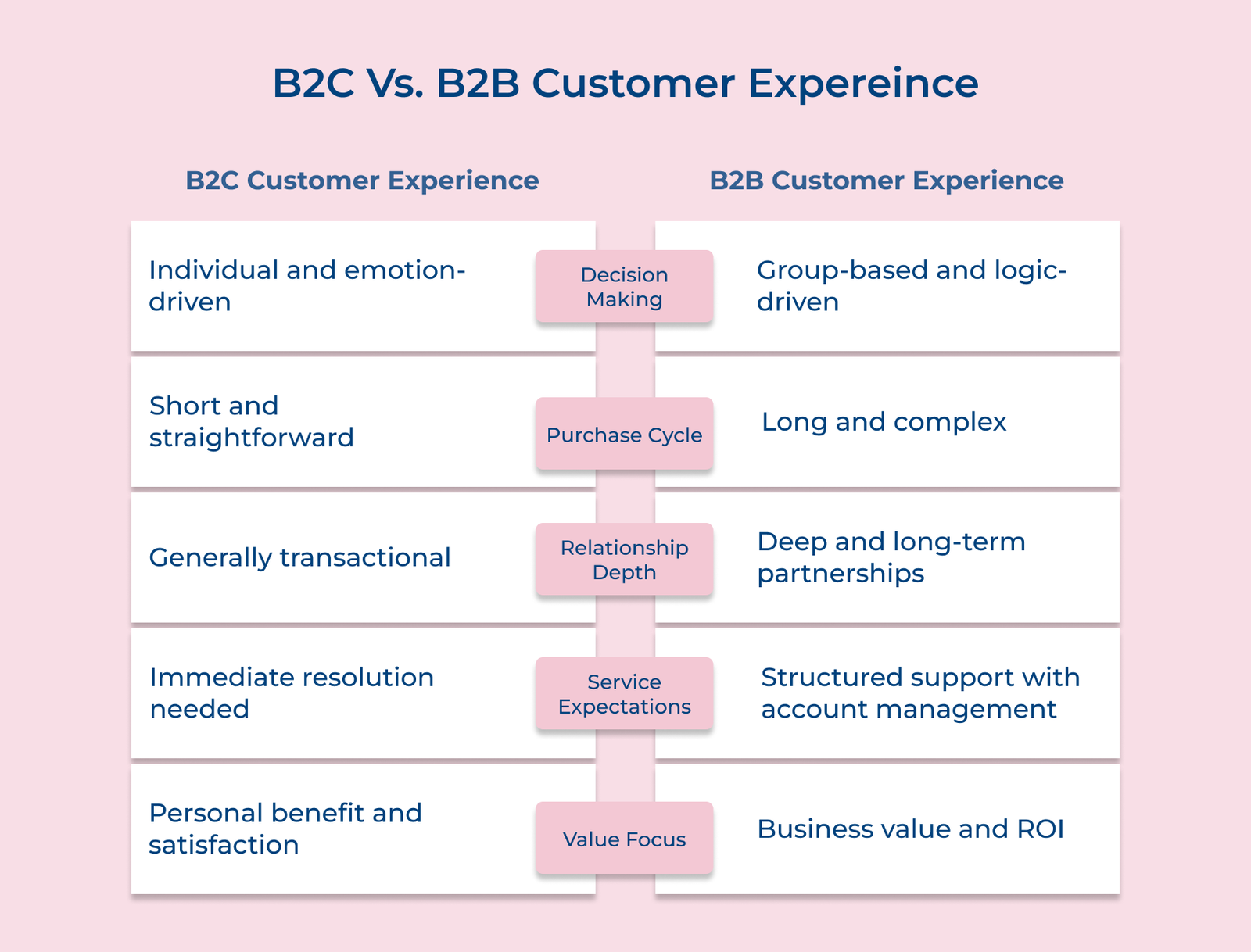
Decision Making
B2C decisions are usually made quickly by individuals. They’re driven by personal needs, habits or emotions, like wanting a good deal, fast delivery or liking how a brand makes them feel. There’s little outside input.
B2B decisions take longer and involve several people. Each one has their concerns regarding budget, performance, compliance and all of them need to agree. The process is more about logic and risk management than impulse.
Purchase Cycle
B2C purchases often happen fast. A customer might see a product, read a review and buy it within minutes. The information is accessible and the stakes are usually low.
B2B purchases move slowly. They can take weeks or months, involving demos, negotiations, paperwork and approvals. Each step takes time because the impact of a bad choice can be costly.
Relationship Depth
Most relationships are short-term in B2C. Once the purchase is done, there might be a bit of follow-up, like support or occasional offers but that’s often the extent of it.
B2B relationships are deeper and longer-lasting. Businesses often work closely over time, with regular check-ins, reviews and ongoing collaboration. It’s more like a partnership than a transaction.
Service Expectations
B2C customers want quick answers. If something goes wrong, they expect to fix it fast, through chat, email or a quick call. Convenience matters most.
B2B service is more hands-on. There’s often a dedicated contact person and support goes beyond fixing issues. It includes long-term planning, training and tailored solutions.
Value Focus
B2C experiences emphasize personal satisfaction and individual benefits. Customers evaluate their experience based on how well the product or service meets their personal needs and preferences.
B2B customers focus on results. They want to know how a product or service will help them hit their targets like saving time, reducing costs or boosting productivity.
Below are the effective strategies that can enhance your B2C customer experience, ensuring that your clients feel valued and heard every step of the way.
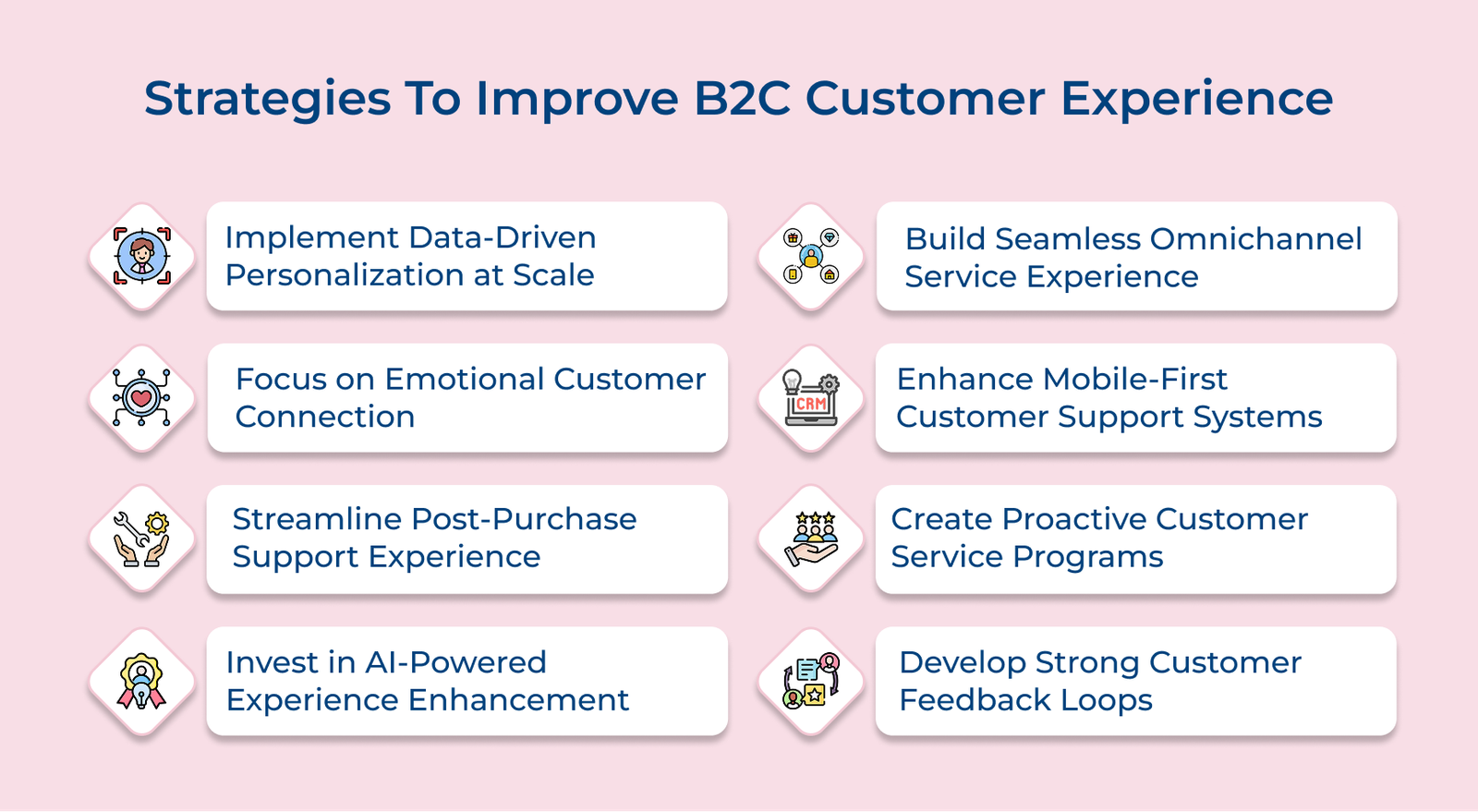
Personalization isn’t just a nice touch anymore; it’s something customers expect. When people feel like a business understands their interests, they’re more likely to stay engaged and come back.
The key is using real data to tailor what each person sees, reads or buys. Start by collecting useful data from places like browsing behavior, purchase history and email interactions. Use the insight to group customers into segments with similar habits. You can set up systems that automatically show relevant products or send custom messages based on preferences.
Pro tips:
Modern customers don’t stick to one problem; they move from mobile to desktop, from website to social media, often in the same buying journey. A good experience means they can switch channels smoothly without starting over or repeating themselves. It’s what a true omnichannel setup should deliver: one continuous experience, no matter where the interaction happens.
Many channels use different tech and don’t “talk” to each other easily. It takes time, effort and investment to get everything connected smoothly, but it’s essential if you want to offer a truly unified customer experience.
Most people turn to their phones when they need help and they expect quick, simple answers. Mobile-first support means designing your service experience around the way customers use their devices: on the go, often with limited time or slow connections.
If your support tools aren’t easy to use on a phone, you’re already falling behind. Businesses should build apps that make getting help as easy as placing an order. It can include live chat, simple chatbots and searchable help sections, all designed to work smoothly on smaller screens.
Actionable tips:
Proactive customer service means stepping in before customers run into problems, not just reacting after something goes wrong. The approach helps avoid frustration, reduces the need for support and shows customers that you’re genuinely looking out for them.
Identify Issues Before They Escalate
Use tools to monitor how customers interact with your products about what they buy, how they use it and where they slow down. Spotting patterns lets you reach out with helpful info before problems arise. A simple email or message at the right time can prevent confusion or dissatisfaction.
Create Solutions that Prevent Problems
Give people the knowledge they need up front. Offer easy-to-follow product guides, step-by-step setup instructions and short troubleshooting tips. When customers understand how to use something properly from the start, they’re less likely to hit snags that require support later on.
Track Customer Satisfaction Continuously
Keep checking in on how things are going. Use short surveys, feedback forms or even behavior data to spot signs that something’s off. Don’t wait for complaints; adjust your approach based on what customers are experiencing. Over time, it makes your service better without them even needing to ask.
A smooth digital payment system plays a key role in improving the B2C customer experience. It helps reduce abandoned carts, builds customer confidence and makes the buying process more enjoyable. When customers can pay easily, they’re more likely to complete their purchase and return in the future.
Offer Multiple Secure Payment Options
Give customers the freedom to choose how they want to pay. Include popular methods like credit cards, UPI, digital wallets and pay-later services. The more familiar and trusted the options, the easier it is for customers to move forward without hesitation.
Create a Simple Checkout Process Flow
Keep the checkout clean and to the point. Use fewer form fields, allow guest checkout and show a clear step-by-step process. Avoid asking for unnecessary details. The goal is to help customers pay and go without any confusion or delays.
Enable Quick Purchase Capabilities
Make it easy for returning customers to buy again. Let them save payment details securely, use one-click checkout or set up auto-renewals for subscriptions. The small steps save time and make repeat purchases feel effortless.
A customer feedback loop is a simple but powerful way to improve the B2C customer experience. It’s about listening to your customers, understanding what’s working or not and making changes based on what they say. The ongoing process helps you stay in tune with what your customers need, not just what you think they need.
Creating emotional connections with customers means treating them as people, not just buyers. It’s about showing that you understand their needs, care about their experience and value the relationship beyond a single transaction. When customers feel appreciated, they’re more likely to stick around and tell others about you.
Start by helping your support and sales teams build real human connections. Train them to listen closely, respond with empathy and treat every interaction as a conversation, not a script. Celebrate customer milestones like birthdays, anniversaries or even small wins they’ve had while using your product or service. The little gestures make a big impact.
Best practices:
Post-purchase support plays a key role in how customers feel about their overall experience with your brand. It’s not just about completing a sale, it’s about helping customers get the most out of what they’ve bought and being there if something goes wrong. A smooth, helpful post-purchase process builds trust, encourages repeat business and shows customers you’re invested in their satisfaction.
Implement a clear and thoughtful communication plan after the sale. It should include confirmation emails, order tracking updates and short follow-ups to check if everything arrived as expected. Make self-service easy by offering video walkthroughs, FAQs and simple troubleshooting guides that customers can access without needing to contact support.
Best practices:
AI-powered experience enhancement uses artificial intelligence to automate, personalize and improve customer interactions. It’s a practical way to meet rising customer expectations without losing the human touch. When used thoughtfully, AI helps businesses respond faster, understand customer behavior better and make each interaction feel more relevant, without overwhelming support teams.
Deploy Smart Chatbot Solutions Today
Modern chatbots powered by AI can handle common customer questions with quick, clear responses. They understand natural language, manage multiple conversations at once and get smarter as they learn from past interactions. When something more complex comes up, they know when to hand things over to a human, making sure customers don’t feel stuck in a loop.
Use Predictive Analytics Systems Effectively
Predictive analytics looks at past behavior to help figure out what customers might want or need next. You can send more relevant suggestions, solve problems before they grow and make more informed decisions about what to offer by spotting trends and patterns early.
Automate Regular Customer Interactions Well
Simple updates like order confirmations, appointment reminders and delivery notifications don’t need to take up time from your team. Automating the tasks keeps communication timely and consistent.
The following are the common pitfalls and obstacles that companies encounter in their quest to deliver exceptional service.
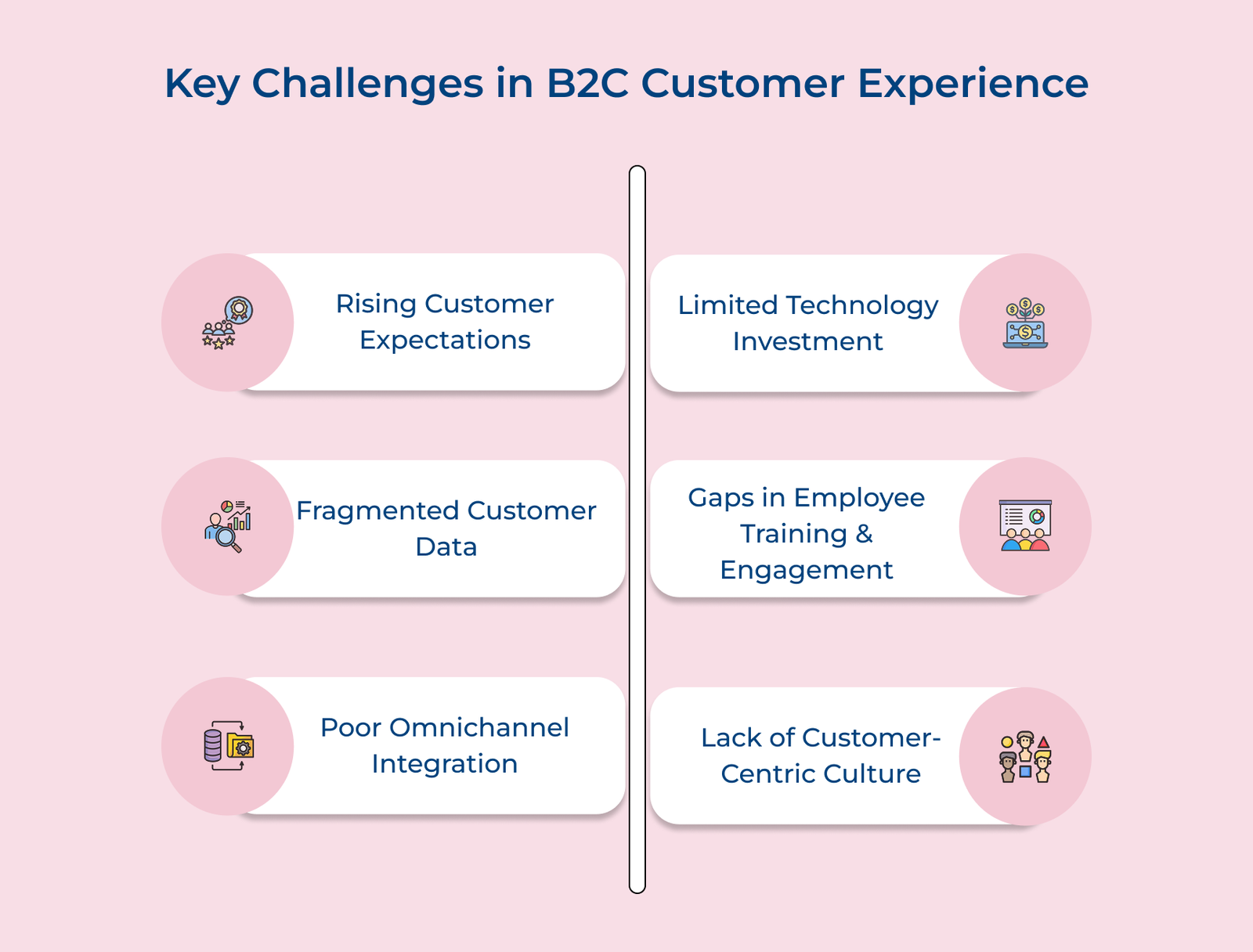
Inability to Meet Rising Customer Expectations
Modern customers expect quick responses and experiences that feel tailored to them, no matter where or how they interact with a business. Many companies struggle to keep up, especially smaller ones, because they don’t have the tools or teams to meet the rising standards.
Lack of Unified Customer Data Management
When customer information is scattered across different systems, it’s hard to see the full picture. Without a single view of each customer, teams end up sending irrelevant messages, repeating questions or missing key details.
Poor Integration Across Multiple Channels
Customers move between websites, apps, social platforms and in-person visits without thinking twice but if those channels aren’t connected on the back end, the experience can feel disjointed. Switching channels shouldn’t mean starting over. When systems don’t talk to each other, customers notice and often walk away.
Insufficient Investment in Technology
Some businesses hold back on upgrading their tools because of cost or uncertainty. But old systems make it hard to adapt, personalize or respond quickly. As others move forward with smarter, more efficient setups, businesses that delay fall further behind, making it even harder to catch up later.
Inadequate Employee Training and Engagement
Even with the right tools, customer experience falls short when employees aren’t prepared. Without training in soft skills or how to use support tools, staff can feel unsure or overwhelmed. It leads to missed chances to help customers, slower service, and inconsistent experiences that erode trust.
Absence of a Customer-centric Culture
If a business doesn’t build its decisions around the customer, that shows up in everything from confusing policies to product choices that miss the mark. When teams focus only on internal goals or short-term wins, the customer gets left behind and so does long-term loyalty.
Implementation steps to overcome the challenges:
Below are some compelling examples of companies that have transformed their customer experience strategies to create a lasting impact.
Amazon’s Personalization Strategy
Amazon’s recommendation engine uses customer browsing, purchase history patterns and wishlist activity to suggest products that match individual interests. One-click ordering and a fast checkout process make it easy to buy, while Prime membership adds convenience with fast shipping.
The setup keeps customers coming back. The more they shop, the more relevant their suggestions become, boosting time spent on the platform and increasing average order value. Amazon’s ease of use has made it a go-to for online shopping.
Apple’s Integrated Ecosystem
Apple delivers a smooth experience by tightly connecting its hardware, software and services. In stores, hands-on demos and helpful staff guide customers, while the Genius Bar provides tailored tech support.
Everything, from packaging to product support, feels consistent and familiar. The consistency builds loyalty. Customers often stick with Apple across devices and services because it all works together so well, making it easy to stay within the ecosystem.
Netflix’s Content Personalization
Netflix studies what you watch, your habits, preferences and ratings to recommend shows you’re likely to enjoy. The more you watch, the better it gets at finding something new you’ll want to see next. The approach keeps users engaged.
Instead of searching endlessly, people find shows quickly on the platform, which helps reduce cancellations and increases viewer satisfaction.
Starbucks’ mobile experience
Customers can order ahead, pay and earn rewards all from their phone, with the Starbucks app. The app remembers your go-to drink, tracks rewards and helps you find the nearest store.
The digital extension of the cafe speeds things up and keeps customers coming back. Frequent visitors appreciate how easy it is to skip lines and get rewarded for their regular habits.
Nike’s Omnichannel Integration
Nike connects its physical stores with its app to create a better shopping experience. App users get access to exclusive products, virtual try-ons and workout suggestions. Customers can scan items for details or check availability without asking staff in stores.
The blend of digital and physical makes shopping more engaging. Members often use both channels and feel more involved with the brand’s fitness community.
Below are the essential metrics that can transform your approach to B2C customer experience and drive more meaningful engagement with your audience.
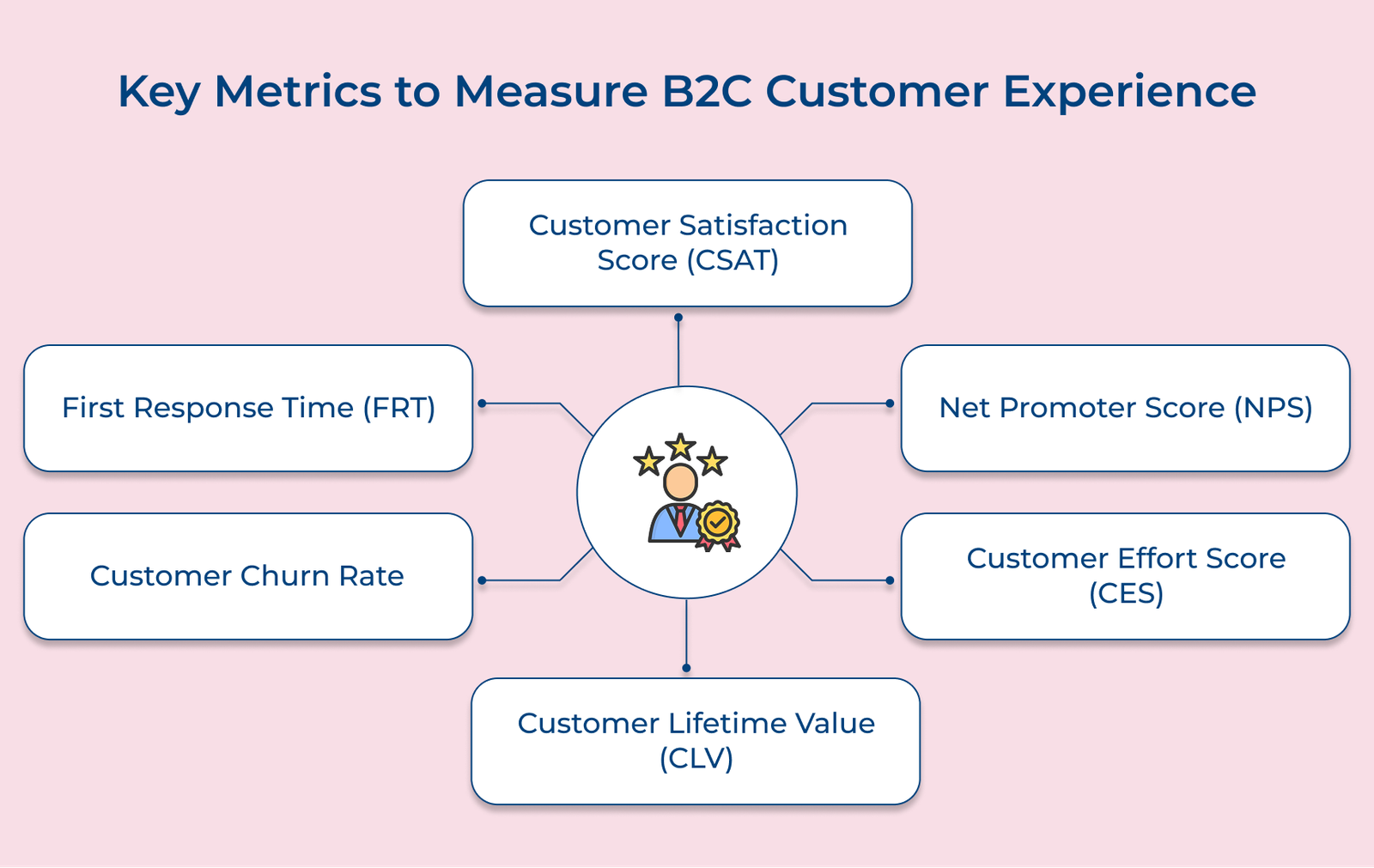
CSAT tracks how satisfied customers are after a specific interaction, like a support call or a purchase. They rate their experience on a scale, usually 1–5 or 1–10. It’s a simple way to spot where things are going well or where they’re not. Regular CSAT checks across different teams and touchpoints help you fix problems early.
NPS asks customers one question: How likely are you to recommend us to someone else? The answers tell you who’s likely to promote your brand and who isn’t. NPS gives a sense of overall loyalty, not just satisfaction. A strong score means your customers trust you enough to spread the word.
CES measures how much effort it takes for a customer to get something done, like resolving an issue or making a purchase. If it’s easy, they’ll likely come back. If it’s frustrating, they won’t. Lower effort is always a better experience.
CLV estimates how much money a customer is likely to spend with you throughout the relationship. It shows if your customer experience is building loyalty. A higher CLV usually means your service is good enough to keep people coming back.
The metric is the percentage of customers who stop doing business with you over a given time. High churn often signals a poor experience. Watching the metric closely helps you act before too many customers walk away.
FRT tells you how fast your team responds when a customer reaches out. Fast replies show customers they’re being heard. Delays send the opposite message. FRT is a basic but powerful indicator of how responsive your service really is.
B2C customer experience covers every interaction a customer has with a business, from browsing a website to getting help after a purchase. Each of the moments shapes how customers see your brand, builds trust and influences if they’ll come back. Businesses need to look at the entire customer journey, not just individual moments.
Looking ahead, the best customer experiences will come from businesses that understand what customers want before they ask for it and respond with practical, human solutions. Businesses can build long-term relationships that lead to real growth by staying close to customer needs, tracking what works and being willing to change.

A successful B2C customer experience brings together a few key elements:
personalization that shows customers they’re understood, consistent service across all channels, quick support that solves problems, a simple buying process and reliability that builds trust. When they work together, the customer journey feels connected and easy.
Track experience using metrics like CSAT (Customer Satisfaction Score), NPS (Net Promoter Score) and CES (Customer Effort Score). Combine it with customer feedback, churn rates and lifetime value to get a full view of what’s working or what needs fixing.
Technology helps personalize service, automate routine tasks and support customers in real time. Businesses can respond faster, stay consistent and better understand what customers need with tools like chatbots, analytics or integrated platforms.
B2C is about individuals making quick, emotional choices. It’s focused on convenience, speed and satisfaction. B2B involves longer decision-making with multiple people and puts more weight on business value, long-term support as well as relationship building.
Common issues include rising customer expectations, scattered data, inconsistent service across platforms, lack of investment in the right tools, poor training and a weak customer-first mindset. The problems need consistent effort to solve.
Start by listening to customers and acting on what you learn. Personalize where it matters. Connect all your service channels. Train your team well. Build systems that solve problems before they grow. Use technology to support, not replace, human services. Every part of the experience should work together.
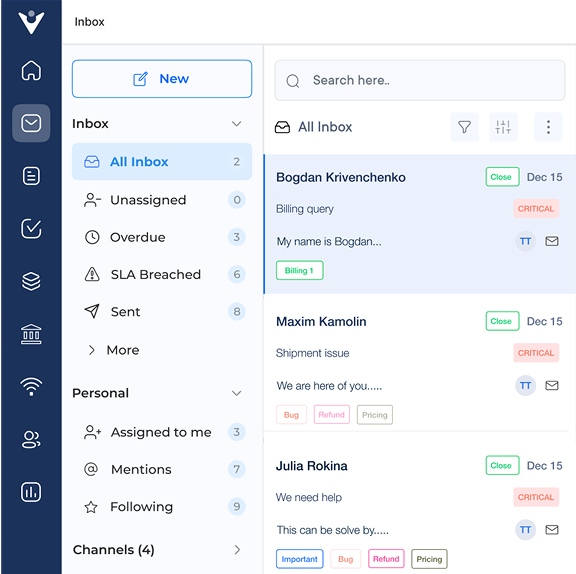
Grow Customer Relationships and stronger team collaboration with our range of products across the Conversational Engagement Suite.
Omnichannel Customer Support & Help Desk Software
AI Enabled Business Messaging and Chatbot Software
Sales Engagement & CRM Software
Call Center Software & Virtual Phone System
Product Marketing & Experience Platform
Customer Experience & Feedback Management Software
 Customer Personality Analysis Guide: Benefits, Methods & Examples
Scroll to top
Customer Personality Analysis Guide: Benefits, Methods & Examples
Scroll to top