1. Drive Customer Retention Efforts
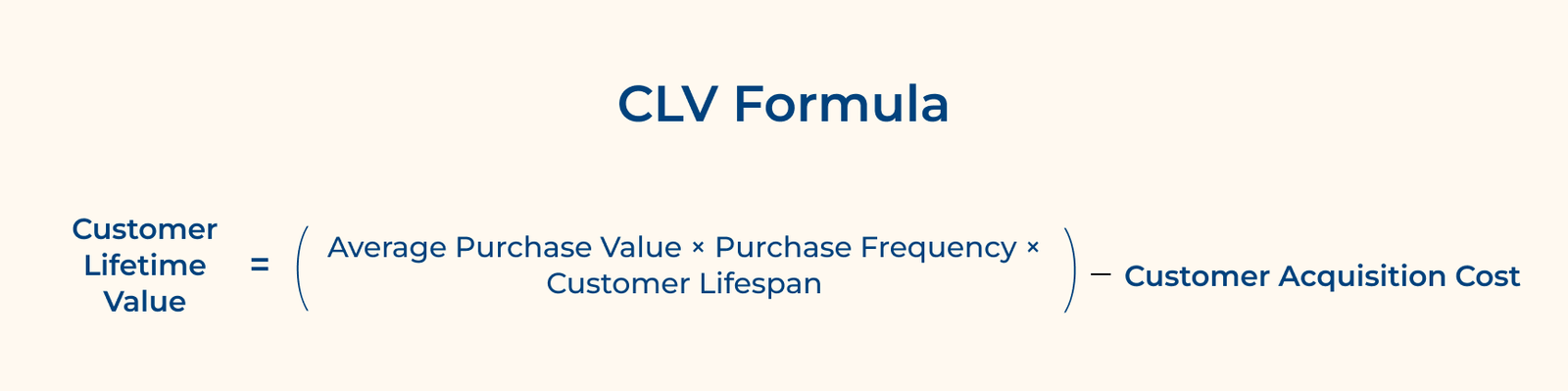
CLV shows the real revenue impact of churn. Losing one customer is not just a single sale lost. It represents the total value they would have generated over time. Clear visibility into that number makes retention a financial priority, not just a service goal.
2. Improve Customer Acquisition Strategy
CLV defines how much you can reasonably spend to acquire a new customer while remaining profitable. If your average CLV is $1,200 and you’re spending $1,500 to acquire each customer, the math clearly shows you’re losing money on every new relationship you create.
3. Create and Prioritize Customer Segments
CLV highlights which segments contribute the most value over time. Some groups may purchase more often, stay longer or choose higher-priced options. Resource allocation becomes more focused when you know which segments drive the strongest returns.
4. Measure Marketing Effectiveness
Customer lifetime value evaluates marketing channels based on customer quality, not just lead volume. A channel that attracts many low-value customers may appear efficient at first glance. Long-term value analysis reveals which channels deliver sustainable revenue.
5. Optimize Product and Pricing Strategies
CLV data shows which products, bundles or pricing models lead to longer relationships and higher spending. Insights from purchasing patterns help refine offers that encourage repeat buying and stronger customer commitment over time.
Customer Lifetime Value Examples
Check out the leading brands that use CLV strategies to transform one-time buyers into long-term customers who spend more over time.
1. Amazon
Amazon grows CLV through its Prime membership program, which turns occasional shoppers into repeat buyers. An annual fee unlocks free shipping and exclusive perks, giving customers a clear reason to concentrate their purchases on one platform.
The impact on Amazon’s business has been transformative as Prime membership creates predictable recurring revenue and customer stickiness. When customers invest in Prime, they’re motivated to maximize value by buying more from Amazon across categories.
2. Nike
Nike strengthens CLV through its Nike Membership program and mobile apps that connect directly with customers. Members receive tailored recommendations, early access to limited releases and rewards that encourage repeat purchases through Nike’s own channels.
The approach strengthens Nike’s business by reducing dependence on third-party retailers and capturing more margin on direct sales. Long-term client relationships through membership generate higher margins and more predictable revenue streams than one-off retail purchases.
3. Airbnb
Airbnb builds CLV by creating a two-sided marketplace where customers can be both guests and hosts, which deepens engagement. The platform’s review system and personalized recommendations encourage travelers to book repeatedly through Airbnb rather than exploring alternatives.
Reviews and personalized suggestions encourage repeat bookings. Positive experiences make travelers more likely to return for future trips, increasing lifetime spending without proportional increases in acquisition costs.
4. Starbucks
Starbucks increases customer lifetime value through its mobile app and rewards program, encouraging frequent visits with points that customers can redeem for drinks. The app enables mobile ordering which removes friction from purchasing and makes visiting Starbucks a convenient daily habit.
Mobile ordering simplifies the buying process and supports habitual visits. Rewards members typically visit more often and spend more per order, improving cash flow through prepaid balances.
Transform your Strategy with Customer Lifetime Value
Customer lifetime value changes how you evaluate growth. Revenue from a single sale matters less than the total value a customer brings over time. The perspective clarifies decisions related to marketing budgets, retention efforts and product improvements.
Measure CLV consistently and use it to guide resource allocation. Focus on attracting and retaining customers who continue buying. Long-term profitability comes from relationships that grow stronger with time.