Customer Service Reports Guide: Key Metrics, Tips & Examples
Customer service reports analyze data to show how well the team meets customer needs. The reports pinpoint strengths and weaknesses to deliver an exceptional customer experience.

Customer service reports analyze data to show how well the team meets customer needs. The reports pinpoint strengths and weaknesses to deliver an exceptional customer experience.
How important is customer service to the success of a business? The answer is simple: very important.
Customer service reports offer insights into how effectively a company serves its customers.
Excellent customer service is essential for building and maintaining a loyal customer base. Consumers are 5.1 times more likely to recommend a brand after an excellent customer service experience. Positive customer experiences result in repeat business and increased revenue. Poor customer service can lead to customer dissatisfaction and loss of business.
Customer support reporting helps businesses monitor and improve their customer service practices. Analyzing reports can help identify improvement areas and make data-driven decisions to enhance customer experience. The article discusses using customer support reports to enhance customer loyalty in businesses.
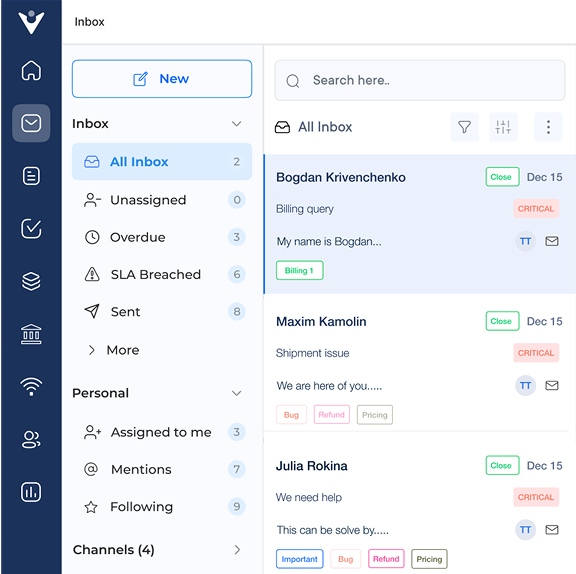
Customer service reports refers to the comprehensive documents that provide insights into customer interactions, satisfaction levels and overall service performance within an organization. The reports analyze data from various customer touchpoints such as phone calls, emails, chat sessions and social media interactions.
The reports work by gathering data from multiple sources such as customer feedback surveys, support ticket systems and interaction logs. The collected information is then presented in a structured format, often using graphs, charts and tables to visualize trends and patterns. The data is typically analyzed over specific periods to track changes and improvements in customer service performance.
Key objectives:
Let us understand the significance of customer support reports and how they can be leveraged to improve the customer experience.
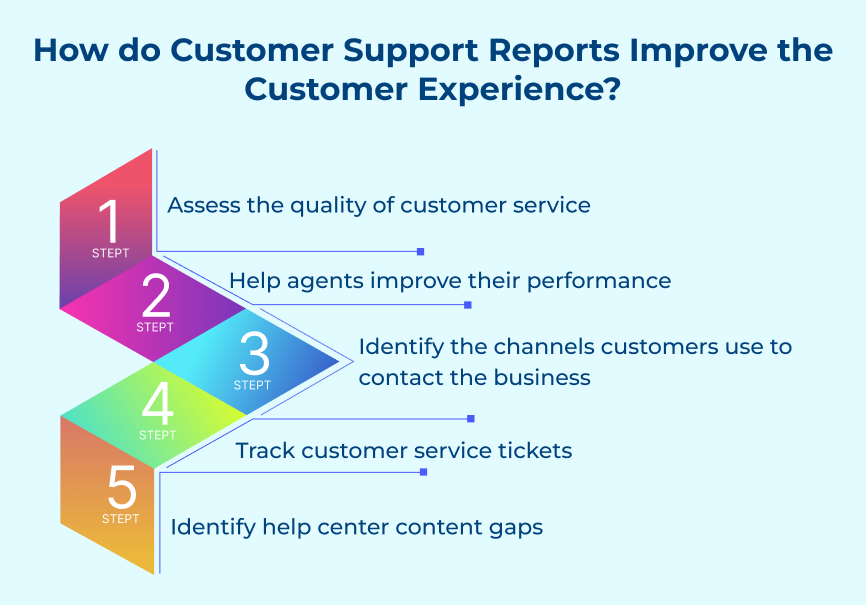
1. Assess the quality of customer service: Customer service reporting show agent performance in handling inquiries and resolving issues. Monitoring response time, resolution rate and customer satisfaction measures team performance.
2. Help agents improve their performance: Customer support reports can give feedback and coach service agents. Analyzing metrics helps in pinpointing agent strengths and weaknesses, enabling precise skill improvement training.
3. Track customer service tickets: Customer service reports help track customer tickets from start to finish. Analyzing ticket data helps identify service trends and bottlenecks, improving operational efficiency.
4. Identify the channels customers use to contact the business: Businesses can know about the preferred communication channels: phone, email, live chat or social media. Knowing customer communication preferences shape tailored service strategies for seamless experiences.
5. Identify help center content gaps: Customer support reports can reveal gaps in help center content or the knowledge base. Analyzing customer inquiries can pinpoint gaps in self-service resources. Addressing gaps can improve customer experience by empowering them to self-resolve issues.
Take a look at the six essential customer service reporting metrics that every business should track and leverage for continual growth and success.
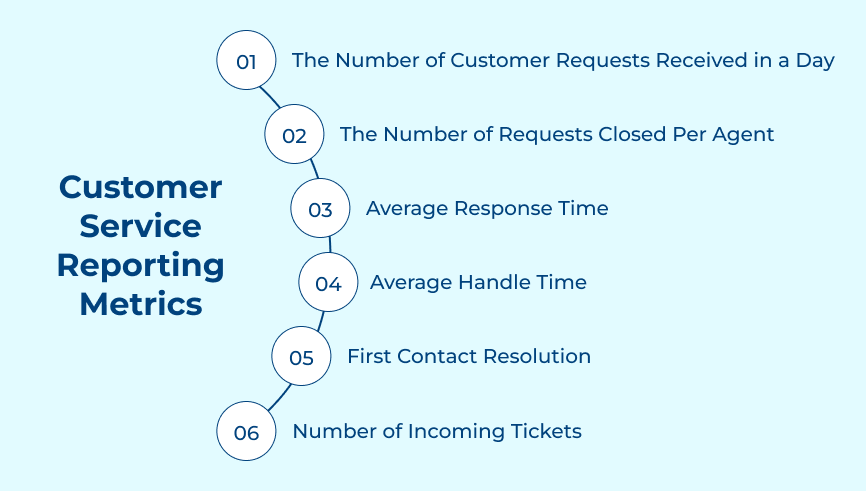
Customer service reports provide data on customer interactions, including daily request volumes. Tracking the metrics helps businesses gauge customer inquiries and customer service team workload.
Tracking the number of customer requests received in a day is important for several reasons. Managers assess service efficiency and allocate resources effectively. It also allows businesses to identify trends and patterns in customer inquiries.
Pro tips:
Customer service reports are vital tools for managers to track and analyze the performance of their team. One important metric to keep an eye on is the number of requests closed per agent. The report provides insight into each agent’s productivity in handling customer inquiries.
Tracking closed requests per agent shows top performers and highlights those needing support. It enables workload adjustments for fair request distribution among agents.
Pro tips:
Average response time is a critical metric that every customer service manager should track. Nearly 70% expect a response within 24 hours or less. The report summarizes response times for customer service representatives. Monitoring response time helps to evaluate the customer service team’s efficiency.
A low response time boosts customer satisfaction and loyalty by ensuring prompt service. A high response time may signal customer service inefficiencies that require attention.
Pro tips:
Average Handle Time (AHT) is a key metric in customer service reports that every manager should track. It tracks the average time for a customer service agent to resolve a customer inquiry. AHT can provide valuable insights into the efficiency and effectiveness of customer service operations.
Managers use AHT to monitor and improve customer service levels. Managers can identify training needs and ensure that customers are receiving timely support by tracking AHT. Let’s assume that the AHT is high. It may indicate that agents need additional training to be streamlined to reduce wait times.
Pro tips:
Regularly analyzing AHT data to identify trends and areas for improvement.
Providing feedback and coaching to agents to help them improve their handling times.
First Contact Resolution (FCR) is a key metric in customer service that measures the rate of resolving issues on initial contact. The report is crucial for managers, as it links to customer satisfaction and business success.
Managers should monitor FCR to improve service efficiency, processes and customer satisfaction. Let’s consider a situation where the FCR is found to be low. The low rating can indicate a need for additional training, better resources or improved communication procedures.
Pro tips:
Monitoring incoming customer service tickets is vital for ensuring customer satisfaction and efficiency. The report outlines daily, weekly and monthly customer inquiries. The customer service report helps managers understand workload and make customer-focused decisions. Let’s assume that businesses can promptly adjust staff or provide extra training to prevent ticket escalation.
Pro tips:
Learn how to build an effective customer service report designed to help you track performance, identify trends and improve overall customer satisfaction.
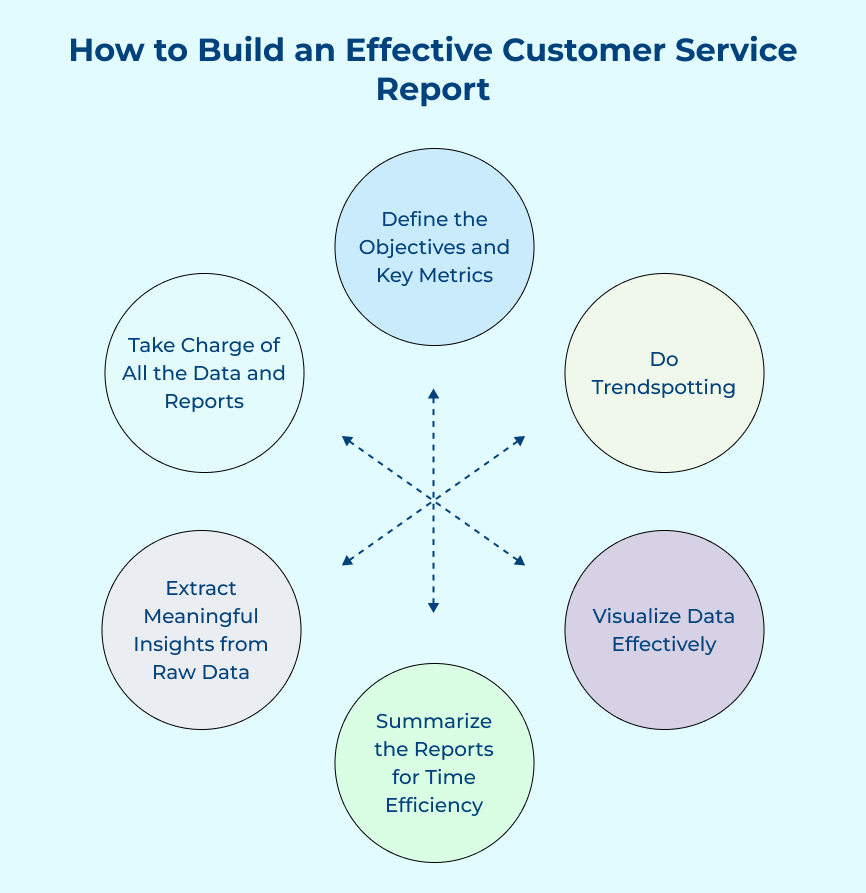
Defining the objectives and key metrics is crucial for evaluating customer service success. Consider customer satisfaction, resolution time and feedback when choosing metrics to measure.
The metrics offer insights into team performance and improvement areas. The report aims to enhance customer experience, streamline processes and boost loyalty.
Best practices:
Trendspotting is a crucial step in building effective customer service reports. It involves identifying and analyzing current trends that could impact customer behavior. Staying ahead of trends can tailor their customer service strategies to meet evolving needs. Trendspotting enhances the reports by revealing preferences, expectations and pain points.
Let’s assume a company may notice a trend towards customers preferring online chat support over phone support. Incorporating the trend into their customer service reporting can help allocate resources accordingly and enhance their customer service offerings.
Best practices:
Visualizing data is a crucial step in building effective customer support reports. Visual data presentation helps in analyzing trends and improving customer service decisions.
Using charts and graphs can effectively represent key performance indicators. It includes customer satisfaction scores, response times and service ticket volumes. The visuals help stakeholders quickly understand data and spot areas to improve.
Best practices:
Summarizing customer service reporting efficiently is crucial for time management. It can provide a quick overview of key information and insights to relevant stakeholders concisely.
Let’s assume a customer service manager can summarize weekly reports to pinpoint improvement areas. It will enhance the customer experience through data-driven decisions.
Best practices:
Extracting meaningful insights from raw data is a crucial step in building effective customer service reports. Data analysis reveals patterns, trends and behaviors to enhance service strategies.
The step helps in creating customer service reporting by highlighting satisfaction levels and improvement areas. It can be used to identify pain points in the customer experience and develop targeted solutions to address them.
Best practices:
One crucial step in building effective customer support reports is taking charge of all the data and reports. It involves managing customer interaction data, feedback and resolutions systematically. Centralizing the information can ensure accuracy, accessibility and efficiency in compiling reports.
Analyzing data aids in crafting better customer service through trend identification and data-driven decision-making. Let’s consider that by tracking customer complaints, businesses can identify common issues. It will help them implement strategies to address them proactively.
Best practices:
Explore how you can effectively utilize customer service reporting to unlock the full potential of your business.
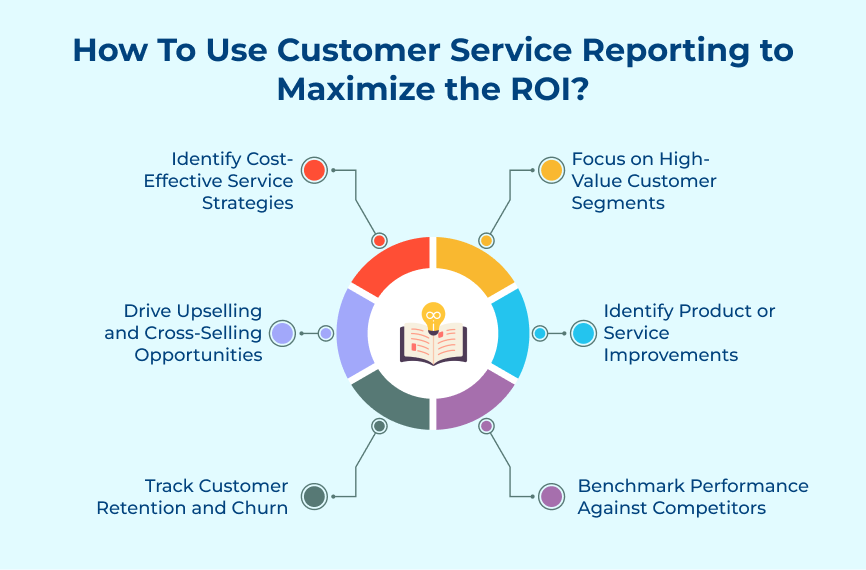
Identifying cost-effective service strategies is essential for businesses looking to improve their bottom line. Analyzing service reports can identify cost-cutting opportunities while maintaining quality. It could streamline processes, introduce technology, or boost employee efficiency.
Focusing on high-value customer segments is another key aspect of using customer support reports to maximize ROI. Identifying top revenue and satisfied customers helps customize service for specific needs. It can lead to increased customer satisfaction, repeat business and higher profits.
Customer service reports can also help drive upselling and cross-selling opportunities. Analyzing customer interactions can identify opportunities for cross-selling after purchases. It boosts revenue and enhances customer-company relationships simultaneously.
Customer support reports can be used to identify areas for product or service improvements. Analyzing customer feedback can identify issues, improving the customer experience. It can lead to increased customer satisfaction, loyalty and higher ROI.
Tracking customer retention and churn is essential for businesses looking to maximize ROI. Analyzing customer data reveals retention trends, aiding proactive customer retention measures. It may involve implementing loyalty programs or other strategies to keep customers engaged.
Benchmarking performance against competitors is an important aspect of using customer service reporting to maximize ROI. Businesses can compare customer metrics with competitors to assess strengths and weaknesses. It can help businesses stay competitive in the marketplace and, achieve higher ROI.
Customer service reports help businesses gather customer feedback and enhance the overall experience. Many top brands have been leveraging the reports effectively to enhance their customer service strategies. Here are 5 customer service report example:
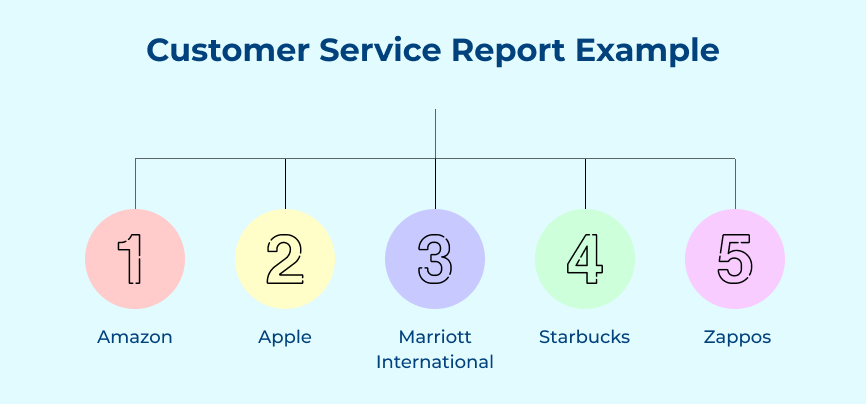
Amazon is one of the largest e-commerce companies in the world. It is known for its wide range of products and efficient delivery service. Amazon analyzes customer service reporting to identify common issues or concerns raised by customers. They use the information to make improvements to their website, product listings and customer service processes. Amazon has been able to maintain a high level of customer satisfaction by addressing customer concerns quickly.
Apple is a leading technology company known for its innovative products and superior customer service. Apple collects customer feedback to enhance product features, troubleshoot issues and improve customer service. Apple improves products by listening to customer feedback and making adjustments.
Marriott International is a global hospitality company with a portfolio of luxury hotels and resorts. Marriott regularly reviews customer support reports to identify guest complaints or concerns trends. They use the information to train their staff and improve their properties. Marriott excels by addressing customer feedback, ensuring high guest satisfaction and quality service.
Starbucks is a popular coffeehouse chain known for its premium coffee and customer-centric approach. Starbucks uses reports for service monitoring, customer preferences and improvement insights. They also use the data to personalize customer interactions and tailor their marketing efforts. Starbucks stands out by listening to feedback and building customer loyalty in a competitive market.
Zappos is an online retailer specializing in footwear and apparel. It is renowned for its exceptional customer service. Zappos uses customer feedback to improve delivery, products and experience. They also use the data to empower their customer service representatives to provide personalized assistance. Zappos prioritizes customer satisfaction and uses data to excel in customer service.
Customer service reports are a valuable tool for businesses to gather feedback from customers. Analyzing data can lead to actionable changes addressing customer concerns and enhancing satisfaction.
Businesses must listen to customers, value feedback and make adjustments for a positive experience. Listening to customer feedback enhances loyalty, boosts retention and drives success in a competitive market.

Customer service reports are essential for business, offering insights into satisfaction, issues and improvement. The reports aid businesses in monitoring performance and improving customer experience. Analyzing service reports can address concerns and drive revenue growth.
Customer service reports are essential tools for businesses to analyze customer interactions and feedback. Collect data on customer inquiries, complaints and feedback for the report. Analyze information for trends, improvements and customer satisfaction opportunities. Regularly utilizing reports can create a positive customer experience.
Customer service reports play a significant role in shaping customer satisfaction. The reports provide valuable insights into customer interactions. It highlights areas of improvement and showcases exceptional service. Analyzing the reports can enhance their customer service strategies, leading to increased customer satisfaction.
Regular customer service reports are vital for tracking satisfaction, identifying areas to improve and measuring service effectiveness. Regularly creating and analyzing reports helps the customer service team meet customer needs, promoting loyalty.
Start with outlining the purpose of the report and identifying key metrics to measure. Gather data from customer interactions, surveys and feedback. Analyze the data to identify trends and insights. Present findings clearly and concisely, making recommendations for improvement based on the data. Proofread and edit the report before sharing with stakeholders.
Grow Customer Relationships and stronger team collaboration with our range of products across the Conversational Engagement Suite.
Omnichannel Customer Support & Help Desk Software
AI Enabled Business Messaging and Chatbot Software
Sales Engagement & CRM Software
Call Center Software & Virtual Phone System
Product Marketing & Experience Platform
Customer Experience & Feedback Management Software

 Chatbot Automation: Benefits, Use Cases & Key Steps
Scroll to top
Chatbot Automation: Benefits, Use Cases & Key Steps
Scroll to top