How to Build a Lead Generation Funnel: 10 Effective Steps
Learn how to create an effective lead generation funnel with proven strategies to attract, nurture and convert leads. Explore ways to boost your business growth and increase conversions.
Learn how to create an effective lead generation funnel with proven strategies to attract, nurture and convert leads. Explore ways to boost your business growth and increase conversions.
Businesses often struggle to turn website visitors into loyal customers. Despite heavy investments heavily in marketing, many miss opportunities to capture and nurture leads, wasting valuable resources. 58% of B2B businesses report that generating high-quality leads is their biggest challenge. A lead generation funnel provides a systematic solution to the challenge.
Businesses can transform casual visitors into qualified leads and eventually into paying customers by guiding prospects through a structured journey from awareness to conversion. The key is understanding how to build and optimize your funnel effectively. You can create a system that not only attracts potential customers but also enhances long-term relationships with strategic planning, compelling content and automated nurturing. Let’s dive in!
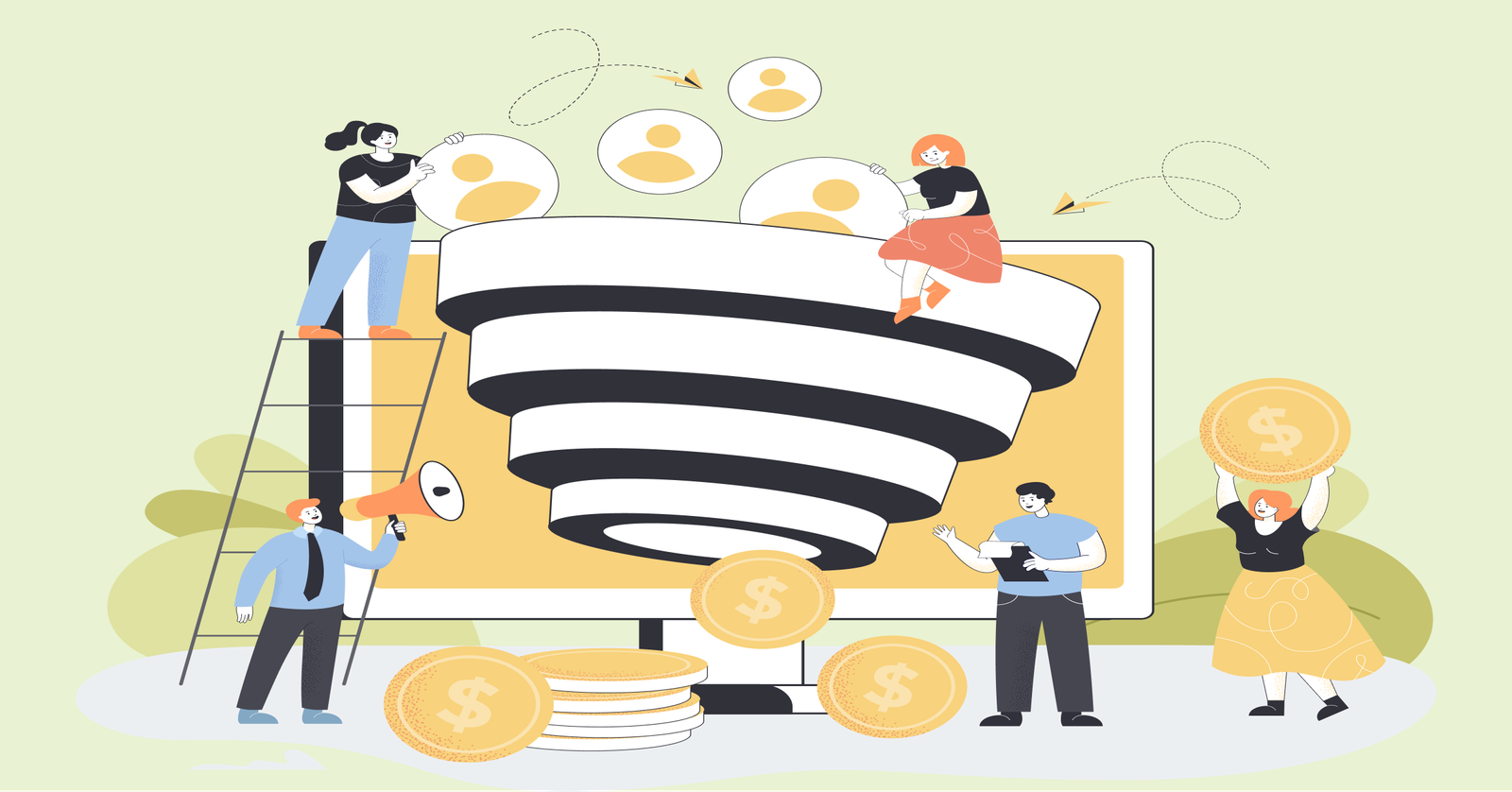
A lead generation funnel refers to a strategic marketing process that moves potential customers from initial awareness to qualified leads. Imagine it like a real funnel – wide at the top where many prospects enter and narrower at the bottom where the most interested prospects emerge.
The funnel typically works through four main stages Awareness, where prospects discover your brand through content, social media or advertising. The next is the Interest stage, where they engage with your content and share contact information. The consideration is where prospects explore your offerings through demos, trials or detailed info. The last is the action stage in which they become qualified leads, ready for sales outreach.
Types of lead generation:
Let’s go through the key benefits of a lead generation funnel, from improved lead quality to higher conversions for your business.
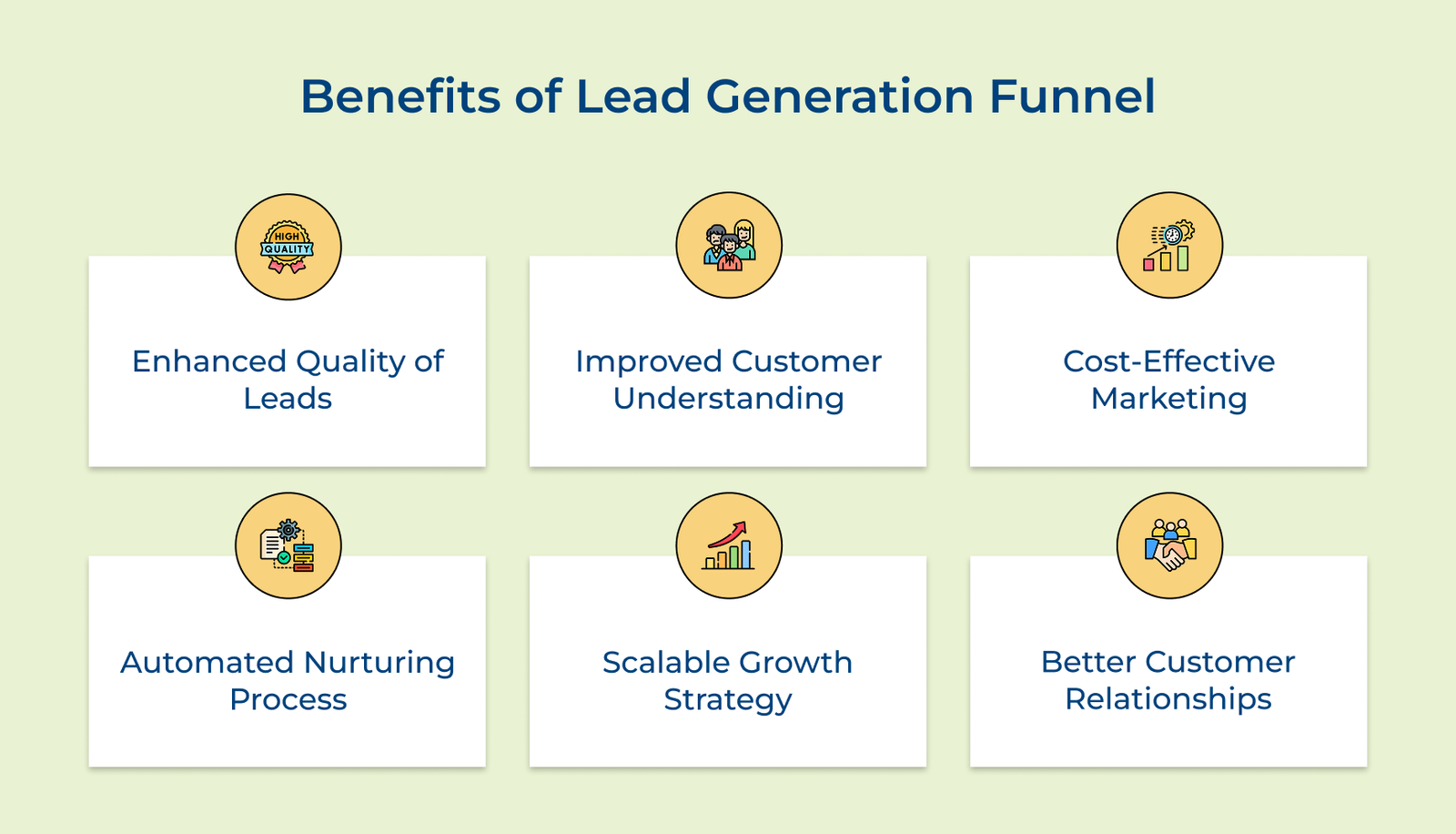
1. Enhanced Quality of Leads
A well-designed lead generation funnel automatically qualifies prospects through multiple touchpoints. The leads are more informed, engaged and ready to buy by the time they reach the bottom. The pre-qualification streamlines sales efforts, saving time and boosting conversion rates by focusing on the most promising leads.
2. Improved Customer Understanding
As leads move through the funnel, businesses collect valuable data on customer behavior, preferences and pain points. The insight allows for more personalized marketing, refined strategies and targeted solutions, enabling continuous optimization.
3. Cost-Effective Marketing
Lead generation funnels maximize marketing spend by targeting the most likely to convert prospects. Businesses can pinpoint the most effective channels and content by tracking metrics at each stage, reducing waste.
4. Automated Nurturing Process
Modern lead funnels use automation to consistently nurture prospects, ensuring no lead is overlooked. The approach keeps prospects engaged with personalized content while reducing manual effort and maintaining high-quality interactions throughout their journey.
5. Scalable Growth Strategy
A well-designed funnel offers a repeatable, scalable process for customer acquisition. Once in place, businesses can easily expand efforts based on capacity and goals. The systematic approach makes growth more predictable and manageable, allowing companies to plan resources effectively.
6. Better Customer Relationships
The progressive nature of marketing funnel lead generation enhances stronger relationships. Businesses build trust and credibility by offering value at every stage, resulting in loyal customers who become long-term clients.
Check out the stages of the lead gen funnel, where prospects are guided from initial awareness to becoming qualified leads, ensuring a smooth journey.
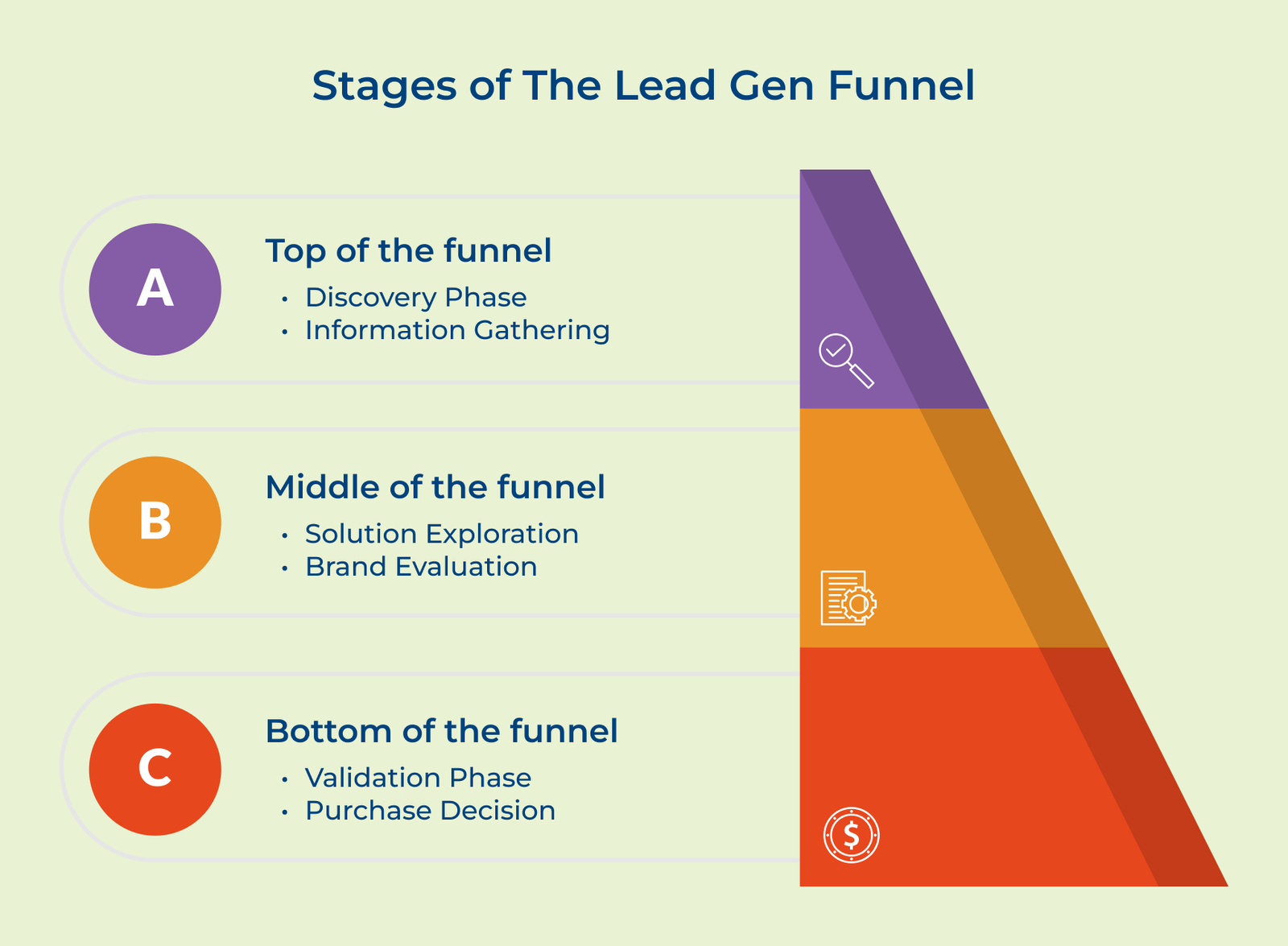
Potential customers recognize their problems and start seeking solutions at the first stage. The goal is to attract a broad audience with educational content that addresses their pain points and introduces your brand.
1. Discovery Phase
Prospects actively seek information about their challenges. Content like blog posts, social media and educational videos help them better understand their issues, aiming to capture attention.
2. Information Gathering
Users explore solutions and gather insights into how to solve their problems. They engage with guides, reports and podcasts, helping to establish your brand as a credible, knowledgeable resource.
Here, prospects assess different solutions and show genuine interest in specific offerings. Content shifts to highlight your unique value proposition, deepening engagement and building trust.
3. Solution Exploration
Prospects compare various solutions to their problems, engaging with case studies, product comparisons and expert webinars. The stage helps them see how your solution meets their specific needs.
4. Brand Evaluation
Prospects evaluate your company’s credibility by seeking social proof such as customer testimonials, product demos and industry recognition. It helps build trust and confidence in your solution.
The prospects are ready to buy in the final stage. Content and interactions become highly targeted, focusing on converting qualified leads into loyal customers.
5. Validation Phase
Prospects seek reassurance that your solution is the right fit. They engage with free trials, demos and consultations, providing clear proof of value.
6. Purchase Decision
Leads make their final decision by reviewing pricing, implementation plans and ROI. The focus is on making the purchase process clear, straightforward and comfortable.
Following are the essential steps to create a lead generation funnel that not only attracts interest but also drives your business forward.
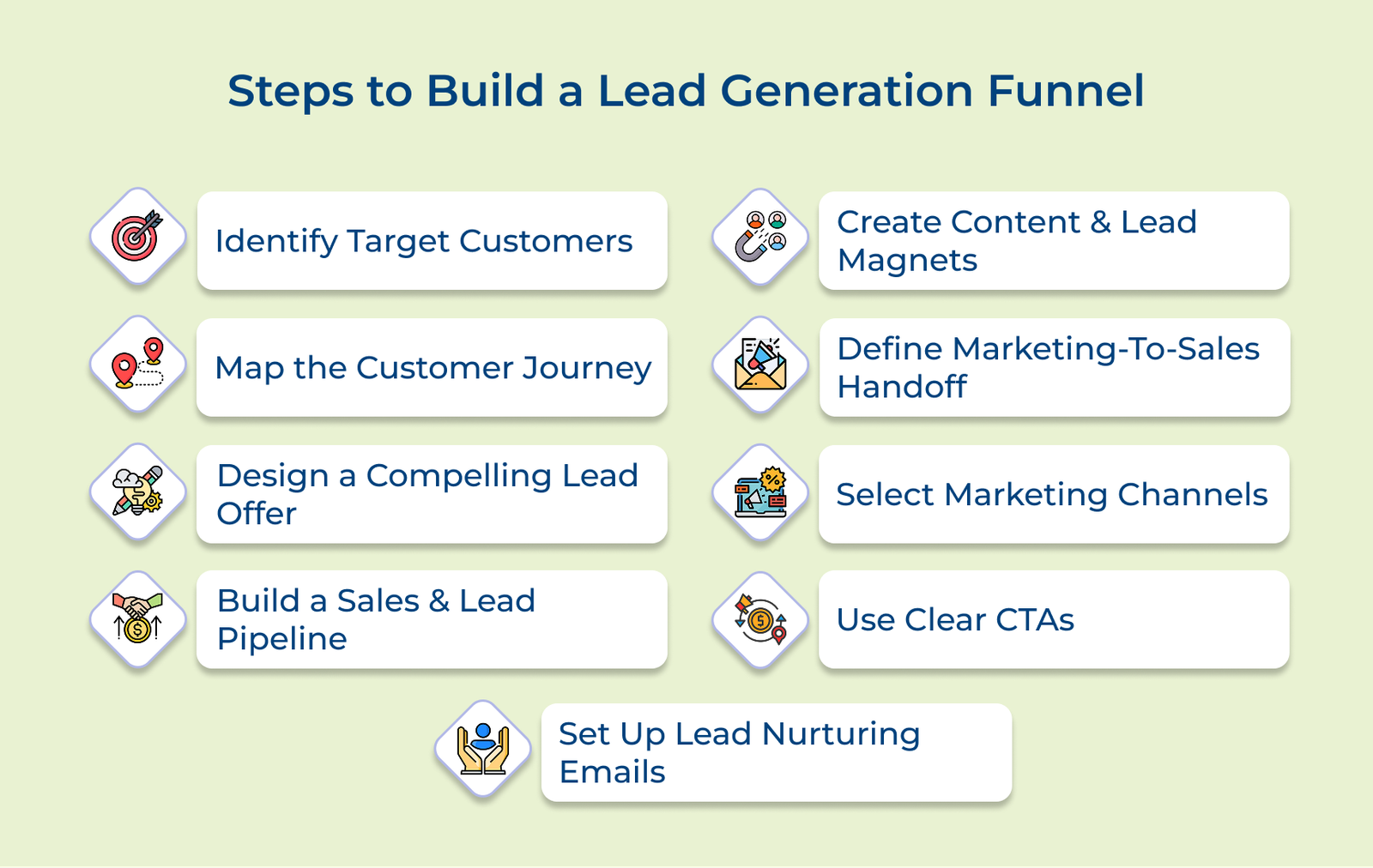
Understanding your target customers is key to a successful lead generation strategy. It involves creating detailed buyer personas based on demographics, behaviors and pain points. Without clarity, marketing efforts risk attracting the wrong audience and wasting resources.
Analyze existing data and conduct market research through surveys. Look for buying patterns and insights into their decision-making process. Tools like social media analytics and customer feedback can help build accurate customer profiles.
Pro tips:
A customer journey map tracks how prospects engage with your brand from initial awareness to final purchase. It highlights key touchpoints for effective engagement and reveals potential barriers in the conversion process. Document every possible interaction including social media, website visits, emails and sales conversations.
Imagine an e-learning platform guiding a prospect through a seamless journey. It starts with reading a blog on “career advancement,” sparking interest. Next they download a free course preview, getting a taste of what’s to come. Feeling confident and informed, they leap and purchase a full certification program.
Actionable tips:
A lead generation offer acts as your value proposition, encouraging prospects to share their contact information. It bridges the gap between casual visitors and qualified leads by creating an enticing “exchange” where prospects see real value in providing their details.
Understand what your audience values at each stage of their journey. Develop tailored offers for different segments, from quick downloadable resources to in-depth solutions. Ensure your offer addresses their specific pain points and aligns with where they are in the buying process.
Best practices:
Businesses with a well-structured and accurate sales pipeline are 10x more likely to achieve consistent year-over-year revenue growth. Without a solid pipeline, you risk losing leads or missing key engagement opportunities during their decision-making process.
Start by implementing a CRM system to track lead interactions. Define clear stages and actions that move leads forward. Set up automated workflows to prioritize the most promising prospects based on their engagement and characteristics.
Actionable tips:
Content creation fuels your lead generation efforts by attracting potential customers and showcasing your expertise, while lead magnets offer value in exchange for contact details. Without compelling content, your funnel will struggle to capture and maintain prospect interest.
Effective content creation begins with understanding your audience’s needs at each funnel stage. Develop a strategy that includes diverse formats like blog posts, webinars, case studies and downloadable resources. Lead magnets should deliver immediate value while highlighting your deeper expertise and solutions.
Actionable tips:
The marketing-to-sales handoff is a critical transition where leads move from nurturing to direct sales engagement. Like passing a baton in a relay race, timing and coordination are key to success. Ensure clear communication between marketing and sales teams.
Define specific criteria for sales readiness such as engagement levels, lead scores or specific actions taken by the prospect. Regular meetings between teams help refine the process based on real-world feedback.
Best practices:
Choosing the right marketing channels is key to reaching your target audience effectively. Think of them as roads to your business – you need to pick the ones your ideal customers are most likely to travel. Without careful selection, you risk wasting resources on platforms where your audience isn’t active.
Analyze where your audience spends time and how they consume content. Focus on platforms that align with your content, business goals and audience preferences. Use data analytics to track performance and adjust based on engagement.
Actionable tips:
Call-to-Actions (CTAs) are essential signposts guiding prospects through your funnel, telling them exactly what action to take next. Without compelling CTAs, prospects may engage with your content but fail to move forward. Effective CTAs require thoughtful placement, design and messaging.
Businesses must ensure they align with the visitor’s journey stage and commitment level. Optimize visual hierarchy to make CTAs stand out while staying on-brand. Test variations to see what resonates best with your audience.
Pro tips:
Email autoresponders are your automated system for building relationships and keeping prospects engaged. The step ensures no lead falls through the cracks, delivering consistent, valuable communication tailored to their interests and behavior.
Design a logical flow of emails that provide increasing value and guide prospects toward a purchase. Start with a welcome email, then move to educational content, case studies and finally sales-focused messages. Segment your audience to keep the content relevant and engaging.
Best practices:
Let’s go through the fundamental differences between B2B and B2C lead generation funnels to understand how each of them plays a crucial role in shaping marketing strategies.
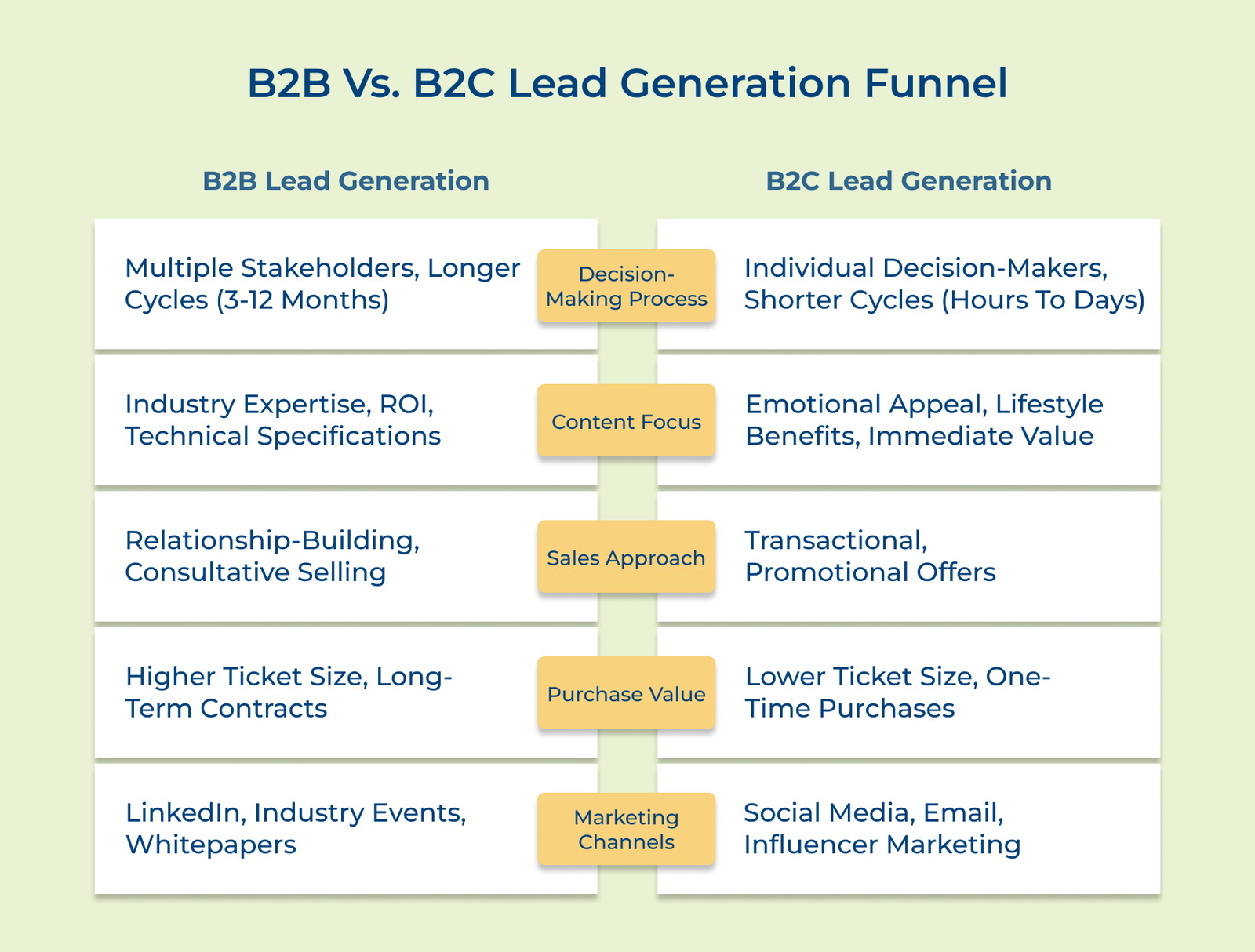
1. Decision-Making Process
The funnel caters to multiple decision-makers in B2B lead generation including technical teams, finance departments and executives, each requiring different information at various stages. The process involves thorough research, demo and approval chains.
The B2C funnel targets individual consumers who make quicker decisions based on personal needs and preferences. The focus is on emotional appeal and immediate gratification, with fewer technical details and simpler approval processes.
2. Content Focus
B2B content strategy focuses on showcasing industry expertise and delivering clear business value. It includes in-depth case studies, technical whitepapers, ROI calculators and implementation guides that tackle specific business challenges.
B2C content emphasizes emotional appeal and lifestyle benefits. It features engaging product videos, user testimonials and lifestyle imagery that enhance immediate emotional connections.
3. Sales Approach
B2B sales focus on building long-term relationships through consultative selling. Sales teams aim to understand complex business needs, offer tailored solutions and maintain partnerships using account-based marketing.
B2C sales take a more transactional approach, prioritizing quick conversion. The focus is on crafting compelling offers, leveraging social proof and using psychological triggers to prompt immediate purchase decisions.
4. Purchase Value
B2B purchases involve larger investments and often require detailed evaluation, implementation and training. The funnel nurtures leads with in-depth information on long-term value and ROI.
B2C purchases are lower in cost per transaction but higher in volume. The funnel prioritizes quick conversions and encourages repeat business through loyalty programs.
5. Marketing Channels
B2B marketing channels focus on professional networks and industry-specific platforms. The focus is on reaching decision-makers through targeted LinkedIn campaigns, industry conferences and webinars that build credibility.
B2C channels aim for broad reach through popular social media, email marketing and consumer-centric content. The strategy taps into influencer partnerships and viral marketing to boost brand awareness.
Below are some of the world’s most successful brands that have crafted their lead generation funnels to create engaging customer experiences and drive business growth.
Apple
Apple has expertly crafted a lead generation funnel, starting with emotional brand storytelling in product launches and their iconic “Think Different” messaging. They capture leads via the Apple ID system, which connects users across devices as well as grants access to services like iCloud storage Apple Music and the App Store.
The strategy has evolved Apple from a tech company to a full-fledged lifestyle ecosystem. Apple not only drives device sales but also encourages subscriptions to its services by building a loyal customer base, generating recurring revenue.
Nike
Nike drives their lead funnel through the Nike+ membership program and Nike Training Club app. They offer exclusive content, personalized workout plans and early access to product launches. They deliver tailored recommendations by tracking user preferences and habits.
The approach has transformed Nike from a sportswear brand into a fitness technology leader, enhancing a loyal community of engaged athletes and fitness enthusiasts who interact with the brand regularly.
Spotify
Spotify’s marketing funnel lead generation begins with its freemium model, offering basic services with ads. Spotify tailors personalized experiences like Discover Weekly or Yearly Wrapped by capturing user data through playlist creation, music preferences and listening habits.
The strategy has transformed music consumption and built a vast database of user preferences, creating a seamless transition from free to premium subscriptions with enhanced features and personalized content.
Zappos
Zappos drives their lead generation funnel with exceptional customer service and a seamless shopping experience. They offer free expedited shipping, early access to deals and reward points on purchases through their VIP program, building trust with customer-centric policies.
The strategy has revolutionized online shoe shopping, eliminating traditional purchase barriers. Zappos has built a loyal customer base with high repeat purchase rates by prioritizing convenience and service.
Netflix
Netflix fuels their lead funnel with personalized content recommendations and a free trial period. They create detailed user profiles that drive content suggestions and inform original productions by capturing viewing habits.
The approach has transformed Netflix from a content distributor into a major entertainment producer, leveraging deep insights into viewer preferences to create highly targeted content that keeps subscribers engaged.
Check out how to optimize your lead generation funnel through proven best practices that can significantly improve your conversion rates and lead quality.
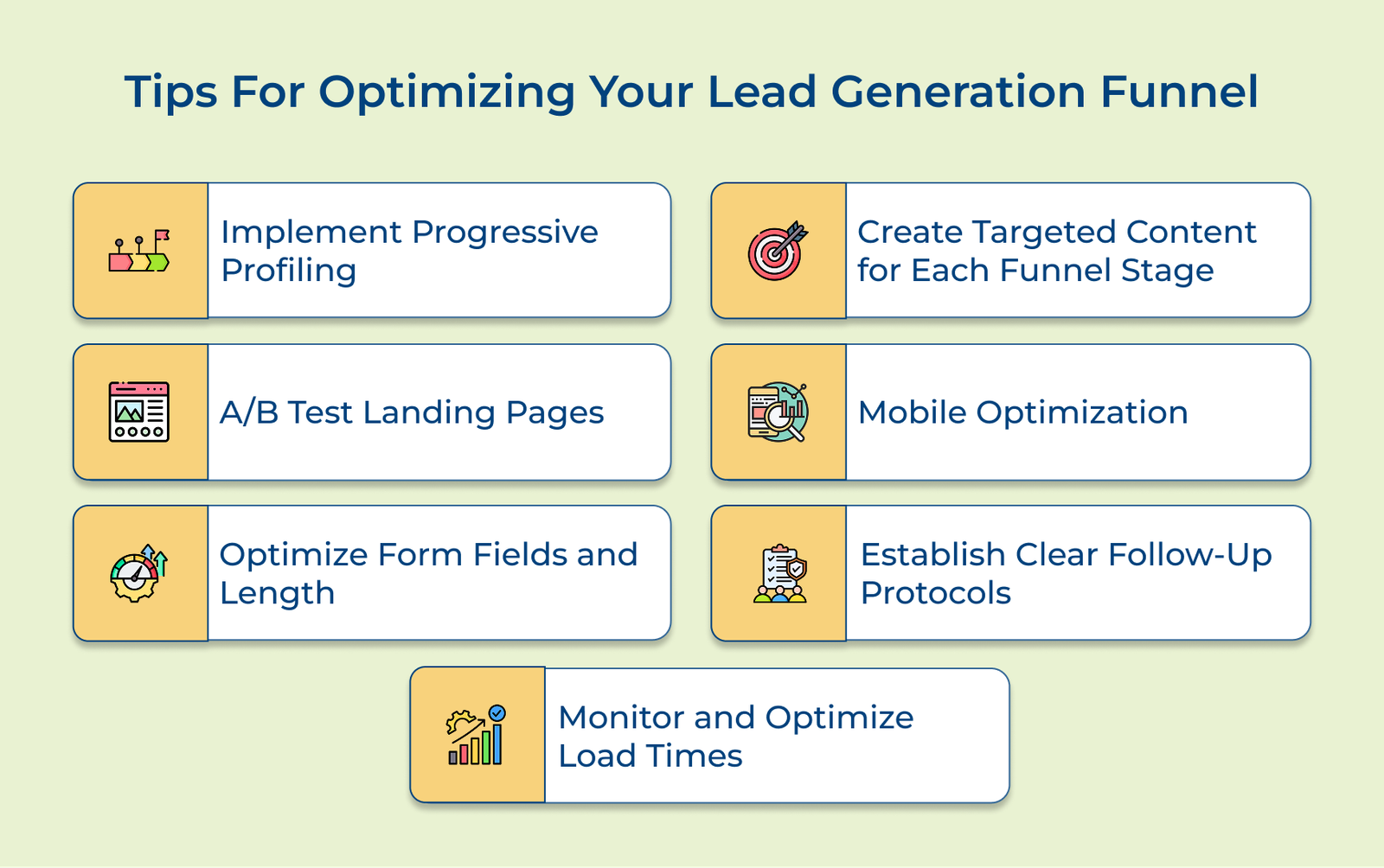
Instead of asking for all information at once, gather data gradually through multiple interactions. Start with basic details like email addresses then collect more as prospects engage with your content. It reduces friction, boosts form completion rates and helps build a complete prospect profile over time.
Regularly test landing page elements like headlines, value propositions, form layouts and visuals. Focus on one element at a time to pinpoint what boosts conversions. Tailor tests to specific audience segments, as what works for one may not work for another.
Evaluate the necessity of each form field and its impact on conversion rates. Use smart forms that adapt to user behavior or segments. Shorter forms boost initial conversions, while longer ones may attract higher-quality leads – find the balance that aligns with your goals.
Create content that meets prospects’ needs at each stage of their journey. Top-of-funnel content should raise awareness, while middle and bottom-funnel content dives into detailed solution-specific information.
Optimize your entire funnel for mobile, from the first touchpoint to conversion. Prioritize responsive design, fast loading times and mobile-friendly forms. Mobile optimization is crucial as more users access content through mobile devices.
Set up tailored follow-up processes for different lead segments and scores. Automate initial responses, but ensure personalized follow-up for high-value leads. Define clear timeframes and triggers for advancing leads through nurturing tracks.
Consistently test landing pages and forms for loading speed on various devices as well as connections. Optimize images, compress code and use caching to boost performance. Fast-loading pages enhance user experience and drive higher conversions at every funnel stage.
Creating an effective lead generation funnel starts with understanding your audience and their journey. Businesses can guide prospects seamlessly from awareness to conversion by mapping each stage and providing valuable touchpoints.
Leveraging tools like AI and automation personalizes the experience at scale, while still maintaining a human touch where needed. Data-driven insights and smart analytics continuously optimize the funnel, improving its ability to convert prospects into qualified leads.

A lead magnet funnel is a strategic system that offers valuable free content in exchange for contact information. It starts with an attractive resource (like an ebook, webinar, or template) that solves a specific problem for your target audience. The funnel then nurtures these leads through targeted content and automated follow-ups, gradually moving them toward a purchase decision.
A lead is a potential customer who has shown interest in your product or service by sharing their contact information. A funnel is the entire journey that guides these leads from initial awareness through consideration and eventually to a purchase decision. Think of leads as the travelers and the funnel as the pathway they follow toward becoming customers.
The process begins with attracting visitors through targeted content and advertising (Awareness). Next comes capturing their information through compelling offers (Lead Capture). The third step involves nurturing leads with valuable content and personalized communication (Qualification). The converting qualified leads into customers through targeted offers and sales outreach (Conversion). Each step requires specific strategies and metrics.
Building an effective funnel typically takes 2-3 months for basic implementation and 6-12 months for optimization. The timeline includes developing compelling content, setting up automation systems, testing different approaches and gathering enough data to make informed improvements. Success depends on consistent monitoring and refinement based on performance metrics.
Success measurement involves tracking multiple metrics throughout the funnel: conversion rates between stages, cost per lead, lead quality scores, time to conversion and revenue generated. Key indicators include email open rates, content engagement levels, form completion rates and sales qualified lead (SQL) percentages. Regular analysis helps identify bottlenecks and optimization opportunities.
Investment depends on your industry, target market and revenue goals. A general guideline is allocating 10-15% of desired revenue for lead generation activities. It should cover content creation, advertising, technology tools and personnel costs. Start with a smaller budget to test and optimize, then scale based on proven return on investment (ROI).
Grow Customer Relationships and stronger team collaboration with our range of products across the Conversational Engagement Suite.
Omnichannel Customer Support & Help Desk Software
AI Enabled Business Messaging and Chatbot Software
Sales Engagement & CRM Software
Call Center Software & Virtual Phone System
Product Marketing & Experience Platform
Customer Experience & Feedback Management Software

 How to Create Ecommerce Strategies: 6 Proven Ways
Scroll to top
How to Create Ecommerce Strategies: 6 Proven Ways
Scroll to top